No. 1 in the 2026 ranking
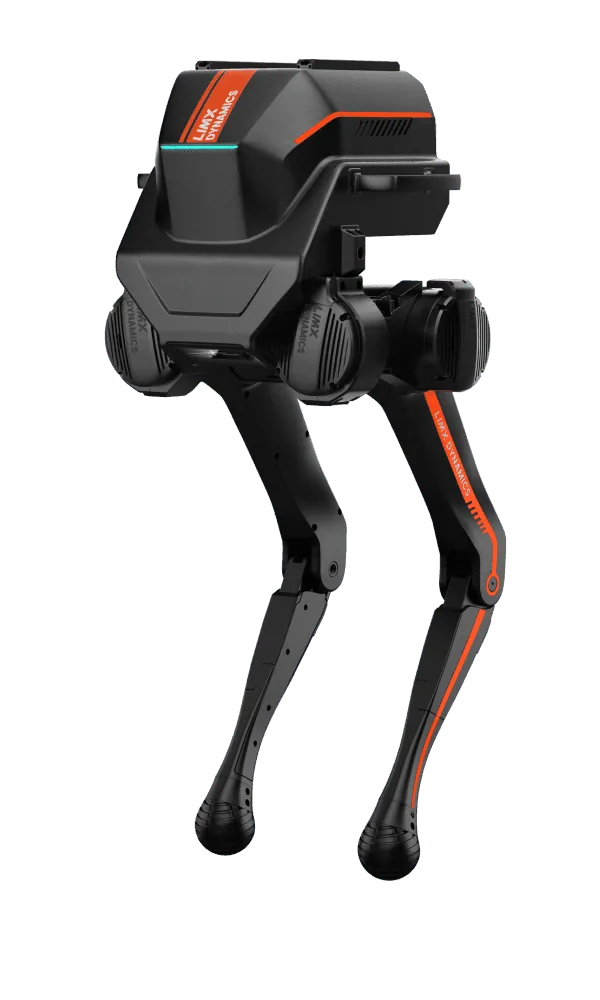
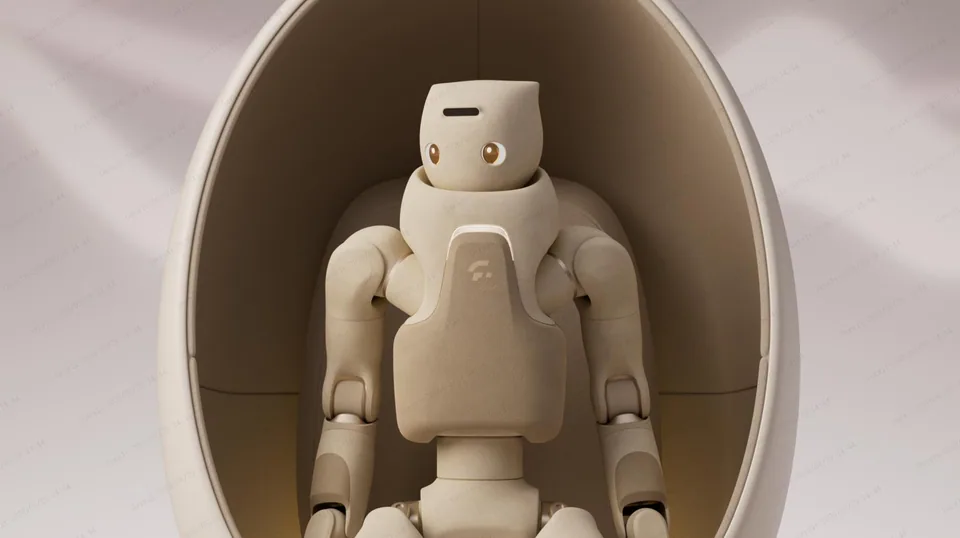
LimX Oli (CL-3)
One of the cheaper routes to a full-size research humanoid; yes for labs, no for industry.
- 165 cmheight
- 3 kgpayload
- 84,500*price (PLN)
Humanoid robots in 2026 — a full model list (Unitree, Tesla Optimus, Figure, Boston Dynamics) with prices in PLN and availability in Poland.
In the catalog: 104 models from 65 manufacturers. Prices from 5.4k to 1.09M PLN. Available in Poland: 7.
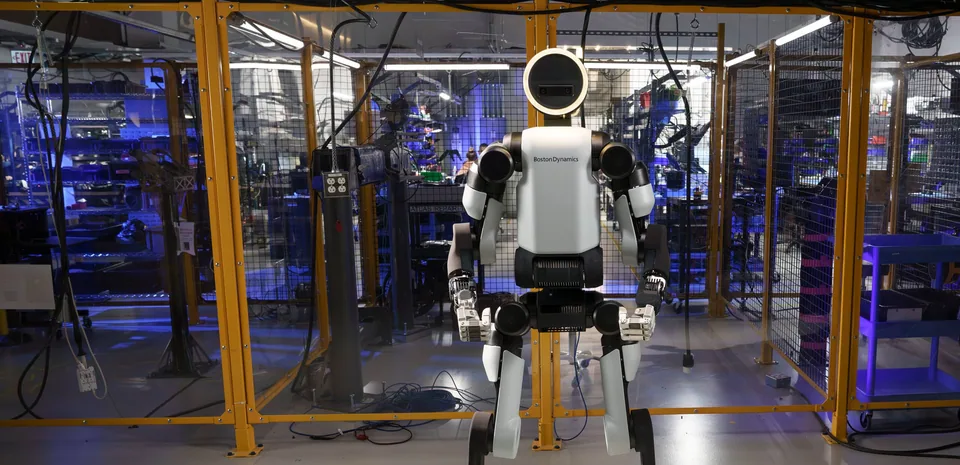
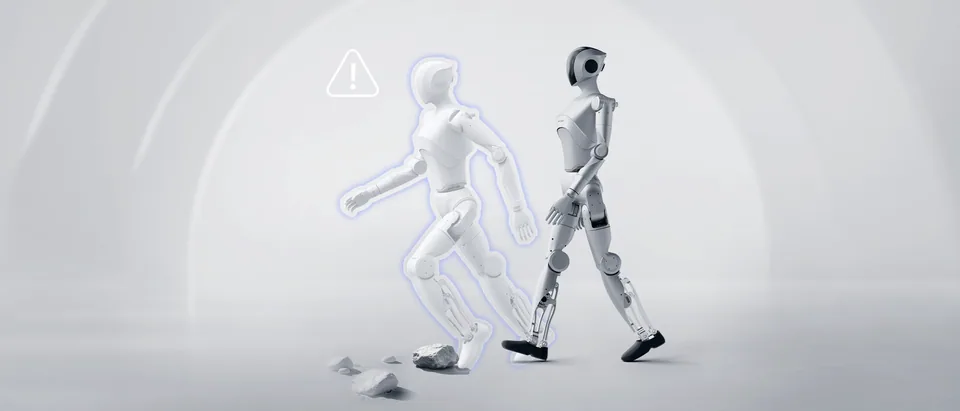
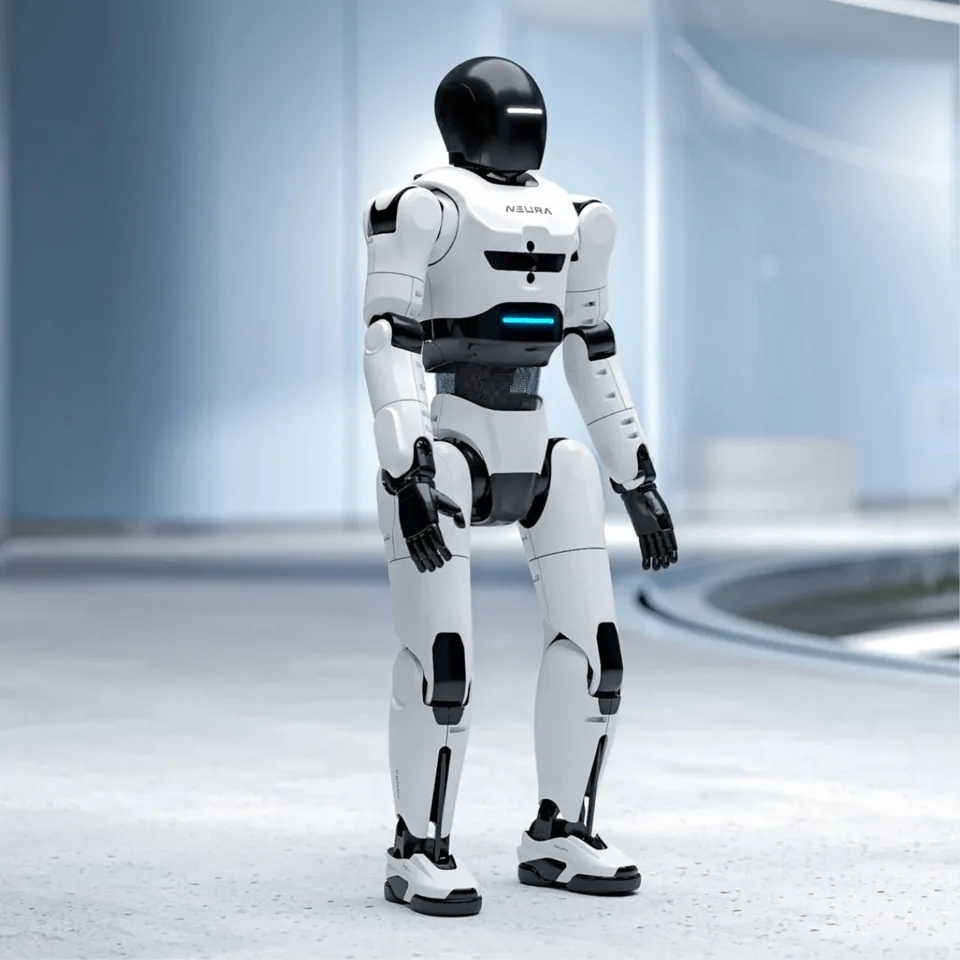
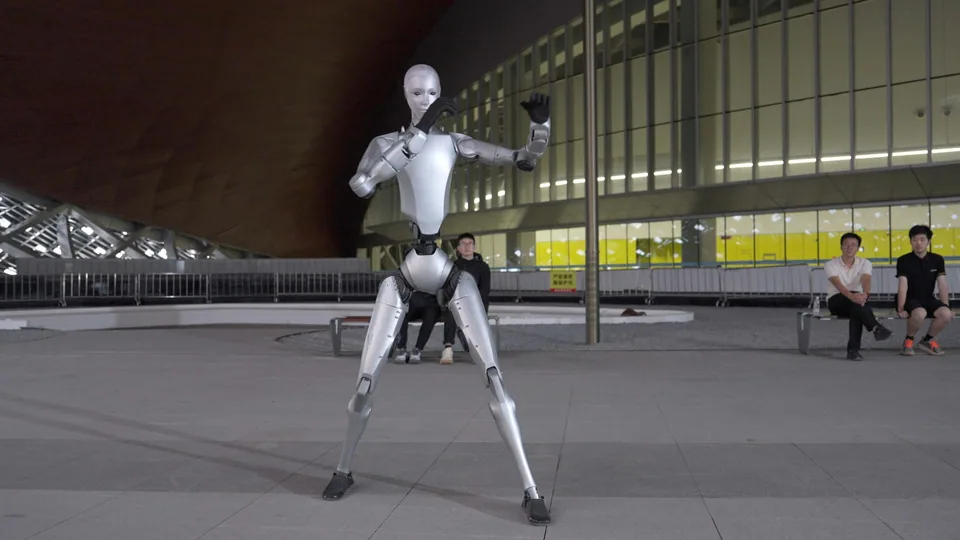
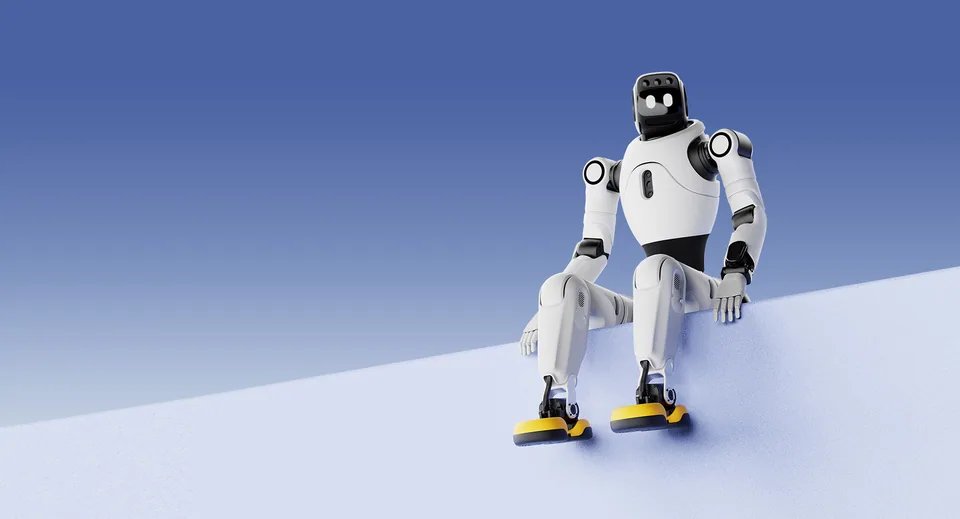
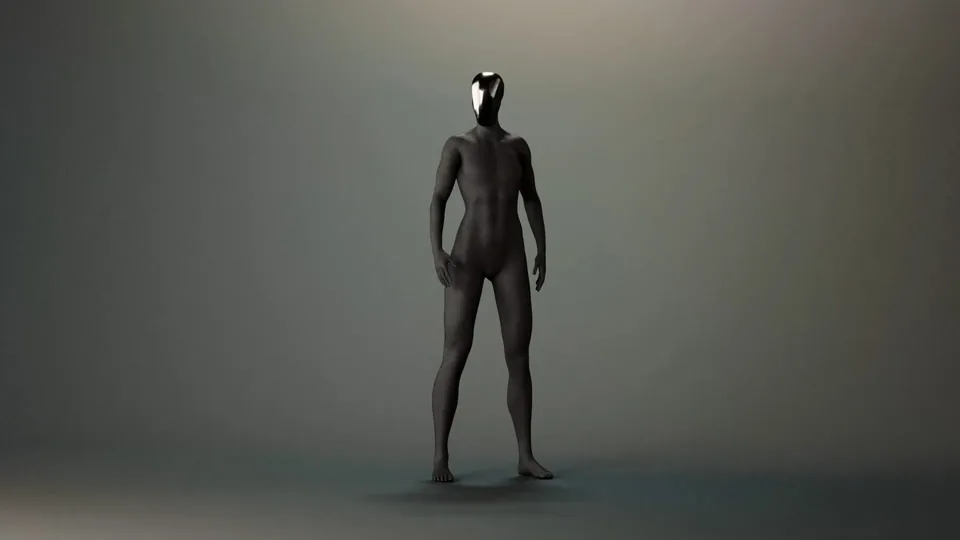
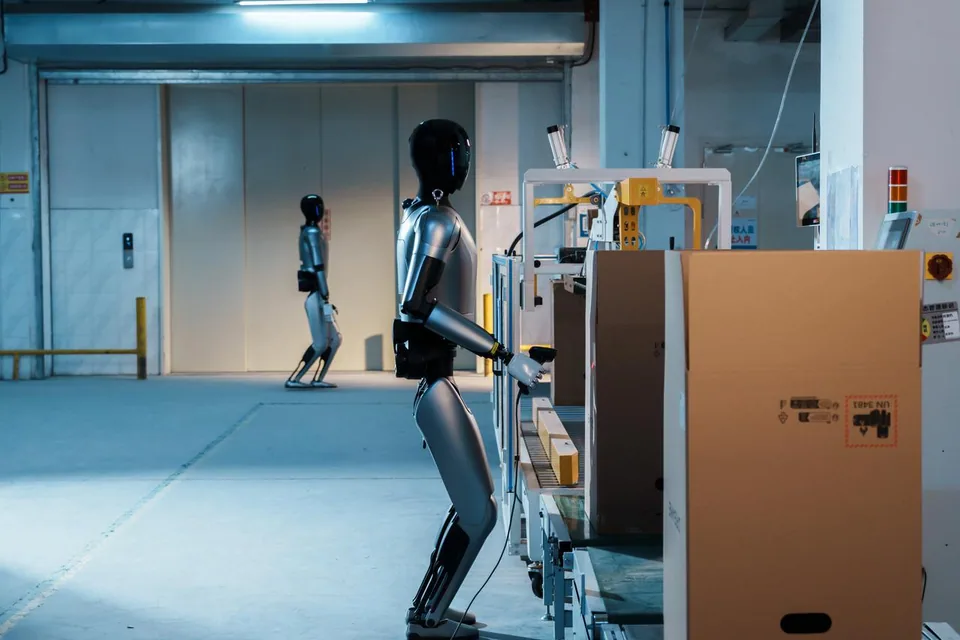
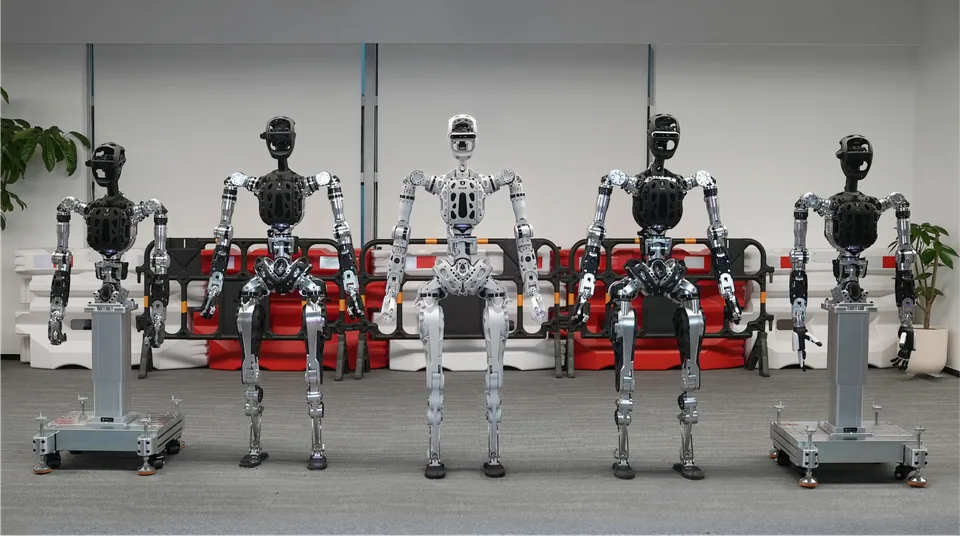
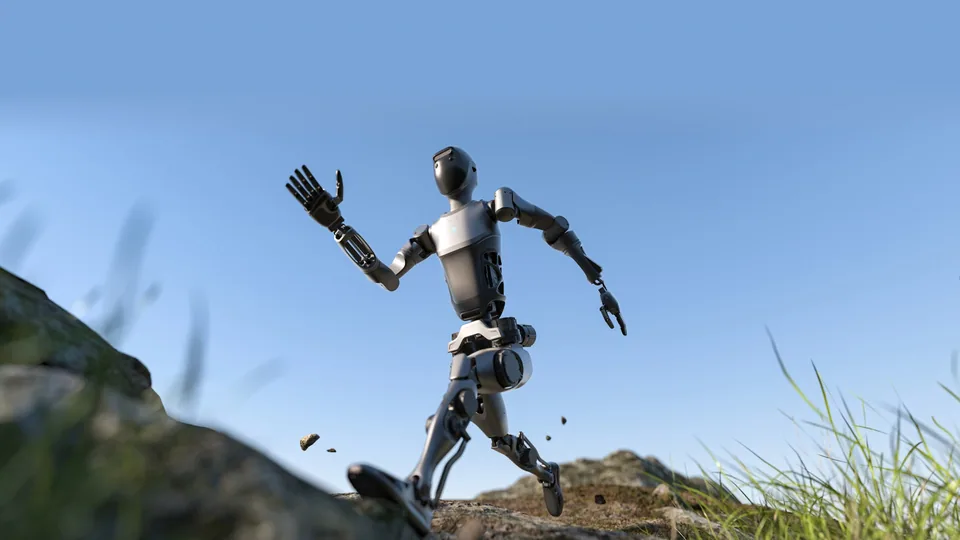
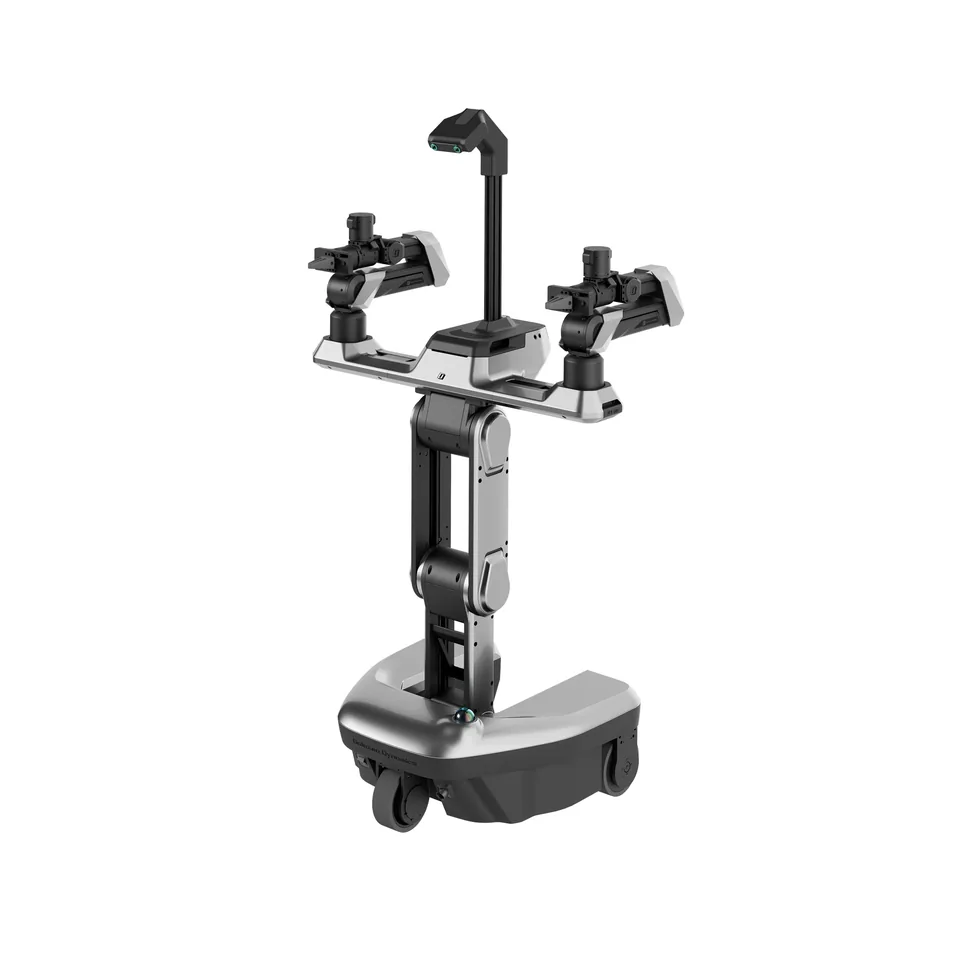
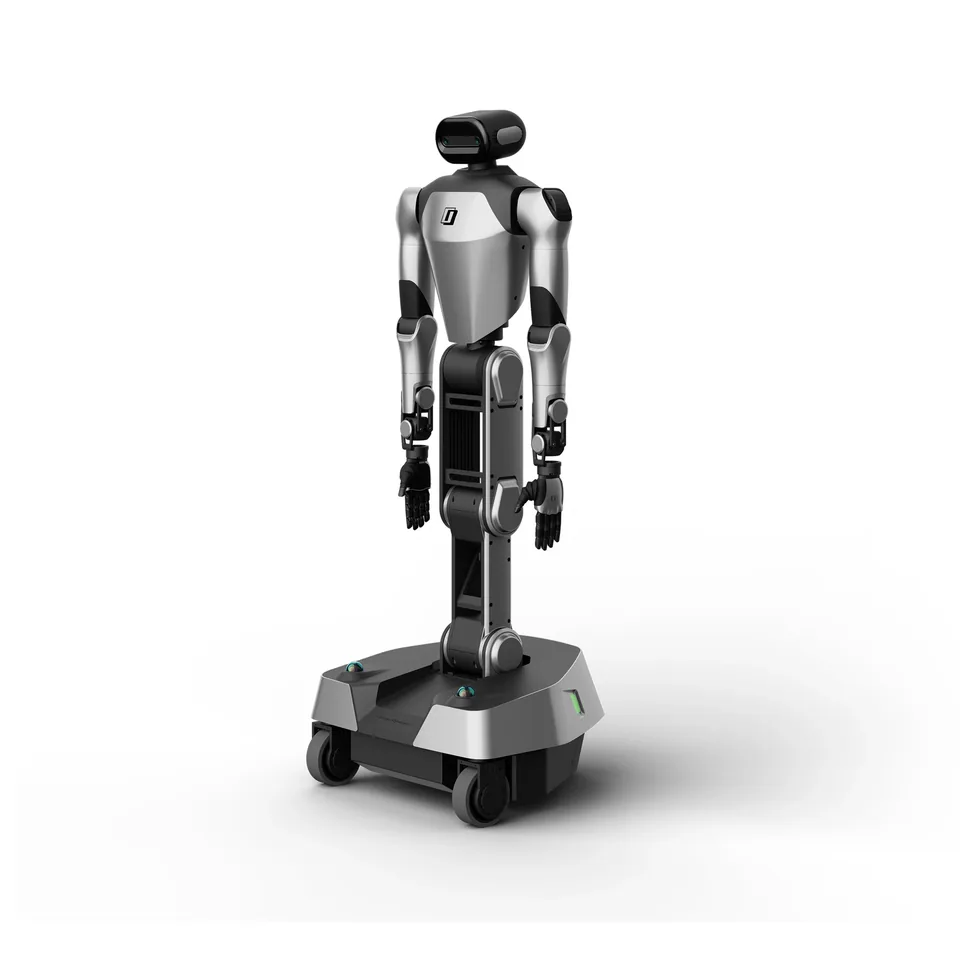
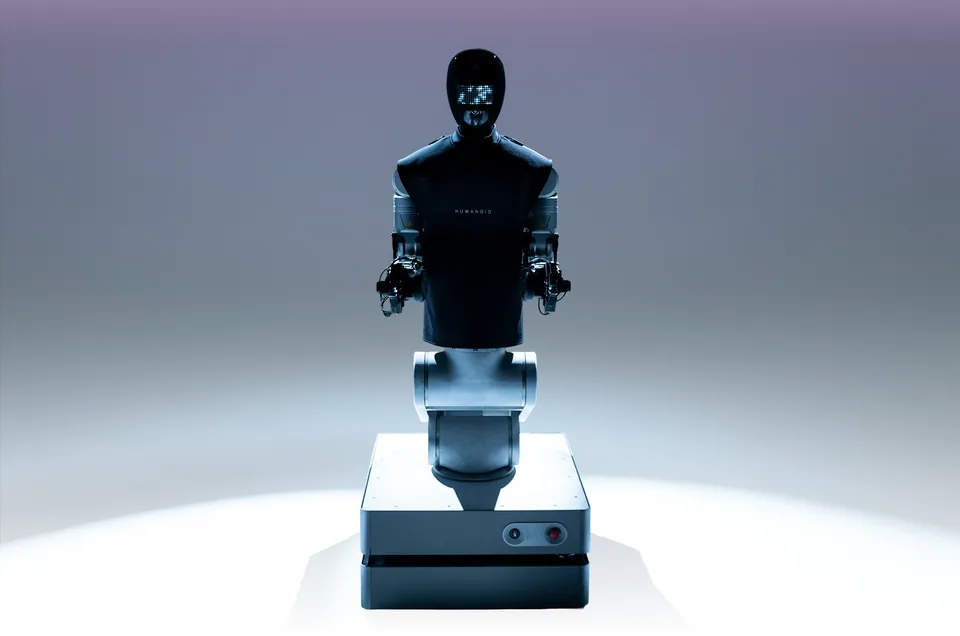
Photo: Unitree Robotics, product page (unitree.com); EngineAI Robotics, product page (en.engineai.com.cn); Neura Robotics, product page (neura-robotics.com)
No. 1 in the 2026 ranking
One of the cheaper routes to a full-size research humanoid; yes for labs, no for industry.
Showing 104 of 104 models
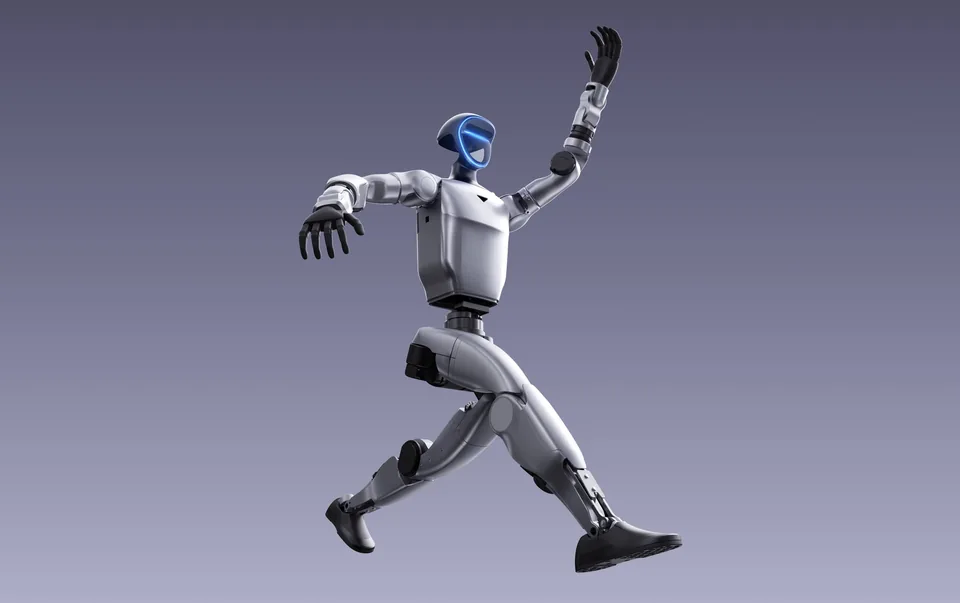
Unitree Robotics
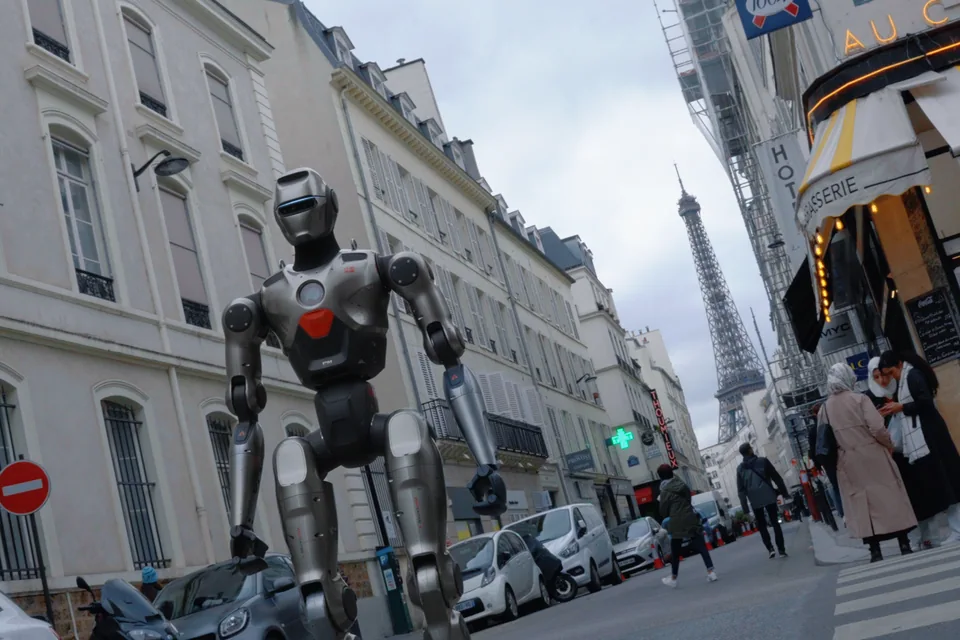
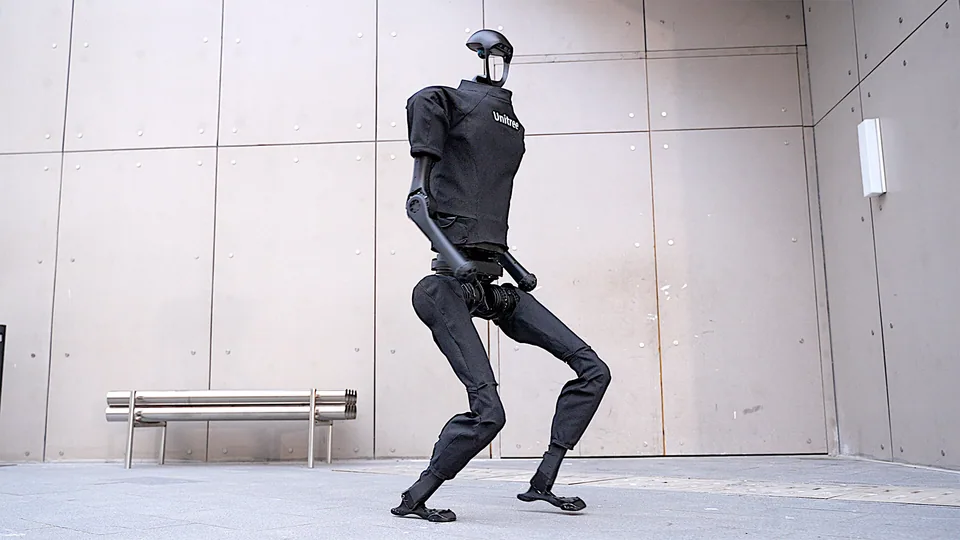


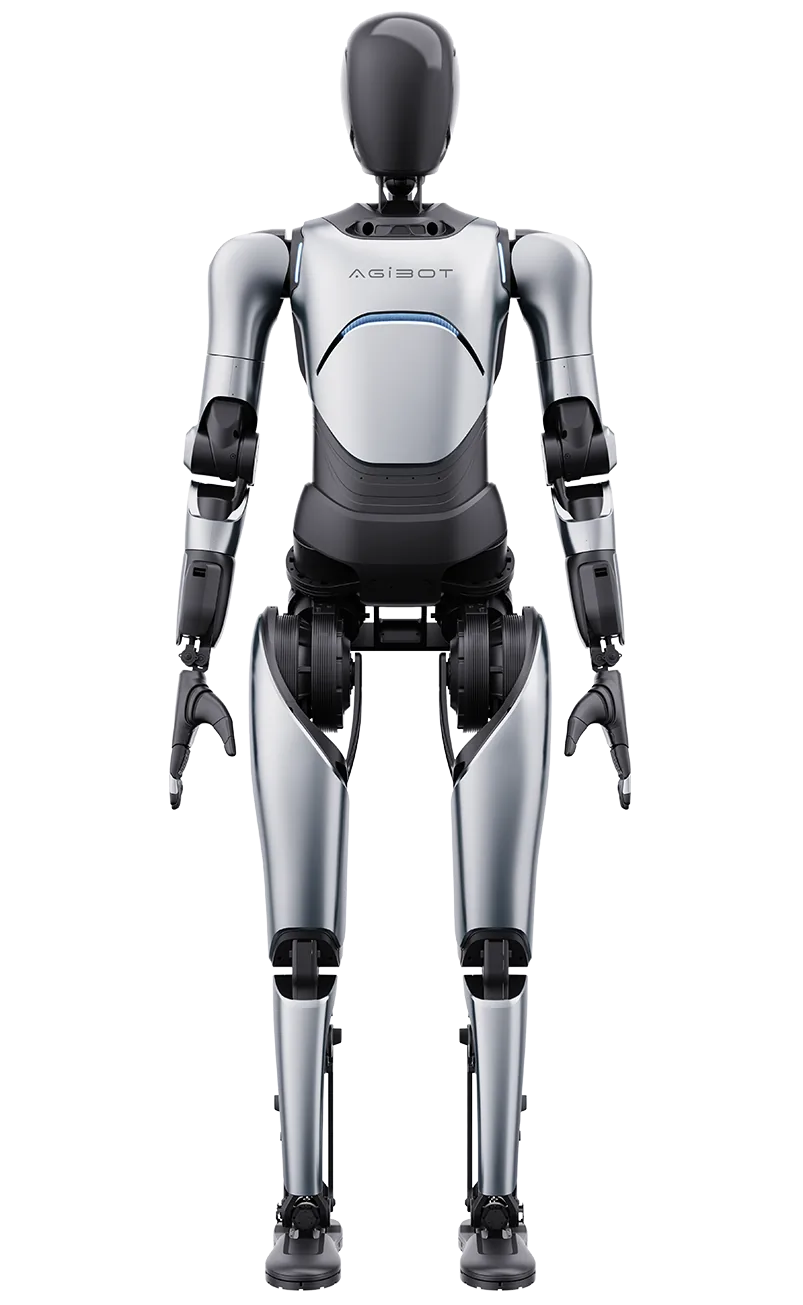



Kepler Robotics (Shanghai Kepler Exploration Robotics)


Galbot (Beijing Galaxy General Robot Co., Ltd. / Beijing Galbot Co., Ltd.)


Magiclab (Magic Atom Robotics Technology / Magiclab Robotics Technology Wuxi Co., Ltd.)
Sanctuary AI (Sanctuary Cognitive Systems Corporation)
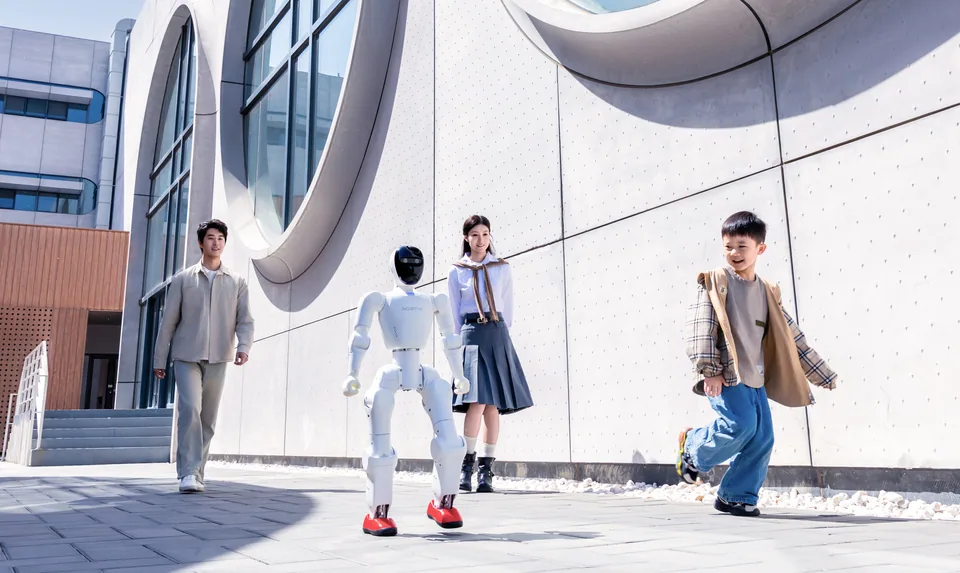
Noetix Robotics (Beijing Songyan Power Technology Group)Lowest price
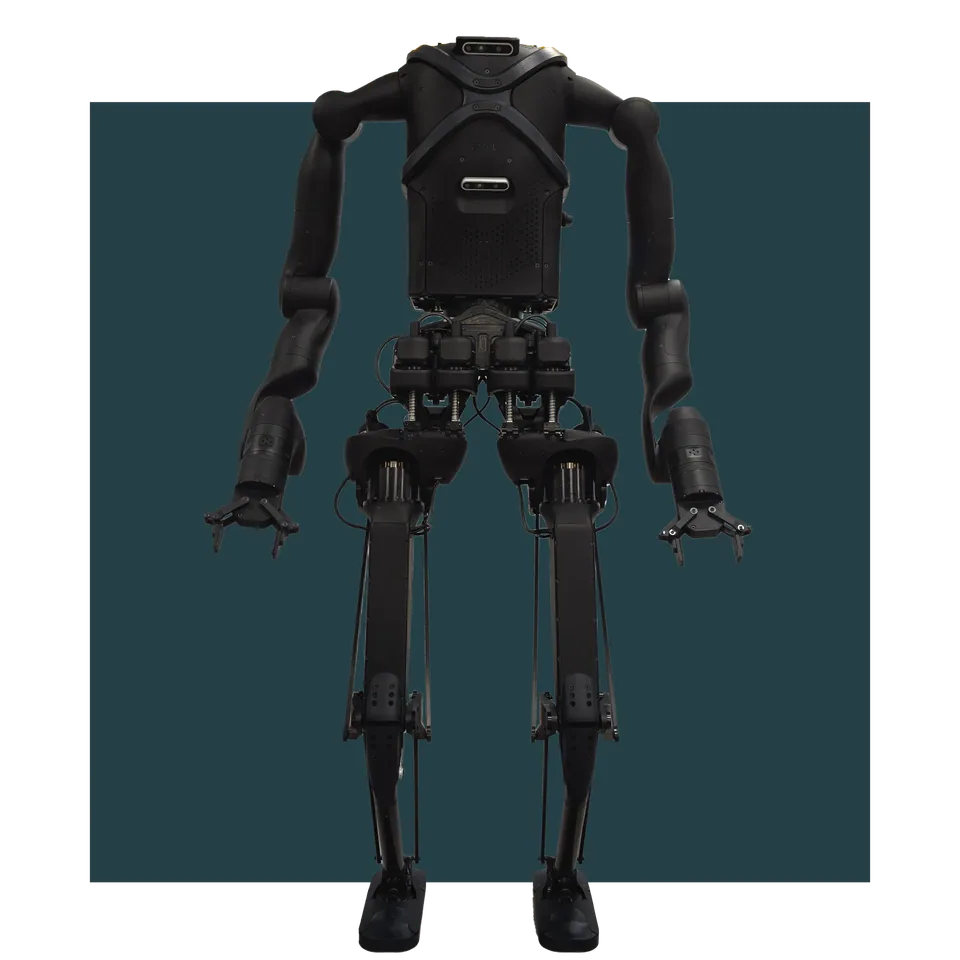
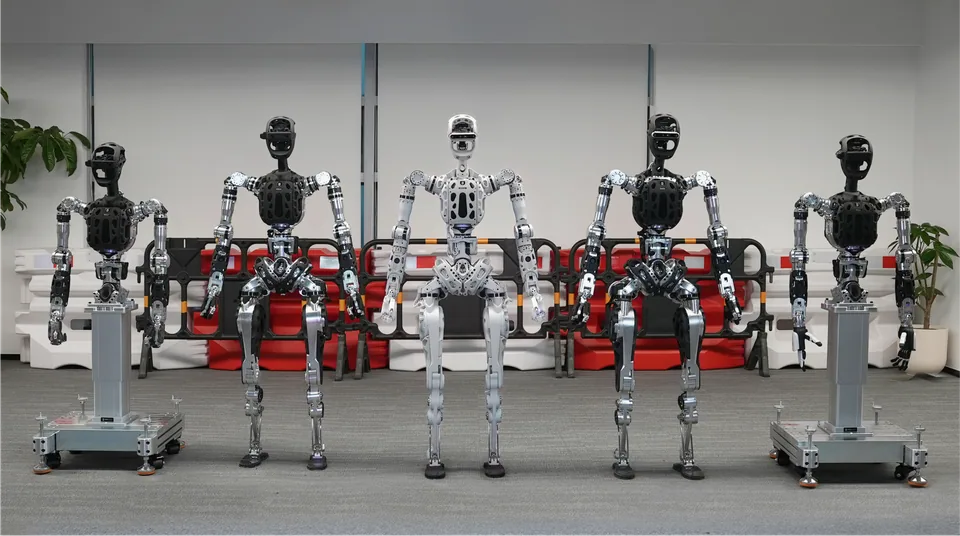
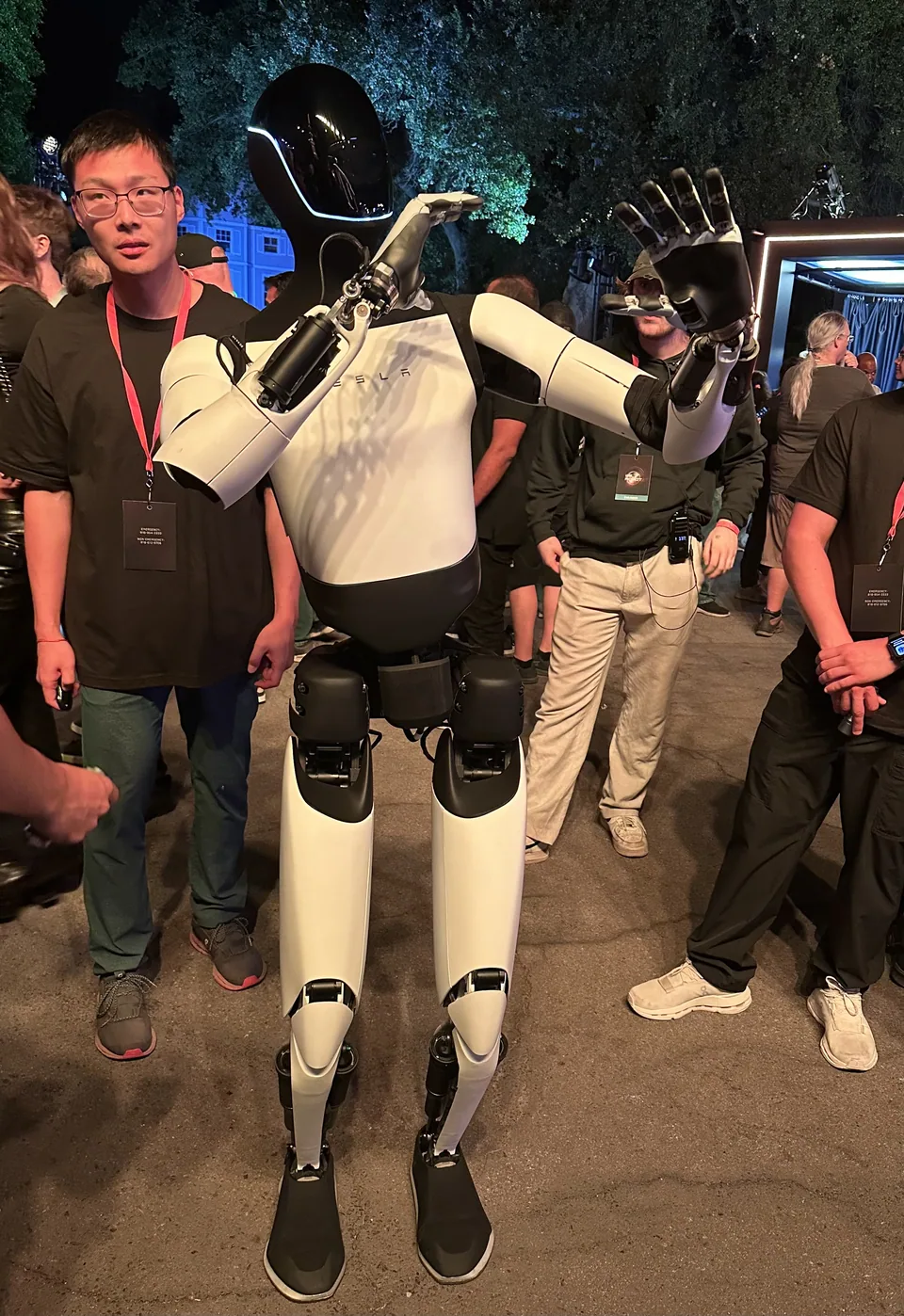
National Institute of Advanced Industrial Science and Technology (AIST)
EngineAI Robotics (Shenzhen EngineAI Robotics Technology Co.)
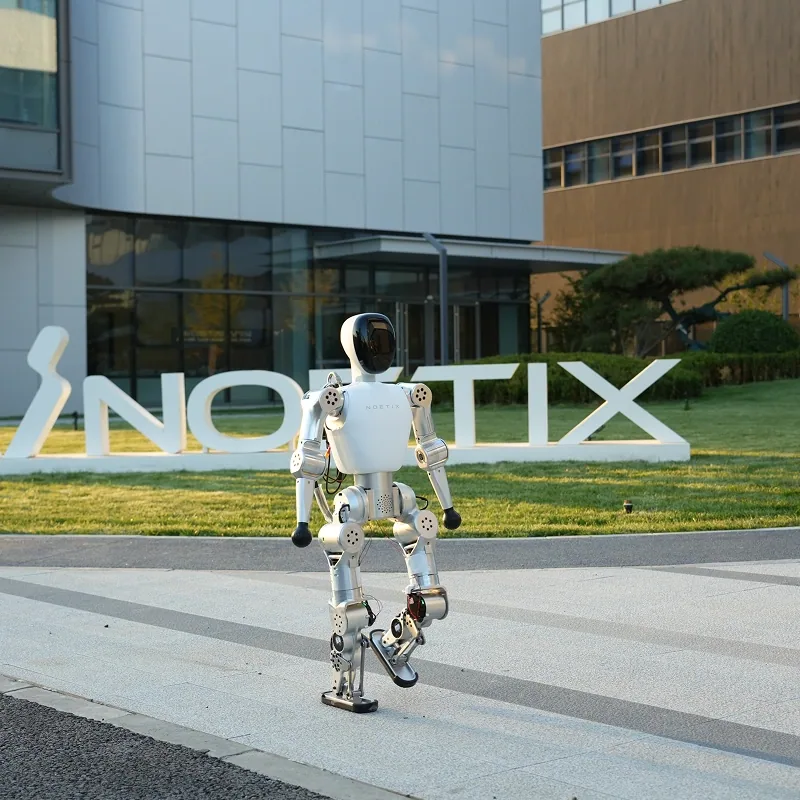
Noetix Robotics (Beijing Songyan Power Technology Group)
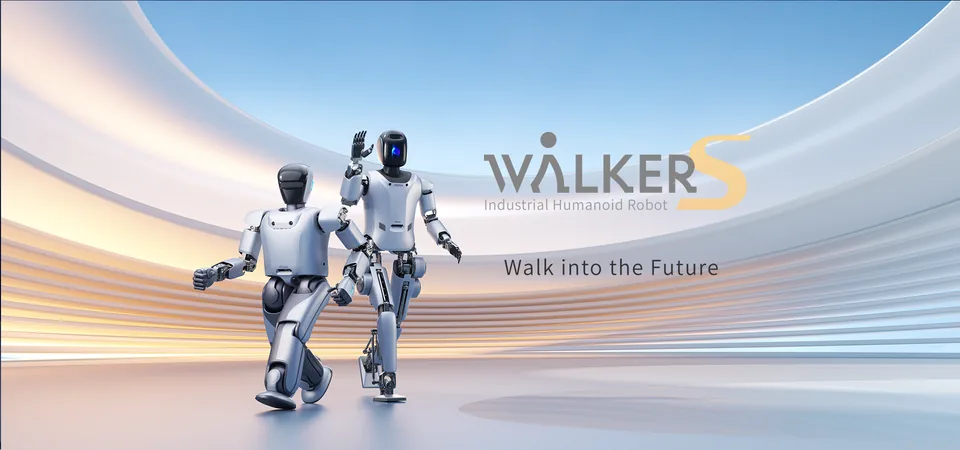
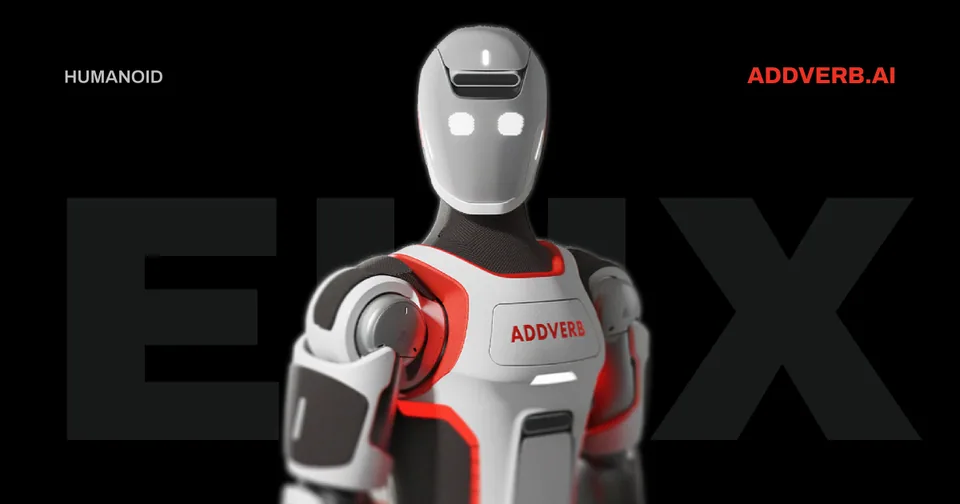
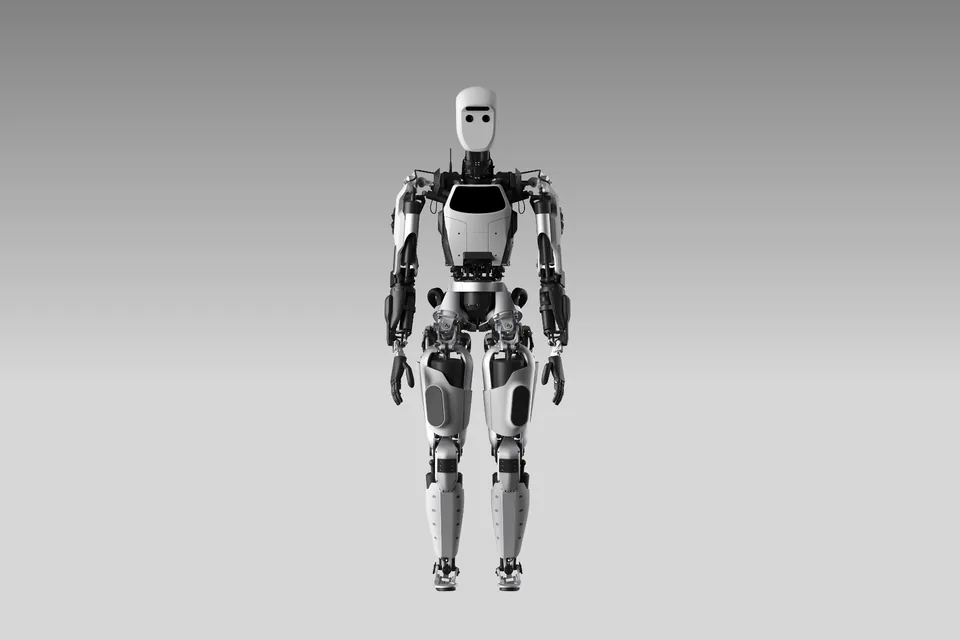
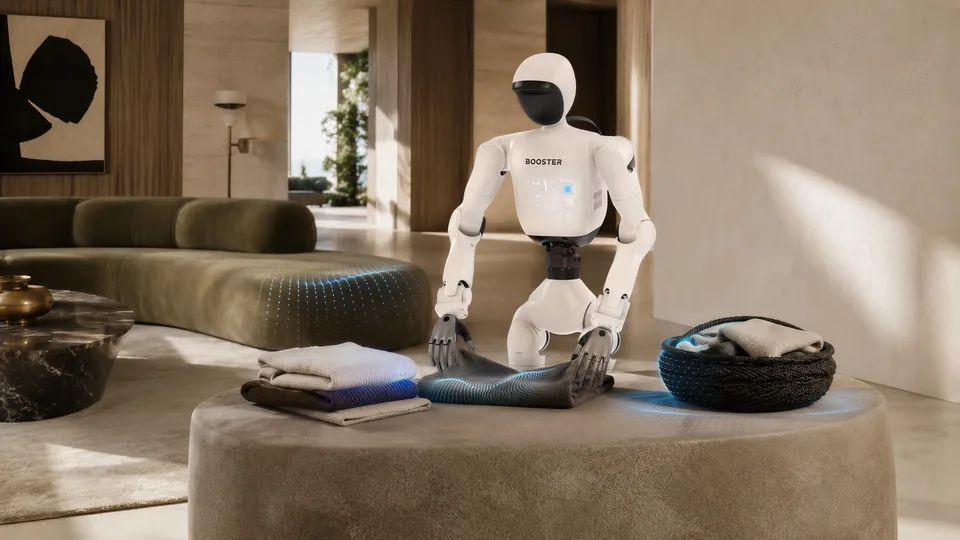
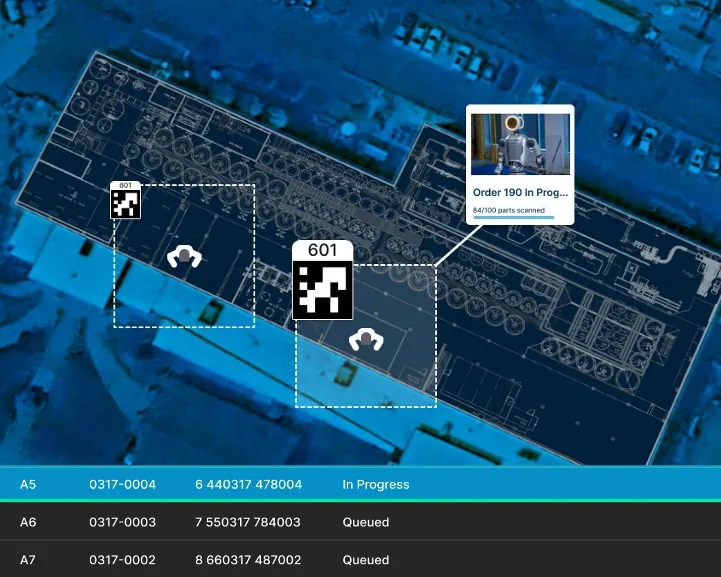
Hyundai Motor Group / Boston Dynamics (Atlas, deployment in Korea)
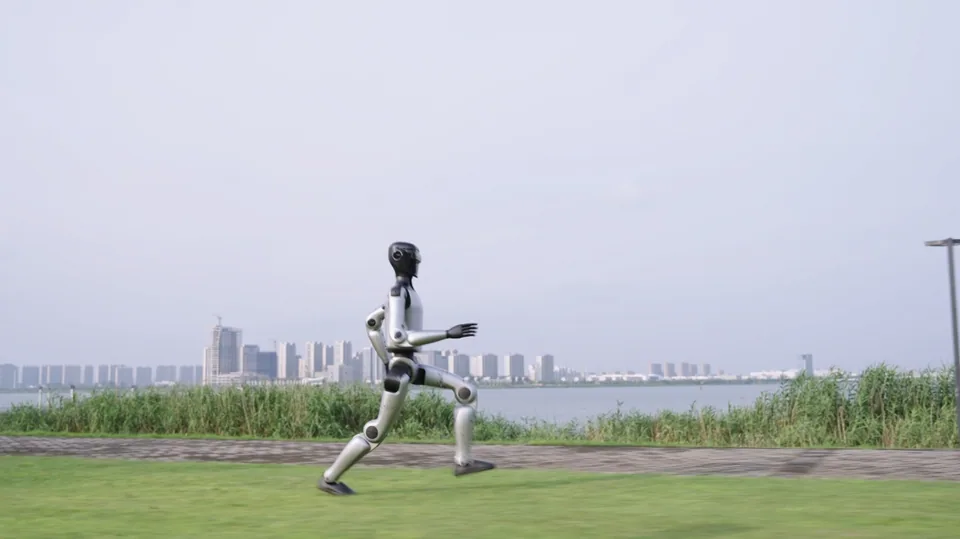
Magiclab (Magic Atom Robotics Technology / Magiclab Robotics Technology Wuxi Co., Ltd.)
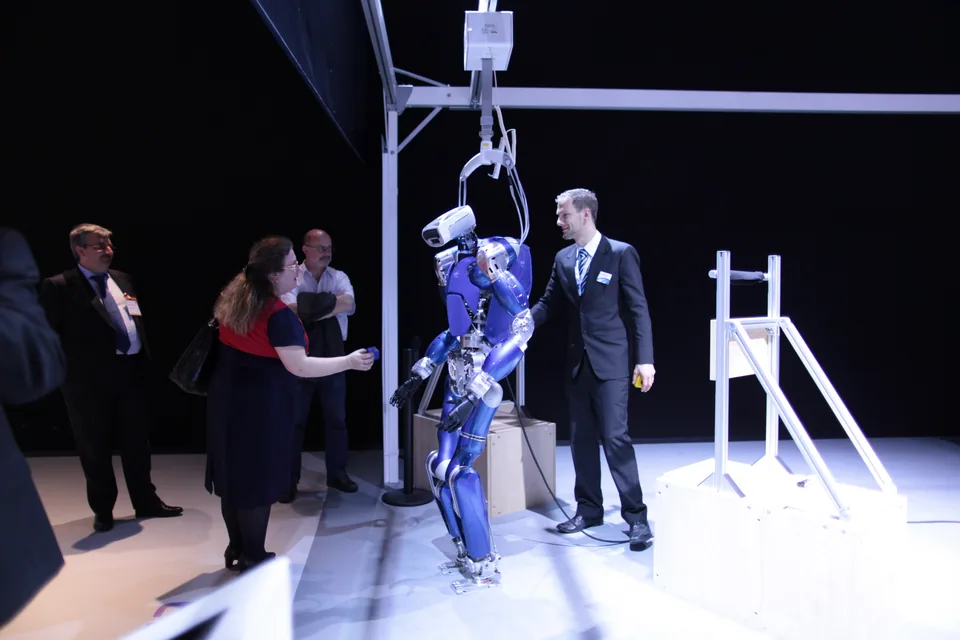
German Aerospace Center (DLR), Institute of Robotics and Mechatronics
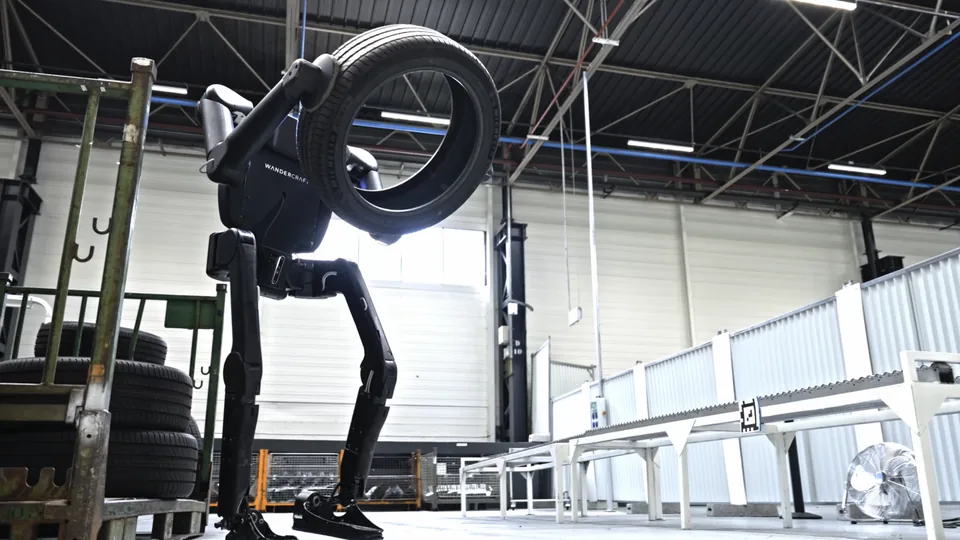
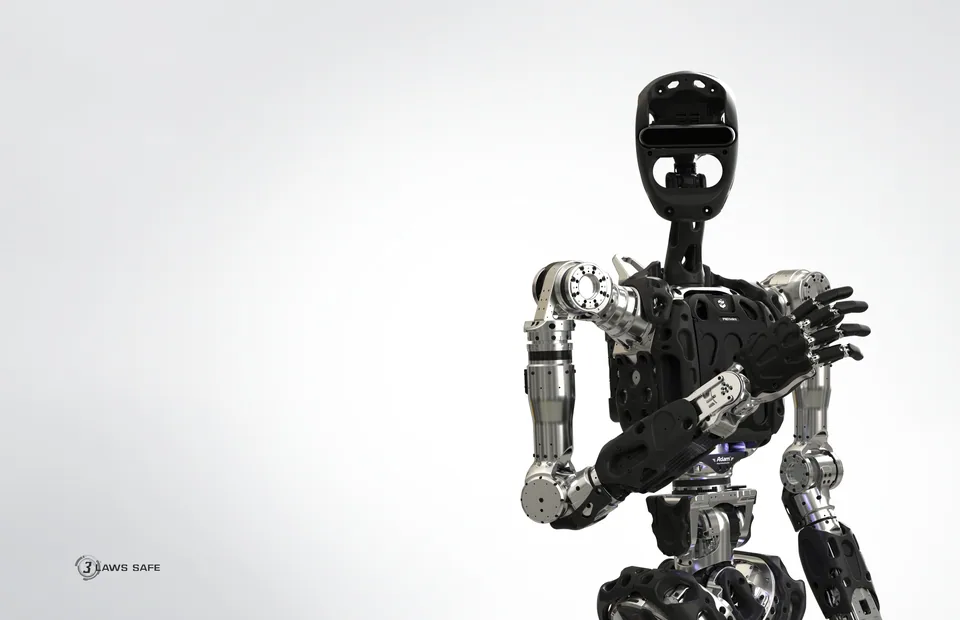
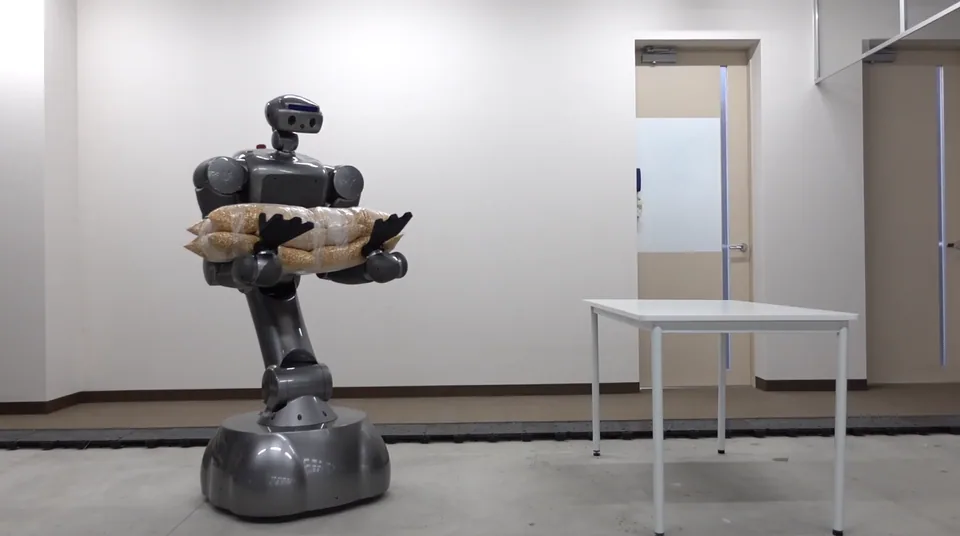
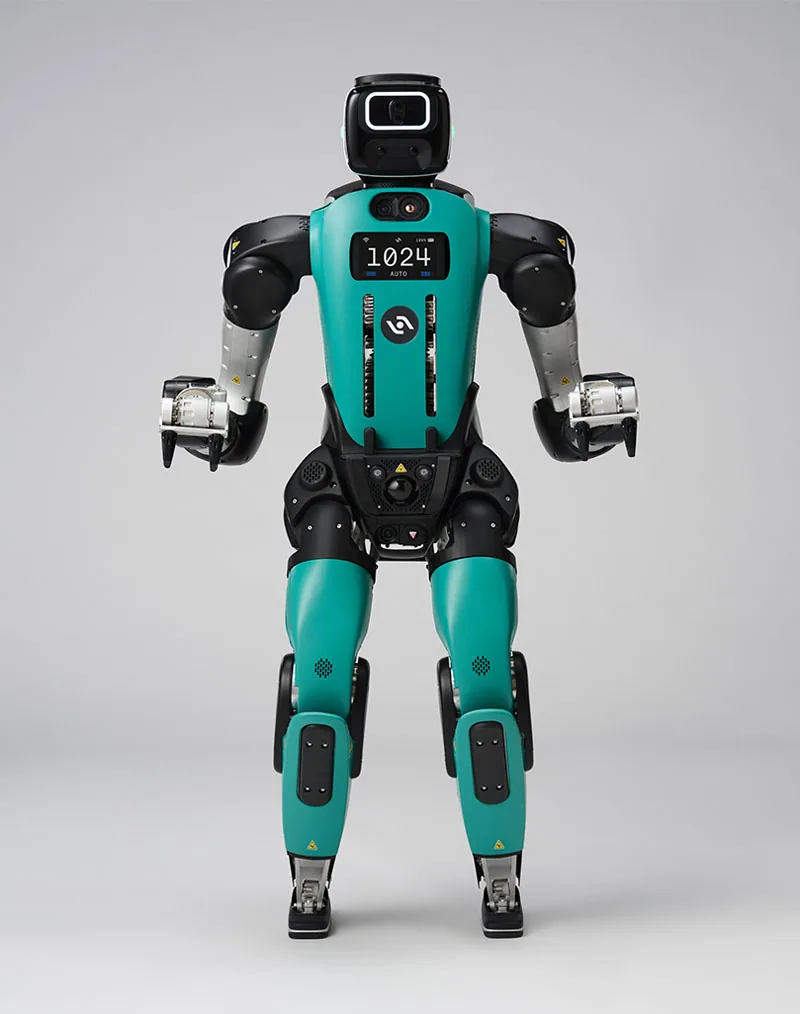
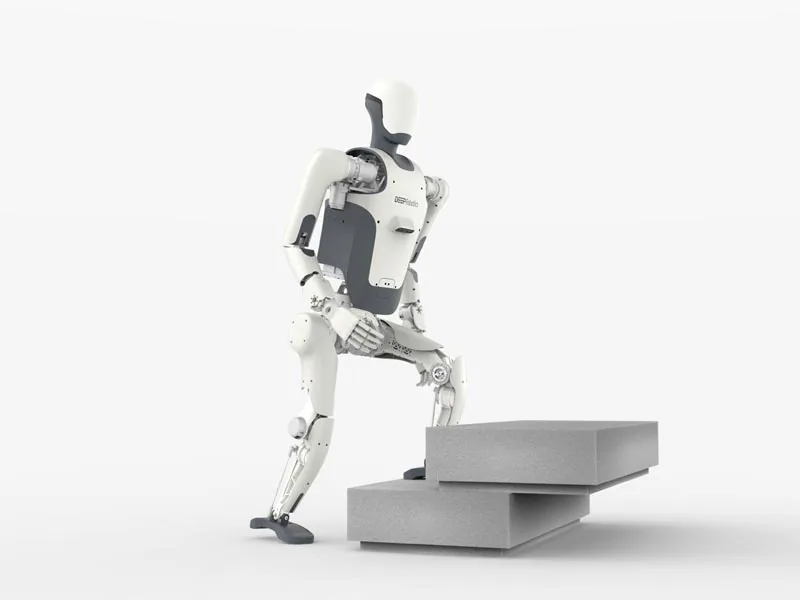
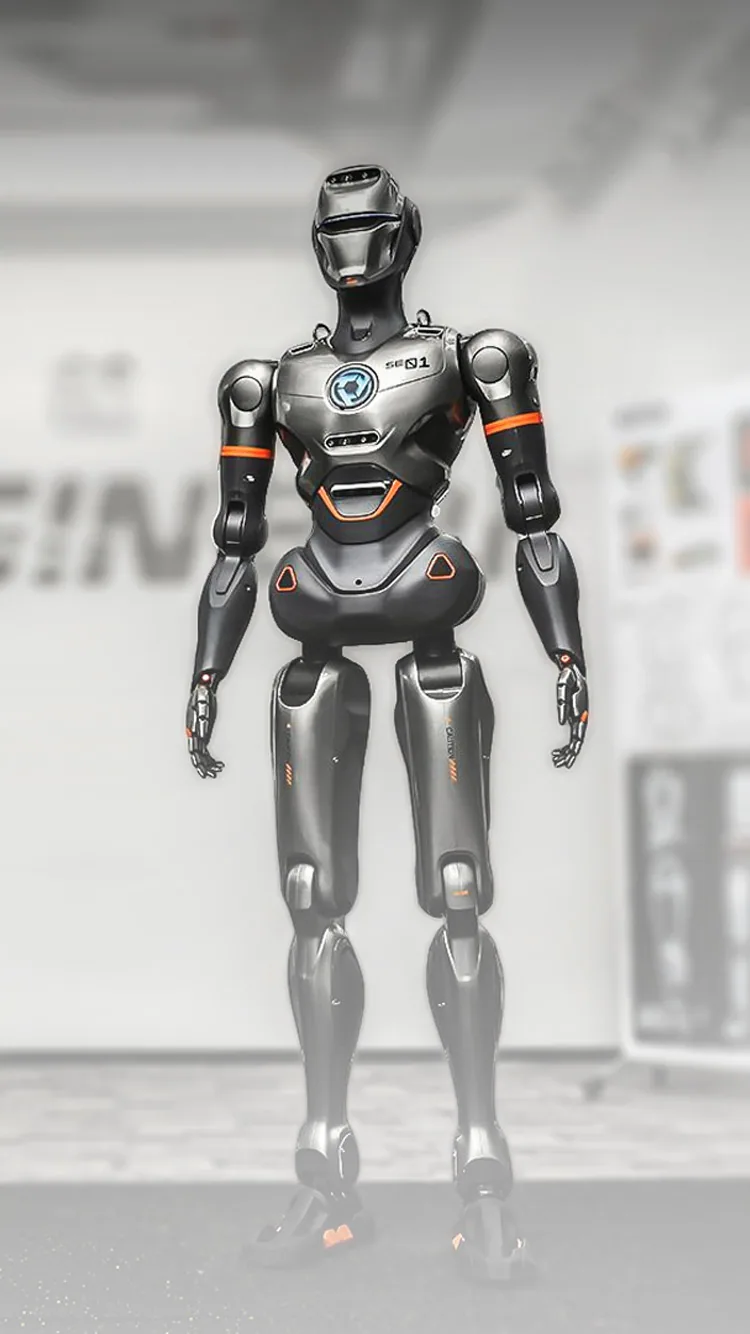
EngineAI Robotics (Shenzhen EngineAI Robotics Technology Co.)
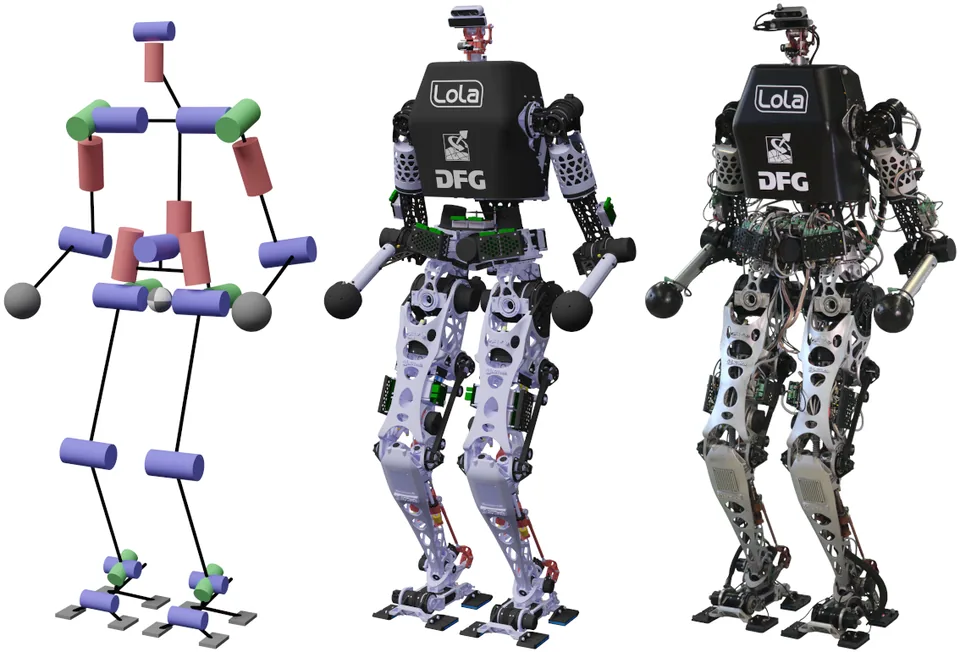
Technical University of Munich (TUM), Chair of Applied Mechanics

Massachusetts Institute of Technology (MIT Biomimetic Robotics Lab)
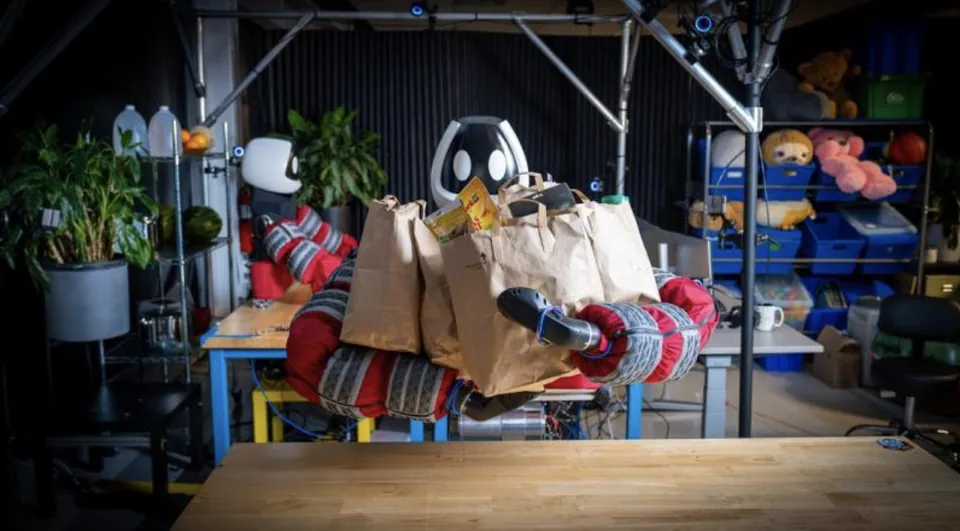
Robot Era (Beijing Xingdong Epoch Technology / Robotera)
Toyota Motor Corporation / Toyota Research Institute (TRI)
Korea Advanced Institute of Science and Technology (KAIST)
No models match the selected filters.
| Model | Manufacturer | height (cm) | payload (kg) | weight (kg) | Price (PLN) | Status | In Poland |
|---|---|---|---|---|---|---|---|
| Unitree G1 (Standard) | Unitree Robotics | 132 | 2 | 35 | 79,900 PLN (≈ EUR 18,280) | on sale | ✓ |
| EngineAI PM01 | EngineAI Robotics | 140 | — | 44.5 | 46,500 PLN* (≈ EUR 10,640) | on sale | — |
| Unitree H1 | Unitree Robotics | 180 | — | 47 | 439,000 PLN (≈ EUR 100,420) | on sale | ✓ |
| NEURA 4NE-1 Gen 3.5 | Neura Robotics | 180 | 100 | 80 | 428,900 PLN* (≈ EUR 98,110) | pre-order | — |
| Unitree R1 | Unitree Robotics | 123 | — | 29 | 41,900 PLN (≈ EUR 9,580) | on sale | ✓ |
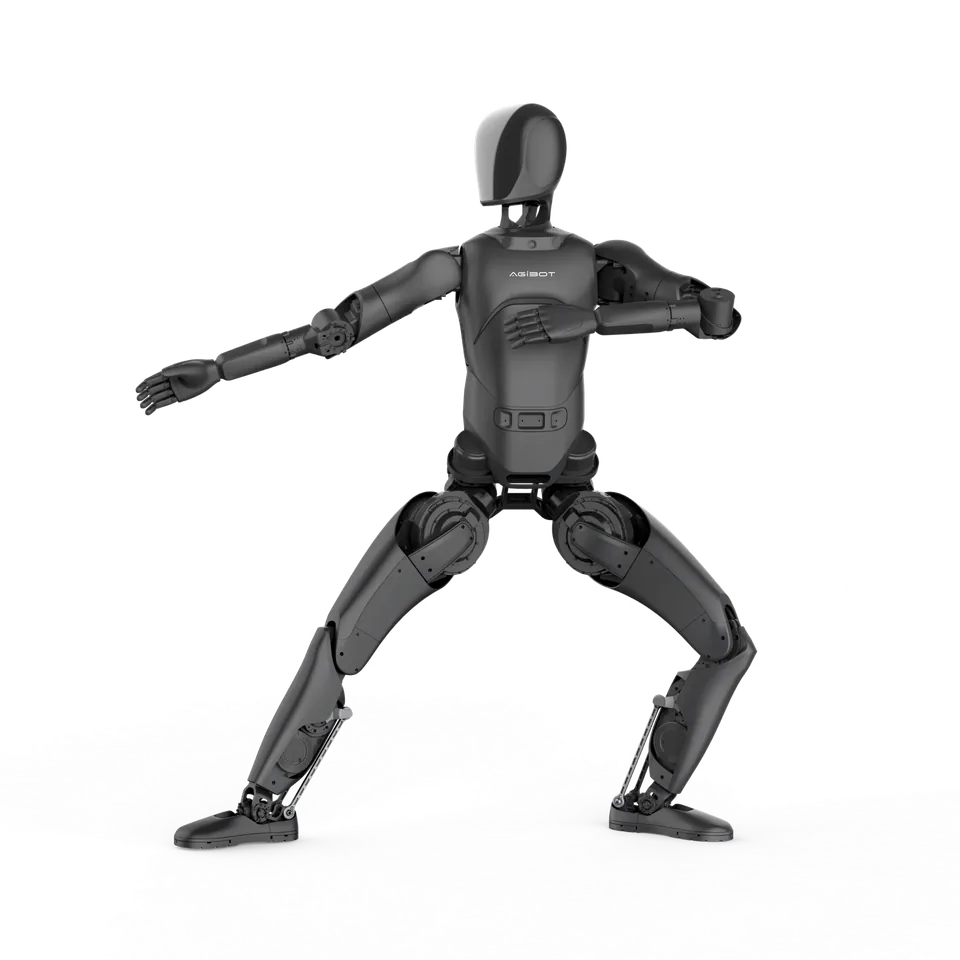
| AgiBot A2 (Yuanzheng A2) | AgiBot (Zhiyuan Robotics) | 169 | 2 | 69 | 213,200 PLN* (≈ EUR 48,770) | on sale | — |
| Atlas | Boston Dynamics | 190 | 50 | 90 | — | prototype | — |
| Booster T1 | Booster Robotics | 118 | — | 30 | 131,600 PLN* (≈ EUR 30,100) | on sale | — |
| LimX Luna | LimX Dynamics | 160 | 3 | 56 | — | on sale | — |
| NEURA 4NE-1 Mini | Neura Robotics | 132 | 3 | 36 | 87,500 PLN* (≈ EUR 20,020) | pre-order | — |
| UBTech Walker S2 | UBTECH Robotics | — | 15 | — | — | pilot | — |
| Astribot S1 | Stardust Intelligence (Astribot) | 170 | 5 | 80 | 476,800 PLN* (≈ EUR 109,070) | on sale | — |
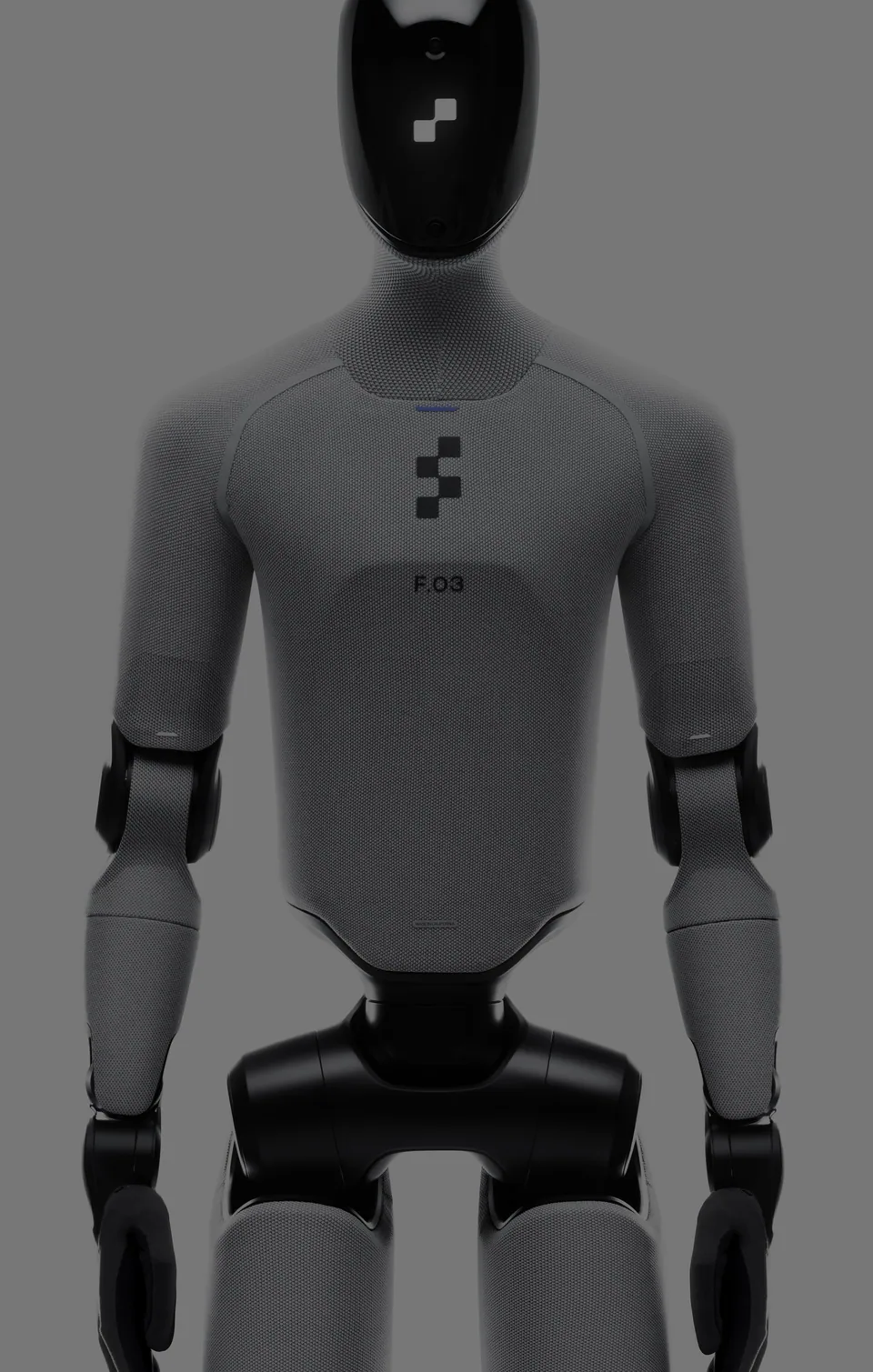
| Figure 03 | Figure AI | 172 | 20 | 61 | — | on sale | — |
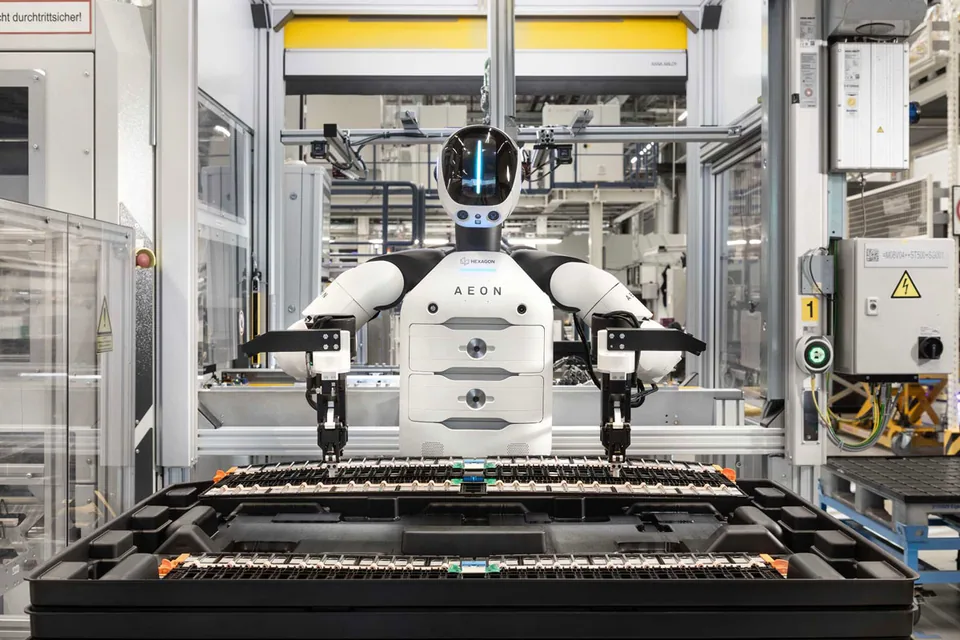
| Hexagon AEON | Hexagon AB (Hexagon Robotics) | 165 | 8 | 60 | — | pilot | — |
| Unitree G1 EDU (several configurations up to Ultimate D) | Unitree Robotics | 132 | 3 | 35 | 286,500 PLN* (≈ EUR 65,540) | on sale | ✓ |
| Agibot A2 Ultra | AgiBot (Zhiyuan Robotics) | 169 | 2 | 69 | — | on sale | — |
| Kepler Forerunner K2 | Kepler Robotics (Shanghai Kepler Exploration Robotics) | 178 | 30 | 85 | 96,900 PLN* (≈ EUR 22,170) | on sale | — |
| MenteeBot V3 | Mentee Robotics | 175 | 25 | 65 | 135,700 PLN* (≈ EUR 31,040) | prototype | — |
| Reachy 2 | Pollen Robotics (part of Hugging Face) | 151 | 3 | 50 | 271,300 PLN* (≈ EUR 62,060) | on sale | — |
| Unitree R1 Air | Unitree Robotics | 123 | — | 25 | 19,000 PLN* (≈ EUR 4,350) | on sale | ✓ |
| Unitree R1 EDU | Unitree Robotics | 123 | — | 25 | 40,700 PLN* (≈ EUR 9,310) | on sale | ✓ |
| Galbot G1 | Galbot (Beijing Galaxy General Robot Co., Ltd. / Beijing Galbot Co., Ltd.) | 173 | 10 | 92.5 | — | prototype | — |
| LimX Dynamics TRON 1 | LimX Dynamics | 84.5 | 10 | 20 | — | on sale | — |
| Unitree H2 | Unitree Robotics | 180 | — | 70 | 219,900 PLN (≈ EUR 50,300) | on sale | ✓ |
| AgiBot Lingxi X2 | AgiBot (Zhiyuan Robotics) | 130 | 3 | 35 | 53,500 PLN* (≈ EUR 12,240) | on sale | — |
| Booster K1 | Booster Robotics | 95 | — | 19.5 | 48,500 PLN* (≈ EUR 11,090) | on sale | — |
| Clone Alpha | Clone Robotics | — | — | — | — | prototype | — |
| DEEP Robotics DR02 | DEEP Robotics (Hangzhou Deep Robotics) | 175 | 10 | 65 | — | prototype | — |
| MagicLab MagicBot Gen1 | Magiclab (Magic Atom Robotics Technology / Magiclab Robotics Technology Wuxi Co., Ltd.) | 174 | 15 | 70 | — | on sale | — |
| PNDbotics Adam SP | PNDbotics | 167 | 5 | 62 | 387,600 PLN* (≈ EUR 88,660) | on sale | — |
| Pudu D9 | Pudu Robotics (Shenzhen Pudu Technology Co., Ltd.) | 170 | 20 | 65 | — | pre-order | — |
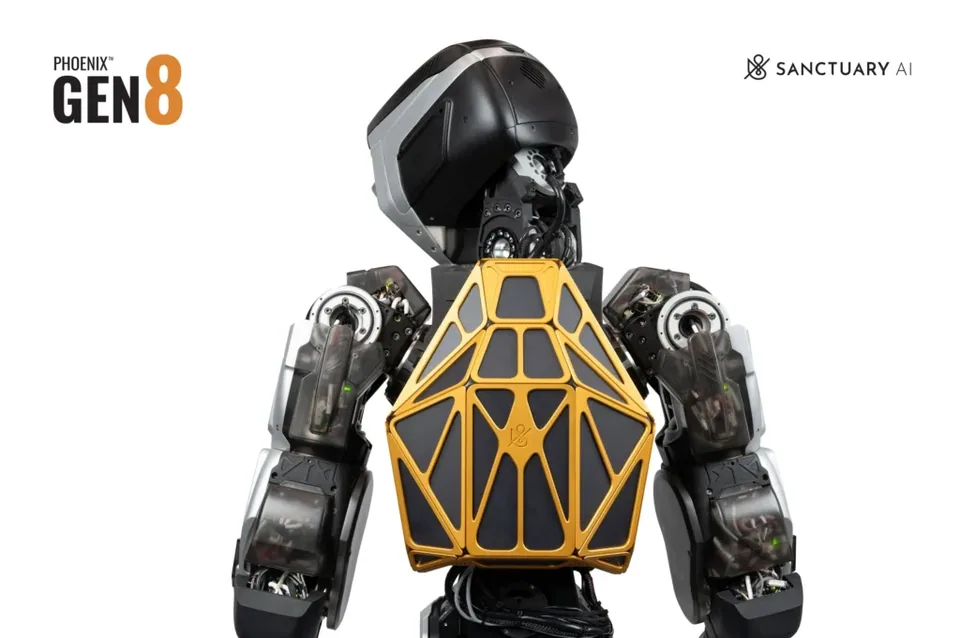
| Sanctuary AI Phoenix (Generation 8) | Sanctuary AI (Sanctuary Cognitive Systems Corporation) | 170 | 25 | 70 | — | pilot | — |
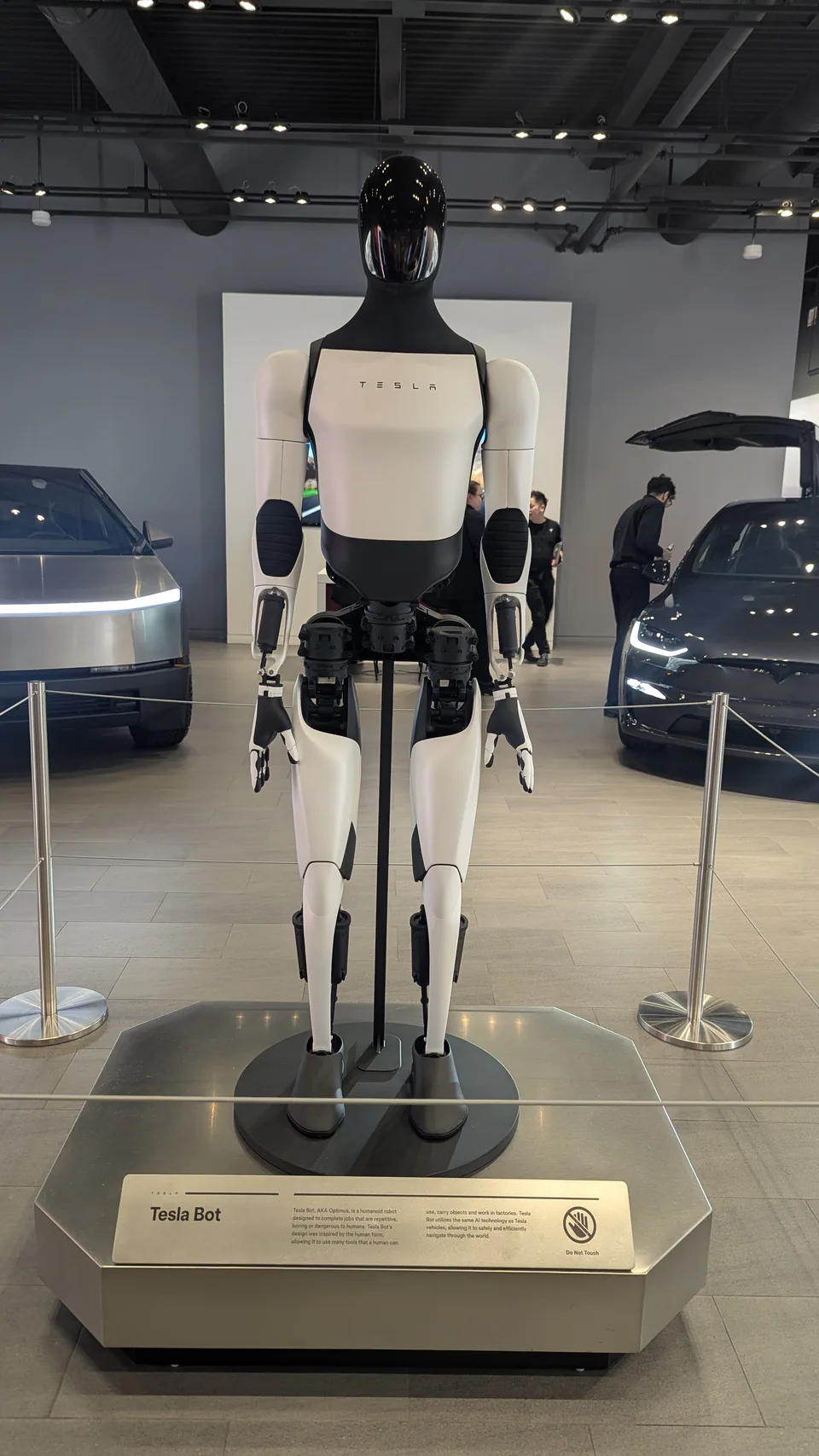
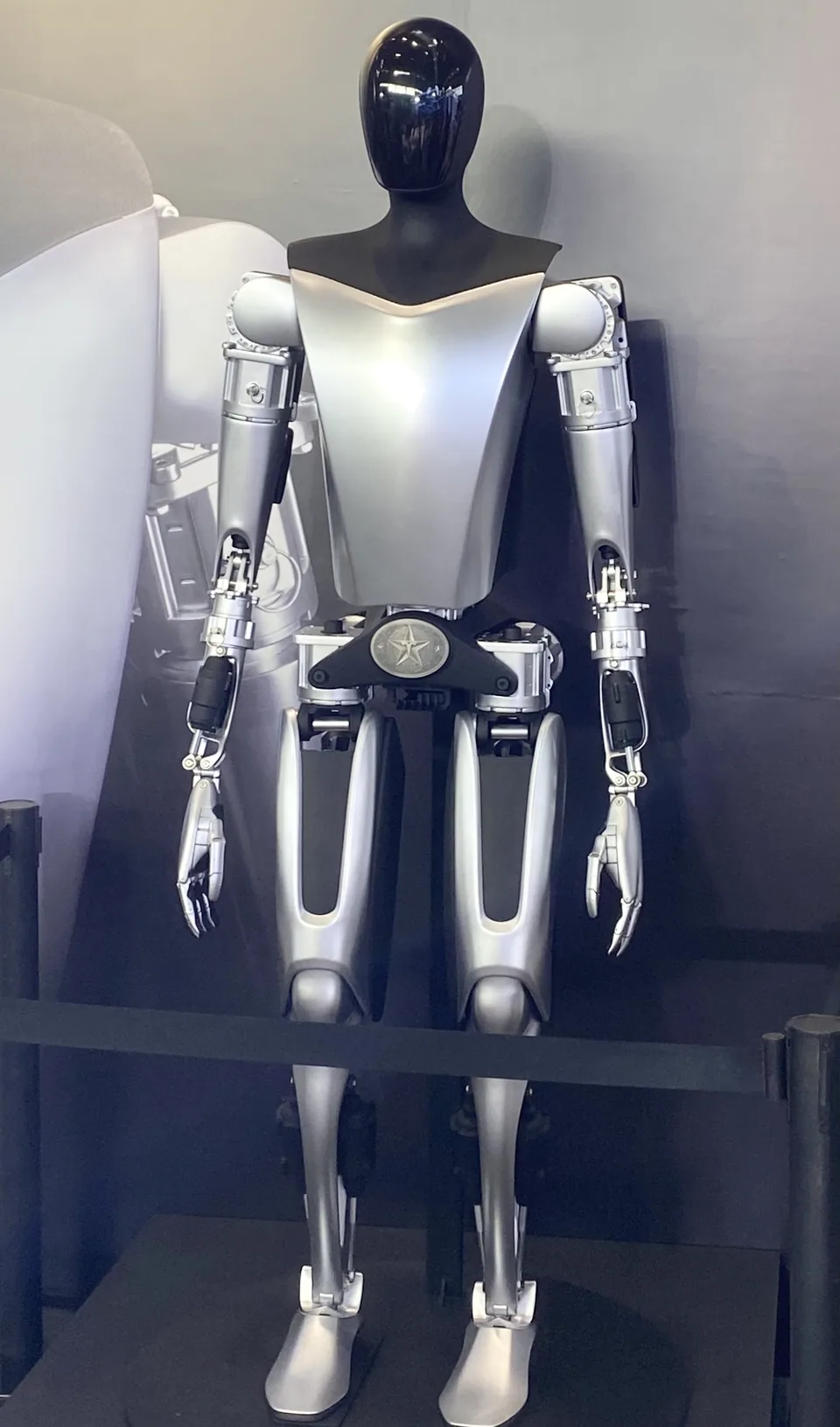
| Tesla Optimus Gen 3 | Tesla, Inc. | 173 | 20 | 57 | — | concept | — |
| AgiBot A2 Lite | AgiBot (Zhiyuan Robotics) | 169 | 1.5 | 63 | 172,700 PLN* (≈ EUR 39,500) | on sale | — |
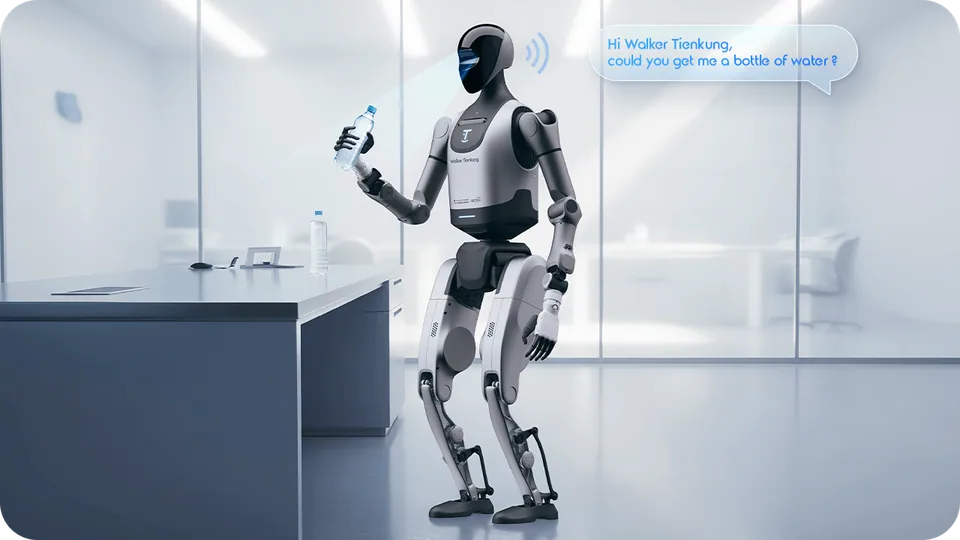
| UBTech Walker Tien Kung | UBTECH Robotics | 170 | — | — | 158,900 PLN* (≈ EUR 36,350) | pre-order | — |
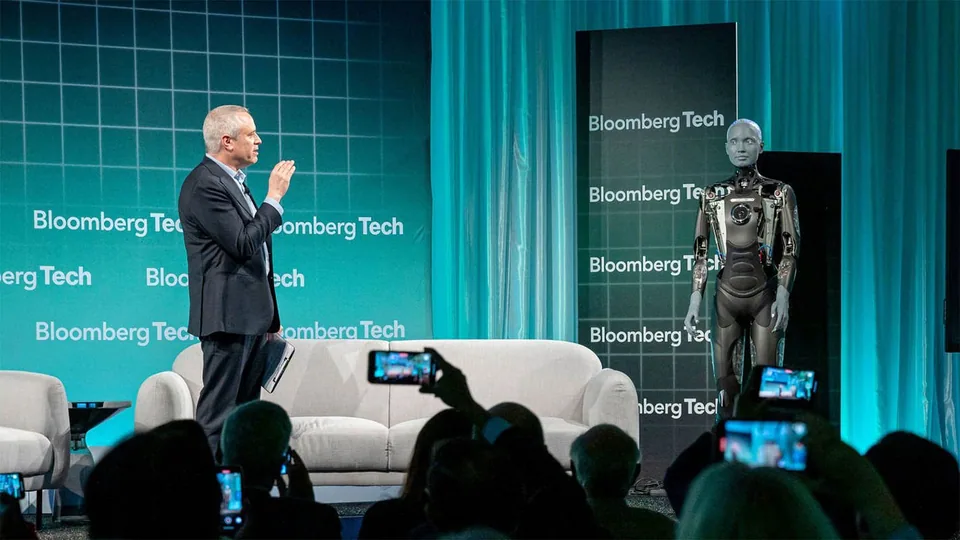
| Engineered Arts Ameca | Engineered Arts Ltd | 187 | — | 62 | — | on sale | — |
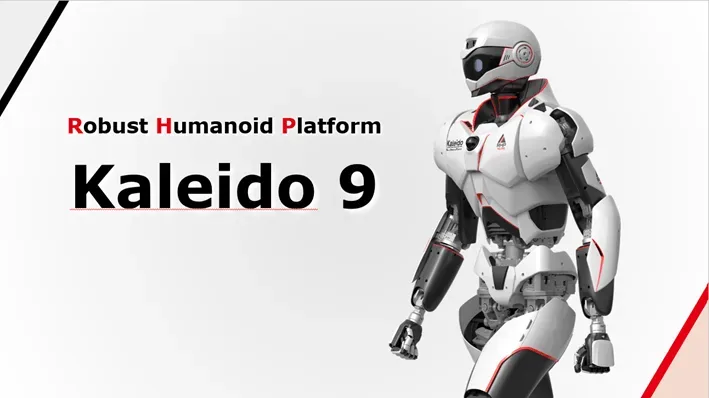
| Kawasaki Kaleido 9 | Kawasaki Heavy Industries (Robot Division) | 190 | 18 | 99 | — | prototype | — |
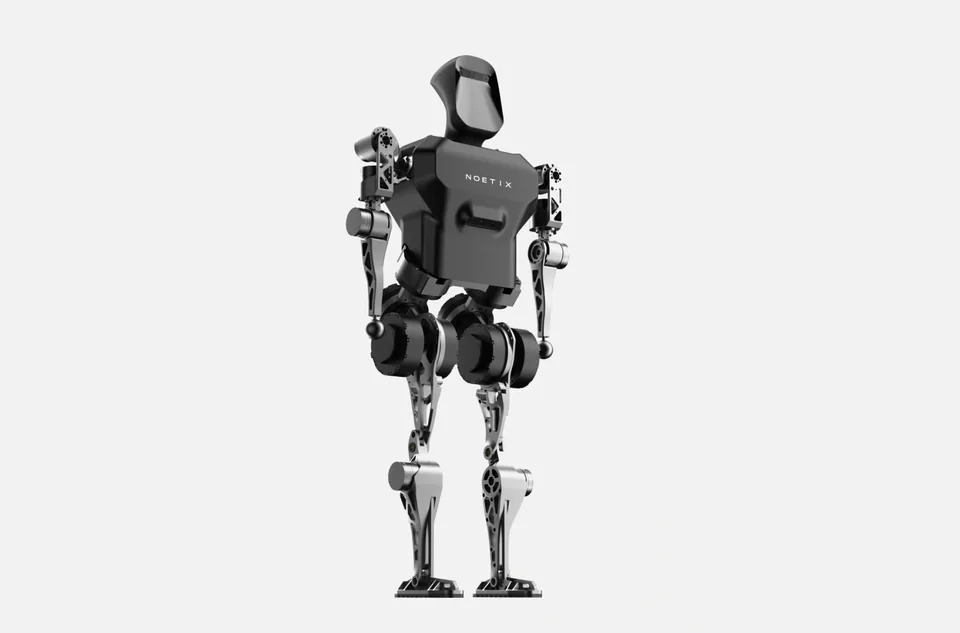
| Noetix Bumi | Noetix Robotics (Beijing Songyan Power Technology Group) | 94 | — | 12 | 5,400 PLN* (≈ EUR 1,240) | on sale | — |
| PAL Robotics Kangaroo | PAL Robotics | 160 | 7 | 58 | — | prototype | — |
| PNDbotics Adam Lite | PNDbotics | 160 | 5 | 60 | 465,100 PLN* (≈ EUR 106,390) | on sale | — |
| Tesla Optimus Gen 2 | Tesla, Inc. | 173 | 20 | 57 | 116,300 PLN* (≈ EUR 26,600) | prototype | — |
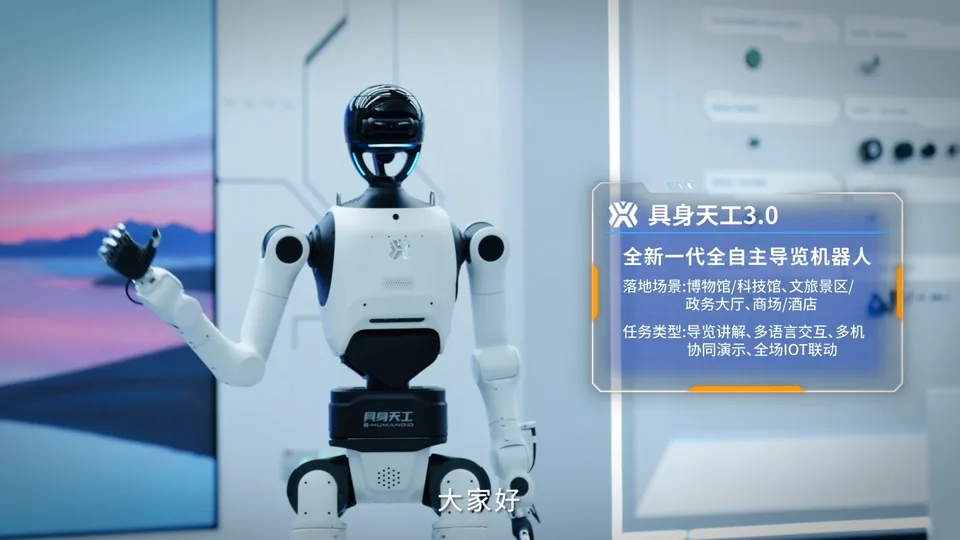
| Tiangong 3.0 | Beijing Humanoid Robot Innovation Center (X-Humanoid) | 169 | — | 62 | — | on sale | — |
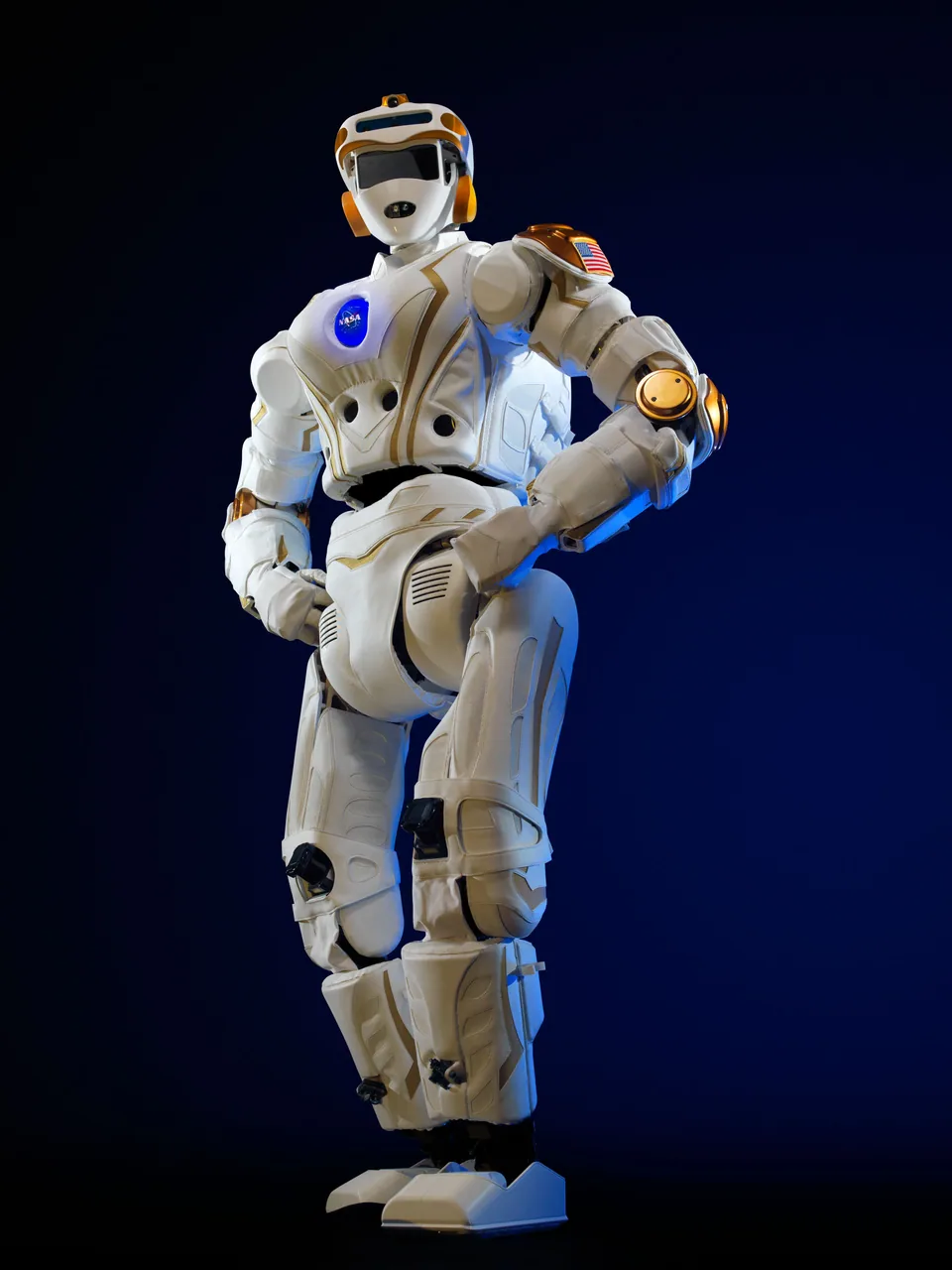
| Valkyrie (R5) | NASA (Johnson Space Center Robotics) | 187 | — | 136 | — | prototype | — |
| XPeng IRON | XPeng Robotics | 178 | — | — | — | prototype | — |
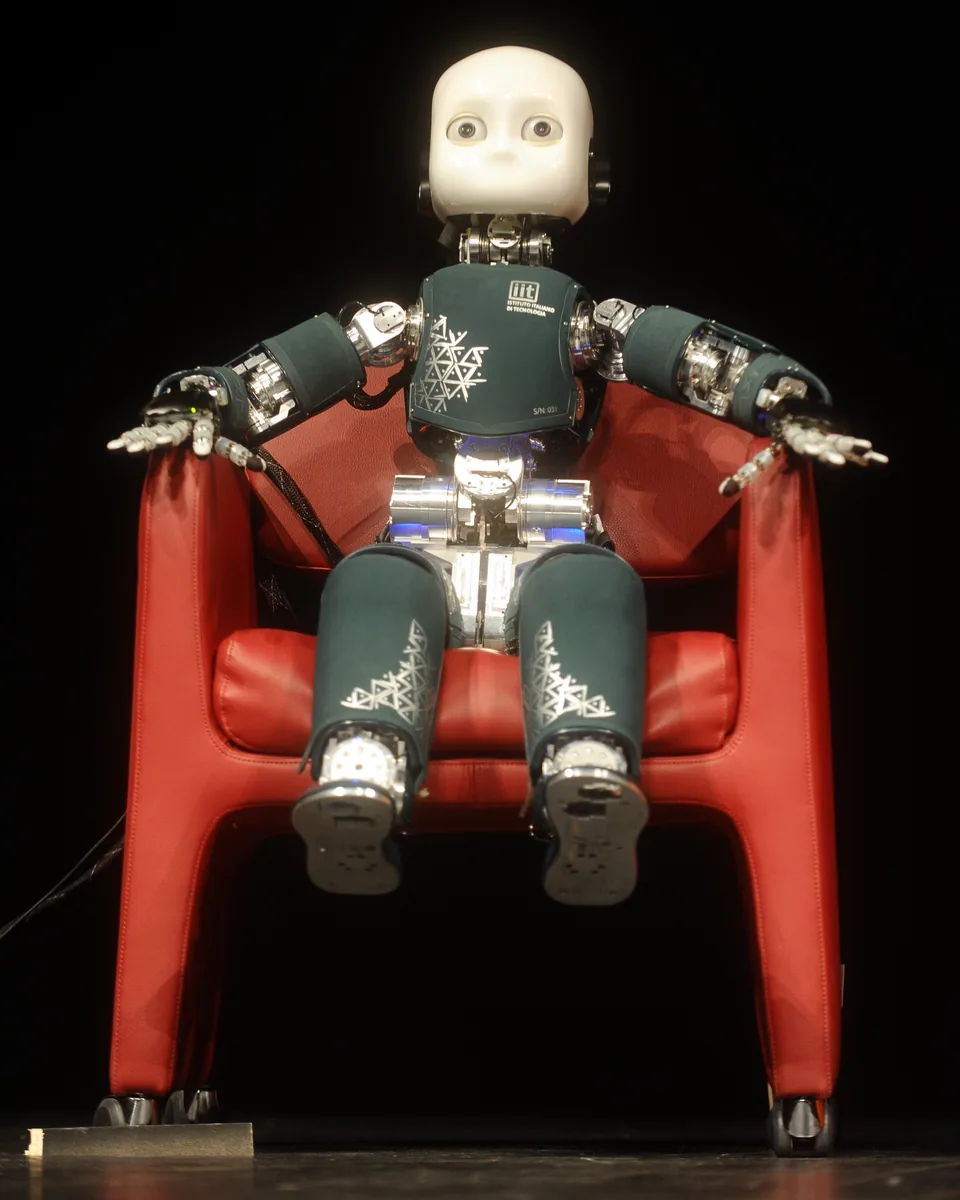
| iCub | Istituto Italiano di Tecnologia (IIT) | 104 | — | 22 | 1,094,200 PLN* (≈ EUR 250,300) | on sale | — |
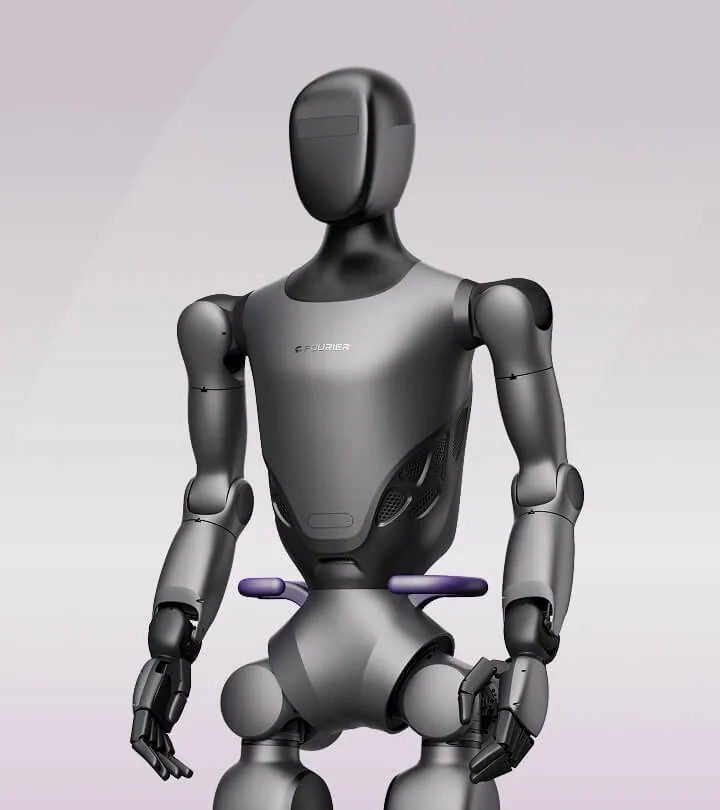
| Fourier GR-3 | Fourier Intelligence | 165 | — | 71 | — | on sale | — |
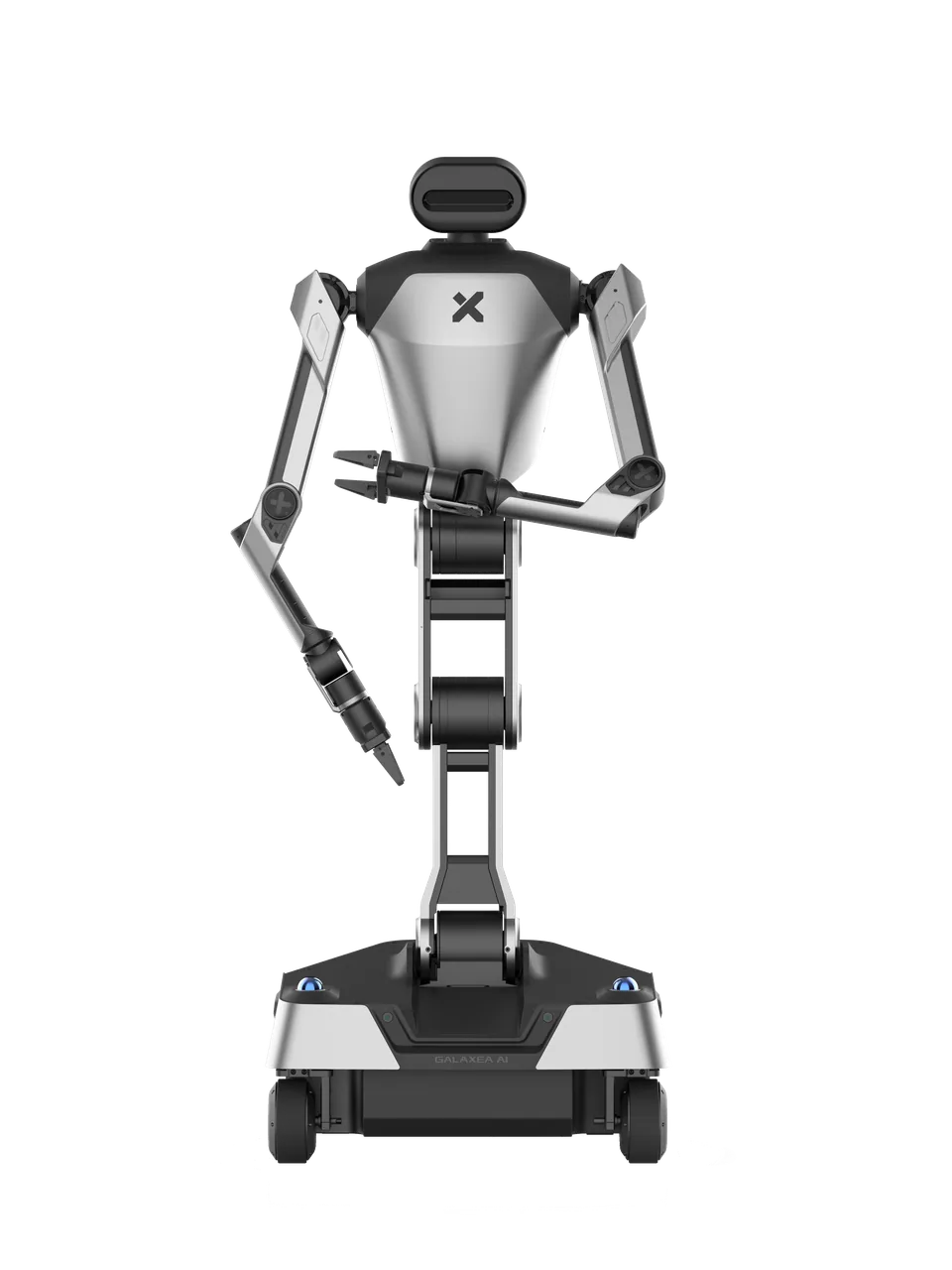
| Galaxea R1 | Galaxea AI (Galaxea Dynamics) | 200 | 5 | — | — | on sale | — |
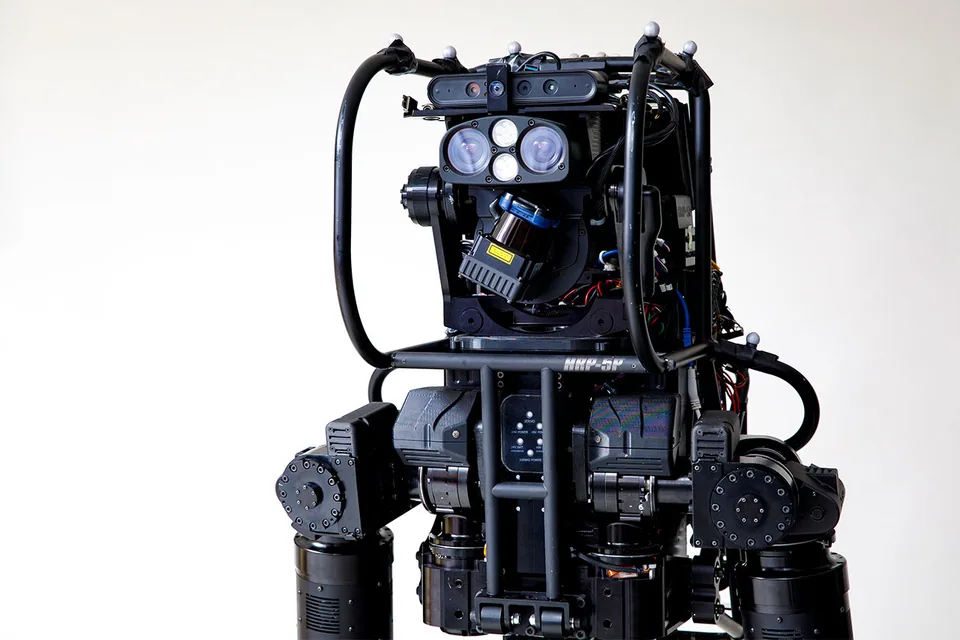
| HRP-5P | National Institute of Advanced Industrial Science and Technology (AIST) | 182 | 13 | 101 | — | prototype | — |
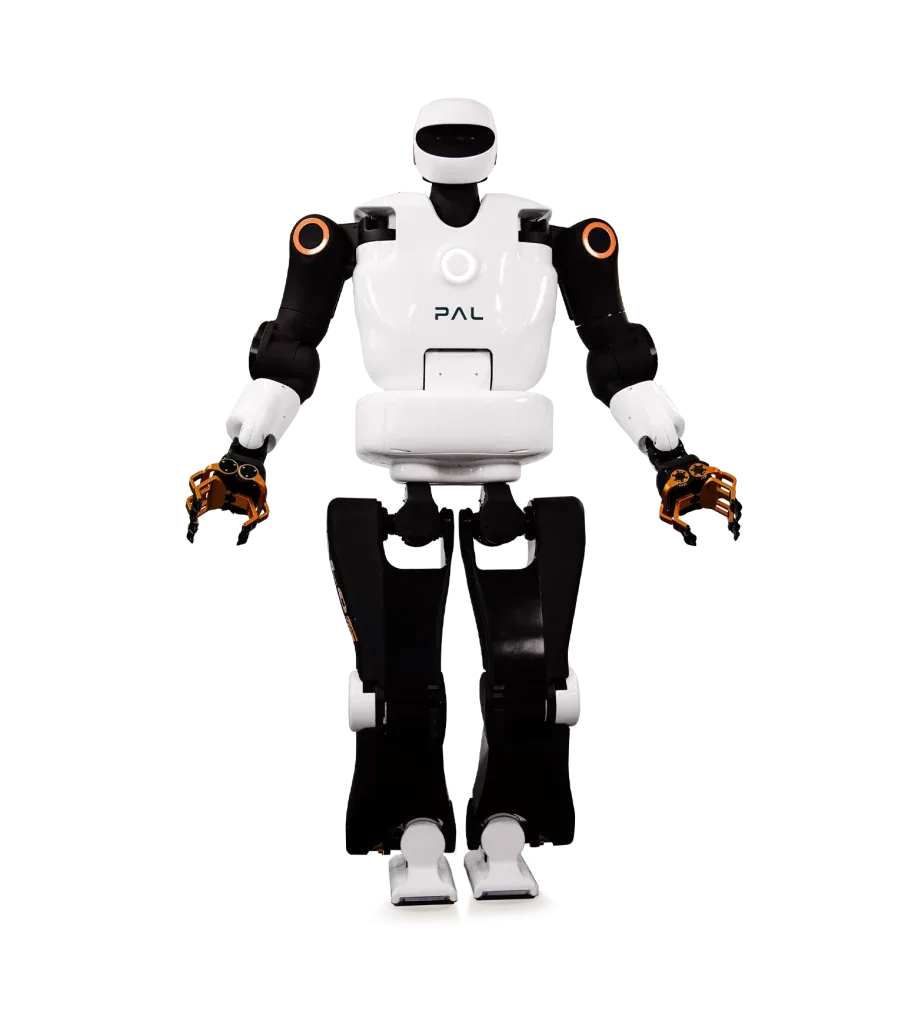
| PAL Robotics TALOS | PAL Robotics | 175 | 6 | 95 | — | on sale | — |
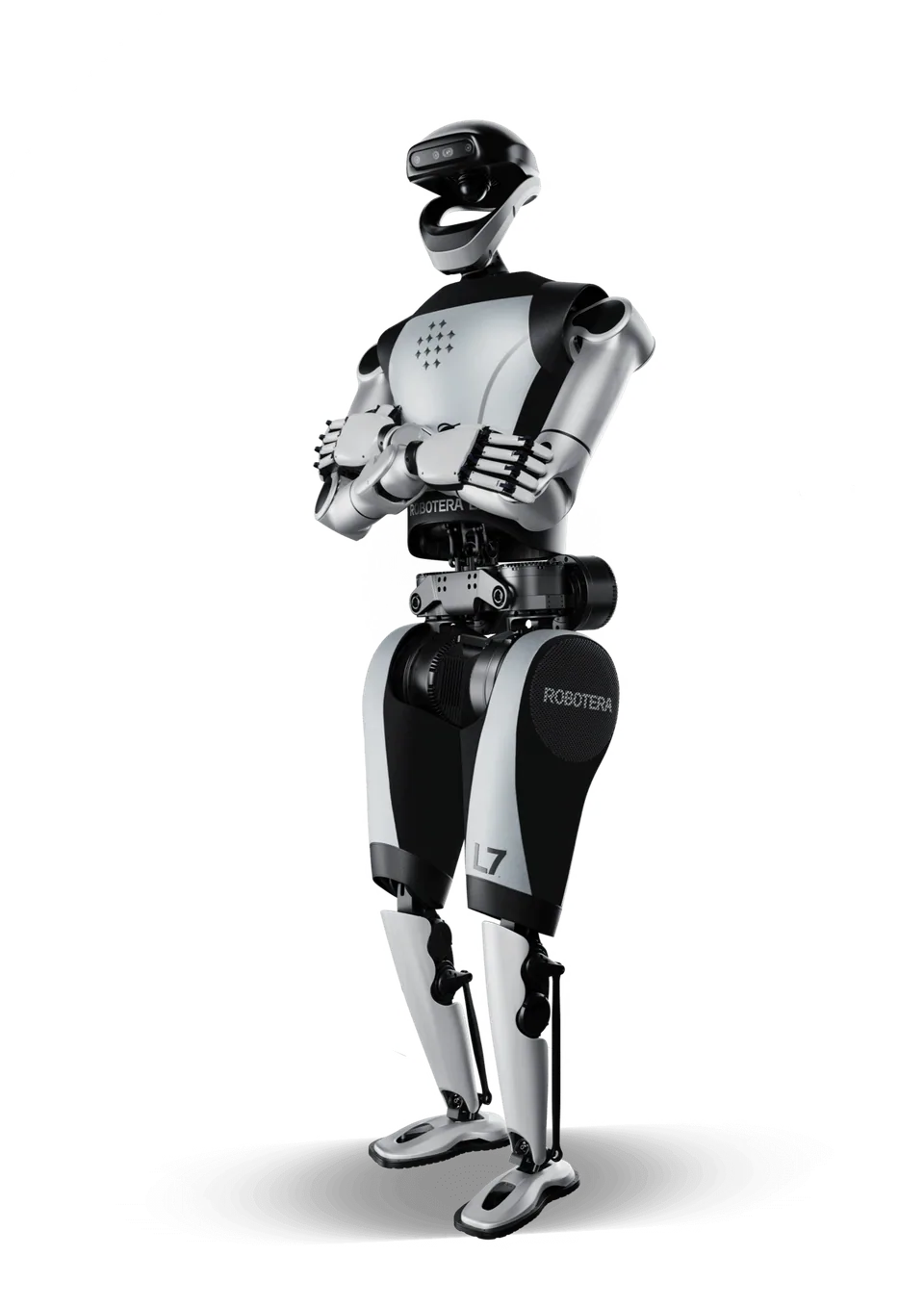
| RobotEra L7 | ROBOTERA (Beijing Xingdong Jiyuan Corporation) | 171 | 20 | 65 | — | pre-order | — |
| ergoCub | Istituto Italiano di Tecnologia (IIT) | 150 | 10 | 55.7 | — | prototype | — |
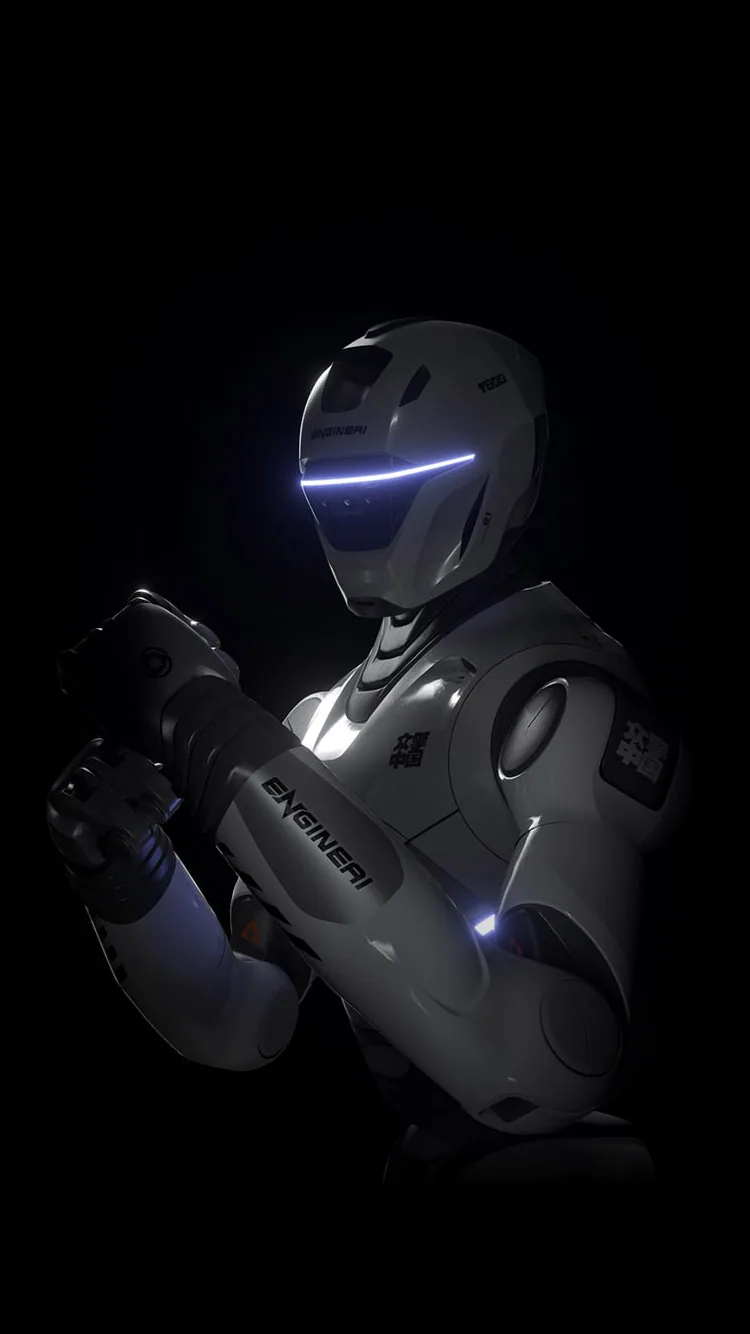
| EngineAI T800 | EngineAI Robotics (Shenzhen EngineAI Robotics Technology Co.) | 173 | — | — | 157,000 PLN* (≈ EUR 35,910) | on sale | — |
| Fourier GR-2 | Fourier Intelligence | 175 | — | 63 | — | on sale | — |
| Galaxea R1 Lite | Galaxea AI (Galaxea Dynamics) | 170 | — | — | — | on sale | — |
| Galaxea R1 Pro | Galaxea AI (Galaxea Dynamics) | 200 | 10 | — | — | on sale | — |
| HMND 01 | Humanoid | 179 | 15 | 90 | — | prototype | — |
| Noetix N2 | Noetix Robotics (Beijing Songyan Power Technology Group) | 118 | 5 | 30 | 28,100 PLN* (≈ EUR 6,430) | on sale | — |
| UBTech Walker S1 | UBTECH Robotics | 172 | — | 76 | — | pilot | — |
| Addverb Elixis-W | Addverb Technologies | 183 | 15 | 80 | — | pilot | — |
| Apptronik Apollo | Apptronik | 173 | 25 | — | — | pilot | — |
| Booster T2 | Booster Robotics | — | — | — | — | on sale | — |
| Boston Dynamics Atlas (Hyundai factory deployment, Korea/USA) | Hyundai Motor Group / Boston Dynamics (Atlas, deployment in Korea) | 190 | 30 | — | — | pilot | — |
| MagicLab MagicBot Z1 | Magiclab (Magic Atom Robotics Technology / Magiclab Robotics Technology Wuxi Co., Ltd.) | 140 | — | 40 | — | on sale | — |
| TORO (TOrque-controlled humanoid RObot) | German Aerospace Center (DLR), Institute of Robotics and Mechatronics | 174 | — | 76 | — | prototype | — |
| Wandercraft Calvin-40 | Wandercraft | — | 40 | — | — | pilot | — |
| Agility Digit 5 | Agility Robotics | — | 22.7 | 128.8 | — | pilot | — |
| Dobot Atom | Dobot (Shenzhen Yuejiang Technology) | — | — | — | — | on sale | — |
| Figure 02 | Figure AI | — | — | — | — | discontinued | — |
| Fourier GR-1 | Fourier Intelligence | 165 | 50 | 55 | — | discontinued | — |
| PNDbotics Adam | PNDbotics | — | — | — | 387,600 PLN* (≈ EUR 88,660) | on sale | — |
| Tokyo Robotics Torobo | Tokyo Robotics Inc. | 161.5 | 7 | 120 | — | prototype | — |
| Agility Digit (v4, current fleet) | Agility Robotics | — | 15.9 | — | — | on sale | — |
| DEEP Robotics DR01 | DEEP Robotics (Hangzhou Deep Robotics) | — | — | — | — | on sale | — |
| EngineAI SE01 | EngineAI Robotics (Shenzhen EngineAI Robotics Technology Co.) | 170 | — | 55 | — | on sale | — |
| Figure 03 (home variant) | Figure AI | — | — | — | — | prototype | — |
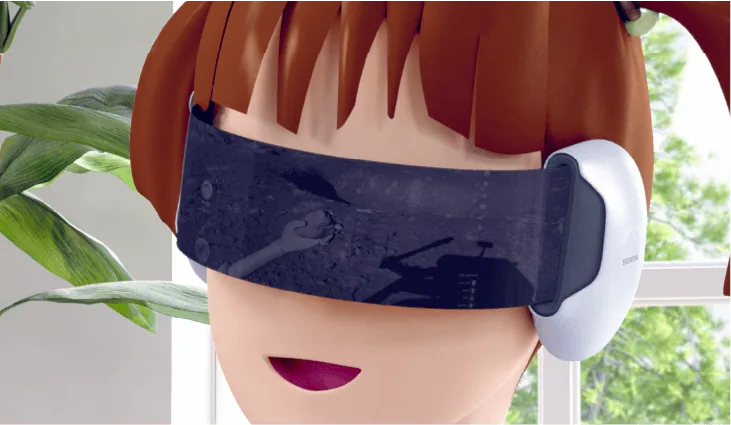
| Honda Avatar Robot | Honda Motor Co. | — | — | — | — | prototype | — |
| LOLA | Technical University of Munich (TUM), Chair of Applied Mechanics | 176 | — | 68 | — | prototype | — |
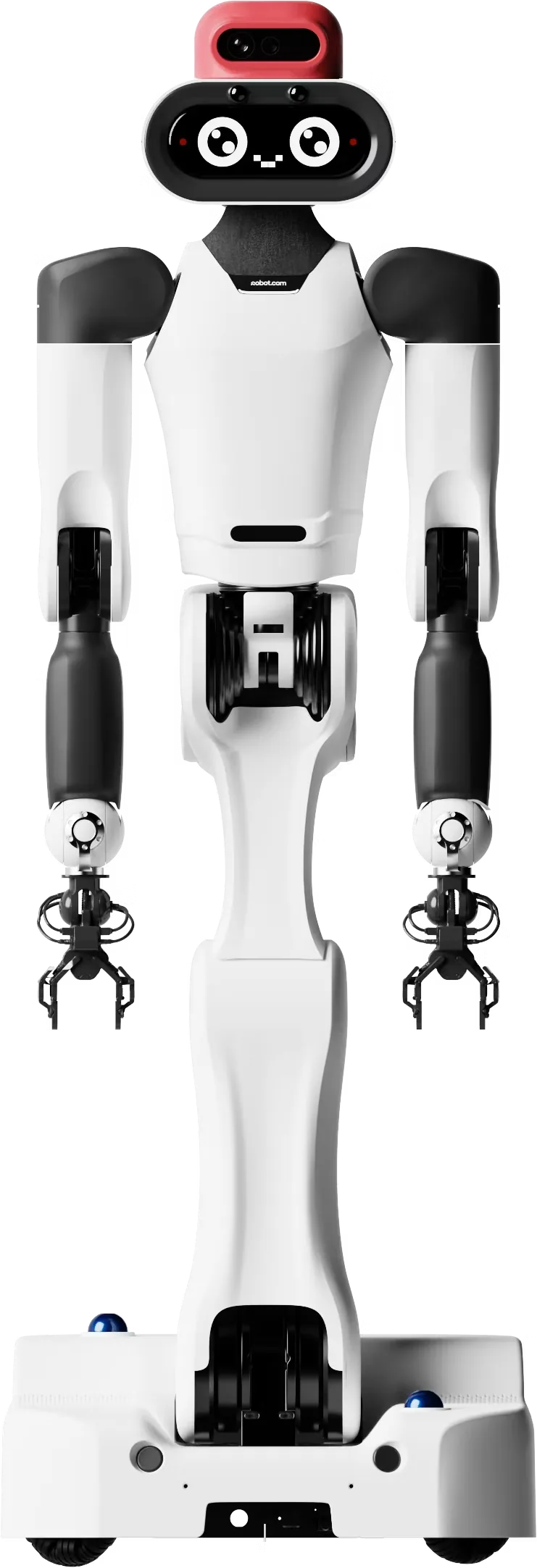
| R-noid | Robot.com | — | — | — | — | pilot | — |
| Tesla Optimus Gen 1 | Tesla, Inc. | 173 | 20 | 57 | — | discontinued | — |
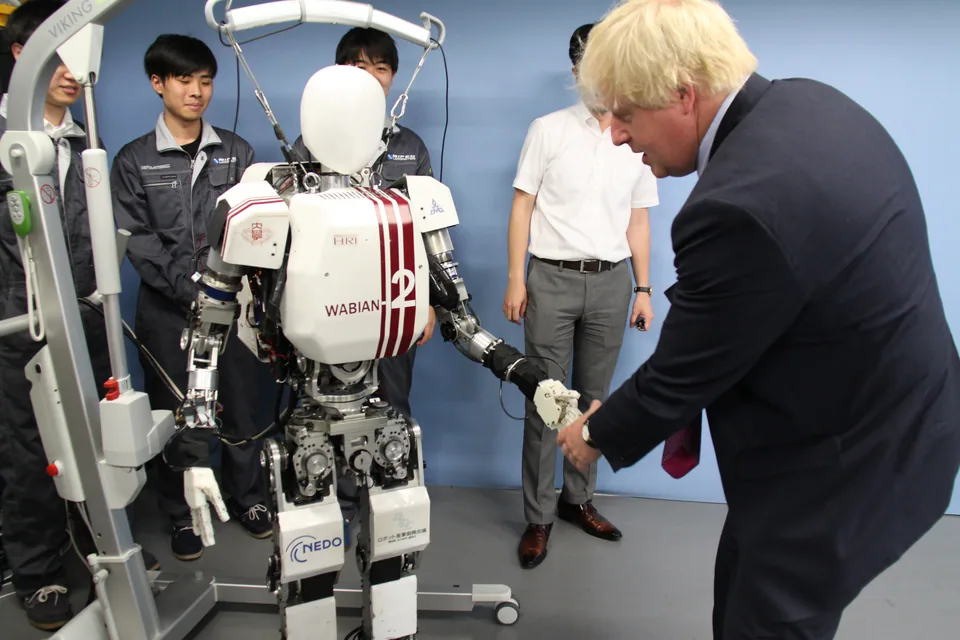
| WABIAN-2 | Waseda University (Takanishi Laboratory) | 148 | — | 64 | — | prototype | — |
| Agile ONE | Agile Robots SE | — | — | — | — | prototype | — |
| Foundation Phantom | Foundation (Foundation Future Industries, Inc.) | — | — | — | — | pilot | — |
| OpenLoong Qinglong | OpenLoong (Humanoid Robot (Shanghai) Co., Ltd. / Open Atom Foundation) | — | — | — | — | prototype | — |
| Songyan N1 | Songyan Power (Beijing) Technology Co., Ltd. / Noetix Robotics | — | — | — | — | on sale | — |
| Clone Protoclone | Clone Robotics | — | — | — | — | prototype | — |
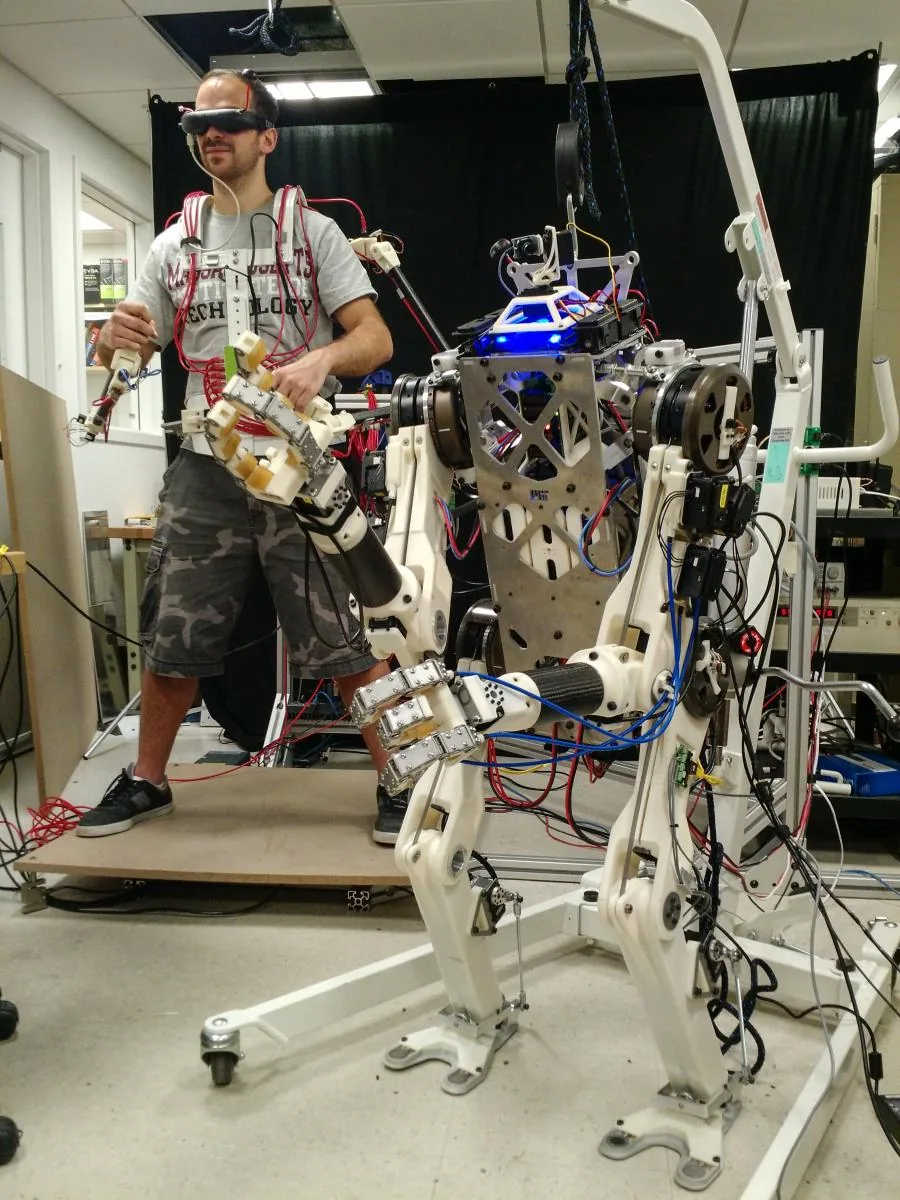
| HERMES | Massachusetts Institute of Technology (MIT Biomimetic Robotics Lab) | — | — | 45 | — | prototype | — |
| Punyo | Toyota Research Institute (TRI) | — | — | — | — | prototype | — |
| LimX Oli (CL-3) | LimX Dynamics | 165 | 3 | 55 | 84,500 PLN* (≈ EUR 19,330) | on sale | — |
| Robotera STAR1 | Robot Era (Beijing Xingdong Epoch Technology / Robotera) | 171 | 20 | 63 | 465,100 PLN* (≈ EUR 106,390) | prototype | — |
| 1X NEO | 1X Technologies | 168 | 68 | 30 | 77,500 PLN* (≈ EUR 17,730) | pre-order | — |
| Leju Kuavo-5 | Leju Robotics | 168 | — | 55 | 147,300 PLN* (≈ EUR 33,690) | prototype | — |
| Rainbow Robotics RB-Y1 | Rainbow Robotics | 140 | — | 131 | 581,400 PLN* (≈ EUR 132,990) | on sale | — |
| Unitree H1-2 | Unitree Robotics | 178 | 21 | 70 | — | on sale | — |
| Xiaomi CyberOne | Xiaomi Corporation | 177 | 1.5 | 52 | — | prototype | — |
| BYD Xiao Di | BYD Company Limited | 161 | 1 | 58.5 | — | pilot | — |
| REX G1 | RoboScience | — | 10 | — | — | on sale | — |
| Toyota T-HR3 | Toyota Motor Corporation / Toyota Research Institute (TRI) | 154 | — | 75 | — | prototype | — |
| Figure 01 | Figure AI | 160 | 20 | 60 | — | discontinued | — |
| Rainbow Robotics HUBO-2 | Rainbow Robotics | 125 | — | 45 | — | on sale | — |
| Tesla Optimus (home plans) | Tesla, Inc. | 173 | — | 57 | — | prototype | — |
| HUBO 2 Plus | Korea Advanced Institute of Science and Technology (KAIST) | 130 | — | 43 | — | prototype | — |
| LG Bipedal Humanoid (NVIDIA-based, announced for 2027) | LG Electronics | — | — | — | — | concept | — |
| AgiBot A2-W | AgiBot (Zhiyuan Robotics) | — | — | — | — | on sale | — |
| Persona AI Humanoid (3rd generation, autumn 2026) | Persona AI | — | — | — | — | pilot | — |
See the situations where models in this category prove themselves.
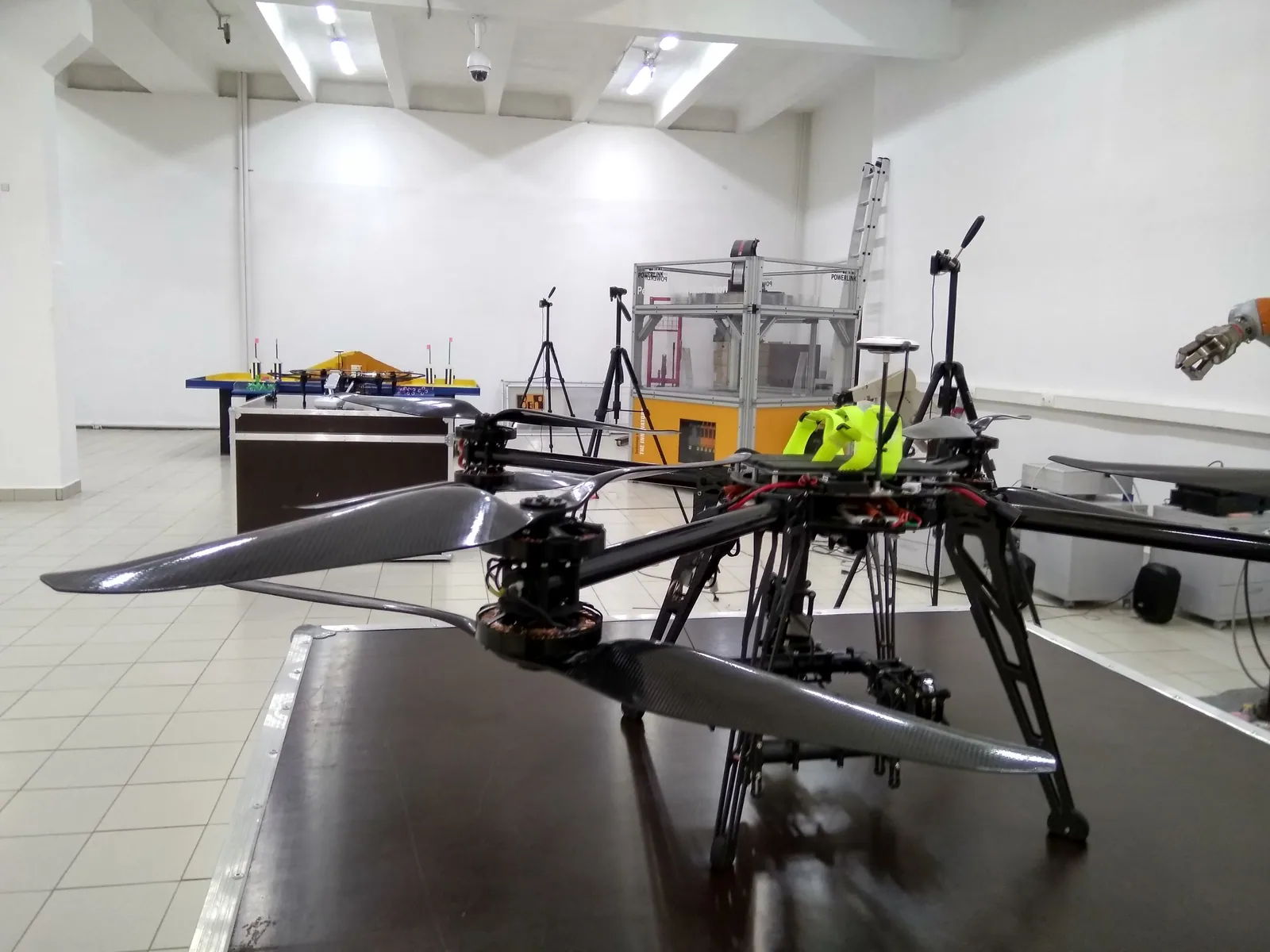
Universities buy research platforms: the Unitree G1 humanoid from USD 13,500, the Franka arm for about EUR 25,000, and the open SO-101 in parts for about USD 230.
A robot that folds the laundry is today in pre-order or pilot, and in Polish shops you can mainly buy companion robots.
Guide
Humanoid robots are the fastest-growing category in robotics worldwide — two-legged machines designed to move and handle objects in the same space where people work. In 2026 the market moved from one-off research prototypes to the first commercially available models, though still in small production runs and at high prices.
On this page we have gathered every model we track — from the Chinese cost leaders (Unitree G1, R1, H2) to American research platforms (Tesla Optimus, Figure 02/03, Boston Dynamics Atlas) and lesser-known projects from Asia and Europe. Each entry lists technical data (height, weight, degrees of freedom, payload, battery runtime), the price — if it has been published and we can back it with a source — and whether the model can be bought in Poland.
We deliberately do not show numbers we cannot confirm. If you see a dash instead of a value next to a model, it means the manufacturer has not published that specification — we would rather admit a gap than print a figure from a shaky source.
The category covers both models ready for industrial and logistics use and cheaper educational and research platforms aimed at universities and companies developing their own software. Filter the table below by price, manufacturer and availability status, or use our comparison tool to set two or three specific models side by side.
Before buying or renting a humanoid robot, it is worth answering a few questions. First: do you need a ready-made solution for a specific task (for example moving loads in a warehouse), or rather a research platform with an open SDK for your own experiments? These are entirely different price segments and different models. Second: check the real battery runtime and charging time, not the advertised ones, because in practice they decide how useful the robot is over a work shift.
Third: look at the availability of service and spare parts in Poland or Europe — a private import from China without local technical support can be cheaper on paper but risky when something breaks. Fourth: models still under development ("prototype" or "announced" status) may change their specification or price before market launch — treat such data as indicative, not final. Finally, check our funding section to see whether the purchase qualifies for Poland's robotization tax relief (ulga na robotyzację) or the FENG programs, which on pricier models can noticeably reduce the cost of the investment.
Buying guide
We track 101 entries in the humanoid robot category, from 65 manufacturers. Some of them are variants of the same platform (such as the R1 in its Air and EDU versions), so the number of distinct designs is lower. 48 entries have the status “on sale”, 12 are pilots, 6 are pre-orders, 29 are prototypes, 2 are concepts, and 4 models have been withdrawn. So roughly every second entry can be ordered today, but “ordered” does not mean “collected in Poland”.
33 entries have a price with a documented source. Converted into zlotys (at September 2026 exchange rates), the spread is enormous: from about PLN 5,400 (≈ EUR 1,240) for the miniature Noetix Bumi to about PLN 1.09 million (≈ EUR 0.25 million) for the research robot iCub, developed by Italy’s IIT institute. The median is about PLN 147,000 (≈ EUR 33,630). Battery runtime is given for 36 entries: from 1 to 8 hours, with a median of 3 hours.
In Poland, 7 entries are officially sold today, and all of them come from Unitree Robotics: the R1 in three versions, the G1 in two, and the H1 and H2. They are offered by x-kom, Botland, Drony.net, deltarobots.com and euro.com.pl, among others. The other manufacturers — Chinese ones such as AgiBot, UBTech or EngineAI, American ones such as Figure AI, Tesla, Agility Robotics and 1X Technologies, and European ones such as Neura Robotics — have, according to our data, no offer in Polish shops. You buy from the manufacturer, through an importer, or not at all, because many models are still prototypes.
The category is very uneven, so settle on a class before you compare prices. The first consists of small educational and hobby platforms of up to about 30 kg, such as the Unitree R1 (29 kg, 26 degrees of freedom) or the EngineAI PM01. The second is mid-sized research platforms: the Unitree G1 weighs 35 kg and has 23 degrees of freedom (DOF) in the base version and up to 43 in the EDU version. The third is full-size designs such as the Unitree H2 (70 kg, 31 DOF) or the AgiBot A2 (69 kg, 40 DOF).
The fourth class is manipulation platforms, often with a wheeled base instead of legs, such as the Reachy 2 or the Astribot S1. The fifth is “product” models designed with work in mind: the Figure 03 (61 kg, 35 DOF, 20 kg payload according to the manufacturer), the Agility Digit (15.9 kg payload, about 4 hours of runtime) or the 1X NEO, now in pre-order. The Tesla Optimus Gen 2 is still a prototype. What is actually known about these designs is covered in our pieces on “Figure 03: What We Know About Figure AI's Third-Generation Robot”, “Tesla Optimus: What We Actually Know (as of September 2026)” and “Agility Digit in Warehouses”.
This criterion decides everything else. For learning robotics, university work or demonstrations, a platform of the Unitree G1 class is enough. For carrying crates through an eight-hour shift, no model available in Polish shops today will do. Real production deployments are pilots, which we cover in the piece on “Humanoid Robots in Factories 2026”; you will find more on practice in the factory section.
Buying privately from China can be cheaper on paper, but when a knee-joint motor fails you are left without service. Unitree models have a Polish sales network, which means a VAT invoice and a warranty handled locally. With other manufacturers, ask directly who accepts a claim, how long a part replacement takes and where the spare-parts warehouse is.
The same platform comes in versions with different permissions. The Unitree G1 is offered without an SDK, and full low-level control only comes with the Unitree G1 EDU. The same goes for the H2, where, according to sources, only the EDU version supports developing your own software. If you plan to train your own behaviors, first check which permissions a given variant gives you. We describe the technological background in the piece on “VLA Models: How AI Controls Humanoid Robots in 2026”.
The number of degrees of freedom tells you what a robot can do, but only if you know where they are. The 23 DOF of the base G1 are mainly legs, arms and waist; dexterous fingers appear only in the higher versions. Designs with more than 50 degrees of freedom, such as the Kepler Forerunner K2 (52 DOF), have far richer hands. We explain the basics in the piece on “Degrees of Freedom (DOF) in Humanoid Robots” and how to read a specification in the guide to “How to Read a Robot Datasheet”.
In humanoid specifications, “payload” usually means the load held in both hands, not the mass the robot can carry for hours. The Unitree G1 states 2 kg and about 2 hours of runtime, the Figure 03 20 kg and 5 hours. The median runtime across the whole category is 3 hours, so an eight-hour shift requires swappable batteries. The G1’s battery can be swapped quickly, without tools. When a manufacturer does not state a value, we record it as such, and you should expect the same caution from a seller.
A robot weighing 35–70 kg that can fall over is not a cobot. Standards for collaborative robots do not carry over directly to bipedal robots, and separate standards for them are still being written, so the risk assessment falls to whoever deploys the robot. Start with an exclusion zone and emergency-stop rules; the starting point is “Robot Safety Standards”. Cameras and microphones also bring obligations regarding personal data, which we describe in the piece on “Data Security: Robots with Cameras and the GDPR”.
The price of the robot is only the start of the spending. Add spare batteries, a charging station, training, transport, insurance and service after the warranty ends. We show the calculation method in the piece on “Humanoid Robot TCO: How to Calculate Total Cost” and an overview of prices in “How Much Does a Humanoid Robot Cost in 2026”. If the robot is only needed for a single event, also work out “Renting a Humanoid Robot for an Event”.
We set two values side by side: the manufacturer’s price converted into zlotys (usually excluding VAT, duty and shipping) and the prices we see in Polish shops. The gap can be large — the Unitree R1 costs about USD 4,900 from the manufacturer (about PLN 19,000 (≈ EUR 4,350)) and, in the basic versions, PLN 41,000–46,000 (≈ EUR 9,380–10,520) in Polish shops.
Up to about PLN 50,000 (≈ EUR 11,440). The Unitree R1 is the cheapest humanoid with a Polish offer. Outside Poland you will come across the Noetix Bumi and the EngineAI PM01 (about USD 12,000, or about PLN 46,500 (≈ EUR 10,640)). According to our data, neither has a Polish seller.
PLN 50,000–150,000 (≈ EUR 11,440–34,310). This is where the base-version Unitree G1 sits: PLN 79,900–99,000 (≈ EUR 18,280–22,650) in Polish shops. In a similar price range, manufacturers price the LimX Oli (about PLN 84,500 (≈ EUR 19,330)) and the Kepler Forerunner K2 (about PLN 96,900 (≈ EUR 22,170)); neither has a Polish distributor.
Above PLN 150,000 (≈ EUR 34,310). The Unitree G1 EDU costs PLN 190,000–250,000 (≈ EUR 43,460–57,190) in Polish shops, the Unitree H2 PLN 219,900–240,000 (≈ EUR 50,300–54,900), and the Unitree H1 from about PLN 439,000 (≈ EUR 100,420). The Reachy 2 is about USD 70,000. For the H2 we also saw an offer at PLN 1 million (≈ EUR 0.23 million) in the Plus Flagship variant, so whatever the price, ask for the exact configuration.
Off the price list. Models from the leading companies — the Figure 03 and the Tesla Optimus Gen 2 — have no public price list; the manufacturer does not state a price, and access is limited to pilots.
The best-known is the robotization tax relief: an additional 50% deduction of costs from the tax base. It covers “industrial robots” that meet the statutory definition (including automatic control, reprogrammability and multi-purpose use), however, and you should not assume that a research or educational robot qualifies without a tax adviser’s opinion. Under current law, 2026 is the last year for which it can be applied; the announcement of an extension in August 2026 is not yet law. We describe the details in the piece on “Poland's Robotization Tax Relief”.
Beyond the relief, it is worth checking the FENG programs run by PARP (including the SMART Pathway), NCBR grants for research and development projects, and the KPO instruments for robotization and digitalization. We do not give call dates or available amounts, because they change faster than this text — check them on the institutions’ websites. Universities usually buy humanoids from research grants and teaching funds; robots from the educational robots section also work in that segment. You will find a full overview of the instruments in the section on subsidies.
The first mistake is judging a robot by a promotional video. A backflip or a dance says something about the control system, not about whether the robot will carry a load for an hour. The second is comparing prices without the variant: the same Unitree G1 costs from PLN 79,900 (≈ EUR 18,280) to 250,000 in Polish shops, because these are different versions. The third is buying a version without an SDK for a project that needs your own software.
The fourth mistake is overlooking service and import: a cheaper offer from abroad often ends in longer downtime. The fifth is treating an announcement as an offer; a prototype may change its specification and price. The sixth is underestimating additional costs, described in the TCO calculation. The seventh is buying a humanoid where a cheaper solution will do: for repetitive tasks at a workstation, a cobots model works better, and for transport around a warehouse, mobile robots.
For every price we record the source and the date, and we keep manufacturer list prices apart from prices in Polish shops. Values in dollars and euros are converted at the exchange rate on the day of checking; the prices in this text come from checks at the end of September 2026. When sources disagree, we show the range rather than picking a single number. Technical data comes from manufacturers’ websites and datasheets, and parameters given only in promotional materials are marked as claims.
What cannot be confirmed, we do not publish: next to the model you then see “manufacturer does not state”, not an estimate. We update statuses (on sale, pre-order, prototype) when the manufacturer’s offer changes, and we correct mistakes when they are reported. You can compare two specific models in the comparison tool, and you will find the list of manufacturers with their countries of origin in the directory.
Prices start at roughly PLN 45,000–50,000 (≈ EUR 10,290–11,440) for the simplest educational models (such as the Unitree R1), rise to PLN 99,000 (≈ EUR 22,650) for Unitree G1-class machines, and reach PLN 200,000–1 million (≈ EUR 45749.84–0.23 million) for advanced industrial platforms like the Unitree H2. Models from the leading research companies (Figure, Boston Dynamics) rarely have a public price list — they go mainly into corporate pilots.
Yes. Several models (primarily the Unitree line) are officially available from Polish distributors and large electronics retailers, with a VAT invoice and warranty. Models still in development (Tesla Optimus, Figure) are not yet offered for retail sale.
A humanoid robot has two legs and mimics the human body, which lets it move through the same terrain as people (stairs, uneven ground). A cobot is usually a stationary robotic arm fixed to a workstation — it does not move around the shop floor on its own.
In 2026 most deployments are still pilots in logistics, assembly and warehouses (carrying totes, sorting, simple assembly tasks), along with research and demonstration uses. Full autonomy in an unstructured home environment is still in testing.
The market leaders are China's Unitree and UBTech, and the US-based Tesla, Figure AI, Boston Dynamics and Agility Robotics, along with smaller players from South Korea and Europe. You will find the full list of manufacturers with their countries of origin in our database.
As a platform for learning programming, testing and demonstrations — yes. The cheapest models with a Polish offer, such as the Unitree R1, cost PLN 41,000–46,000 (≈ EUR 9,380–10,520) in shops, but they have a small payload and short runtime. They are not designed for production work.
Because several versions are sold under one name. The Unitree G1 costs from PLN 79,900 (≈ EUR 18,280) for the base version to PLN 250,000 (≈ EUR 57,190) for EDU versions with full control access. Before comparing offers, check the variant, the scope of the SDK and the accessory set.
In models that state the value, from 1 to 8 hours, with a median of 3 hours. The Unitree G1 claims about 2 hours, the Figure 03 5 hours. Shift work requires a set of swappable batteries.
No. The manufacturers publish neither prices nor an official offer for individual customers in Poland; selected partners get access in pilots. Treat data on these models as manufacturer claims.
That is not certain. The relief applies to factory-new industrial robots that meet the statutory definition, and a research or educational humanoid may not. Before you include the relief in your calculation, get a tax adviser’s opinion; under current law, 2026 is the last year it can be applied.
For repetitive work in one place a cobot is enough, and for moving goods around a hall, a mobile robot (AMR). Both solutions are cheaper, better documented and supported by a well-developed network of integrators in Poland.