No. 1 in the 2026 ranking
SO-101
The cheapest route to teaching robot imitation learning if you like tinkering; schools wanting ready hardware should buy something pre-assembled.
- 6 DOFdegrees of freedom
- 890*price (PLN)
Educational robots for kids, schools and universities — coding kits, LEGO Mindstorms and robotics club platforms. Prices and comparison.
In the catalog: 21 models from 18 manufacturers. Prices from 678 to 24.7k PLN. Available in Poland: 6.
Photo: Clearpath Robotics, product page (clearpathrobotics.com); Petoi LLC, product page (petoi.com); ROBOTIS, product page (emanual.robotis.com)
No. 1 in the 2026 ranking
The cheapest route to teaching robot imitation learning if you like tinkering; schools wanting ready hardware should buy something pre-assembled.
Showing 21 of 21 models
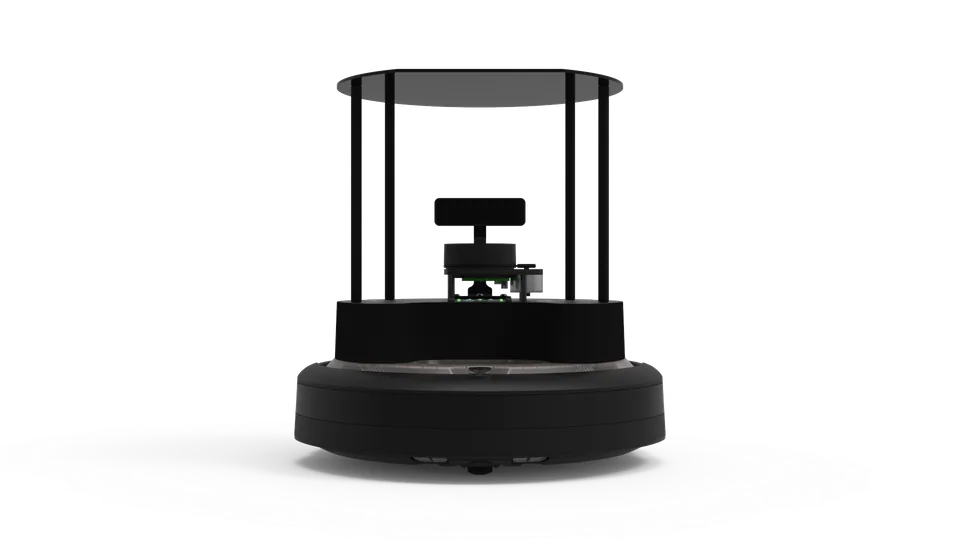
Clearpath Robotics (Rockwell Automation)
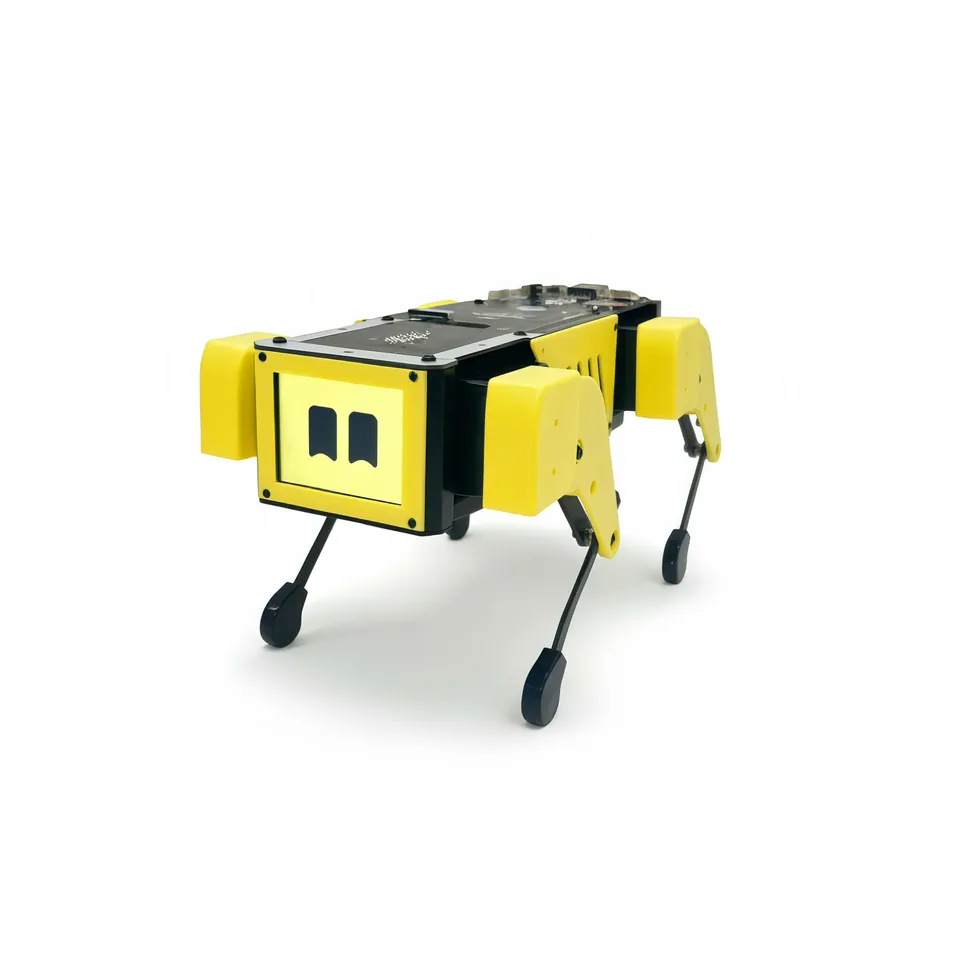
MangDang Technology Co., Limited
Dobot (Shenzhen Yuejiang Technology)
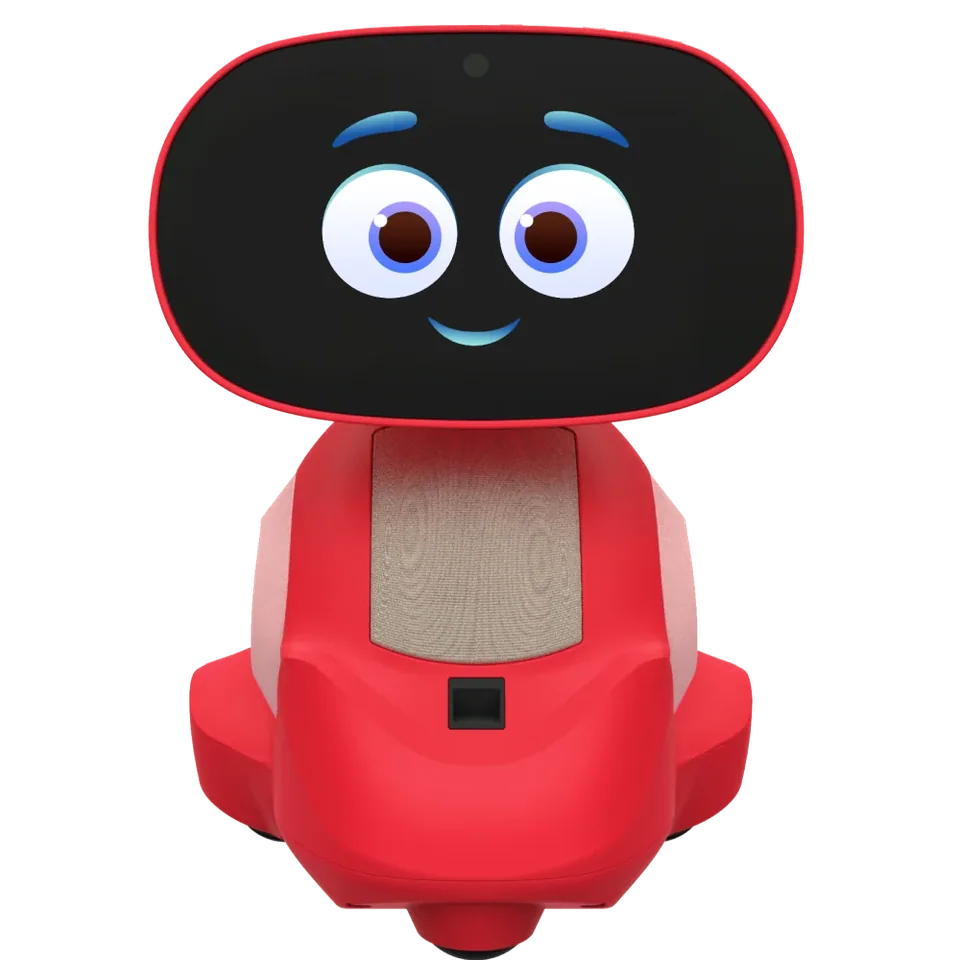
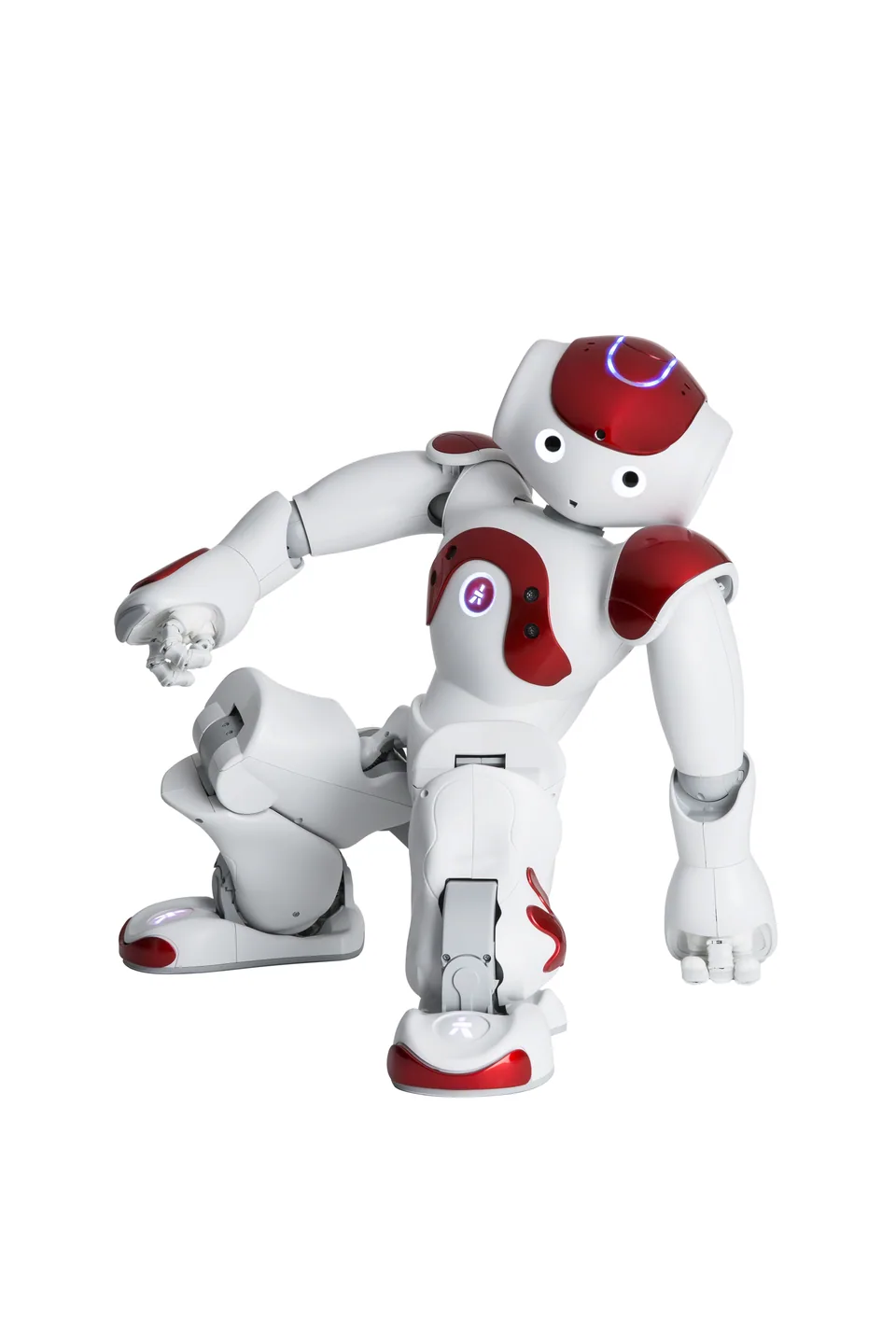
Aldebaran / SoftBank Robotics / United Robotics Group (now Maxtronics)
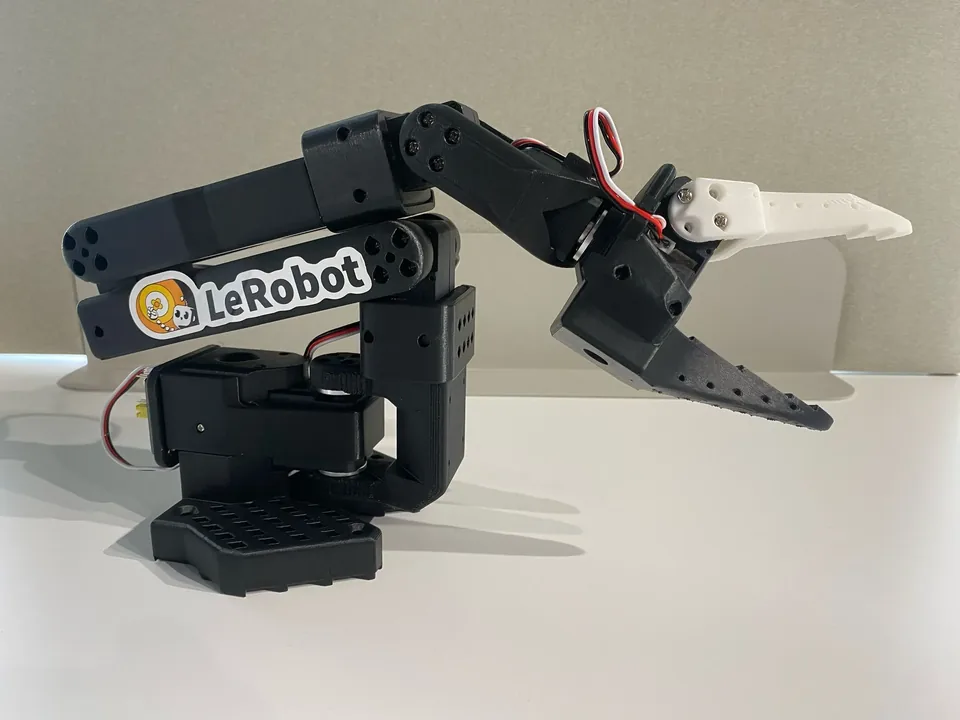
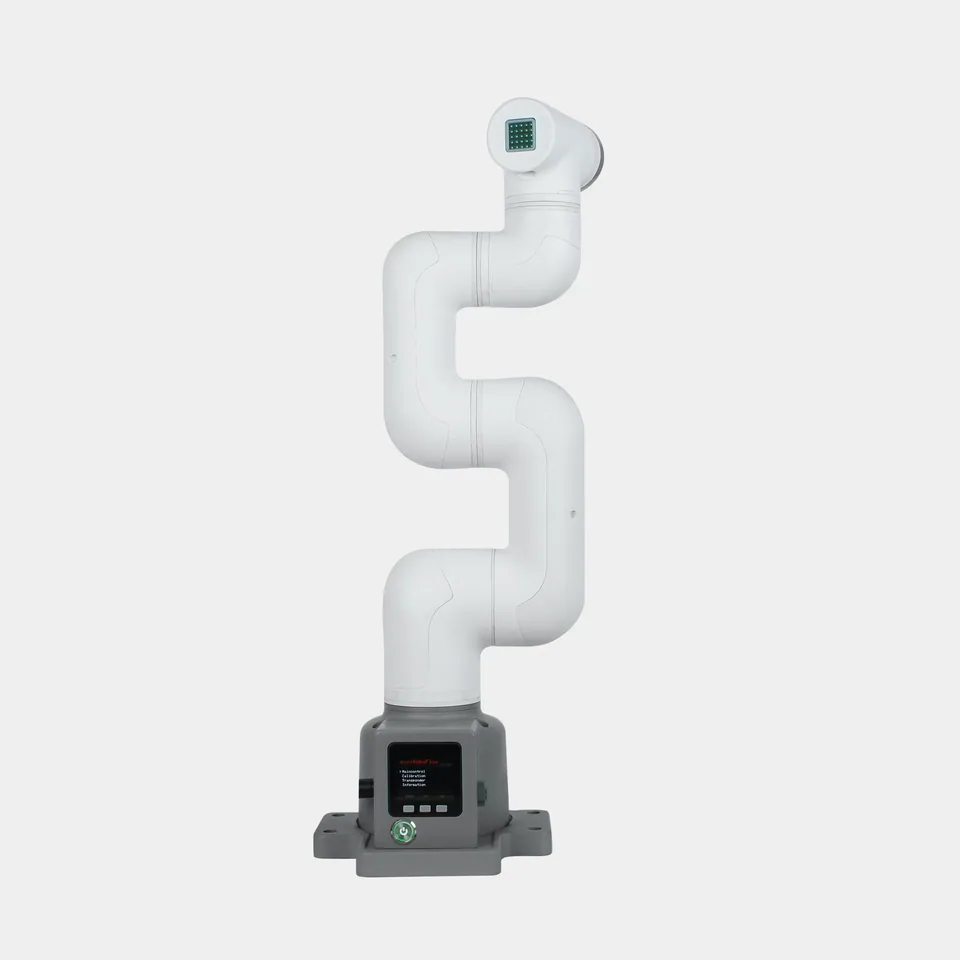
Elephant Robotics

Dobot (Shenzhen Yuejiang Technology)
Rhoban Football Club (Bordeaux INP / Universite de Bordeaux)
No models match the selected filters.
| Model | Manufacturer | height (cm) | weight (kg) | degrees of freedom (DOF) | Price (PLN) | Status | In Poland |
|---|---|---|---|---|---|---|---|
| TurtleBot 4 (Standard) | Clearpath Robotics (Rockwell Automation) | 35.1 | 3.9 | — | 13,000 PLN* (≈ EUR 2,970 at NBP rate 4.3716 of 20 October 2026) | on sale | — |
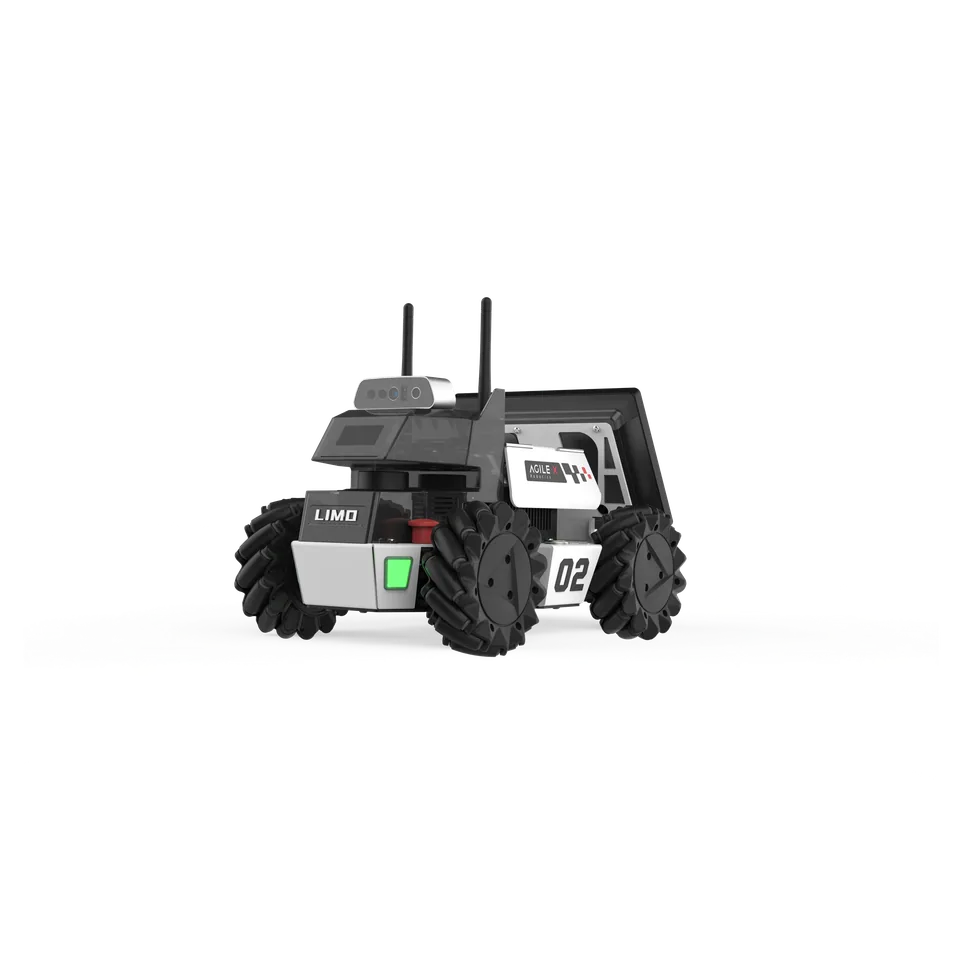
| AgileX LIMO Pro | AgileX Robotics | 25.1 | 4.8 | — | 13,200 PLN* (≈ EUR 3,020) | on sale | — |
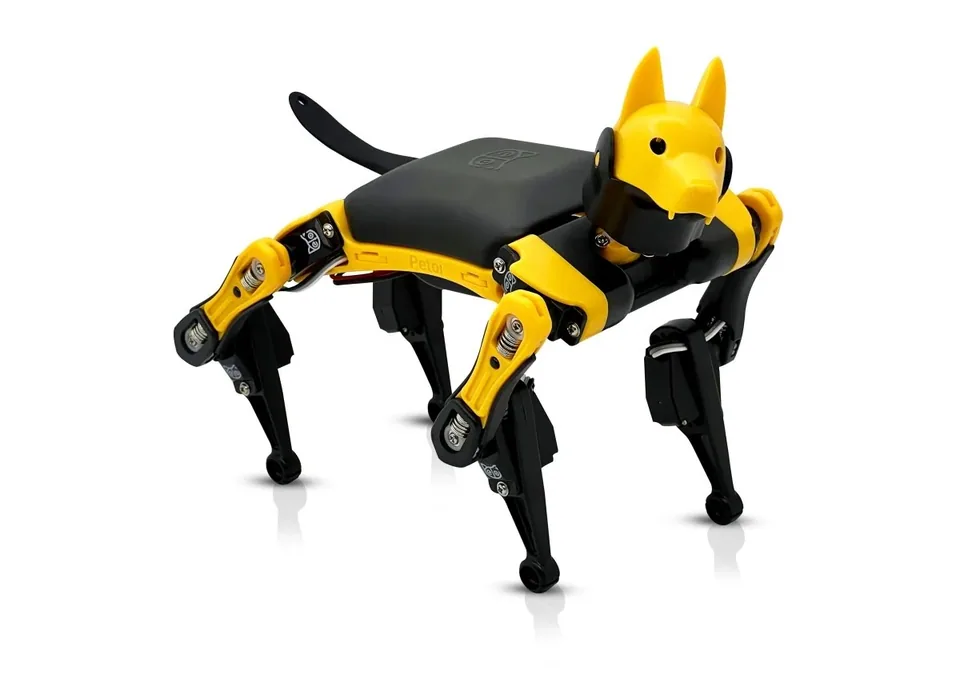
| Petoi Bittle X | Petoi LLC | — | 0.35 | 9 | 1,200 PLN* (≈ EUR 275) | on sale | — |
| MangDang Mini Pupper 2 | MangDang Technology Co., Limited | — | 0.45 | 12 | 2,500 PLN* (≈ EUR 570) | on sale | — |
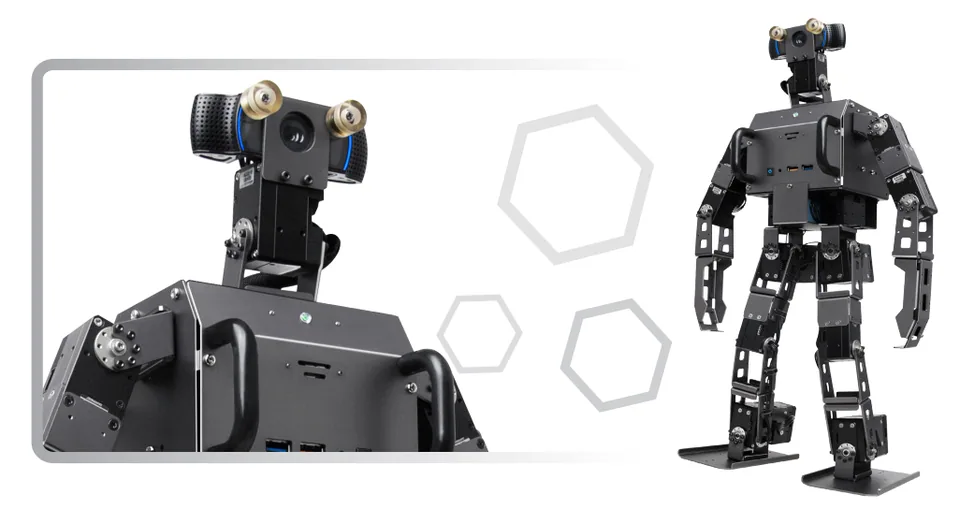
| ROBOTIS OP3 | ROBOTIS | 51 | 3.5 | 20 | — | on sale | — |
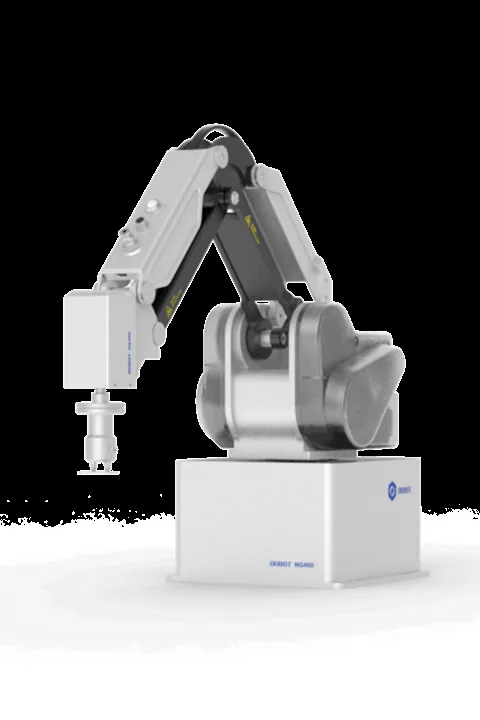
| Dobot MG400 | Dobot (Shenzhen Yuejiang Technology) | — | — | 4 | 24,700 PLN* (≈ EUR 5,650) | on sale | ✓ |
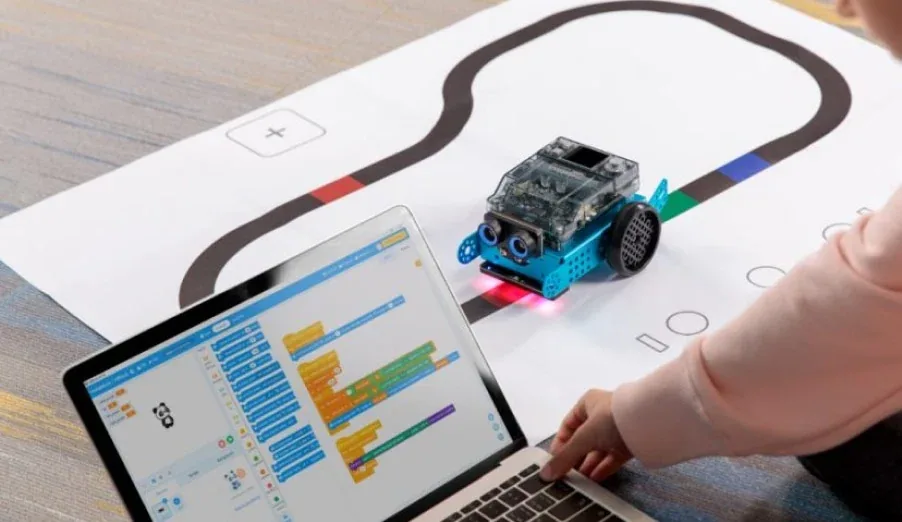
| Makeblock mBot2 | Makeblock | 9 | — | — | 859 PLN (≈ EUR 195) | on sale | ✓ |
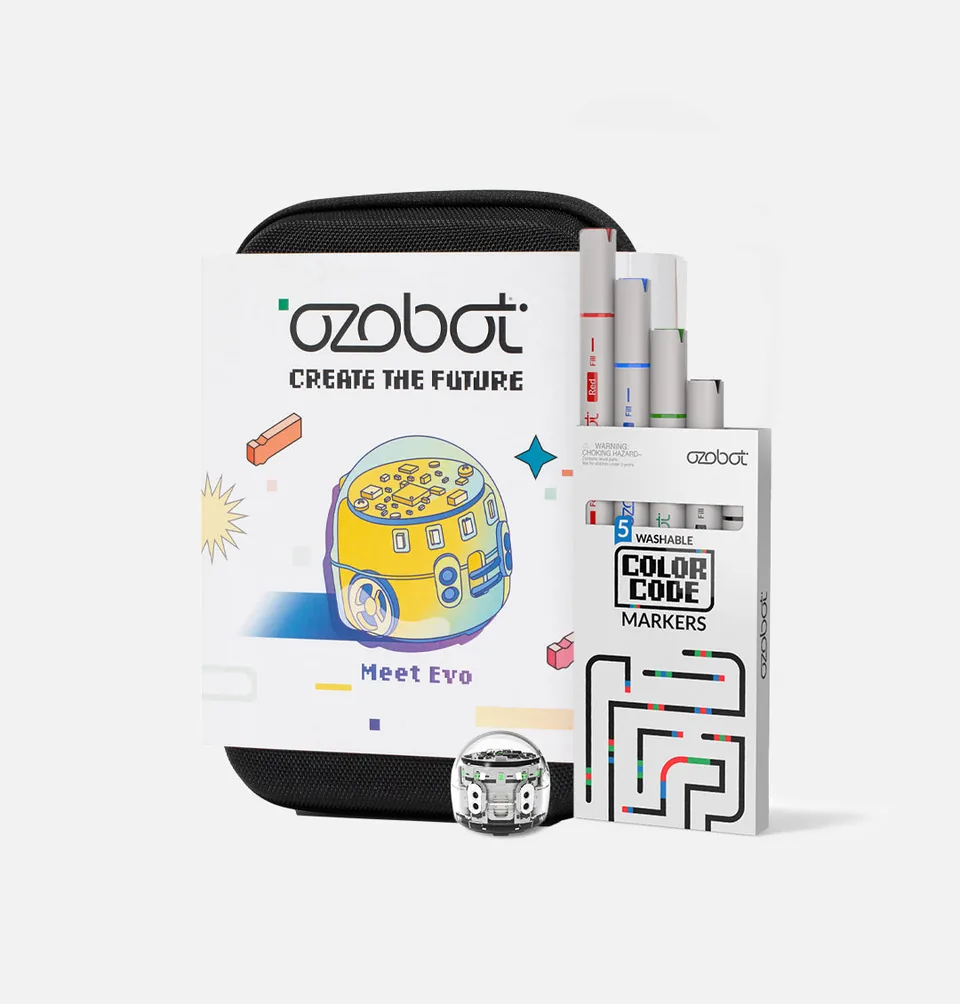
| Ozobot Evo | Ozobot (Ozo EDU, Inc.) | 3.35 | 0.03 | — | 680 PLN* (≈ EUR 155) | on sale | — |
| Miko 3 | Emotix Inc. (Miko) | — | — | — | — | on sale | — |
| NAO | Aldebaran / SoftBank Robotics / United Robotics Group (now Maxtronics) | 58 | 5.4 | 25 | — | on sale | ✓ |
| SO-101 (LeRobot / TheRobotStudio) | Hugging Face / LeRobot (TheRobotStudio SO-ARM) | — | — | 6 | 890 PLN* (≈ EUR 205) | on sale | — |
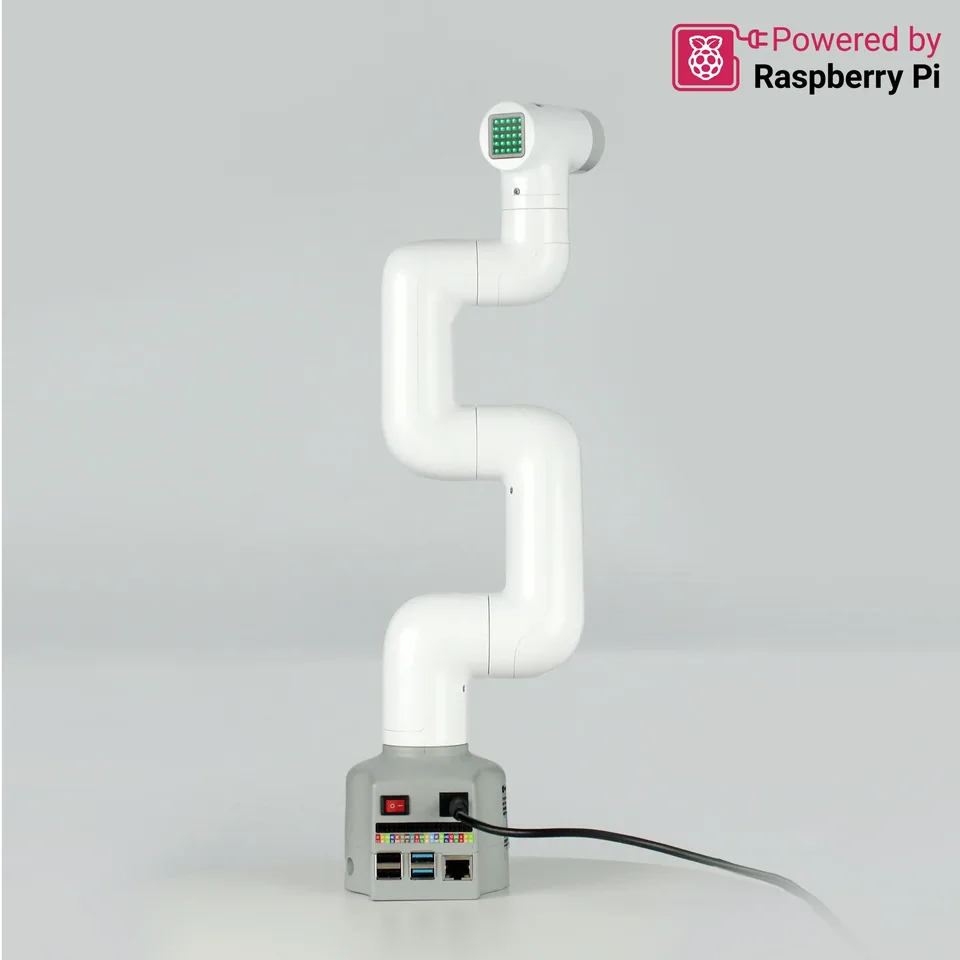
| myCobot 320 | Elephant Robotics | — | 3.36 | 6 | 15,500 PLN* (≈ EUR 3,550) | on sale | — |
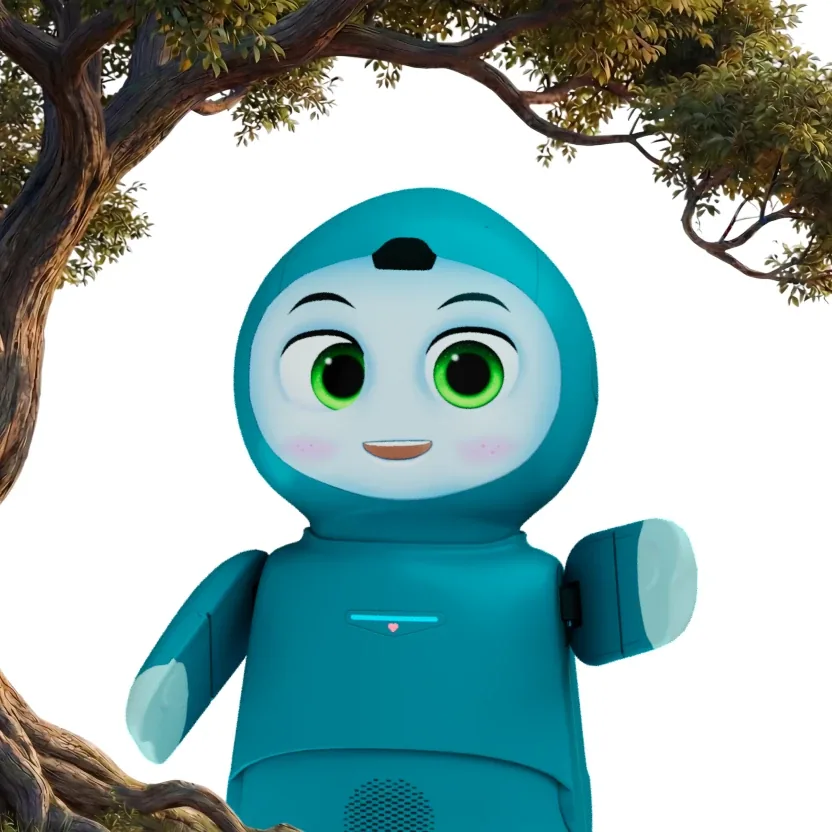
| Moxie | Embodied, Inc. | — | — | — | 3,100 PLN* (≈ EUR 710) | discontinued | — |
| myCobot 280 | Elephant Robotics | — | — | 6 | 3,990 PLN (≈ EUR 915) | on sale | ✓ |
| Dobot Magician | Dobot (Shenzhen Yuejiang Technology) | — | 3.4 | 4 | — | on sale | ✓ |
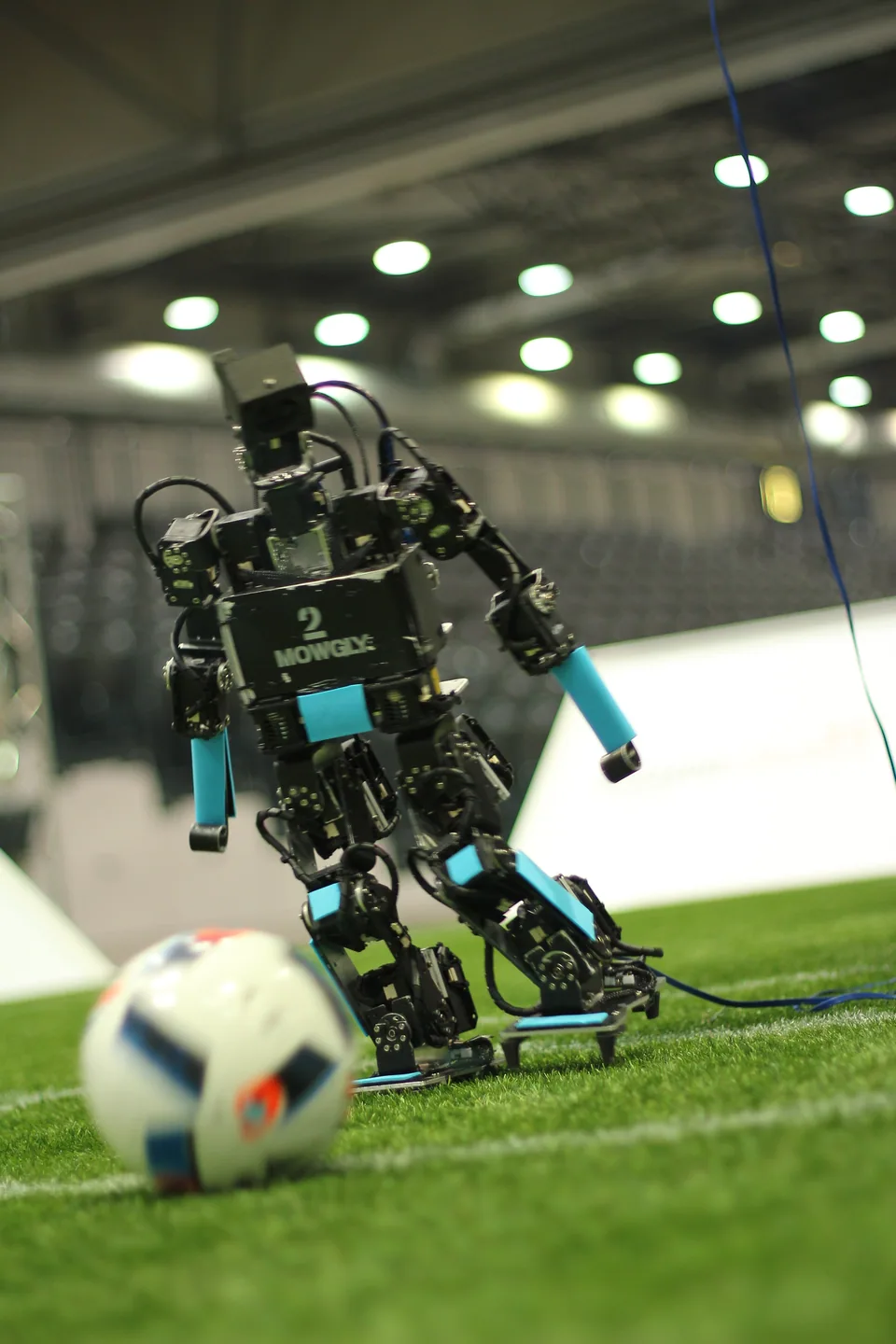
| SigmaBan | Rhoban Football Club (Bordeaux INP / Universite de Bordeaux) | 70 | 7.5 | 20 | — | prototype | — |
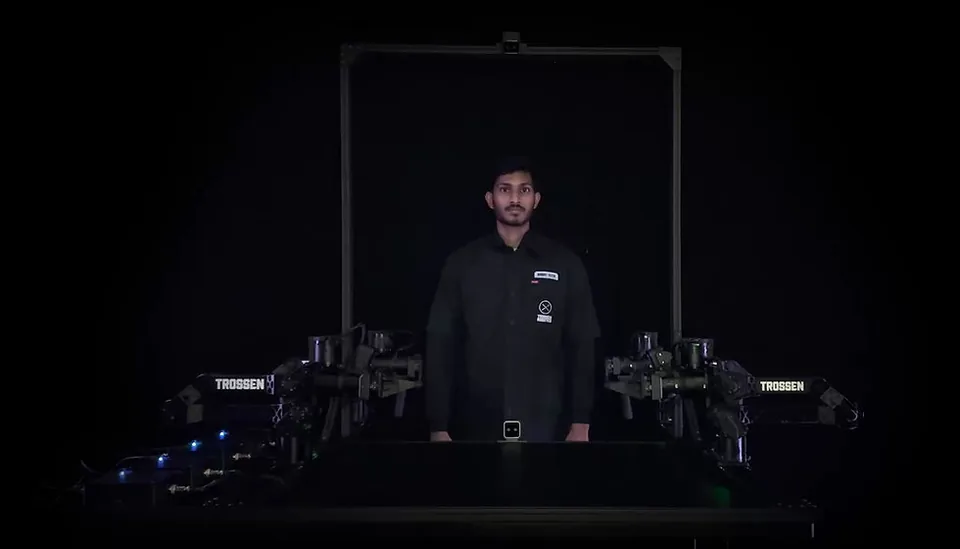
| Trossen AI Stationary (successor to ALOHA) | Trossen Robotics | — | — | — | — | on sale | — |
| Kinova Gen3 Lite | Kinova Robotics | — | 5.4 | 6 | — | on sale | — |
| TurtleBot3 Burger | ROBOTIS | 19.2 | 1 | — | 2,600 PLN* (≈ EUR 595) | on sale | — |
| LEGO Education SPIKE Prime Set (45678) | LEGO Education | — | — | — | 2,300 PLN* (≈ EUR 525) | discontinued | ✓ |
| ToddlerBot | Stanford University (ToddlerBot project) | — | — | 30 | — | prototype | — |
See the situations where models in this category prove themselves.
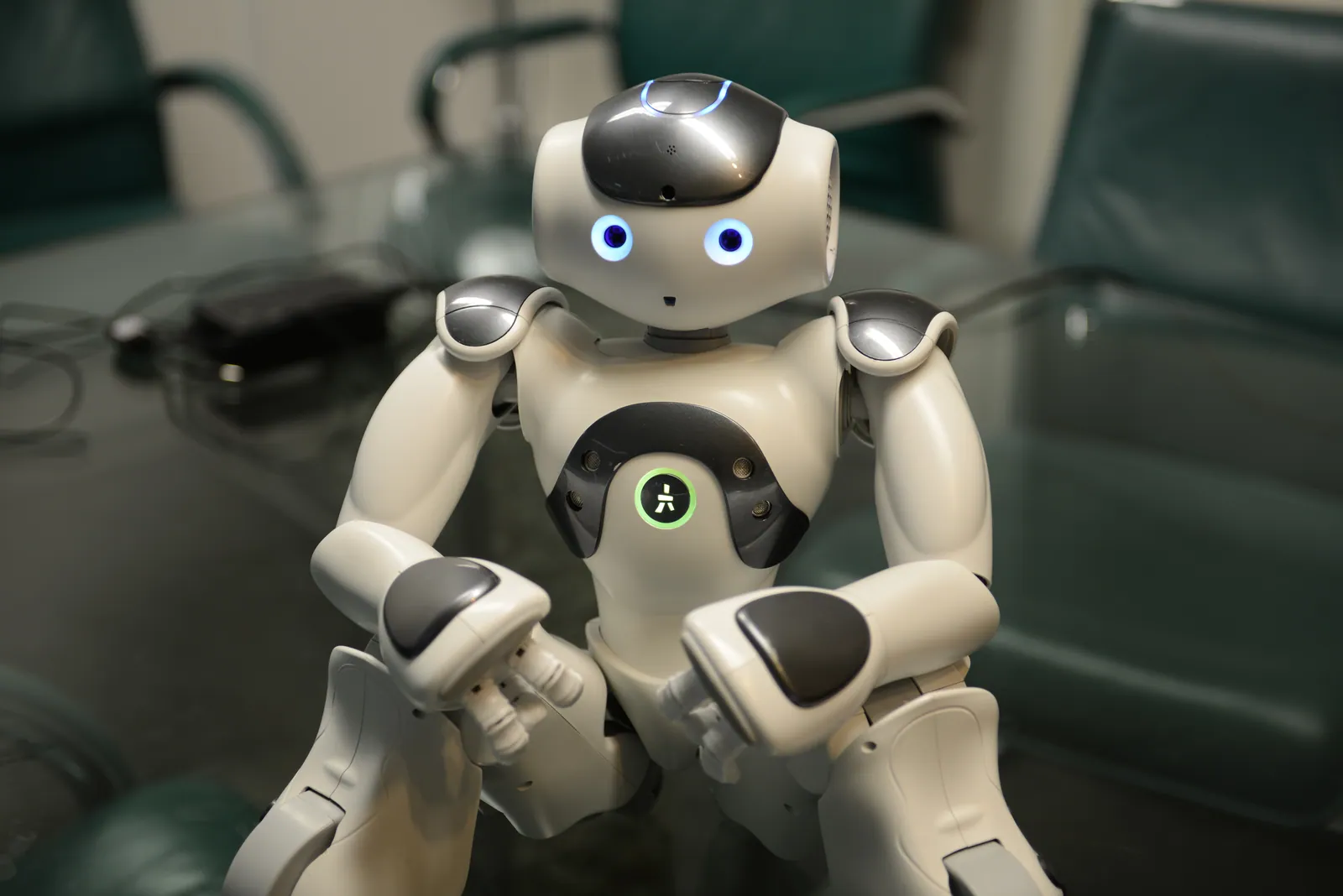
Schools buy robots from USD 175 (Ozobot Evo) to robot arms for more than EUR 2,000; the LEGO SPIKE Prime 45678 was retired on 30 June 2026.
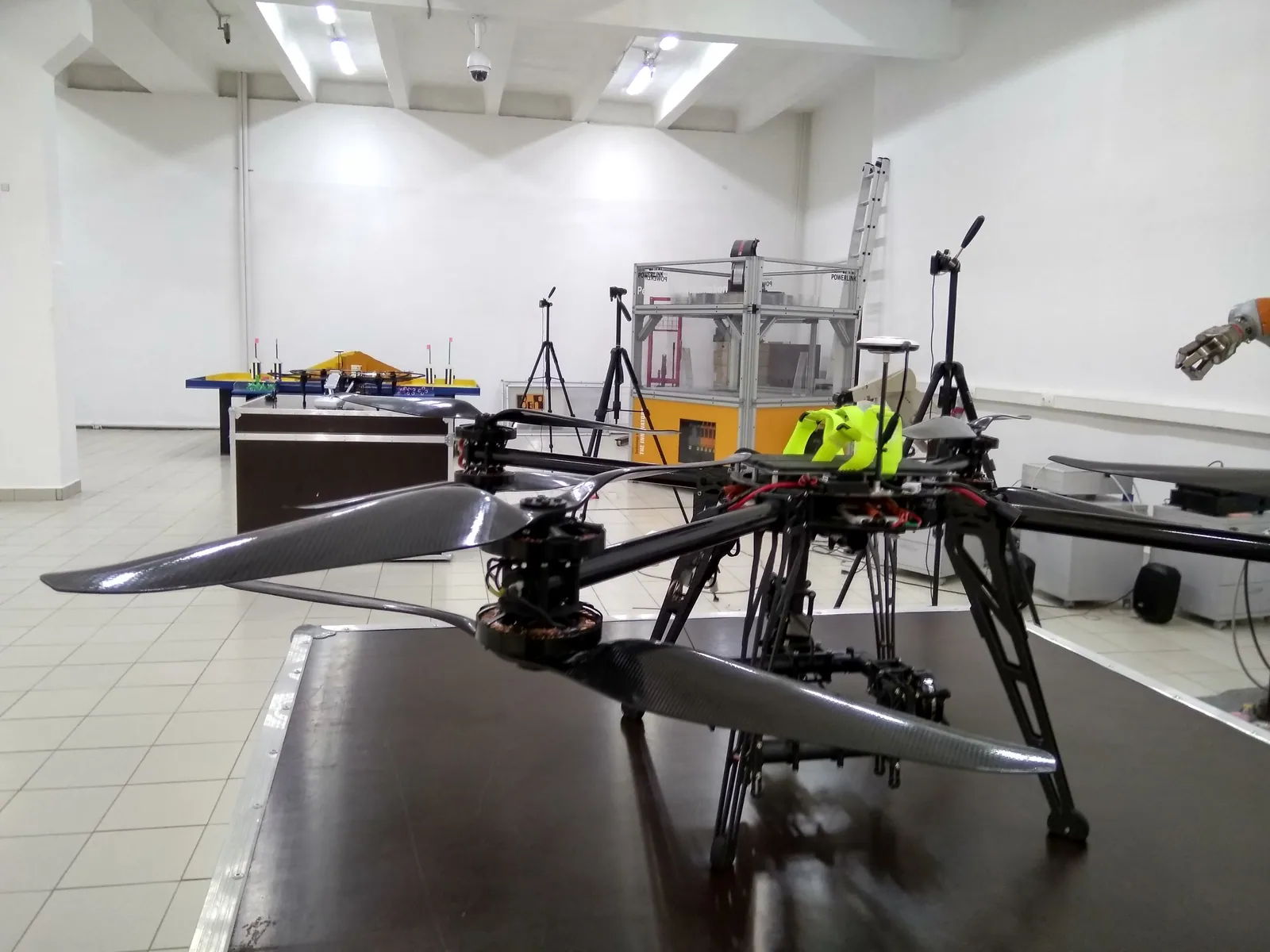
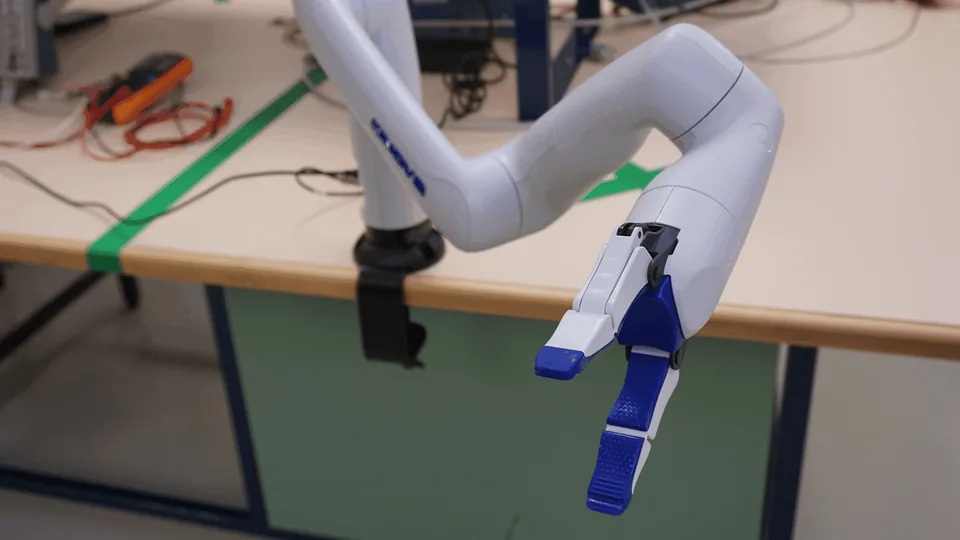
Universities buy research platforms: the Unitree G1 humanoid from USD 13,500, the Franka arm for about EUR 25,000, and the open SO-101 in parts for about USD 230.
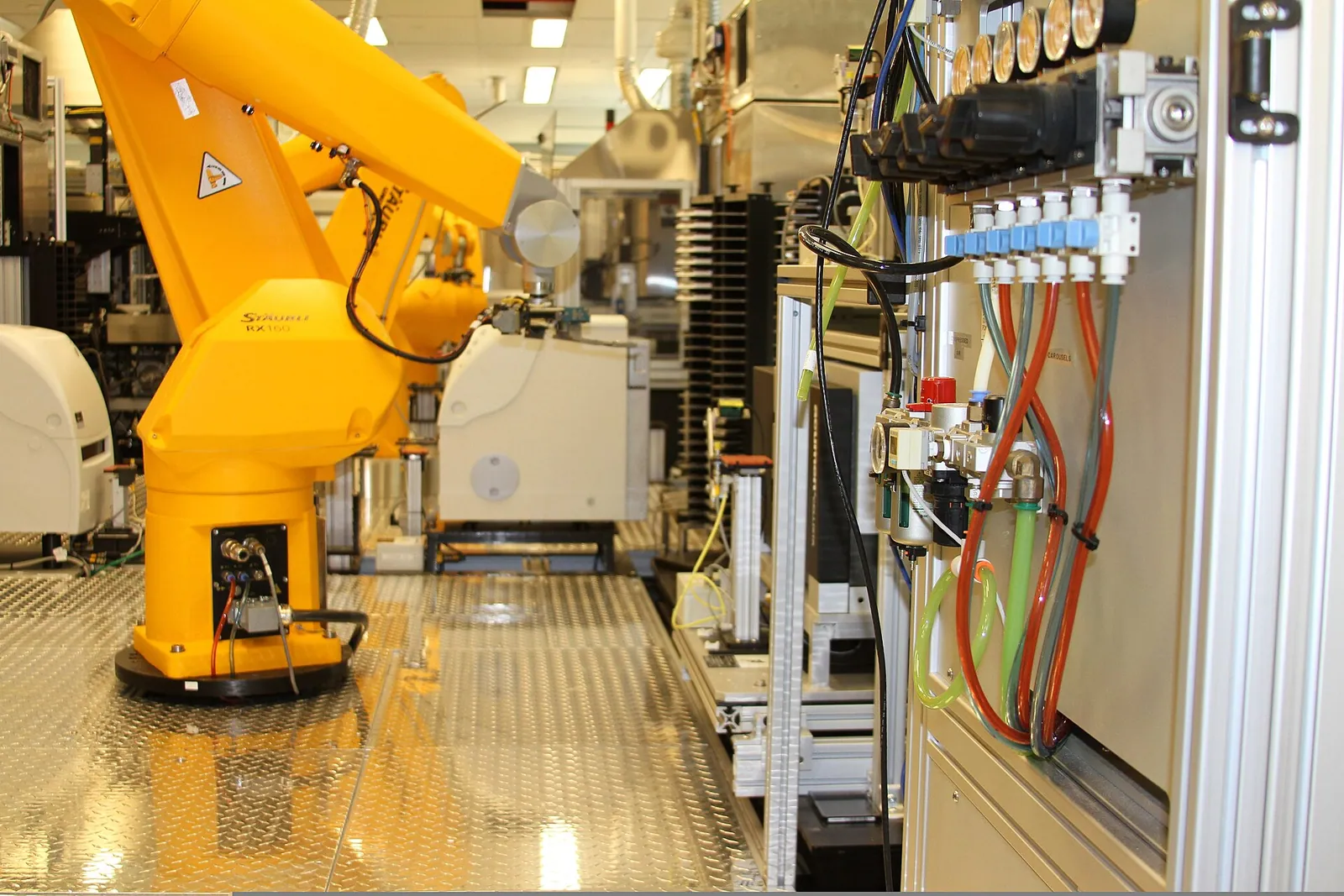
In the lab, repeatability counts: from 5 micrometers (Meca500) to ±0.1 mm (Franka Research 3), with prices starting at about PLN 890 (≈ EUR 205) (SO-101).
Guide
Educational robots are kits and platforms designed for learning programming, electronics and the basics of robotics — from simple toys for the youngest children, through programmable brick sets, to advanced training stations for technical universities. This is one of the few robotics categories in which Poland has a mature domestic distribution market, with numerous shops specializing solely in STEM education.
On this page we have grouped models by age range and level of difficulty — from screen-free kits for preschoolers, through popular block-programming platforms for primary school, to kits with real text code (Python, C++) for older teenagers and students of technical subjects. For each model we give the recommended age, the programming method, the price and availability from Polish distributors.
The category also includes kits that prepare students for robotics olympiads and competitions, which are increasingly popular in Polish schools and technical universities, and platforms used in robotics clubs run after lessons. Filter the table below by age group and price range to choose a kit suited to your child's or class's level.
The most important criterion is matching the difficulty level to the real skills of the child or student — a kit that is too hard quickly discourages, and one that is too easy bores after a few sessions. For a first encounter with robotics, block programming or screen-free control works well; only the next stage is moving on to text code.
Check the availability of Polish-language learning materials and support — some platforms have only English documentation and community, which can be a real barrier to adoption for a teacher without a good command of the language. Pay attention also to build durability when buying for a school, where equipment passes through many hands and groups — a cheaper kit that falls apart after a month costs more in the long run than a sturdier premium model.
For institutional purchases (schools, universities), it is worth checking the availability of education digitalization funding programs and the group-purchase discounts offered by some distributors. If you are buying a kit for home, consider also the availability of an online community and ready-made projects — these, not the technical specification alone, decide whether a child will want to come back to the kit after the first week.
Buying guide
Our listing of educational robots contains 15 models from 13 manufacturers. Eleven are on regular sale, two have been withdrawn (the LEGO Education SPIKE Prime Set and Moxie), and two are academic prototypes (the SigmaBan and ToddlerBot). We have confirmed sales in Poland for five models: the NAO, Dobot Magician, Dobot MG400, LEGO Education SPIKE Prime Set and myCobot 280.
The prices we know range from about PLN 678 (≈ EUR 155) for the Ozobot Evo starter kit (USD 175) to about PLN 24,700 (≈ EUR 5,650) for the Dobot MG400, converted from a European price of EUR 5,649. For that same Dobot MG400 the Polish offer on Allegro is PLN 12,565 (≈ EUR 2,870), so the gap between sellers exceeds PLN 11,200 (≈ EUR 2,560). It is a good example of why you should always compare several offers.
The category is shaped like an hourglass. At the bottom are cheap coding kits (Ozobot, LEGO), at the top arms and humanoids for universities, and the middle, a solid school robot with Polish support and lesson materials, is thinner than the adverts suggest. Two cases from recent months have also hit schools directly: LEGO Education withdrew the SPIKE Prime set from sale on 30 June 2026, and the maker of Moxie switched off its servers in January 2025. We describe both below.
Coding kits for children: the Ozobot Evo (screen-free, follows lines, weighs 28 g, runs for about an hour) and brick-based kits such as the LEGO Education SPIKE Prime Set. Ozobot is designed for pre-school and the youngest classes, SPIKE Prime for years 6–8.
Desktop robotic arms: the Dobot Magician (4 axes, 0.5 kg payload, also 3D printing and laser engraving), Dobot MG400 (SCARA, 440 mm reach, 0.75 kg payload), myCobot 280 (6 axes, 250 g payload) and myCobot 320 (1 kg payload). For technical schools, technically oriented upper secondary schools and first-year students.
Open and DIY platforms: the SO-101, a pair of arms for imitation learning built from printed parts and servos. The bill of materials itself gives USD 121.94 for one arm and USD 229.88 for a leader–follower pair. It is the cheapest entry to modern robot learning, but it takes 3D printing and time.
Humanoids and platforms for human–robot interaction research: the NAO (58 cm, 25 DOF), ROBOTIS OP3, SigmaBan and ToddlerBot. For universities and RoboCup teams.
Companion robots for children: the Moxie (withdrawn) and Miko 3. Educational only in a broad sense: they are companions for children, not robotics learning kits.
We wrote about approaching robotics education at various stages in “How to Start Learning Robotics in Poland”, and about equipping universities in “Educational Robots for Schools and Universities”.
A kit that is too hard discourages, one that is too easy bores. For a first contact, block programming and screen-free work, as with the Ozobot Evo, is a good fit. Text code (Python) makes sense from about age 10–12.
Before buying, check whether the line is still developed. The LEGO Education SPIKE Prime Set (45678) was withdrawn on 30 June 2026, app support is to continue until 2031, and schools are being steered to a new LEGO offer. The NAO has sold about 20,000 units, but the manufacturer's future after financial trouble is uncertain. The Moxie stopped working after its servers were switched off.
Of the 15 models, five can be bought from Polish sellers. The rest are imports. Check whether there are Polish lesson plans or only English documentation. For a teacher without good English this can be a real barrier.
In a school, equipment passes through many hands. Ask about the availability of arms, servos and cables as spare parts. A cheaper kit that falls apart after a term costs more than a sturdier model.
Judge the price per workstation. For the Ozobot Evo a set of 6 robots costs USD 999, 12 robots USD 2,050 and 18 robots USD 2,990, which gives a clearly lower unit price than the starter kit.
Platforms with an open SDK and a community (SO-101, myCobot 280) offer projects beyond the lesson programme. Closed apps may age faster.
A powered arm can pinch a finger. Check the force limits and the size of the working area. We describe the basics of the standards in “Robot Safety Standards”.
Up to about PLN 1,000 (≈ EUR 230): coding and DIY. The Ozobot Evo (starter kit about PLN 678 (≈ EUR 155)) and the SO-101 (about PLN 891 (≈ EUR 205) for a pair of arms from parts, excluding printing and labour).
PLN 2,000–8,000 (≈ EUR 455–1,830): bricks and small arms. The LEGO Education SPIKE Prime Set (PLN 2,199–2,499 (≈ EUR 505–570) in Polish shops, but withdrawn), myCobot 280 (PLN 3,990 (≈ EUR 915) in a Polish shop, about PLN 2,520 (≈ EUR 575) at the US price) and Dobot Magician (PLN 5,749–7,179 (≈ EUR 1,320–1,640) depending on the package).
Above PLN 12,000 (≈ EUR 2,740): working arms and humanoids. The Dobot MG400 (PLN 12,565 (≈ EUR 2,870) on Allegro), myCobot 320 (about PLN 15,505 (≈ EUR 3,550), but the price dates from 2022 and has not been refreshed) and NAO (PLN 49,900 (≈ EUR 11,410) in a Polish shop). For the Kinova Gen3 Lite, ROBOTIS OP3 and Trossen AI Stationary the manufacturers give no public prices.
In 2021–2023 primary schools could buy robots, microcontrollers and 3D printers from the catalogue of the government programme "Laboratoria Przyszłości" (Laboratories of the Future), financed with nearly a billion zlotys. The call has closed, and we have not confirmed a further edition. Today schools most often finance such purchases from the budget of the governing body, from local grants or from parent-council funds, and the availability of calls changes every year, so check current announcements.
For universities and training firms the robotisation tax relief comes into play, but it applies to industrial robots that meet the statutory criteria. A desktop educational arm is unlikely to be among them, so ask a tax adviser before you plan the budget. We describe the mechanism in “Poland's Robotization Tax Relief”. We found no programme aimed at parents buying a robot for home.
Primary school and club. Cheap kits in numbers that allow pair work do best. The Ozobot Evo suits the youngest, and programmable bricks the older classes. Start with a few units and expand after a term, when you can see what really works.
Technical school. Here a desktop arm pays off, on which a student writes a first pick-and-place program. The Dobot Magician and myCobot 280 are available in Polish shops, so an invoice and a warranty are easier to get. These arms will not replace an industrial robot, but they show the same way of thinking: coordinate frames, trajectories, gripper.
University and laboratory. The choice depends on the research topic. For imitation learning the SO-101 is enough; for human–robot interaction work the NAO is still used, bearing in mind the manufacturer's uncertain future. For platforms such as the Kinova Gen3 Lite the manufacturer gives no public price, so expect a wait and negotiation.
Every price has a source and a date. We treat a price from a Polish shop as more important than the manufacturer's price in dollars or euros, and we mark conversions as indicative. If a price is several years old, we say so plainly, as with the myCobot 320. We consider availability in Poland confirmed only after finding a specific seller. Models that fail our quality check do not make it into the listing. If you find an error, write to us and we will correct it with a note.
When comparing offers, compare the same configuration: the same accessory package, warranty period and VAT rate. For the Dobot Magician the price depends on the plan (Basic or Advanced Educational), and a class set of Ozobots has a different unit price from a single robot. A difference of several thousand zlotys often comes from the package rather than the robot itself.
We describe equipping a school in the school section and university laboratories in universities. If you want an industrial reference point for these arms, see the cobots category. Terms such as DOF or payload are explained in “Robotics Glossary: 65 Terms with Polish Equivalents”.
The simplest block kits (screen-free programming, controlled with colored buttons) are designed for children as young as 5–6, while platforms with text-based programming (Python, C++) usually make sense from around age 10–12, at a first encounter with coding.
Simple DIY kits to assemble yourself start at a hundred-odd zlotys (PLN), popular platforms in the LEGO Mindstorms class are usually PLN 1,000–1,800 (≈ EUR 230–410), and advanced kits for teaching industrial robot programming in technical schools can cost several thousand zlotys per workstation.
Many schools and institutions finance robotics kits from grant programs for the digitalization of education or from the budget of their governing body — it is worth checking current application rounds, because the availability of funds changes from year to year.
Not only — well-designed kits also teach the basics of mechanics, electronics, logical thinking and teamwork on group projects, which makes them a tool for teaching STEM subjects, not just computer science.
Besides the classic LEGO Mindstorms/Spike Prime, popular choices are DIY kits sold by Polish distributors of educational shops, and microcontrollers (Arduino, micro:bit) with dedicated robot kits, used in robotics club sessions and in preparation for robotics olympiads.
From about PLN 678 (≈ EUR 155) for the Ozobot Evo starter kit and about PLN 891 (≈ EUR 205) for a pair of SO-101 arms from parts, through PLN 2,000–8,000 (≈ EUR 455–1,830) for bricks and small arms (SPIKE Prime, myCobot 280, Dobot Magician), to PLN 12,000–50,000 (≈ EUR 2,740–11,440) for the Dobot MG400 or the NAO in Polish shops.
Set 45678 was withdrawn from sale on 30 June 2026. The manufacturer promises app support until 2031 and steers schools to a new offer. When planning a purchase for the next school year, take this into account in the order.
In 2021–2023 the government programme "Laboratoria Przyszłości" ran, and primary schools bought robots and microcontrollers through it, among other things. Its call has closed, and we have not confirmed a further edition. Today purchases are usually financed by the governing body or local grants.
We have confirmed sales in Poland for five of the 15 models: the NAO, Dobot Magician, Dobot MG400, LEGO SPIKE Prime (withdrawn) and myCobot 280. The rest are imports.
Partly, but be careful. Moxie stopped working after its servers were switched off in January 2025. Before buying, check whether the robot works locally or needs the cloud.