prototype
Price from
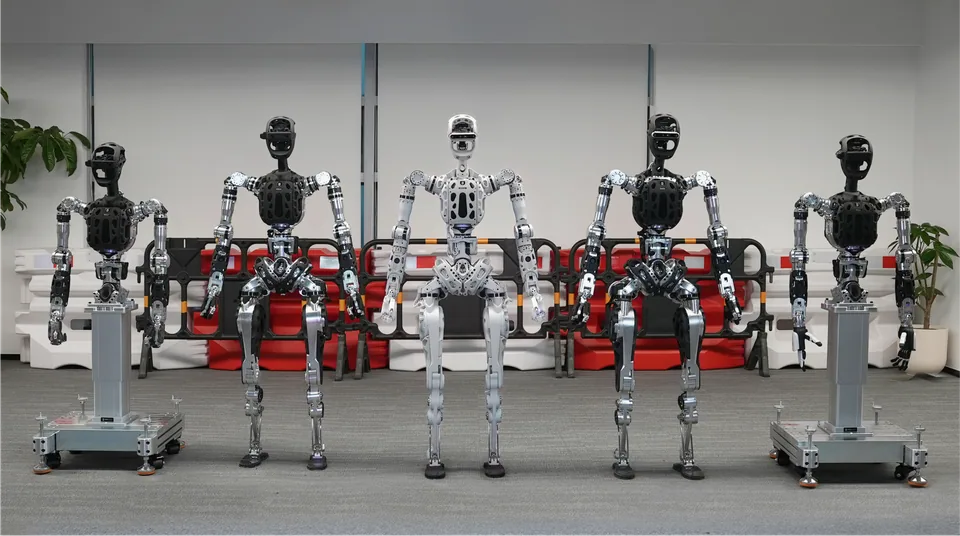
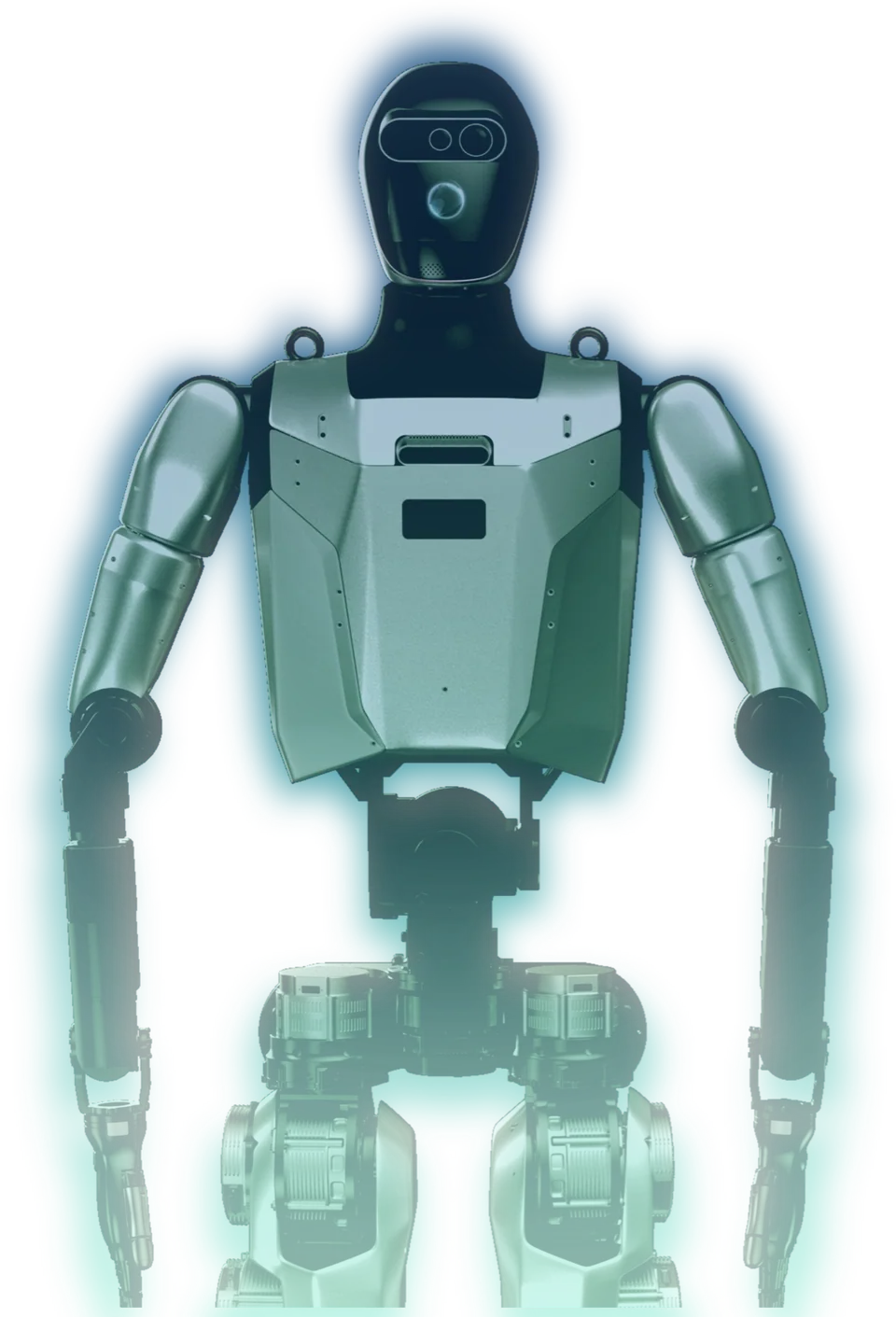
The American startup Foundation, founded in 2024 by CEO Sankaet Pathak, has already tested its bipedal humanoid Phantom under combat conditions in Ukraine, an unusual path for a young robotics company.
The design rests on proprietary actuators and a hybrid AI system, and the manufacturer does not disclose the robot's physical parameters (height, weight, degrees of freedom), which makes direct comparison with civilian humanoids such as the Figure 03 or Fourier GR-3 difficult. Foundation plans to build 50,000 units by the end of 2027, offered not for sale but on lease for roughly USD 100,000 per unit per year.
The company holds Pentagon research contracts worth about USD 24 million, and Eric Trump is listed among its advisers, unusual political backing for the industry. Phantom's strengths are its aggressive scaling pace and its military and political connections; its weaknesses are a complete lack of public technical data and a focus on defense applications, which limits comparability with commercial robots and practically rules out availability in Poland.
This is a model for military institutions and large industrial plants in the US, not for the civilian European market.
no data
Purchase: you can't buy a Phantom; Foundation is betting on leasing. According to Forbes the rate is about USD 100,000 per year per unit. You can work out the zloty amount from the current exchange rate, since we don't want to quote a conversion that will be out of date in a month.
Operation and training: the lease price may include service and updates, but the manufacturer has not published the contract terms, so we don't know what is included. Operator training and integration with the plant floor are costs that cannot be assessed without a pilot. How to build a total-cost calculation is described in “Humanoid Robot TCO: How to Calculate Total Cost”.
For a comparison with the prices of robots bought on the Polish market, see “How Much Does a Humanoid Robot Cost in 2026”.
No confirmed distributor in Poland
Most humanoids get shown at trade fairs, against white walls and with a smile for the camera. Foundation's Phantom went where nobody stages demos: according to CNBC, the robot was tested under combat conditions in Ukraine. That alone says what this bipedal humanoid is designed for: tasks in which a human is exposed to risk. The military and defense are the number-one direction indicated, alongside planned use by the US Army.
The second direction is industrial work. Foundation is announcing leasing instead of sales: about USD 100,000 per year per unit, according to Forbes. That model makes sense for plants that want to pay for the robot's work rather than buy hardware and hire service technicians. Applications that follow from this logic (an inference from the category, not a manufacturer claim): moving crates in a warehouse (warehouses), staffing workstations on a production floor (factories), security tasks (security).
It is worth saying plainly what we don't know. Foundation does not disclose the robot's height, weight, degrees of freedom or payload; it claims proprietary actuators and a hybrid AI system. Without parameters you cannot compare it fairly with civilian models such as the Figure 03 or Fourier GR-3. Before you believe any scenario, ask the supplier for a datasheet and read it using the rules in “How to Read a Robot Datasheet”.
The Phantom suits military institutions and large industrial plants in the US; the company has Pentagon research contracts worth about USD 24 million. It is a model for customers who can negotiate a fleet lease rather than buy a single unit.
It does not suit Polish civilian companies: the robot is not available in Poland, and its defense profile may also mean export restrictions (this is our assessment; the manufacturer does not confirm it). Nor is it a solution for university labs looking for a research platform with an SDK; for them the Unitree G1 or Fourier GR-2 makes more sense. If you are interested in a factory robot you can realistically order, see our article “Humanoid Robots in Factories 2026”.
Confirmed: Phantom tests in Ukraine under combat conditions (CNBC, May 2026) and planned use by the US Army. The Pentagon research contracts total about USD 24 million. For what civilian humanoids do in Poland and how they affect the labor market, see “Humanoid Robots and the Polish Labor Market”.
If you are looking for an industrial humanoid that has documentation and customers, consider the following.
Agility Digit 5: a logistics robot from the American company Agility, designed for warehouse work; the manufacturer has a public track record of logistics pilots (Agility Robotics).
Apptronik Apollo: a humanoid for industrial and logistics applications, piloted with partners; covered in “Apptronik Apollo in Mercedes-Benz Factories”.
Figure 03: a humanoid whose previous generation has a documented deployment at a BMW plant and a declared delivery scale.
UBTech Walker S2: a Chinese humanoid in industrial pilots; for the broader context of Chinese manufacturers, see “Chinese Humanoid Robots”.
Foundation was founded in 2024 in San Francisco by CEO Sankaet Pathak. The company unveiled the Phantom in December 2025, betting on novel actuators and a hybrid AI system. Before anyone had seen the full specification, the robot already had tests in Ukraine behind it, which CNBC and Interesting Engineering reported on in 2026. The company declares a plan to build 50,000 units by the end of 2027, which, with no publicly known production line, should be treated as an announcement, not a fact. Eric Trump is among its advisers. Company profile: Foundation. This is not a series of generations, as with Tesla or Figure AI; for now there is one publicly known design and its first pilots.
Model unveiled
Not off the shelf. The Foundation Phantom runs in pilot programmes with selected customers, and there is no official seller in Poland.
No. The company offers it only on lease, for about USD 100,000 per unit per year.
Under combat conditions in Ukraine, and Foundation also plans deployments with the US military.
The manufacturer does not publish this data.
Author, source and licence of the photo are given in the caption. Shop links may become affiliate links in future, details: How we make money · How we check