Specialized Robots in Poland
Specialized robots in 2026 — medical systems, agricultural robots for harvesting and weeding, and industrial welding arms. Prices and technical data.
In the catalog: 18 models from 18 manufacturers. Available in Poland: 2.
Photo: FarmDroid, product page (farmdroid.com); Ecorobotix, product page (ecorobotix.com); GITAI, manufacturer's website (gitai.tech)
Key facts
- Models listed18 (with price: 0)
- Models with a Polish seller2 of 18
- Manufacturers18
- As of28 September 2026
Showing 18 of 18 models
-
 on sale
-
 on sale
-
 on sale
-
 on sale
-
 pilot
-
 on sale
-
 on sale
-
 on sale
-
 on sale
-
 on sale
-
 on sale
-
 pilot
-
 on sale
-
 on sale
-
on sale
Galbot (Beijing Galaxy General Robot Co., Ltd. / Beijing Galbot Co., Ltd.)New
Galbot S1
- 50 kgpayload
- 320 kgweight
- —price
-
on sale
-
on sale
-
on sale
No models match the selected filters.
| Model | Manufacturer | payload (kg) | weight (kg) | Price (PLN) | Status | In Poland |
|---|---|---|---|---|---|---|
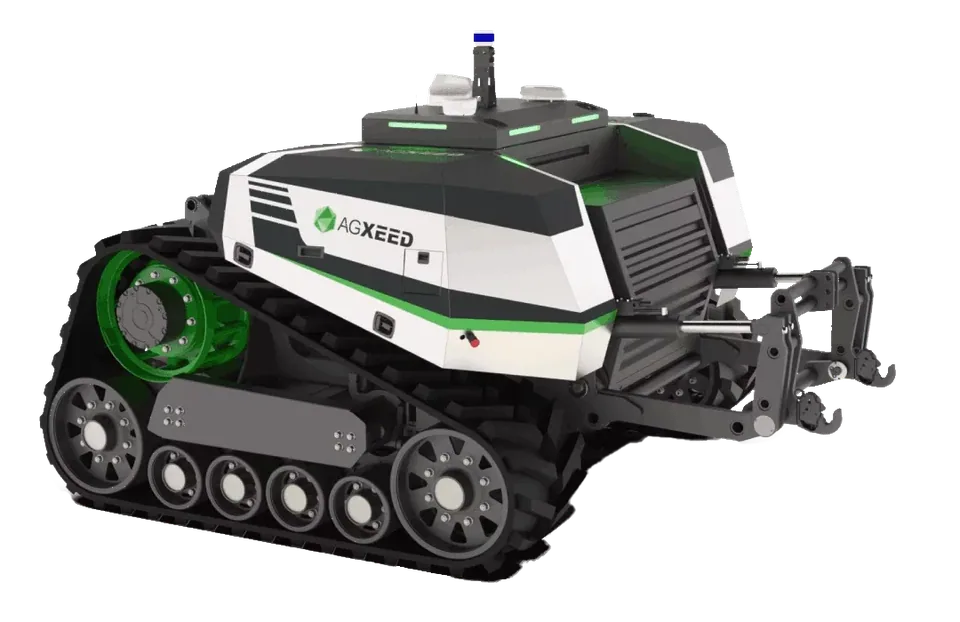
| AgXeed AgBot T2 5 Series (5.115T2) | AgXeed | — | 7,800 | — | on sale | — |
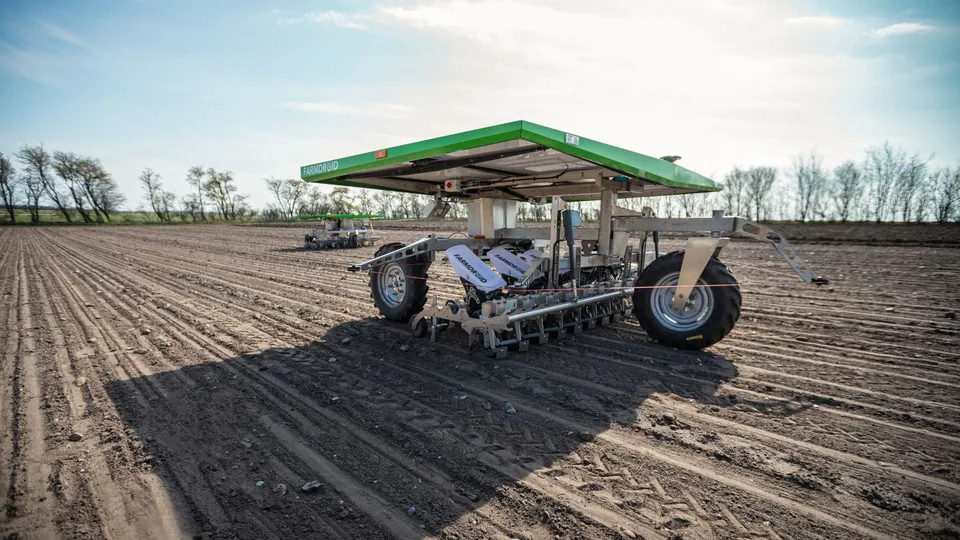
| FarmDroid FD20 | FarmDroid | — | 1,250 | — | on sale | ✓ |
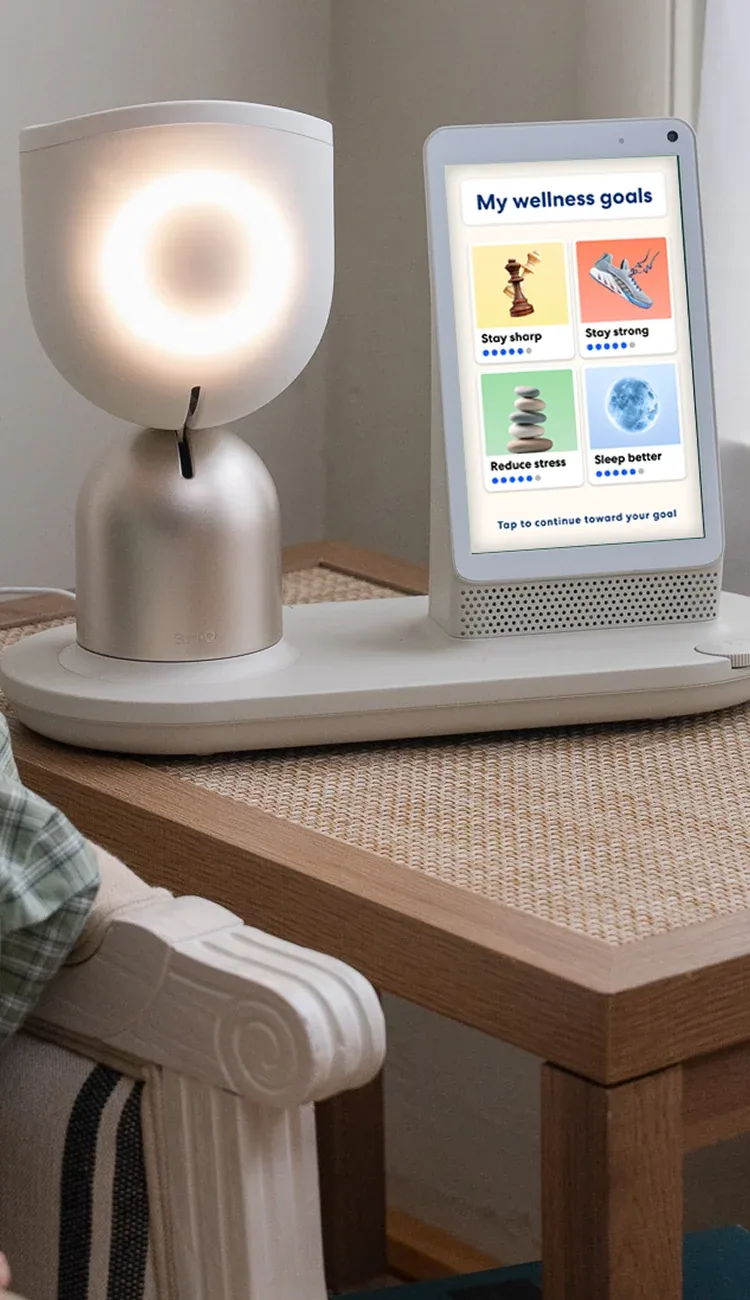
| ElliQ | Intuition Robotics | — | — | — | on sale | — |
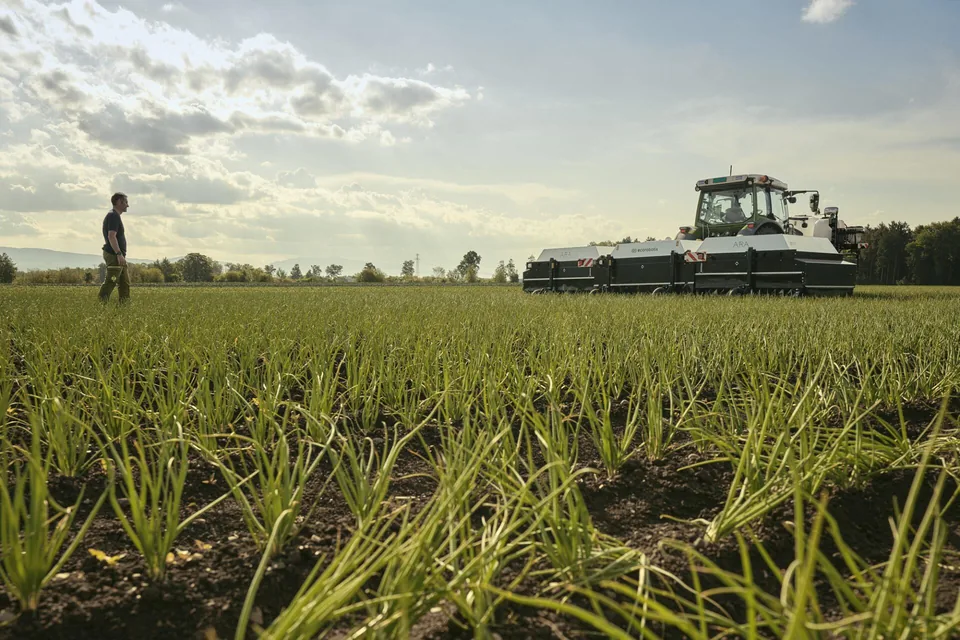
| Ecorobotix ARA (ARA620) | Ecorobotix | — | 2,550 | — | on sale | — |
| GITAI G1 | GITAI | — | 120 | — | pilot | — |
| Carbon Robotics LaserWeeder | Carbon Robotics | — | — | — | on sale | — |
| Amazon Sparrow | Amazon Robotics (formerly Kiva Systems) | — | — | — | on sale | — |
| Dusty Robotics FieldPrinter | Dusty Robotics | — | 10.43 | — | on sale | — |
| Naio Oz | Naio Technologies | 60 | — | — | on sale | — |
| Pedia_Roid | tmsuk | — | 23 | — | on sale | — |
| Versius | CMR Surgical Ltd. | — | — | — | on sale | — |
| Devanthro Robody | Devanthro GmbH | — | — | — | pilot | — |
| Realbotix Aria (Video Assistant) | Realbotix | — | — | — | on sale | — |
| Mecademic Meca500 | Mecademic | 0.5 | — | — | on sale | — |
| Galbot S1 | Galbot (Beijing Galaxy General Robot Co., Ltd. / Beijing Galbot Co., Ltd.) | 50 | 320 | — | on sale | — |
| InPost Robomat | InPost S.A. | 0.01 | — | — | on sale | ✓ |
| Direct Drive Tech D1 | Direct Drive Tech (DDT) | 100 | — | — | on sale | — |
| da Vinci 5 | Intuitive Surgical, Inc. | — | — | — | on sale | — |
Applications in this category
See the situations where models in this category prove themselves.
Garden and lawn
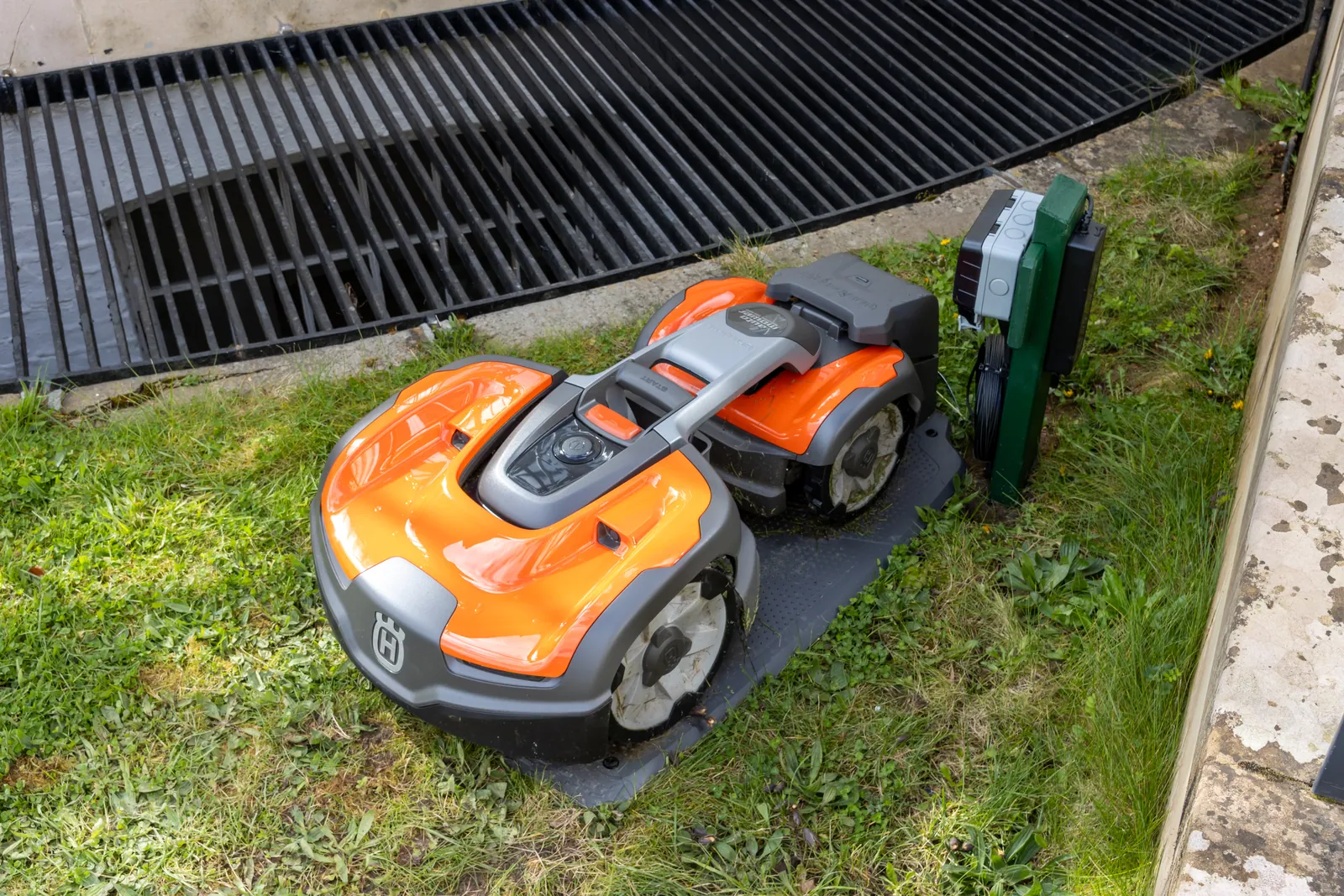
In the garden, robot mowers are mature; the Naio Oz is for professional vegetable growers, and the Unitree Go2 costs from about PLN 9,900 (≈ EUR 2,260 at NBP rate 4.3716 of 20 October 2026) in Polish shops.
Agriculture
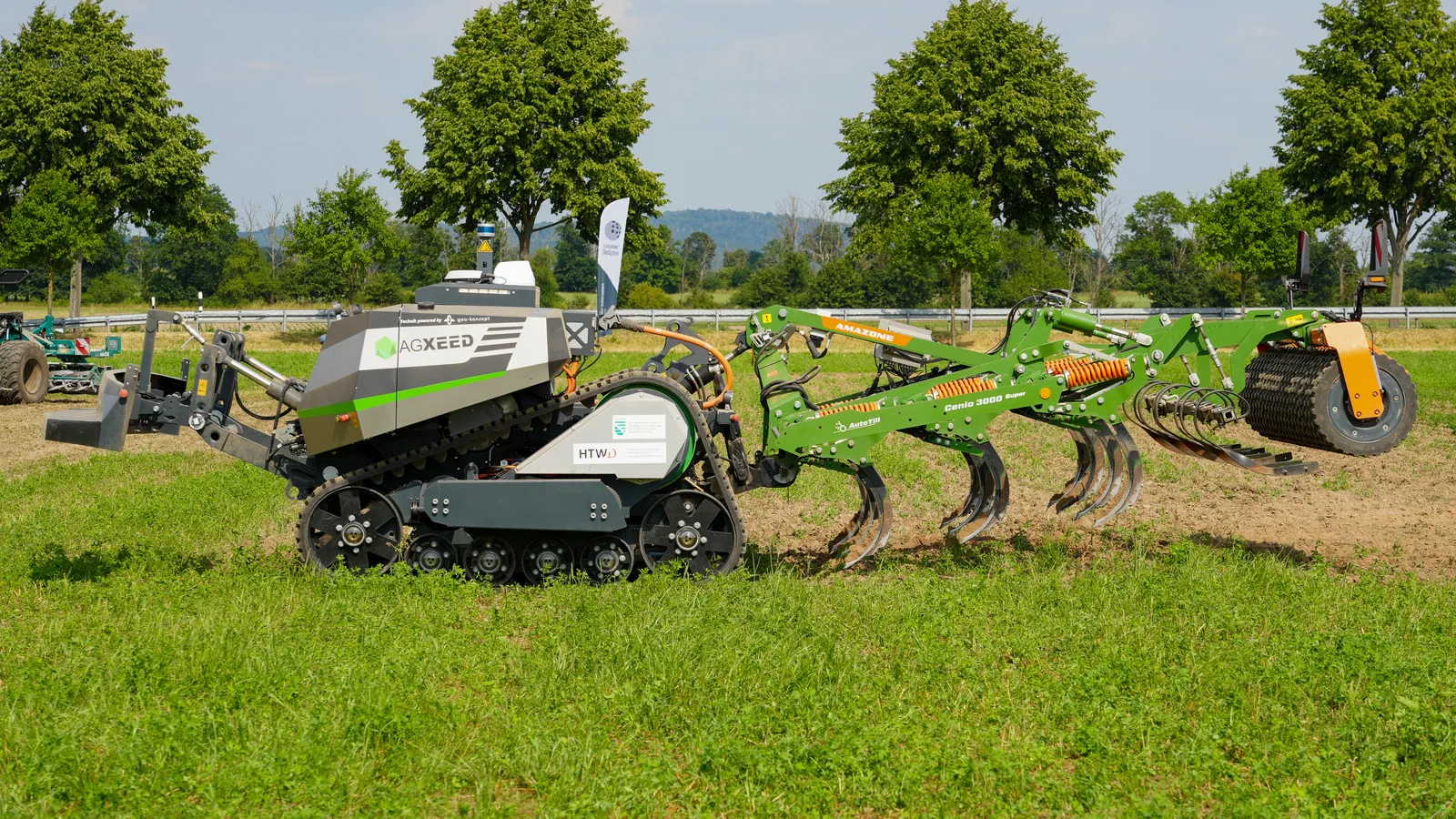
A laser that burns weeds without a gram of chemicals, a solar robot sowing with eight-millimeter accuracy: the field is no longer the exclusive domain of the tractor and the hoe.
Hospitals and rehabilitation
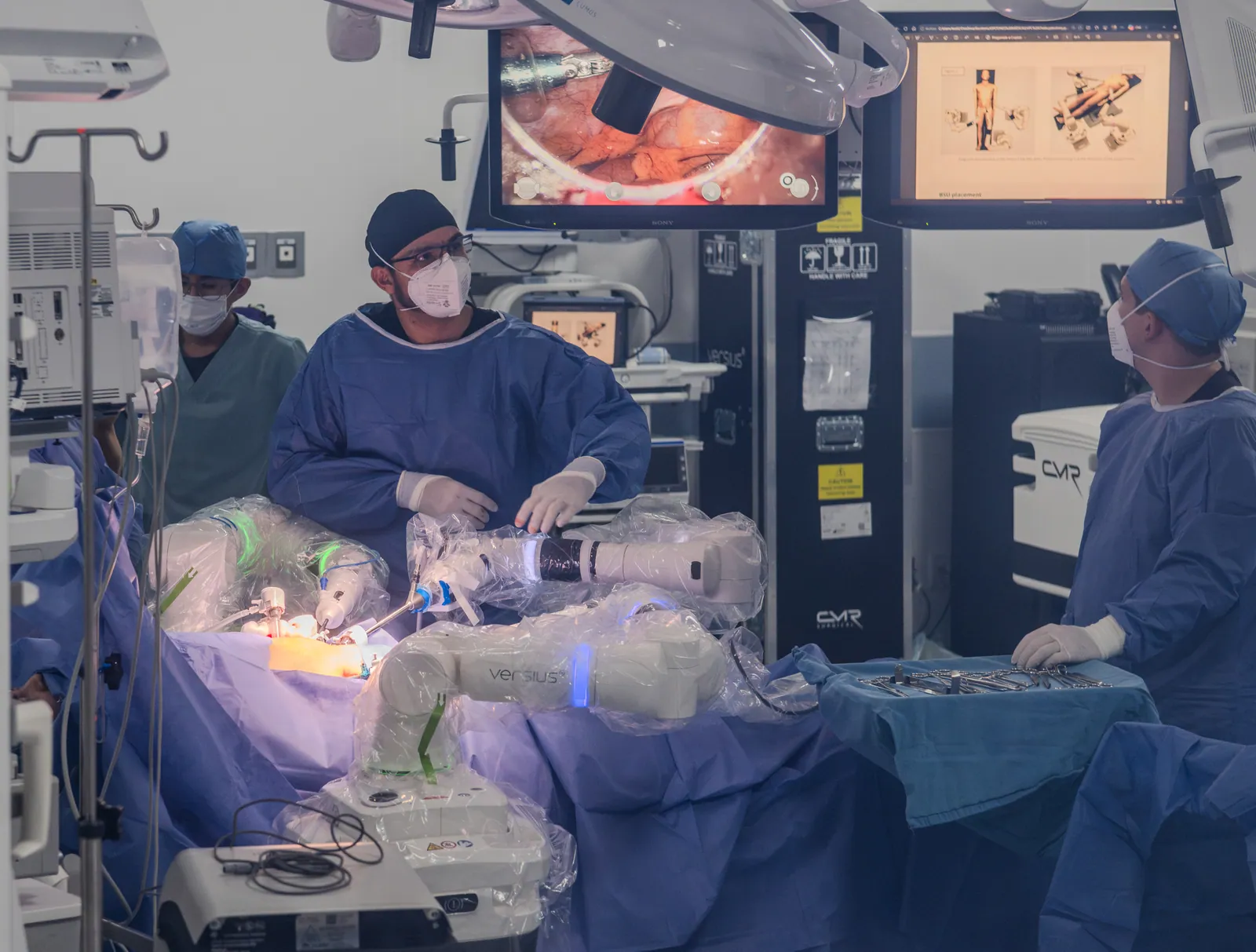
Most robots in Polish hospitals work where a surgeon needs a third and fourth hand, and a stroke patient needs a first step.
Home
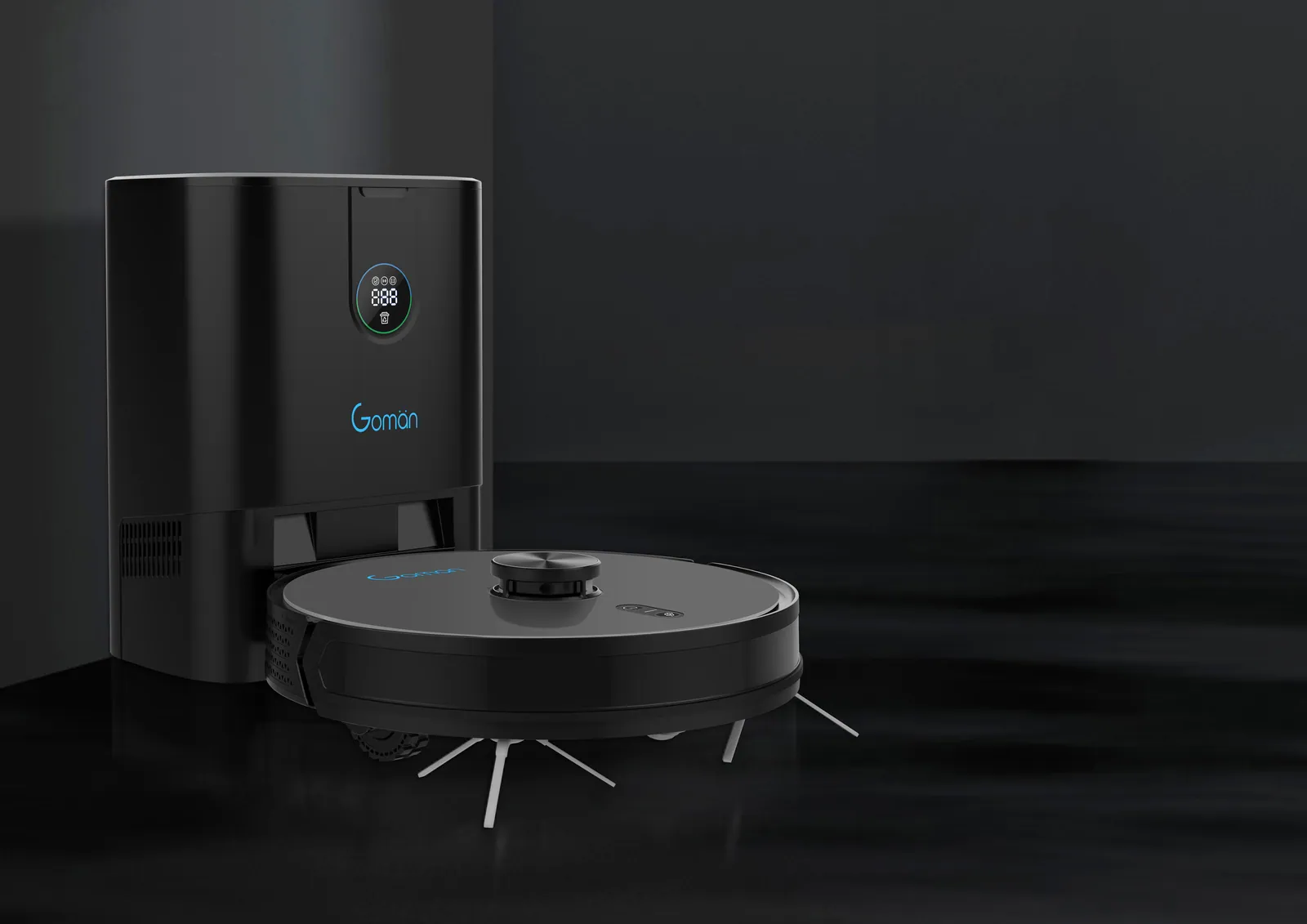
A robot that folds the laundry is today in pre-order or pilot, and in Polish shops you can mainly buy companion robots.
Laboratories
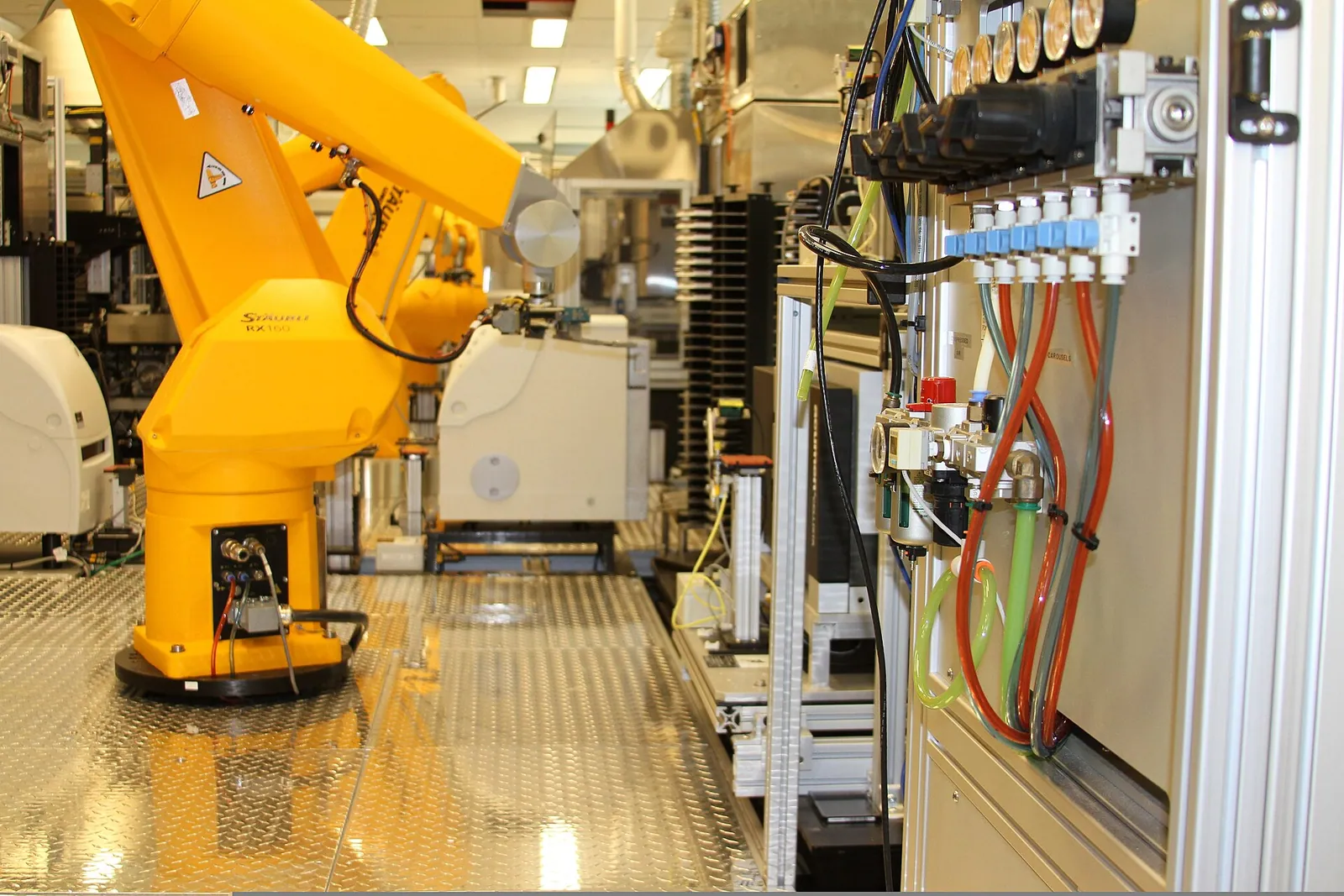
In the lab, repeatability counts: from 5 micrometers (Meca500) to ±0.1 mm (Franka Research 3), with prices starting at about PLN 890 (≈ EUR 205) (SO-101).
Guide
Specialized robots are a catch-all category for models that do not fit the eight main groups described on this site — because they work in a single, narrow application niche where a completely different set of parameters matters than in general-purpose robotics. Here you will find three main subgroups: medical robots (surgical systems assisting operations, narrowly specialized rehabilitation platforms), agricultural robots (machines for selective harvesting of fruit and vegetables, precise chemical-free weeding and crop monitoring) and classic industrial arms without human-collaboration features — fast, accurate, but requiring a separate, fenced-off safety zone, unlike the universal cobots described in their own category on this site.
What unites the models in this group above all is that the buyer almost always knows exactly which single task the robot is needed for — they do not compare versatility, but fit to a specific process: a type of procedure, a crop or an assembly operation. That is why data on certification, compliance with industry standards (medical, food, machinery safety) and the availability of service and specialist training are especially important for these models — often more so than the purchase price itself. Prices and availability in Poland vary enormously between the subgroups: from several tens of thousands of zloty for a simple industrial arm to multimillion-zloty contracts for surgical systems for hospitals.
How to choose a specialized robot
Start by describing the task and the formal requirements precisely: in medicine, check the certification and the required scope of staff training; in agriculture, compatibility with the row spacing and harvest timing on your farm; in industry, the duty cycle, the required repeatability and whether the process really needs a classic industrial robot or whether a cheaper cobot from the separate category on this site will do. Ask the supplier for references from a similar application — in this category general market opinions matter less than in mass-market robotics, because each deployment is highly individualized.
Buying guide
Buying guide: Specialized Robots in Poland
The specialist robot market in 2026
This category holds robots that fit no other group because they serve one narrow niche. Our catalogue lists 16 of them and all have full model pages: five medical, three agricultural, three classic industrial arms and five in the "other" group. Fourteen are on sale, two are pilots, and some devices are internal products. We confirm availability in Poland for one: InPost Robomat is part of the InPost network. The Amazon Sparrow works in Amazon's Polish centres, but it is internal equipment, not a product for sale. Neither can be bought as an end customer.
There is also no public price. For none of the 16 models do we have a documented list price, and manufacturers say outright that the quote depends on the customer. That is a trait of the whole category: a buyer in medicine or agriculture rarely compares price lists and more often judges fit to one process, certification and service. This guide therefore rests on criteria, not price tables.
This matters for expectations: even if a robot has a full page in the catalogue, it does not mean it can be ordered. The page describes the device, its purpose and the available data, while availability is a separate field that we fill in only when we have confirmation. So for each model check not only the description but also whether the manufacturer or a distributor in Poland sells it at all.
Types of specialist robots
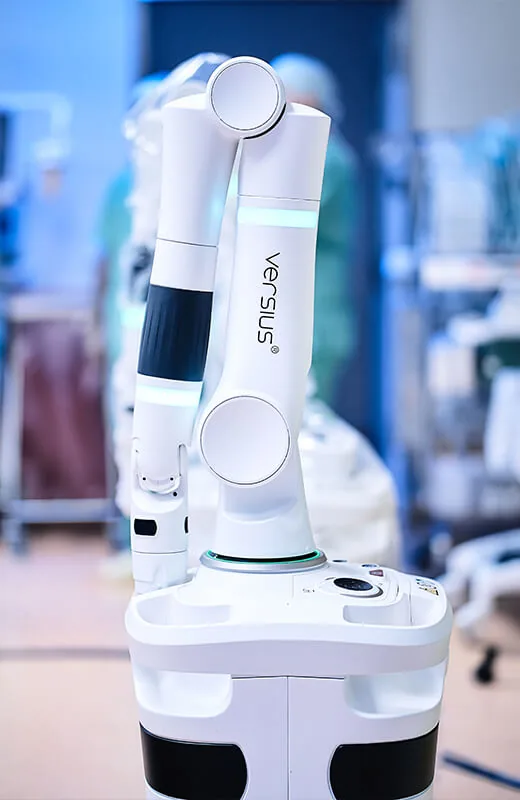
Medical and care robots. da Vinci 5 is the fifth generation of the surgical system from Intuitive Surgical, and Versius is a modular system from the British CMR Surgical with a V-Wrist joint that, according to the maker, had performed more than 20,000 procedures by 2024. Pedia_Roid is a child-patient simulator for emergency training (110 cm, 23 kg), while ElliQ and Devanthro Robody are companion and care robots, of which only the first is on sale, though not in Poland.
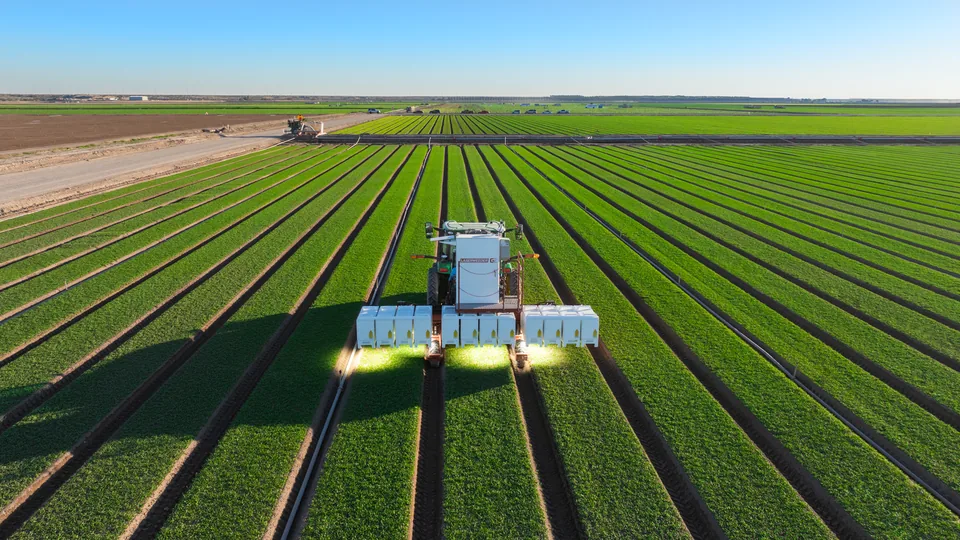
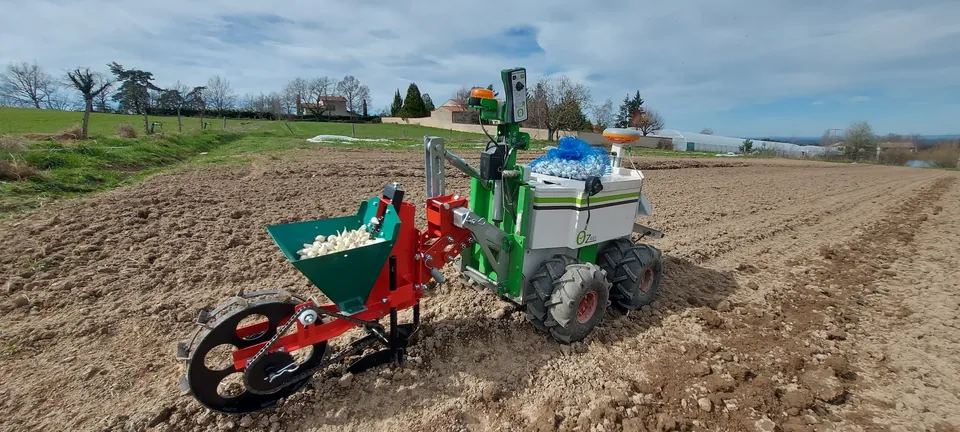
Agricultural robots. Carbon Robotics LaserWeeder destroys weeds with lasers (30 lasers of 150 W each and 42 cameras) and needs a tractor of at least 175 hp. Ecorobotix ARA is a precision sprayer recognising more than 50 weed species that, according to the maker, cuts herbicide use by up to 95 percent. Naio Oz is an electric robot for sowing and weeding vegetables with a 60 kg payload and up to eight hours of operation.
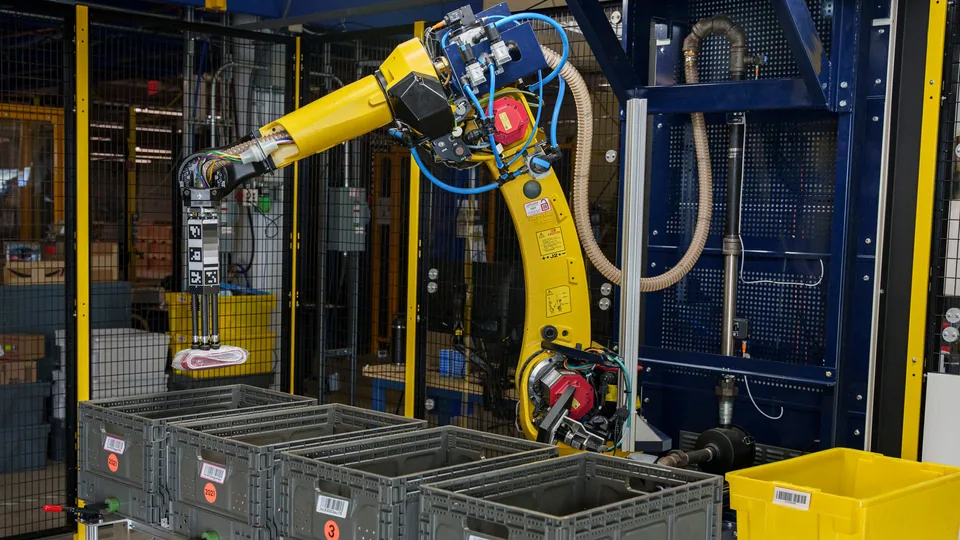
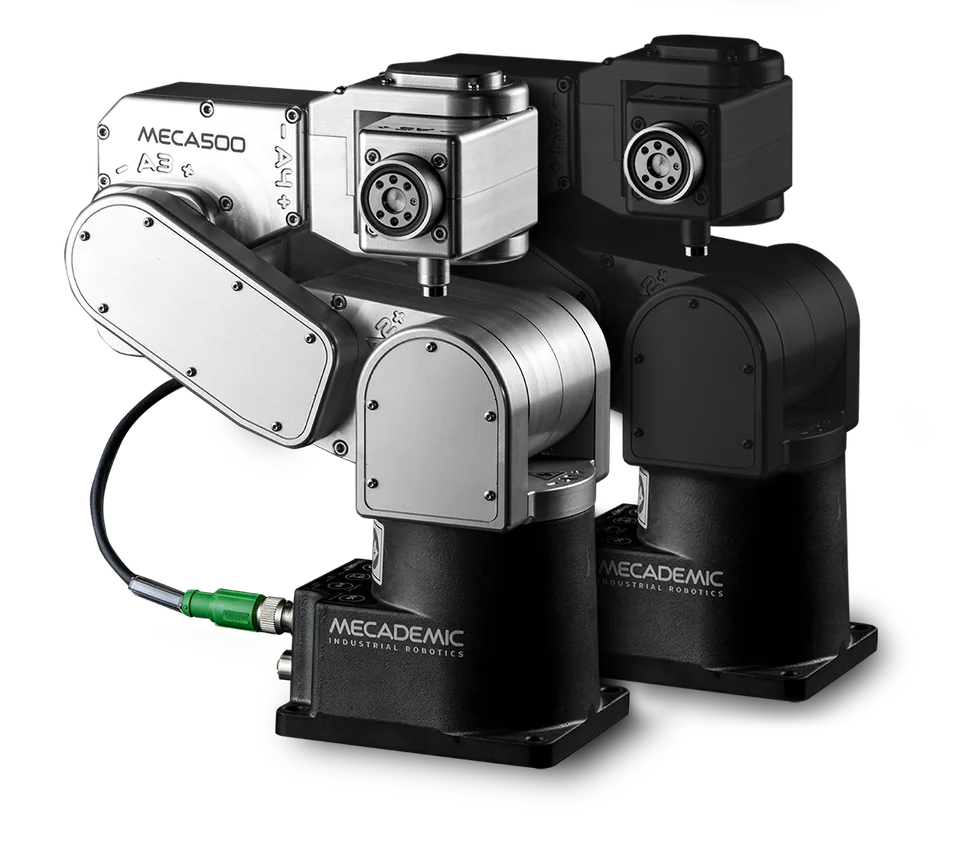
Industrial arms and manipulators. According to its maker, Mecademic Meca500 is the smallest six-axis arm (330 mm reach, 500 g payload, 5 micrometre repeatability). Galbot S1 is a dual-arm industrial robot with a 50 kg payload, working on a CATL factory line since spring 2026. Amazon Sparrow is an arm that picks single products from bins.
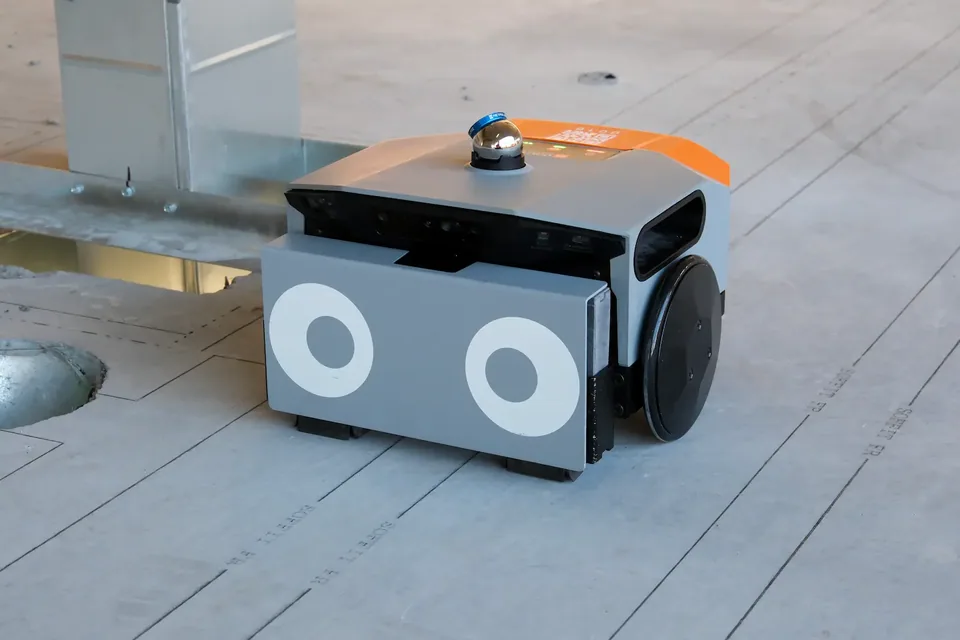
Other niches. Dusty Robotics FieldPrinter prints plans on a building site floor, but is sold only in North America. Direct Drive Tech D1 is a modular platform with a payload of up to 100 kg, GITAI G1 is a pilot space robot, and Realbotix Aria is a video-assistant android.
What to look for when buying: seven criteria
1. A clearly described task. Robots of this class are bought for a single process. Write down what it must do, in what volume and under what conditions before you start comparing models.
2. Certification and standards compliance. In medicine what counts is medical-device status and team training: da Vinci 5 and Versius go only to facilities that meet the requirements. In industry machine safety standards count, which we described in “Robot Safety Standards”.
3. Industrial robot or cobot. A classic arm needs a fenced zone; a collaborative one does not. Before buying Mecademic Meca500, compare it with the options described in “Cobots” and in “Cobot or Industrial Robot”.
4. Precision parameters. For electronics and the lab, repeatability decides, such as the 5 micrometres of the Meca500. See also laboratories. For work in a factory, payload and cycle matter more, like the 50 kg of Galbot S1.
5. Working conditions. Carbon Robotics LaserWeeder needs a tractor of adequate power, and Ecorobotix ARA is towed behind a machine and driven from the power take-off or hydraulics. Check compatibility with your equipment and row spacing. We described farming practice in “Robots in Farming: How Field Automation Looks in Poland”.
6. Service, training and references. In niches every deployment is different. Ask for a reference from a similar application, and in a hospital for a surgeon training plan. We describe the da Vinci situation in Poland in “da Vinci Robots in Polish Hospitals”.
7. Product maturity. A pilot, a prototype and a series product are three different things. GITAI G1 and Devanthro Robody have pilot status and are not a series offer.
Price classes: what we know about costs
Because prices are not public, we group by scale of investment and quote amounts only for what is documented.
Multi-million hospital systems. da Vinci 5 and Versius. The price of the current da Vinci generation is not known; according to Wikipedia, older da Vinci Si systems cost about USD 1.5-1.75 million in 2009. In Poland the average cost of one robotic operation is about PLN 30,000 (≈ EUR 6,860), and up to PLN 60,000 (≈ EUR 13,720) in complex cases, according to our text on da Vinci.
Agricultural and industrial machines. Carbon Robotics LaserWeeder, Ecorobotix ARA, Naio Oz and Galbot S1. Individual or on-request quotes, and according to our sources Naio Oz is available on request only.
Precision arms and niche devices. Mecademic Meca500 is sold through resellers with a price on request, and ElliQ is an exception with amounts, but contradictory ones: according to sources the device costs USD 250-600 and the subscription from about USD 40 a month to about USD 1,000 a year. The sources disagree on this, and the device is not available in Poland.
Funding and reimbursement in Poland
For hospitals, reimbursement of procedures is key: according to our text, most robotic operations in public oncology and university hospitals are funded by the NFZ, and NFZ spending on robotic surgery rose from about PLN 59 million (≈ EUR 13.5 million) in 2022 to over PLN 300 million (≈ EUR 68.62 million) in 2024. The hospital's purchase of the robot itself is a separate investment decision.
Manufacturing companies buying a classic arm such as Mecademic Meca500 can check the “Poland's Robotization Tax Relief”: an additional 50 percent cost deduction, according to sources for costs in 2022-2026, with an announced but unconfirmed extension. The definition of an "industrial robot" is narrow, so settle eligibility with an adviser. Farms in Poland average about 11.59 ha, which limits the economics of an individual purchase, so renting and shared use are more often considered. A general overview of grants (KPO, FENG, PARP) is in the funding section.
Three purchasing scenarios
A hospital considering robotic surgery. The decision is taken at board and surgical team level, not by the purchasing department. da Vinci 5 and Versius are compared on the range of registered indications, availability of training and service, and the number of surgeons who can work on a given system. In Poland da Vinci has the longest history and the largest number of installed systems, but growing competition may lower deployment costs over time. Ask the supplier for references from hospitals with a similar procedure profile.
A vegetable farm with row crops. Area, row spacing and the equipment you already own matter here. Naio Oz is an electric robot for sowing and weeding, while Ecorobotix ARA and Carbon Robotics LaserWeeder require a tractor. With the average farm size in Poland of about 11.59 ha, an individual purchase rarely pays off. Consider a seasonal rental or shared use with neighbours, and start with a short trial on one crop.
An electronics company or a laboratory. For assembling small components and lab automation, a precision arm such as Mecademic Meca500 works well. Purchasing questions concern repeatability, reach, payload and integration with the line controller. For heavy tasks on a production line, larger designs such as Galbot S1 are considered, which is new and has no availability in Poland confirmed in our catalogue.
Why these robots are not compared like others
In categories such as cobots or mobile robots there is a common set of parameters: payload, reach, operating time. Here such a set makes no sense, because one model lifts 500 grams, another 50 kilograms, and yet another is not a manipulator at all. So instead of a ranking we show descriptions that note what a given robot is for and what we do not know about it. If you are looking for a specific function, start from the task and only then choose the category.
Common mistakes
- Comparing unlike things. A surgical robot and an agricultural robot have entirely different success criteria.
- Buying a prototype like a product. A pilot has no series guarantee, service or price.
- Skipping training. In medicine and industry it is often a bigger cost than the hardware.
- Assuming the robot is available in Poland. Dusty Robotics FieldPrinter is sold only in North America.
- Trusting reduction claims. A result like "up to 95 percent less herbicide" is a manufacturer claim and depends on the crop.
- A single purchase on a farm without analysing scale. On a small area renting is often more sensible.
How we check the data
We compare every figure with the manufacturer's page or a technical document and record the source and date. Where there is no price we write "the manufacturer does not publish one", and where sources conflict, as with ElliQ, we show the discrepancy instead of picking one value. A model gets its own page only when it has enough verified data. For comparison see also exoskeletons, mobile robots and the “Robotics Glossary: 65 Terms with Polish Equivalents” glossary.
Frequently asked questions
How are specialized robots different from the other categories on this site?
These are models that do not fit any of the eight main categories (humanoids, cobots, quadrupeds, service robots, home robots, educational robots, exoskeletons, AMRs) — most often because they work in one very narrow niche: an operating room, a field or a welding line, and have entirely different selection criteria than general-purpose robotics.
Can the medical robots in this category be bought privately?
No. Surgical systems (for example da Vinci-type platforms) go only to medical facilities that meet certification requirements and are sold directly to hospitals or clinic networks, usually with a multi-year service agreement and training for the surgical team.
What are the agricultural robots in this category used for?
Most often for tasks that cannot be fully automated with conventional farm machinery: selective harvesting of fruit and vegetables, precise chemical-free weeding, and monitoring crop condition with cameras and sensors — as a rule on commercial farms, not backyard plots.
Do the industrial arms in this category differ from the cobots described separately?
Yes — this group includes classic, fast industrial arms without human-collaboration features (they require a separate safety zone) or arms with narrow specializations (such as arc welding or painting), unlike the universal cobots described in their own category.
What are specialist robots?
They are models that fit no other category because they serve a single niche: medicine, agriculture, classic industry or tasks such as printing plans on a building site. Their selection criteria are entirely different from those of general-purpose robots.
Can the da Vinci surgical robot be bought privately?
No. Surgical systems go to facilities that meet the requirements and are sold to hospitals together with training. We do not know the price of the current generation, and older systems cost about USD 1.5-1.75 million according to Wikipedia.
Are agricultural robots available in Poland?
In our catalogue none of the three agricultural robots has confirmed availability in Poland. The category includes Carbon Robotics LaserWeeder, Ecorobotix ARA and Naio Oz, all priced on request.
How much do specialist robots cost?
For none of the 16 models do we have a public list price. Prices depend on the customer and in medicine usually include training and service. For ElliQ sources give contradictory amounts, so we do not set them side by side.
What is the difference between an industrial arm and a cobot?
A classic industrial arm is fast and accurate but needs a fenced safety zone. A cobot can work next to a person, usually at the cost of speed and payload.
Is funding available for such a robot?
Manufacturing companies can check the robotisation tax relief, which covers industrial robots under a narrow statutory definition. Hospitals benefit from NFZ funding of procedures.