on sale
Humanoid robotson sale
iCub
Price from
approx. 1,094,200 PLN* (≈ EUR 250,300 at NBP rate 4.3716 of 20 October 2026)
converted from 250,000 EUR, NBP rate 4.3770, as of 1 October 2026
No confirmed distributor in Poland
Pros
- 53 motors in a 104 cm, 22 kg body
- 9-DOF hands with touch sensors in the fingertips
- Over two decades of publications and research
- Torso, head or hand sold separately, lowering entry cost
Cons
- About 250,000 euros with no fixed price list
- Sold only to institutions, by email order
- A research tool, not a working robot
- Not available to buyers in Poland beyond institutions
- 104cmHeight
- 22kgWeight
- 53DOFDegrees of freedom
Key facts
- Manufacturer priceapprox. 1,094,200 PLN* (≈ EUR 250,300)
- Specificationsheight 104 cm · weight 22 kg · degrees of freedom 53 DOF
- Statuson sale
- Availability in Polandnot confirmed
- VerdictFor cognition and touch labs; too expensive and too specialised for everyone else.
Summary
- ManufacturerIstituto Italiano di Tecnologia (IIT)
- CategoryHumanoid robots
- Statuson sale
- Availability in PolandNo confirmed distributor in Poland
For the iCub, the full version of the Istituto Italiano di Tecnologia's flagship research robot, expect an outlay on the order of 250,000 euros. That is an indicative price from the IIT product catalog, because orders are handled individually through info@icub.org, with no fixed price list in an online shop.
It is a distinctly smaller and lighter build than the industrial humanoids in this lineup: 104 cm tall and 22 kg, but with as many as 53 motors and hands with 9 degrees of freedom and touch sensors on the palms and fingertips, an actuator density rarely seen in such a compact size.
The robot descends from the EU's RobotCub consortium and for more than two decades has been a reference point in European research on cognition and robotics; it is one of the longest-developed platforms described here. IIT also sells individual modules, the torso, head or hand separately, which lets labs lower the cost of entry.
Compared with the newer ergoCub from the same institute, the iCub is smaller and lighter but has a longer history of scientific publications. The weak point is the lack of an open, fixed retail price and the restriction to institutional customers: the model is neither intended for nor available to individual or commercial buyers in Poland.
- iCub - Torque-Control Stepping Strategy Push Recovery - IITIstituto Italiano di Tecnologia · Load in the player above
Photo gallery
-
Photo: Niccolo Caranti, Wikimedia Commons, CC BY-SA 4.0; resized and converted to WebP -
Photo: Xavier Care, Wikimedia Commons, CC BY-SA 4.0; resized and converted to WebP
Specs
Data checked: · Sources: 2
Data from manufacturer datasheets and product pages; median over the models of this category in the database.
-
Height104 cm−39% vs. the category median (170 cm, n=80)
-
Weight22 kg−64% vs. the category median (60.5 kg, n=74)
-
Degrees of freedom53+71% vs. the category median (31, n=67)
- category medianA higher value doesn't always mean a better robot; it depends on the application.
Dimensions and weight
- Height
- 104 cm
- Weight
- 22 kg
Motion and manipulation
- Degrees of freedom
- 53
- Hand degrees of freedom
- 9
Electronics and AI
- Drive
- electric
- Sensors
- tactile sensors on the palm/fingertips
Price and availability in Poland
approx. 1,094,200 PLN* (≈ EUR 250,300)
converted from 250,000 EUR, NBP rate 4.3770, as of 1 October 2026 · Updated: no data · Source (icub.iit.it)
Approximate price according to the IIT product catalog; ordered individually through info@icub.org, with no purchase at a fixed price.
Running and deployment costs
Purchase price: about 250,000 euros for the full robot, which is 1,094,200 PLN (≈ EUR 250,300) at the 4.3770 exchange rate of October 1, 2026. This is an indicative figure from the IIT product catalog; orders are handled individually through info@icub.org, with no fixed price list and no "add to cart" purchase. The actual quote depends on configuration and may differ.
Modules are also sold: the torso, head or hand separately, which lets you lower the cost of entry. We do not have module prices, so ask directly.
Additional costs, as a rough estimate: 23% VAT (whether it can be deducted depends on the status of the institution), transport from Italy (within the EU, no customs duty), insurance, a workstation and computing infrastructure, and team time. Add a service agreement or support from IIT; we do not know its terms.
Funding: this is equipment for research grants (national and European projects). We compare broader humanoid prices in “How Much Does a Humanoid Robot Cost in 2026”.
Dealers in Poland
No confirmed distributor in Poland
Applications
What it's for
The iCub is not a robot for work but a robot for thinking. It was built so that researchers could test how intelligence arises from the body: from movement, touch, seeing and making mistakes. It stands 104 cm tall and weighs 22 kg, roughly the scale of a young child, and has as many as 53 motors. The hands alone have 9 degrees of freedom (DOF) each, with touch sensors on the palms and fingertips.
A cognitive science lab. For cognition researchers, the iCub offers a child's proportions, touch in its fingers and the ability to program every joint. Cognitive science is an officially listed use: the manufacturer and our catalog name research on cognition as well as research on artificial intelligence and robotics.
Developmental robotics and learning through interaction. For more than two decades, the iCub has been Europe's reference point in this field. It emerged from the EU's RobotCub consortium, and its open-source nature lets groups in different countries compare results on the same hardware.
Work on hands and touch. A 9-DOF hand with touch sensors is material for a separate project. IIT also sells modules separately, the torso, head or hand, so a lab interested only in grasping does not have to buy the whole robot.
What the iCub does not do: it does not work in a factory, it does not carry loads (no payload is stated), and it is neither a consumer nor a commercial product. Our catalog does not confirm walking speed, runtime or battery. It is research equipment for institutions.
Typical applications
Who it's for
Makes sense for: universities and research institutes working on cognition, robot learning, human-robot interaction and touch. Teams that prefer a platform with an established place in science and a large body of publications over a novelty with uncertain documentation. Centers that can start by buying just a hand or a head.
Less suited to: companies looking for a robot to do work, secondary schools, private individuals. IIT sells only to institutional customers on individual order, via info@icub.org, with no online shop and no fixed price list. There is no commercial availability in Poland.
For Polish universities, this means the option of ordering research equipment on an individual basis, which requires a tender or a purchase from a grant. Plan for months for the quote, delivery and commissioning.
Deployments
The iCub is not commercially available here, and no Polish universities are assigned to it on record.
Worldwide, what is confirmed follows from the project's history: the iCub arose within the European RobotCub consortium and has been used for more than two decades in research on cognition and robotics. We do not list specific institutions, because we do not have them in sources at a level that allows verification.
We describe the landscape of research robotics in Poland in “Polish Robotics Companies” and “How to Start Learning Robotics in Poland”. When deployments confirmed by sources appear, we will fill in this section.
Comparison
ergoCub is the successor to the iCub from the same institute: 150 cm, 55.7 kg, 10 kg payload, co-funded by INAIL for research on workplace ergonomics. If you are interested in physical human-robot collaboration rather than cognitive science, choose that one.
Reachy 2 (151 cm, 50 kg, 7-DOF arms, ROS 2 and LeRobot, about $70,000, ordered by email) is a mobile research torso that costs about 800,000 PLN (≈ EUR 183,000) less. It has no legs and not 53 motors, but it works very well for research on manipulation and artificial intelligence.
Unitree G1 (132 cm, 35 kg, 23 DOF, about 52,300 PLN (≈ EUR 11,960)) is a completely different philosophy: cheap, accessible and widely used at universities. If you do not need a hand with touch or the iCub's developmental character, it is an order of magnitude cheaper. TORO and LOLA are German research platforms for bipedal walking, but they are not sold commercially.
Similar models
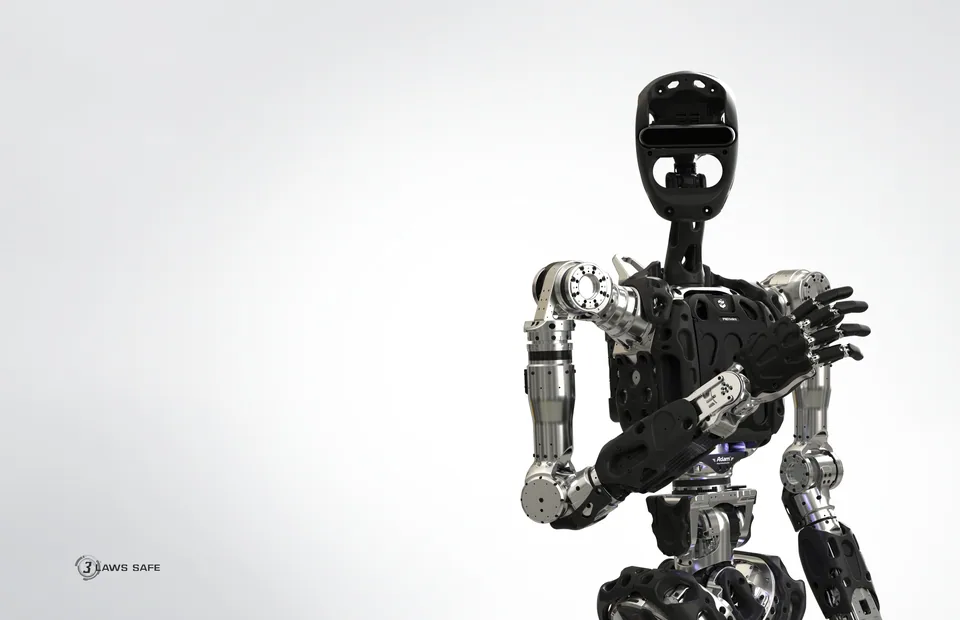 on sale
- prototype
Robot Era (Beijing Xingdong Epoch Technology / Robotera)
Robotera STAR1
- 171 cmheight
- 20 kgpayload
- 465,100*price (PLN)
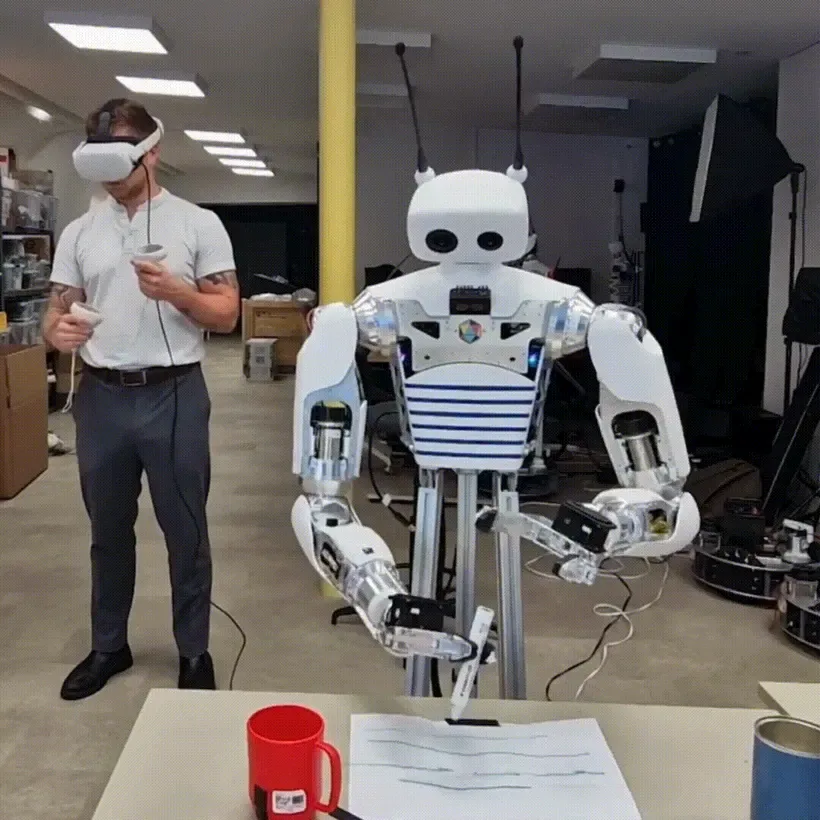 on sale
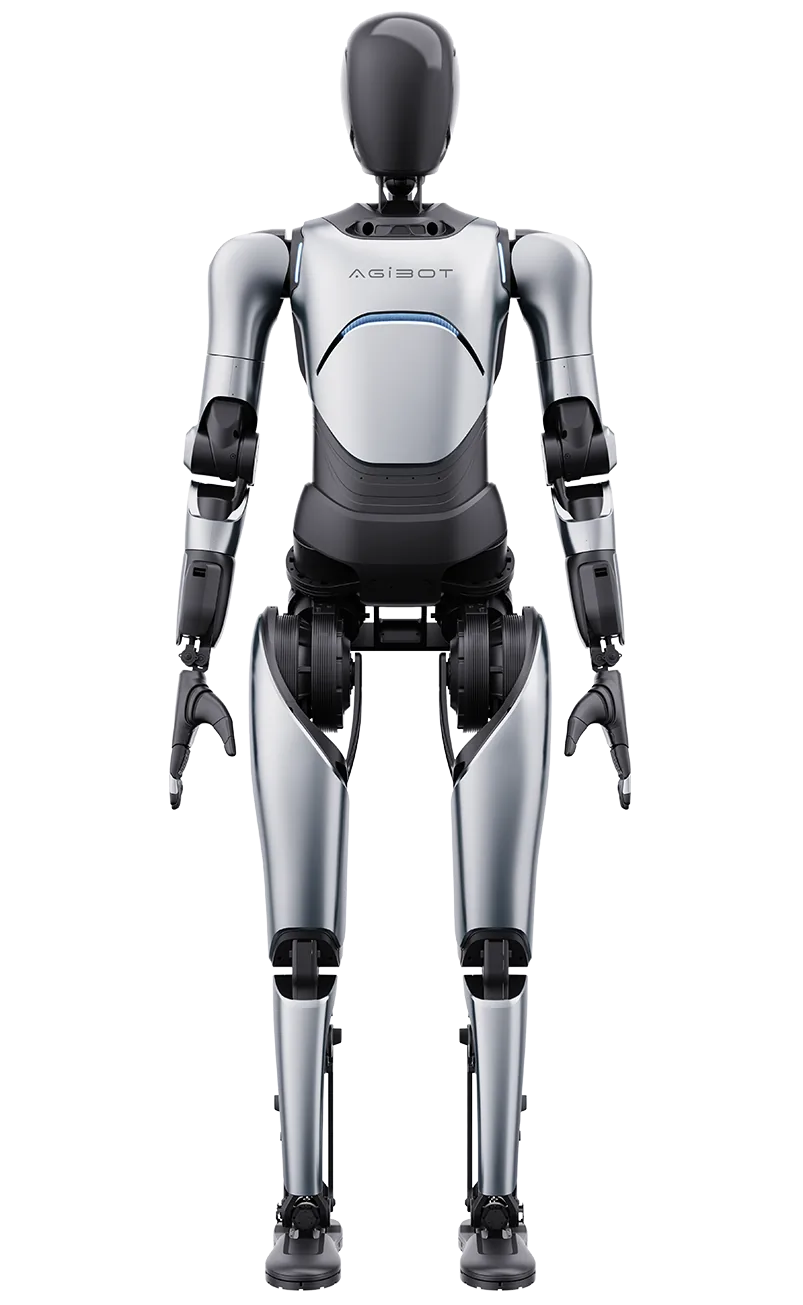 on sale
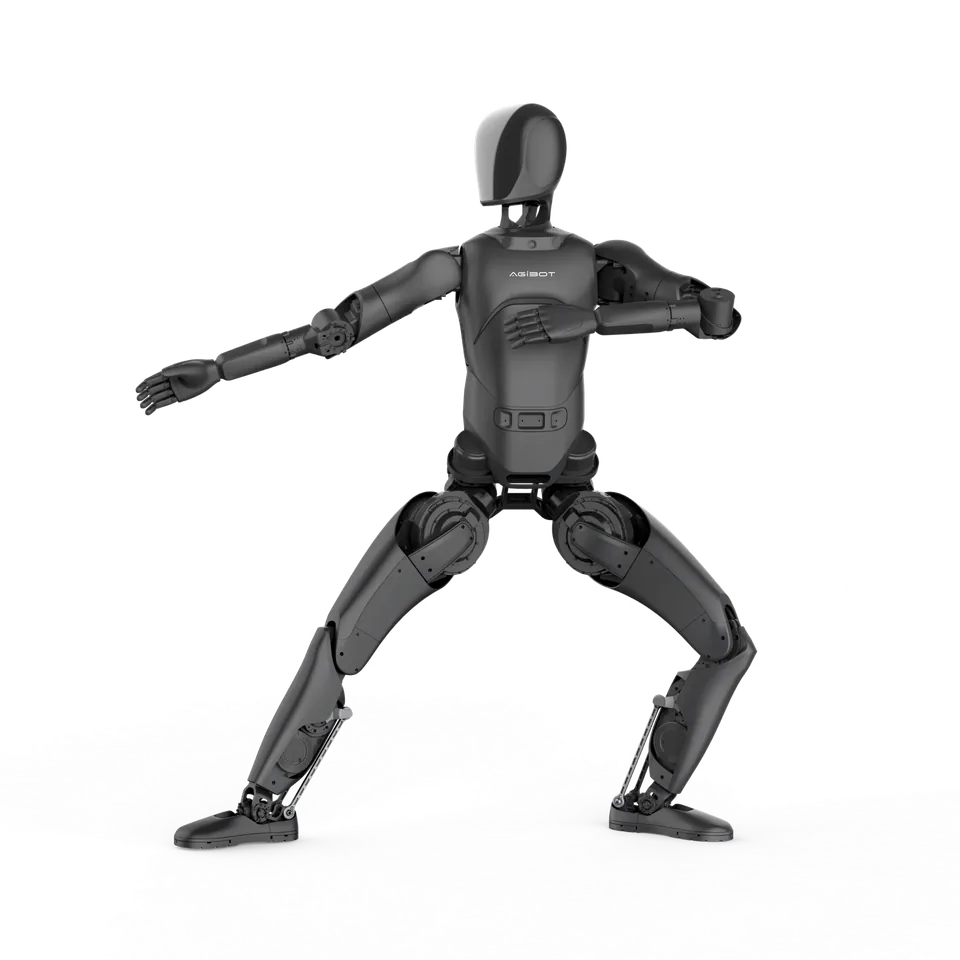 on sale
History
The iCub descends from the EU's RobotCub consortium and is developed by the Istituto Italiano di Tecnologia in Genoa. For more than two decades it has been one of the longest-developed research humanoids in Europe and a reference point in research on cognition and robotics.
The platform is open source, which let successive labs take over the project and add their own research. We do not have launch dates for the individual generations, so we do not give them.
IIT is now also developing a successor, the ergoCub, designed for physical human-robot collaboration. The Italian insurer INAIL co-funded its development with 5 million euros over three years. The institute sells iCub hardware (the whole robot, torso, head, hand) and the R1 mobile manipulator, to order only, to research customers.
Sources
Frequently asked questions
Is the iCub available in Poland?
No. The manufacturer Istituto Italiano di Tecnologia (Italy) names no Polish shop or official distributor for the iCub; enquiries go through the manufacturer's website (icub.iit.it). Manufacturer price: approx. 1,094,200 PLN* (≈ EUR 250,300). Confirm service in Poland before buying.
How much does a full iCub robot cost?
Roughly 250,000 euros according to the IIT catalog, though orders are handled individually with no fixed price list.
How many degrees of freedom does the iCub's hand have?
9 degrees of freedom per hand, fitted with touch sensors on the palm and fingertips.
Can I buy just part of the iCub robot?
Yes. IIT offers the torso, head or hand separately instead of the full robot.
Author, source and licence of the photo are given in the caption. Shop links may become affiliate links in future, details: How we make money · How we check