
on sale
Price from
LimX Oli, also labeled CL-3, is a full-size research and education humanoid from the Chinese company LimX Dynamics. It has been on sale since August 2025 at a starting price of USD 21,800 (about PLN 84,500 (≈ EUR 19,330) at the October 1, 2026 rate of 3.8762) for the Lite variant. The robot stands 165 cm tall, weighs 55 kg and has 31 degrees of freedom (up to 43 with two manipulation hands, each with up to 6 DOF).
Equipment includes an in-house IMU, Intel RealSense D435i cameras in the head and chest and, from the EDU variant upward, an NVIDIA Jetson Orin processor. An open Python SDK with support for Isaac Sim, MuJoCo and Gazebo makes integration into robotics labs easier.
Compared with the Unitree G1, sold from about USD 16,000, the Oli CL-3 is more expensive but offers full human height and a claimed higher number of hand degrees of freedom. Its strength is one of the lowest entry prices among full-size research humanoids from China; its weakness is short battery life and a modest 3 kg payload that limits manipulation tasks.
Prices for the EDU and Super variants have not been publicly confirmed. The model is not officially available in Poland. It is aimed at universities and robotics labs, not at industrial use.
Data checked: · Sources: 2
Data from manufacturer datasheets and product pages; median over the models of this category in the database.
Starting price USD 21,800 for the Lite variant; the EDU and Super variants cost more, and their exact prices have not been publicly verified.
The Lite variant costs from USD 21,800, which comes to about PLN 84,500 (≈ EUR 19,330) at the October 1, 2026 rate of 3.8762. Prices for the EDU and Super variants are higher and have not been publicly confirmed. For a university in Poland, the real cost is the net price plus an estimated 23% VAT (whether it can be deducted depends on the institution's status), shipping and possible customs duty; these figures need to be confirmed when ordering.
Running costs include spare 558 Wh batteries (since the robot runs about 1.5 hours), service and parts imported from abroad, and team time. As a rough order of magnitude for research platforms, annual upkeep is a few percent of the purchase price; for Oli there is no manufacturer data. Training in practice means learning the SDK and simulators, so it costs engineers' time rather than a separate fee. Universities can turn to NCBR grants (Poland's National Centre for Research and Development), FENG programs (European Funds for a Modern Economy) or Horizon Europe funds. The full total-cost calculation is in “Humanoid Robot TCO: How to Calculate Total Cost”.
No confirmed distributor in Poland
LimX Oli (CL-3) is a full-size research humanoid: 165 cm, 55 kg, 31 degrees of freedom (DOF), and up to 43 with two manipulation hands. It costs from USD 21,800 for the Lite variant and went on sale in August 2025. Its maker, LimX Dynamics of Shenzhen, targets it at robotics research and education.
The manufacturer aims it at universities: a robot with human proportions that can be programmed in Python (open SDK), with simulations prepared in Isaac Sim, MuJoCo or Gazebo and then transferred to hardware. Electric drive, Intel RealSense D435i cameras in the head and chest, an in-house six-axis IMU and - from the EDU variant up - an NVIDIA Jetson Orin computer make a complete kit for experiments in perception and walking. The manufacturer lists teleoperation, imitation learning and autonomy supported by language models.
As for physical work: a 3 kg payload and about 1.5 hours of runtime (according to the official specification page; older materials said 2 hours) make Oli suited to demonstrations, courses and research, not to carrying crates. The 558 Wh battery has a quick-swap system, so spare cells keep a lab running continuously. Walking speed is 1.39 m/s, a strolling pace. Each hand option has at most 6 DOF (a two-finger gripper: 1 DOF, a five-finger hand: 6 DOF).
Teaching institutions will find a broader discussion in “Educational Robots for Schools and Universities”, and laboratories on the use-case page “Laboratories”.
Oli is for universities, research institutes and companies that want to train walking, perception and manipulation algorithms on hardware with human proportions without spending sums in the region of a hundred thousand dollars. It works well for teams that know Python and simulators; the SDK and integration with standard tools shorten the path into a project.
Do not buy it for industrial tasks: a 3 kg payload and 1.5 hours of runtime rule it out of logistics and production. It is also not a robot for a primary or secondary school - the price and complexity point to academic institutions. In Poland the model is not officially available, so service, parts and warranty questions go to the manufacturer in Shenzhen. Prices for the EDU and Super variants are not publicly confirmed, so the budget has to be set on the basis of a quote.
The robot is not officially available in the country, and the sources name no Polish users. We also have no list of foreign universities that use Oli, so we do not make one up. The category of research robots, on the other hand, is well documented: the Unitree G1 in laboratories (“Unitree H1, G1, R1 and H2”) and educational platforms in “Educational Robots for Schools and Universities”. This category is developing quickly, so the picture of deployments may change within a few months.
Unitree G1 is cheaper: USD 13,500 (about PLN 52,300 (≈ EUR 11,960)), 132 cm and 23 DOF; a shorter robot, but with a large community and good documentation. Unitree G1 EDU in configurations up to Ultimate D reaches USD 73,900 (about PLN 286,500 (≈ EUR 65,540)) and offers 43 DOF; a more expensive path for centers that need dexterous hands. EngineAI PM01 costs about USD 12,000 (about PLN 46,500 (≈ EUR 10,640)), stands 140 cm and has 24 DOF, so at a lower price it is a good compromise. Booster T1 at about USD 33,949 (about PLN 131,600 (≈ EUR 30,100)) is 118 cm with 23 DOF, strongly oriented toward programming and competitions. Oli beats them with full human height and its entry price, but loses on payload and community size. A comparison of the Unitree series is in “Unitree H1, G1, R1 and H2”.
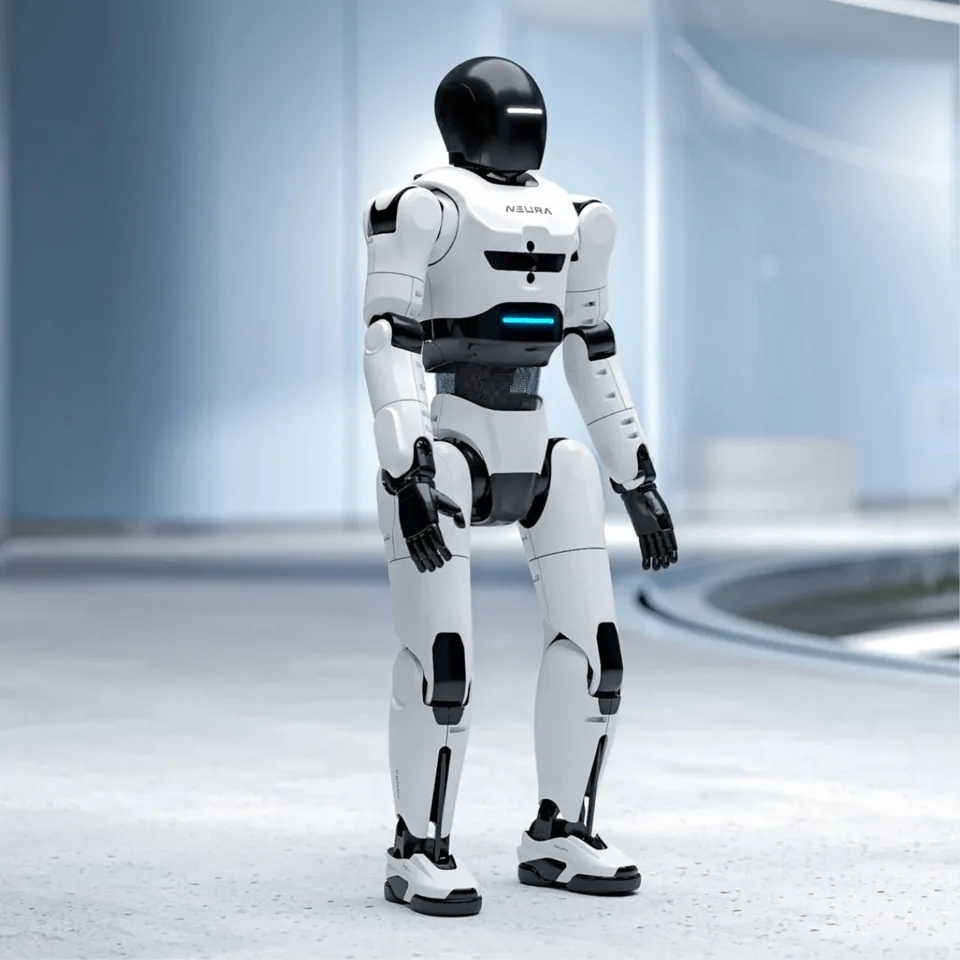

Unitree Robotics
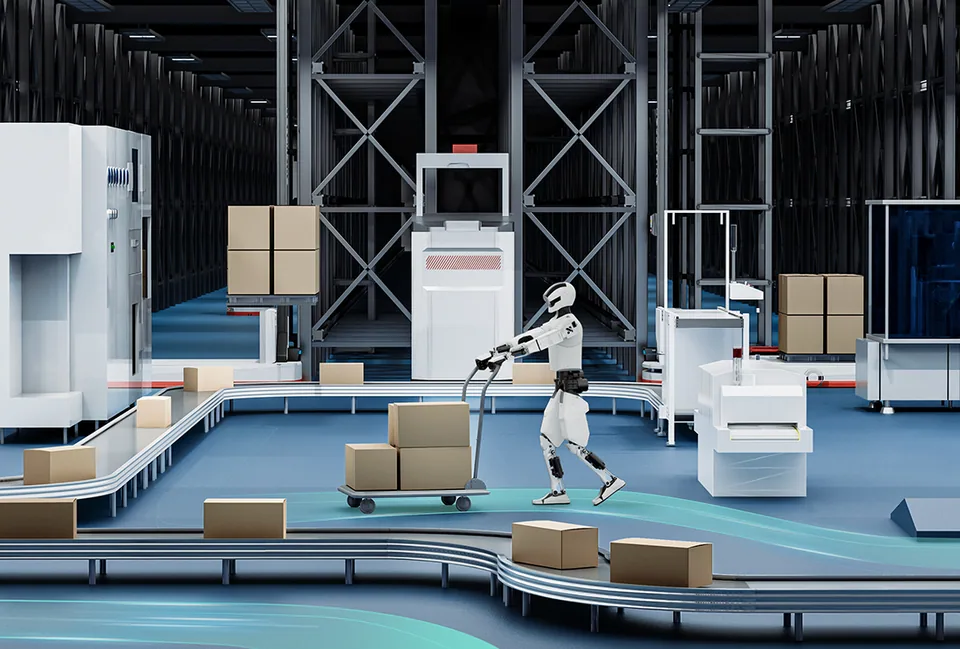
Kepler Robotics (Shanghai Kepler Exploration Robotics)
LimX Dynamics presented Oli in July 2025 as a full-size research humanoid priced from USD 21,800; the model has been on sale since August 2025. The Shenzhen manufacturer has raised about USD 400 million in funding at a USD 2.2 billion valuation. These are the most important dates in the model's history that the available sources confirm. The specification was later refined: the official page gives a runtime of about 1.5 hours rather than 2, and at most 6 degrees of freedom per hand. Oli also appears under the designation CL-3; we have no documented earlier generations, so we do not describe any.
LimX Dynamics unveils Oli, a full-size research humanoid priced from $21,800 LimX Dynamics
Model unveiled
Sales start
No. The manufacturer LimX Dynamics (China) names no Polish shop or official distributor for the LimX Oli (CL-3); enquiries go through the manufacturer's website (limxdynamics.com). Indicative price: approx. 84,500 PLN* (≈ EUR 19,330). Confirm service in Poland before buying.
The entry-level Lite variant costs USD 21,800, or about PLN 84,500 (≈ EUR 19,330) at the NBP rate of 1 October 2026; prices for the EDU and Super variants are not listed.
The 558 Wh battery with a quick-swap system provides about 2 hours of operation.
The robot has a stated payload of 3 kg per arm, which limits it to lighter manipulation tasks.
Author, source and licence of the photo are given in the caption. Shop links may become affiliate links in future, details: How we make money · How we check