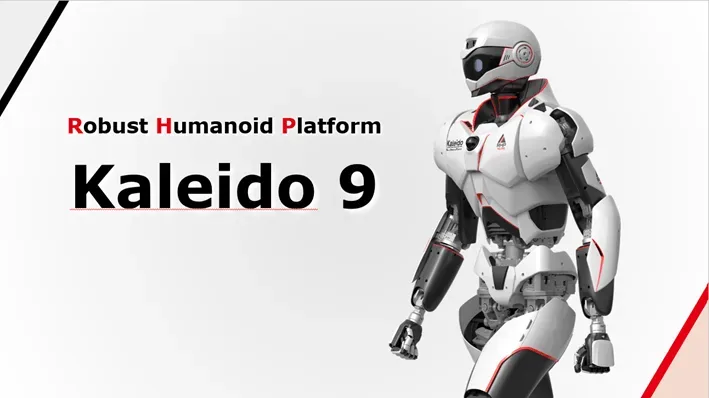
prototype
The HRP-5P is a Japanese research humanoid developed by AIST (the National Institute of Advanced Industrial Science and Technology) and unveiled in January 2018. It stands 182 cm tall, weighs 101 kg and has 37 degrees of freedom, including 2 in the hands, with a maximum payload of about 13 kg.
The robot was designed for autonomous physical work in conditions dangerous to humans, for example installing plasterboard on construction sites, a task tested publicly as a demonstration of manipulation ability. Its equipment includes stereo vision, LiDAR, 3D sensors and cameras in the hands to aid object recognition when grasping.
The HRP-5P remains a research prototype: it has not gone on sale commercially and is not available in Poland or from any distributor. Compared with other large industrial humanoids such as the Figure 02 or Apptronik Apollo, the HRP-5P stands out for its early unveiling date (2018) and its focus on construction work, but there are no newer public updates on the program after 2018, and it is not known whether work is continuing.
The model is of interest mainly to research centers and universities following the development of Japanese humanoid robotics; it is not a proposition for business.
Data from manufacturer datasheets and product pages; median over the models of this category in the database.
no data
Purchase. Not applicable: the HRP-5P is not sold and has no price or offer. Figures you may come across online are not confirmed, so we do not cite them.
Running costs. Prototype humanoids of this class require a team of engineers, a laboratory and a research budget. We have no open data on the cost of the HRP program, so we give no figure.
Training. Operating such a robot is a job for doctoral students and research engineers, not an operator course.
For an overview of the prices of humanoids currently on sale: “How Much Does a Humanoid Robot Cost in 2026”.
No confirmed distributor in Poland
The HRP-5P is a humanoid for autonomous heavy work, in particular installing plasterboard; Japan's AIST institute showed it in January 2018. The robot is 182 cm tall, weighs 101 kg, has 37 degrees of freedom (including 2 in the hands) and can lift about 13 kg. It is not a product, it is a research prototype, and it should be read as such.
Construction and finishing work. This is the scenario the design was made for: installing plasterboard, working in places dangerous to people, lifting and positioning large-format elements. The public demonstration was meant to show the robot's manipulation ability with such a heavy, awkward item. The equipment, stereo vision, LiDAR, 3D sensors and cameras in the hands, serves exactly this purpose: knowing how the object sits once it has been grasped.
Humanoid research. For laboratories the HRP-5P is above all a point of reference: it shows what the state of knowledge on autonomous manipulation of heavy objects by a bipedal design looked like in 2018. Universities following Japanese humanoid robotics will find comparative material here for new projects.
Work in extreme environments. Among the intended applications is work in conditions dangerous to humans. That is a direction shared by many humanoid programs, from construction to rescue, although in this particular case the available sources do not confirm further development.
It is worth saying clearly: you cannot buy, rent or deploy the HRP-5P. Its value to the reader is in understanding where today's wave of humanoids comes from. We describe present-day industrial counterparts in “Humanoid Robots in Factories 2026”; the construction topic is gathered under “Construction Robots: What They Can Do in 2026” and the laboratory one under “Laboratories”.
Who it suits. Humanoid robotics researchers, historians of technology, mechatronics students and technical editors who want to understand what the previous wave of humanoid projects in Japan looked like. R&D teams at construction companies who are investigating what tasks a humanoid could take over on a building site and are looking for examples from this field.
Who it does not suit. Anyone looking for a robot to buy. The HRP-5P has not gone on sale commercially, has no Polish distributor or price list, and there have been no public updates to the program since 2018; the available sources do not settle whether work continues. It is therefore not a proposition for an entrepreneur or an integrator.
Practical advice: if you are interested in a humanoid you can order or test today, start with the comparisons in “How Much Does a Humanoid Robot Cost in 2026” and the overview in “How Does a Humanoid Robot Work”. For students, I recommend learning from the basics: “How to Start Learning Robotics in Poland”.
There are no deployments, and there never were in the commercial sense: the HRP-5P is a research prototype and did not go on sale. The only thing publicly known is the plasterboard-installation demonstration. At Polish trade fairs and universities the humanoids that appear are mainly commercial ones from China, for example the Unitree G1, covered in “Unitree H1, G1, R1 and H2”. Among humanoids genuinely working in industry, American designs lead; see the overview in “Humanoid Robots in Factories 2026”.
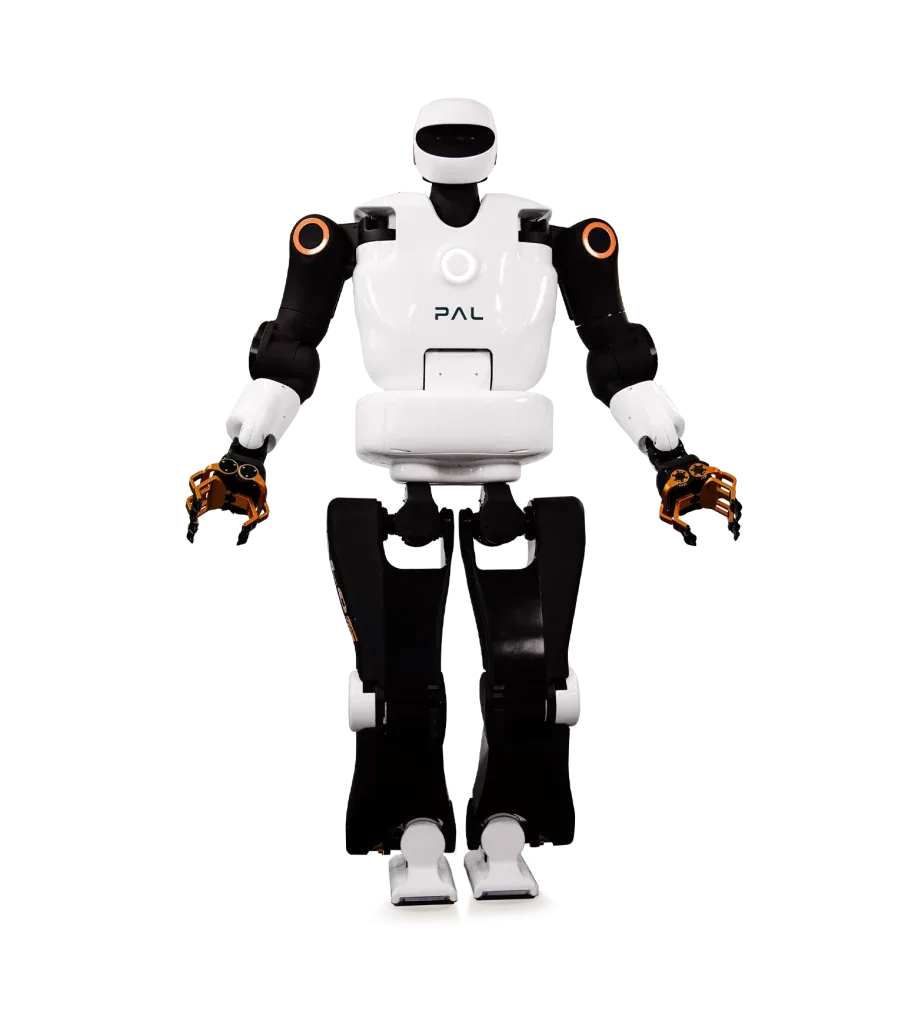
If the HRP-5P caught your interest but you need something you can actually see working or buy today, consider these models.
Each of them is better suited to current work than a 2018 prototype, though none will exactly repeat the "heavy work on a construction site" profile.
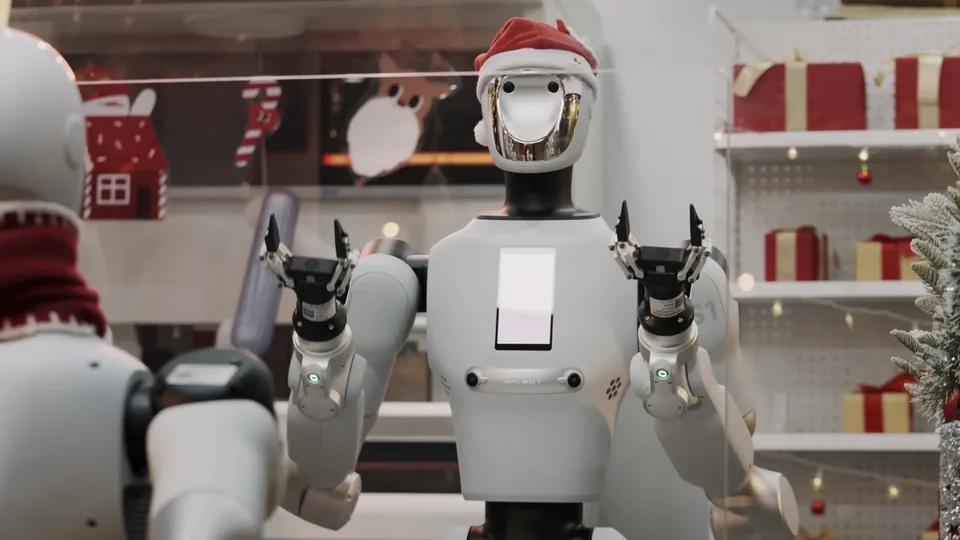
Galbot (Beijing Galaxy General Robot Co., Ltd. / Beijing Galbot Co., Ltd.)
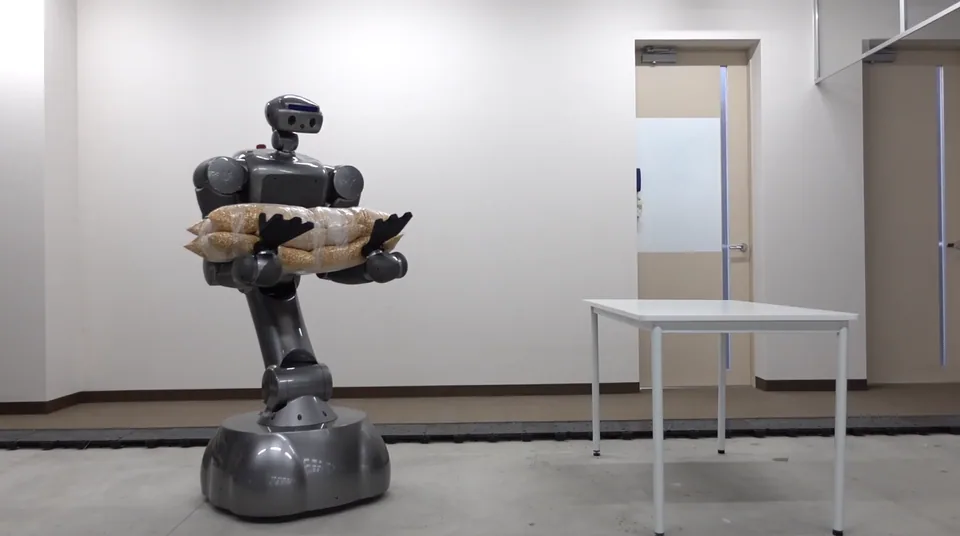
AIST, the National Institute of Advanced Industrial Science and Technology, is based in Tsukuba and has been developing the HRP series for years. The HRP-5P was unveiled in January 2018 as a humanoid for autonomous heavy work, tested on a plasterboard-installation scenario. The design stands 182 cm tall and weighs 101 kg, with 37 degrees of freedom. Since that presentation public sources have recorded no newer model from the institute, so the HRP-5P remains the last publicly known member of the family. For comparison, today's designs, from Apptronik to Figure, use actuators, computers and AI models that were only being discussed in 2018.
Model unveiled
No. It is an AIST research prototype that never went on sale commercially.
Autonomous heavy physical work in environments dangerous to humans, for example installing panels on construction sites.
37 degrees of freedom, including 2 in the hands.
Author, source and licence of the photo are given in the caption. Shop links may become affiliate links in future, details: How we make money · How we check