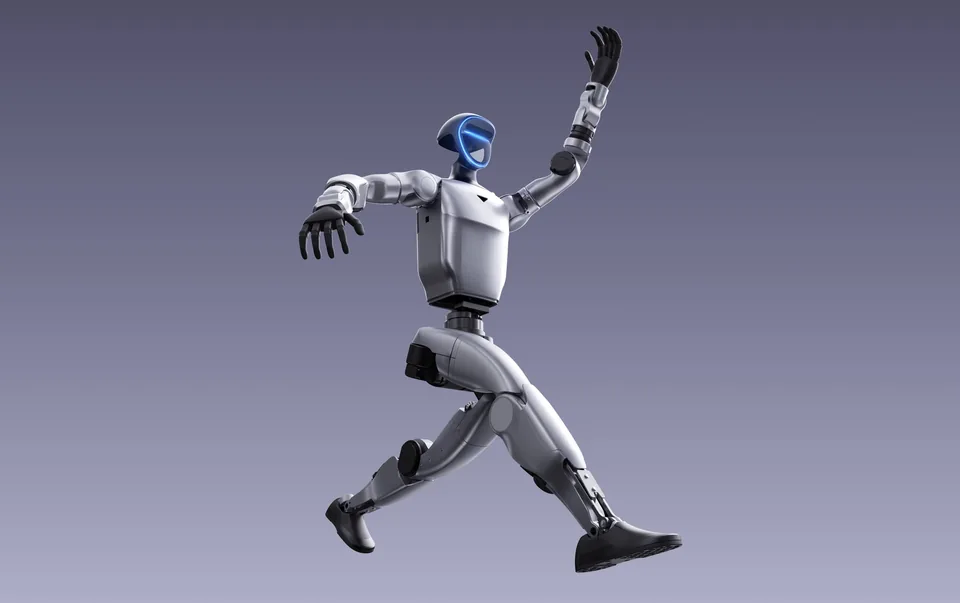
on sale
Unitree RoboticsHumanoid robots
Unitree G1 (Standard)
- 132 cmheight
- 2 kgpayload
- 79,900price (PLN)
Application: Universities and research
Universities buy research platforms: the Unitree G1 humanoid from USD 13,500, the Franka arm for about EUR 25,000, and the open SO-101 in parts for about USD 230.
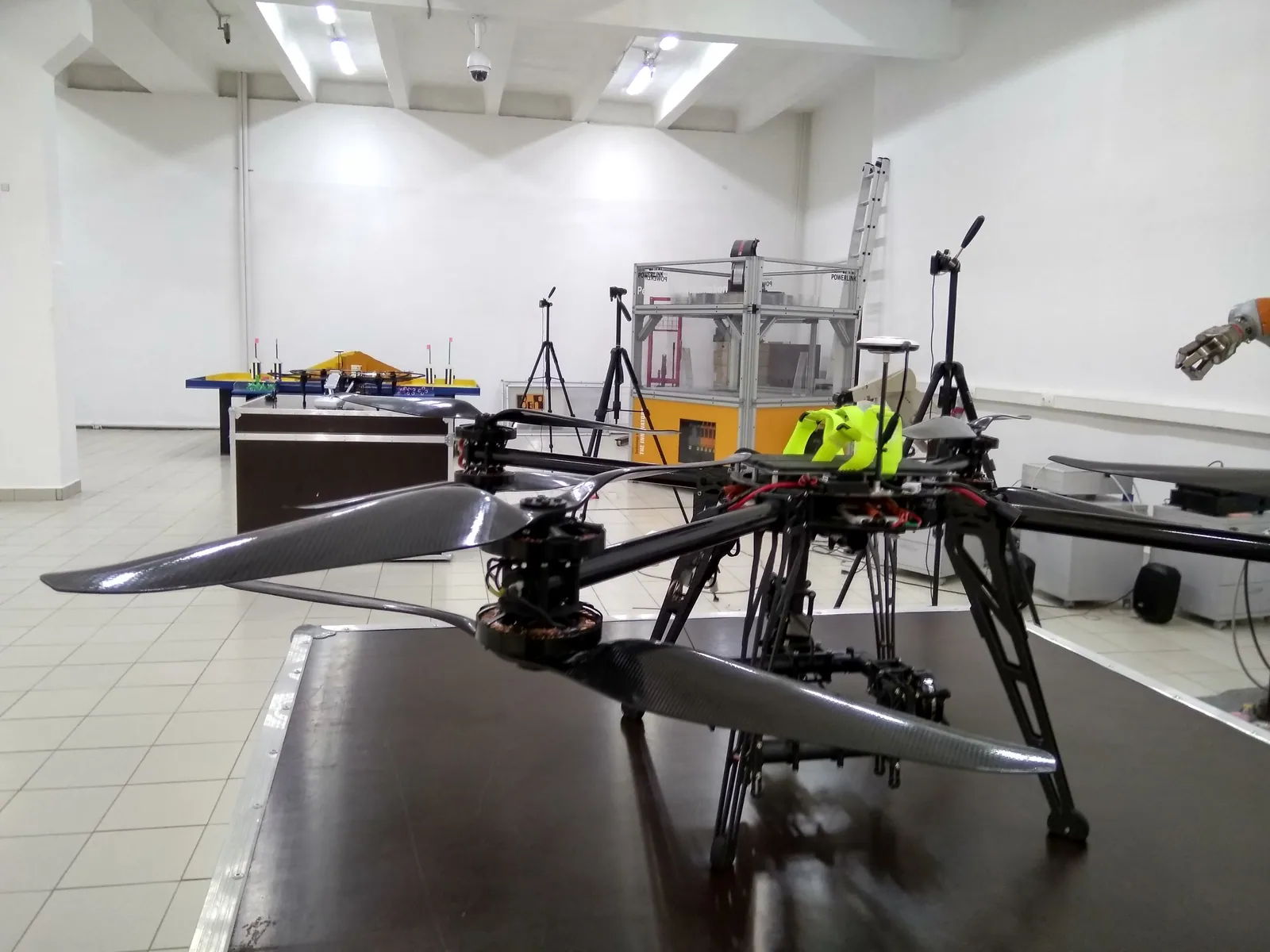
Photo: Нечаева Лилия Александровна, Wikimedia Commons, CC BY-SA 4.0; resized and converted to WebP
A robot at a university is equipment that doctoral students, master's students and machine learning engineers work on. It has to be open to programming, well documented and repairable; the effect on video is secondary.
And that is exactly what sets a university apart from the other application areas. Here you buy a platform, not a ready-made solution. What counts is the SDK, access to raw sensor data and, often, the availability of spare parts and Polish service.
Poland has a strong technical base: the technical universities in Warsaw, Wrocław, Poznań, Gdańsk, Gliwice and Rzeszów, or AGH in Kraków, run robotics and mechatronics labs. Employers who complain about a shortage of hands need engineers who understand automation; we wrote about this in “Humanoid Robots and the Polish Labor Market”. Universities are therefore among the first buyers of new platforms, before they reach factories.
What specifically stands in the labs can be seen on the websites of universities and faculties. Here is an overview (it is not exhaustive):
Unit counts are often not given, and we leave them alone.
A humanoid for whole-body motion research. The Unitree G1 is 132 cm tall, weighs about 35 kg and has 23 degrees of freedom in the basic version (up to 43 in the EDU variant). The base price from the manufacturer is USD 13,500, about PLN 52,300 (≈ EUR 11,980 at NBP rate 4.3641 of 21 October 2026) (Unitree). It comes with an open SDK, which lets students write their own gait and learning algorithms. The limitation is a short battery runtime of about two hours, so longer experiments need a spare battery. We described a comparison of the whole series in “Unitree H1, G1, R1 and H2”.
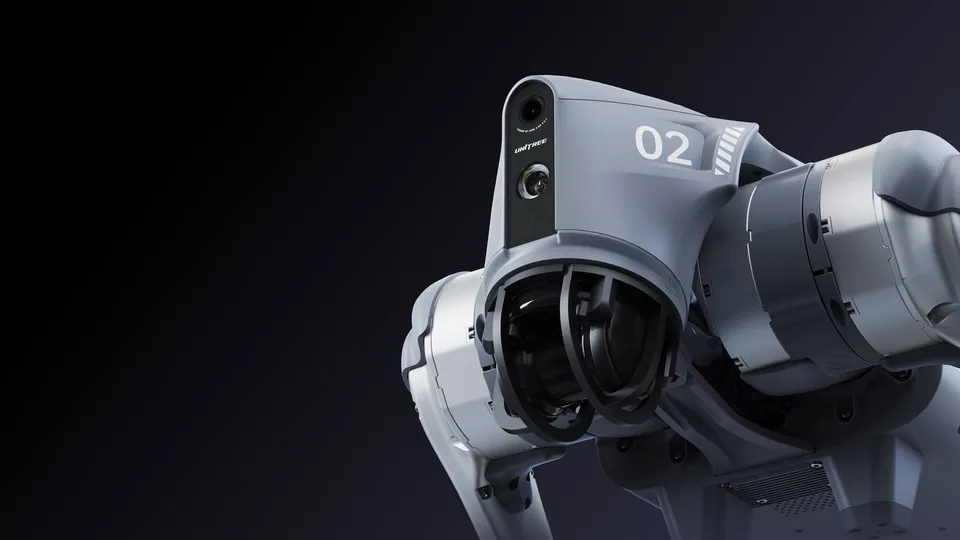
A quadruped for locomotion and reinforcement learning. The Unitree Go2 is cheap (from USD 1,600 for the Air from the manufacturer, Unitree; EDU versions with the full SDK are priced on request, from about PLN 36,000 (≈ EUR 8,250) to 115,000 in Polish shops according to drony.net, drony.net) and available off the shelf in Poland. For industrial tasks there are the more expensive Unitree B2 and ANYmal models, but that is a different shelf.
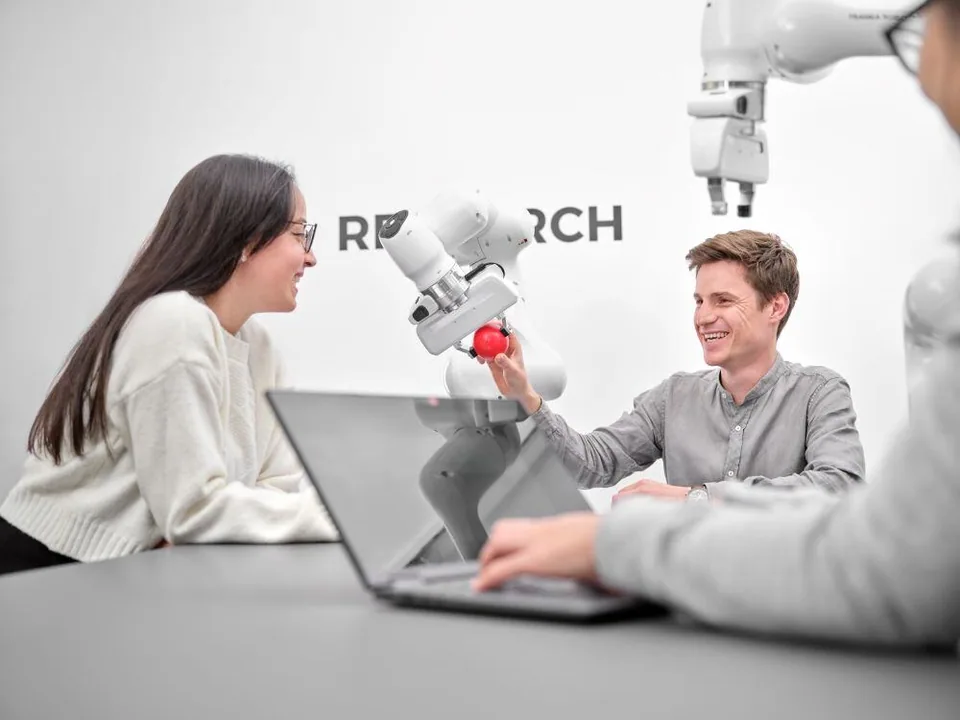
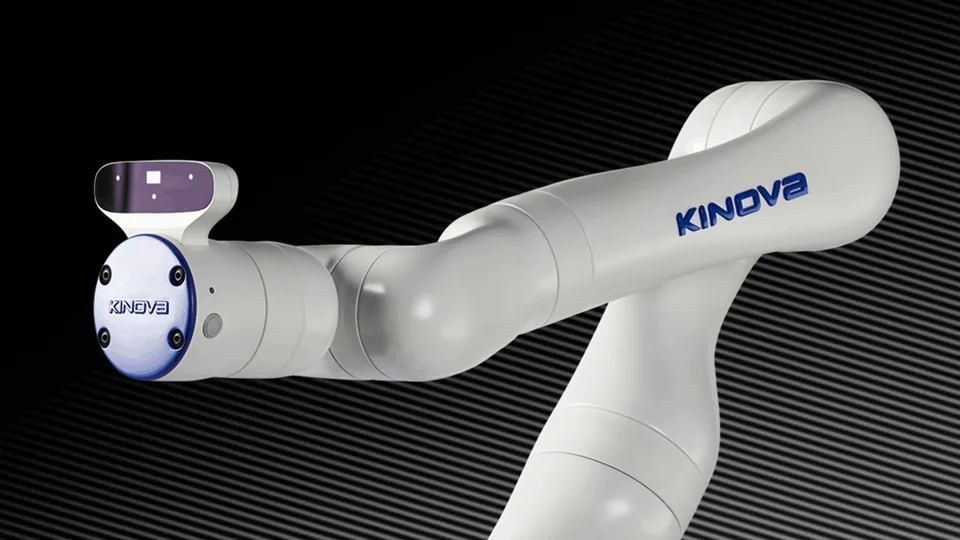
A cobot for research on control and safe collaboration. The UR5e (5 kg payload, 850 mm reach; Universal Robots) is a standard in industrial education and is available in Poland through Elmark Automatyka. The Franka Research 3 has seven axes and torque sensors in every joint (Franka Robotics), which makes it a favorite for manipulation research; it costs EUR 25,250 at the distributor Vention (Vention). The Kinova Gen3 is a lightweight 7-DOF arm with a 4 kg payload in the mid-range of motion (2 kg across the full range) and a 902 mm reach (Kinova). Availability in Poland is unconfirmed.
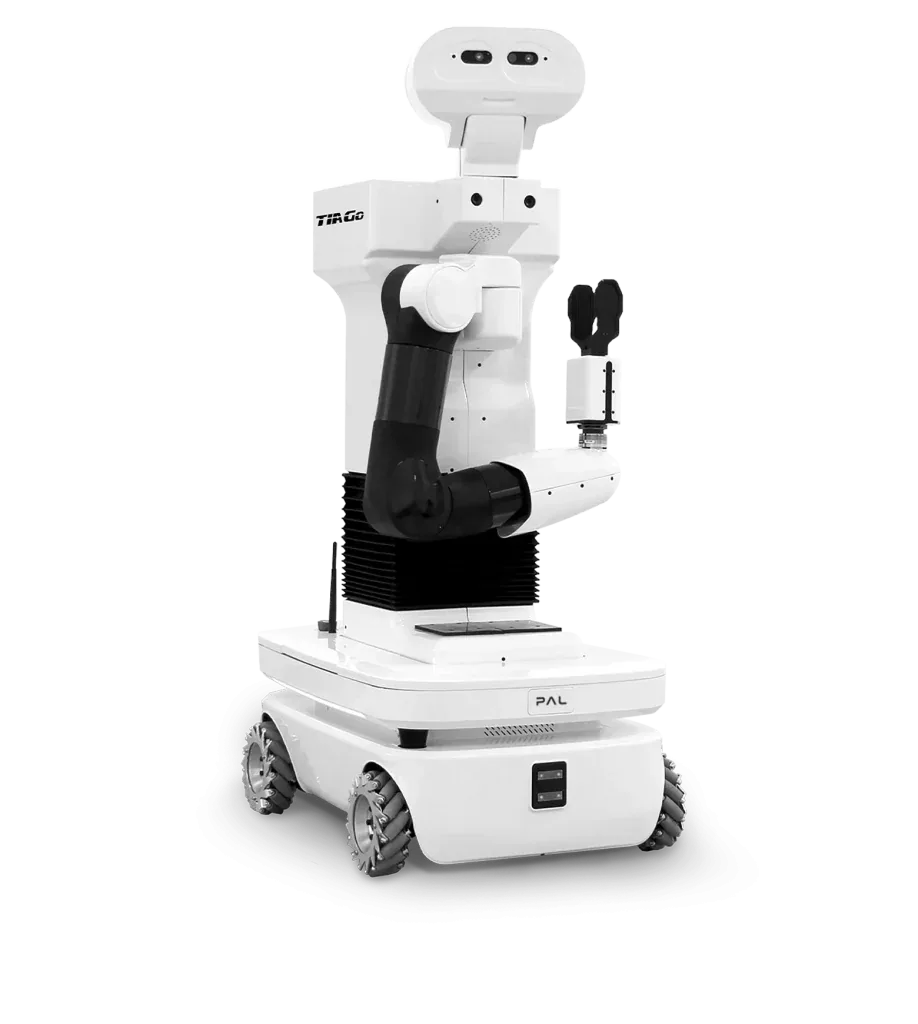
A mobile manipulation platform. The PAL Robotics TIAGo is a wheeled base with one or two 7-DOF arms and a ROS architecture, sold per project with no public price list; according to the manufacturer it is used in research projects in 27 countries (PAL Robotics).
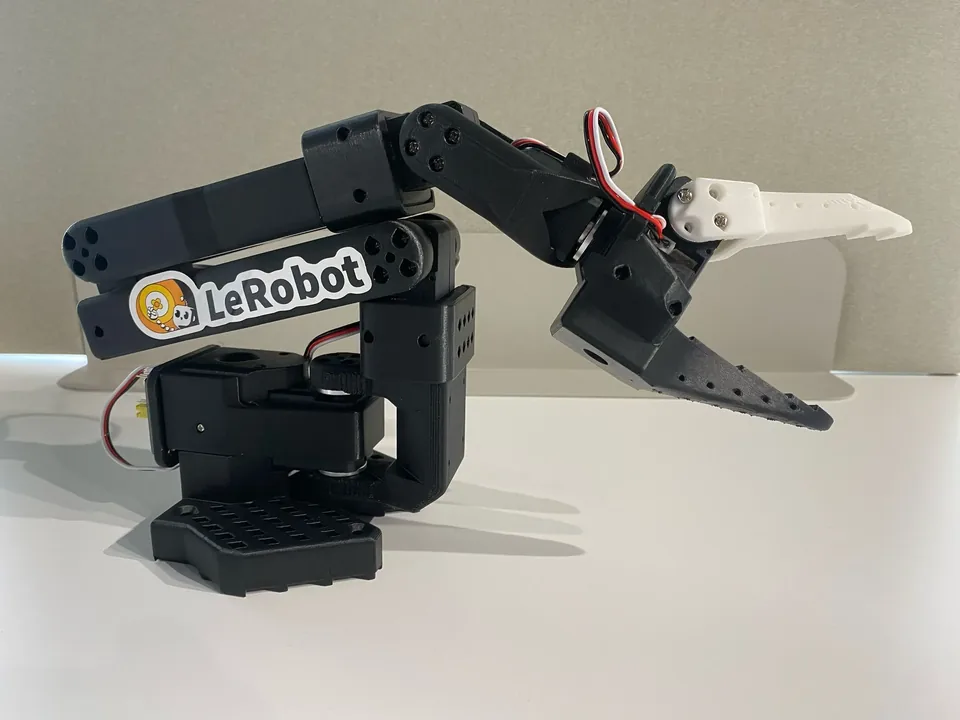
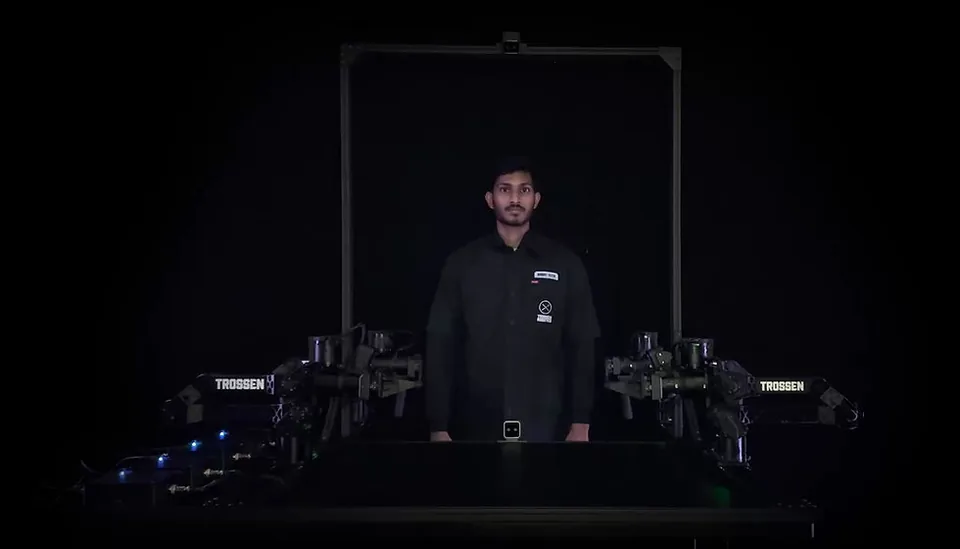
Imitation learning. The SO-101 is an open-source pair of arms (the follower alone about USD 122, a leader plus follower pair about USD 230 in parts; GitHub), and the Trossen AI Stationary is a ready-made evolution of the ALOHA line for USD 23,995 (Trossen Robotics). Both are at the core of research on VLA models, which we discuss in “VLA Models: How AI Controls Humanoid Robots in 2026”.
A research robot is not a finished product. A humanoid will not do many hours of work on its own, batteries last only a short time, and warranty and service in Poland depend on the distributor. Robots bought "for display" often end up in a corner if nobody writes software for them.
With dexterous hands and full autonomy you still have to count on a human in the loop. Locomotion is well solved, but complex manipulation in an unstructured environment is still an open research problem.
The best Polish example is Poznań, where urban and academic robotics intertwine. Poznań University of Technology has in its facilities both classic KUKA and ABB robots and quadrupeds. MAB Robotics, the maker of the Honey Badger (MAB Robotics), which we describe on the page “Robots in Security and Inspection: Quadrupeds on Patrol” in the context of inspection, comes out of its community. Gdańsk University of Technology shows a mix of old and new: industrial arms next to the Polish Husarion platform.
Platforms such as Franka, Kinova, TIAGo and Unitree have open interfaces or SDKs; PAL Robotics states that the TIAGo is used in research projects in 27 countries.
A university usually buys a robot through public procurement or within a grant. For Unitree in Poland, sellers include x-kom, Delta Robots, Botland and MegaDron. Universal Robots sells through Elmark Automatyka and CP Trade. Franka, Kinova and PAL sell mainly through direct quotes. You will meet the Polish Husarion ROSbot design in Gdańsk; more about domestic companies in “Polish Robotics Companies” and at the manufacturer Husarion.
Practical advice: in an offer, check three things that do not show in the brochure. The first is the SDK version and whether you get raw access to joint control. The second is the delivery time of spare parts. The third is the license terms and the availability of software updates. We explain how to read datasheets in “How to Read a Robot Datasheet”.
A realistic budget depends on the class. Open educational platforms cost hundreds of dollars. The Unitree G1 humanoid is USD 13,500 in the base version, and EDU versions cost up to about PLN 246,000 (≈ EUR 56,370) in Polish shops, for example the G1 Edu Ultimate E at x-kom. A research cobot costs several tens of thousands of euros.
Funding usually comes from research grants and projects. We describe programs such as NCBR and European funds in the funding section; the robotization tax relief (“Poland's Robotization Tax Relief”) applies to companies (podatki.gov.pl), so at a university it works only when the equipment is bought by a special-purpose company or an industrial partner. Check each program individually.
A university does not buy a robot, it buys capabilities: an open SDK, documentation and a community. To start, an inexpensive quadruped and an SO-101 arm are enough; for serious manipulation research you will need an arm in the Franka or UR class; and a humanoid becomes the star of the lab if somebody writes software for it. Choose platforms with an active community and Polish support, and before you place an order, count the cost of the team's time, because it most often exceeds the price of the robot. If you want to see where graduates end up, look at factories and at the category “Humanoid robots”.
A chief engineer by profession (technical head of a ship's machinery plant, licensed). Sets the site's editorial rules and is responsible for them; he does not read every page before publication.
Texts are prepared by the editorial team using AI tools. We compare data with primary sources on a sample basis, not page by page. Our rules are described here: How we check · About us
Recommended robots
Models chosen for this scenario, with prices and availability in Poland.
Unitree RoboticsHumanoid robots
Unitree RoboticsQuadruped robots
Universal Robots A/SCobots
Franka Robotics GmbHCobots
Hugging Face / LeRobot (TheRobotStudio SO-ARM)Educational robots
Knowledge
NAO, Photon, LEGO SPIKE, Unitree G1: a guide to the robots used in Polish education and at universities, with buying advice.
What vision-language-action (VLA) models like GR00T, Helix and Gemini Robotics are, what they can already do, and what remains unsolved.
Unitree H1, G1, R1 and H2 compared: prices, specs and the differences between models, and which robot suits which use.
A plain-language explanation of what a humanoid robot is built from and how it makes decisions.
What degrees of freedom (DOF) are, why one robot has 23 and another 43, and what the DOF count says about hand and finger dexterity.
Clone Robotics, MAB Robotics, Nomagic, VersaBox and Łukasiewicz – PIAP: an overview of Polish robot builders, with data and sources.
According to the sources available to us, university labs have, among others, Unitree G1 humanoids (AGH, Rzeszów University of Technology), Unitree quadrupeds (the technical universities of Gdańsk, Poznań and Silesia), ANYmal B robots in Poznań, a UR3 cobot in Wrocław and in Poznań, and classic ABB, FANUC and KUKA industrial robots. The list is based on the websites of universities and faculties and is not exhaustive.
The basic Unitree G1 costs USD 13,500, which is about PLN 52,300 (≈ EUR 11,980) at the NBP average rate of 1 October 2026. EDU versions with the full SDK, more degrees of freedom and dexterous hands cost from about PLN 150,000 (≈ EUR 34,370) to about PLN 246,000 (≈ EUR 56,370) in Polish shops, depending on configuration. The price depends on the package, so always order with a specific configuration stated in the offer.
Yes, but how the cost is settled depends on the specific program, the institution and the public procurement rules. Universities usually buy equipment through a tender or a request for quotation. We do not advise on public procurement, so check this with your procurement office.
For learning and first experiments with imitation learning, yes: the open-source SO-101 costs about USD 230 in parts for a pair of arms. But the team's time for assembly and calibration is often left out of the calculation. For repeatable research and publications, some teams prefer ready-made, supported hardware.
A cobot is a stationary arm with precise movements and predictable behavior; a humanoid is a platform for research on locomotion, balance and whole-body manipulation. The former is used mainly for research on control and safe collaboration, the latter for research on reinforcement learning and VLA models.
Links to the material this text is based on. Before you base a decision on a figure from the article, check it at the source.
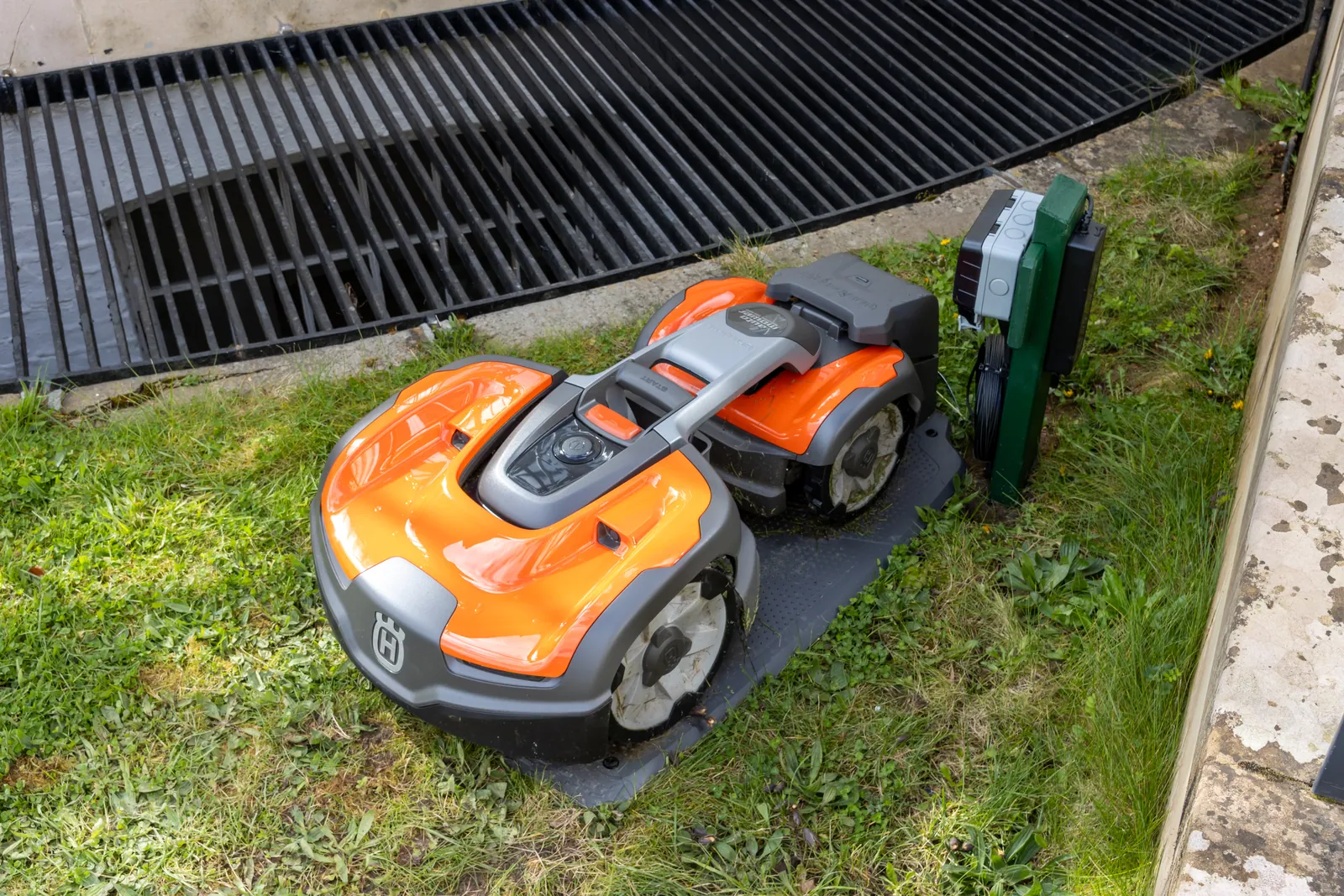
In the garden, robot mowers are mature; the Naio Oz is for professional vegetable growers, and the Unitree Go2 costs from about PLN 9,900 (≈ EUR 2,270) in Polish shops.
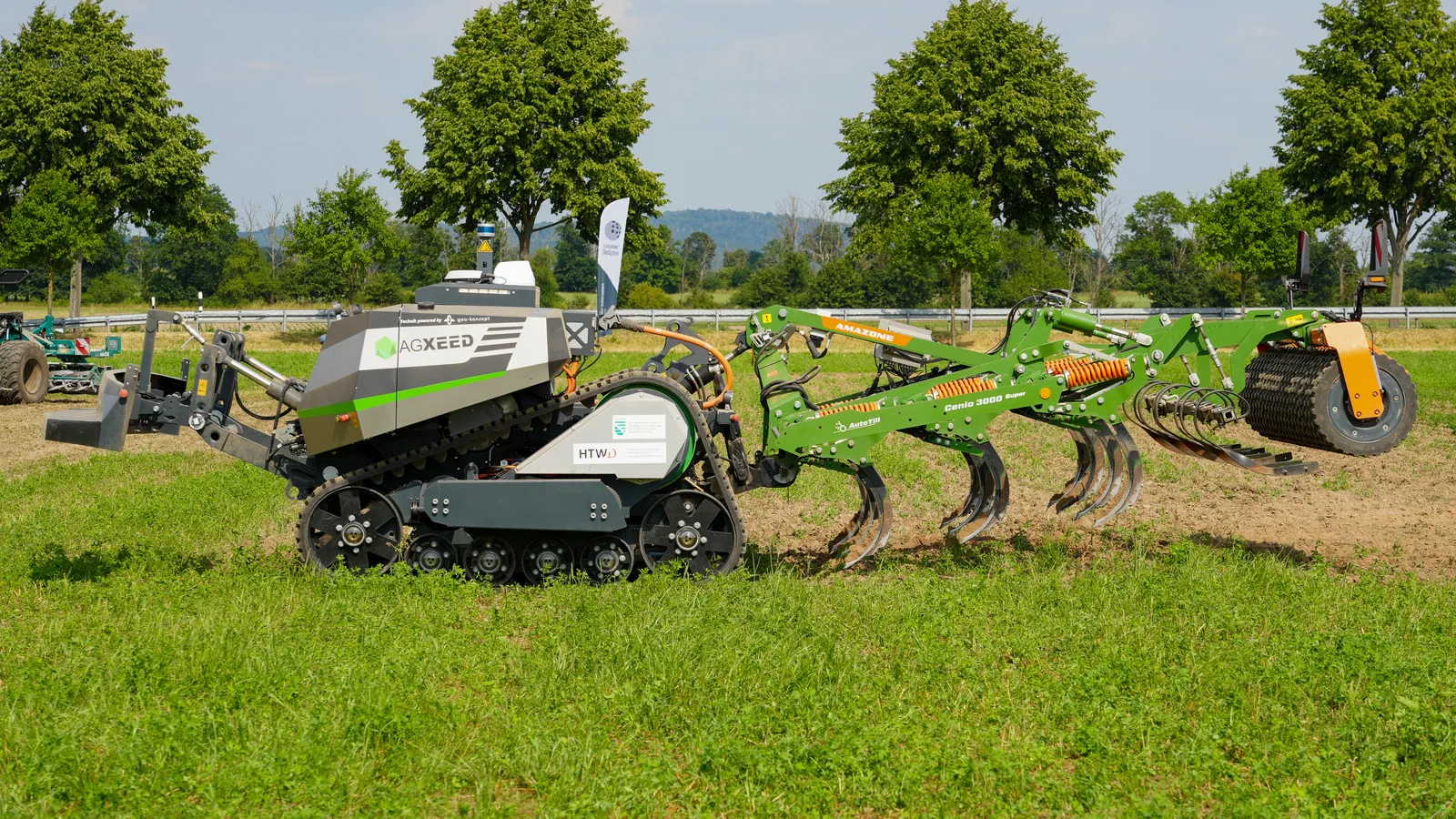
A laser that burns weeds without a gram of chemicals, a solar robot sowing with eight-millimeter accuracy: the field is no longer the exclusive domain of the tractor and the hoe.
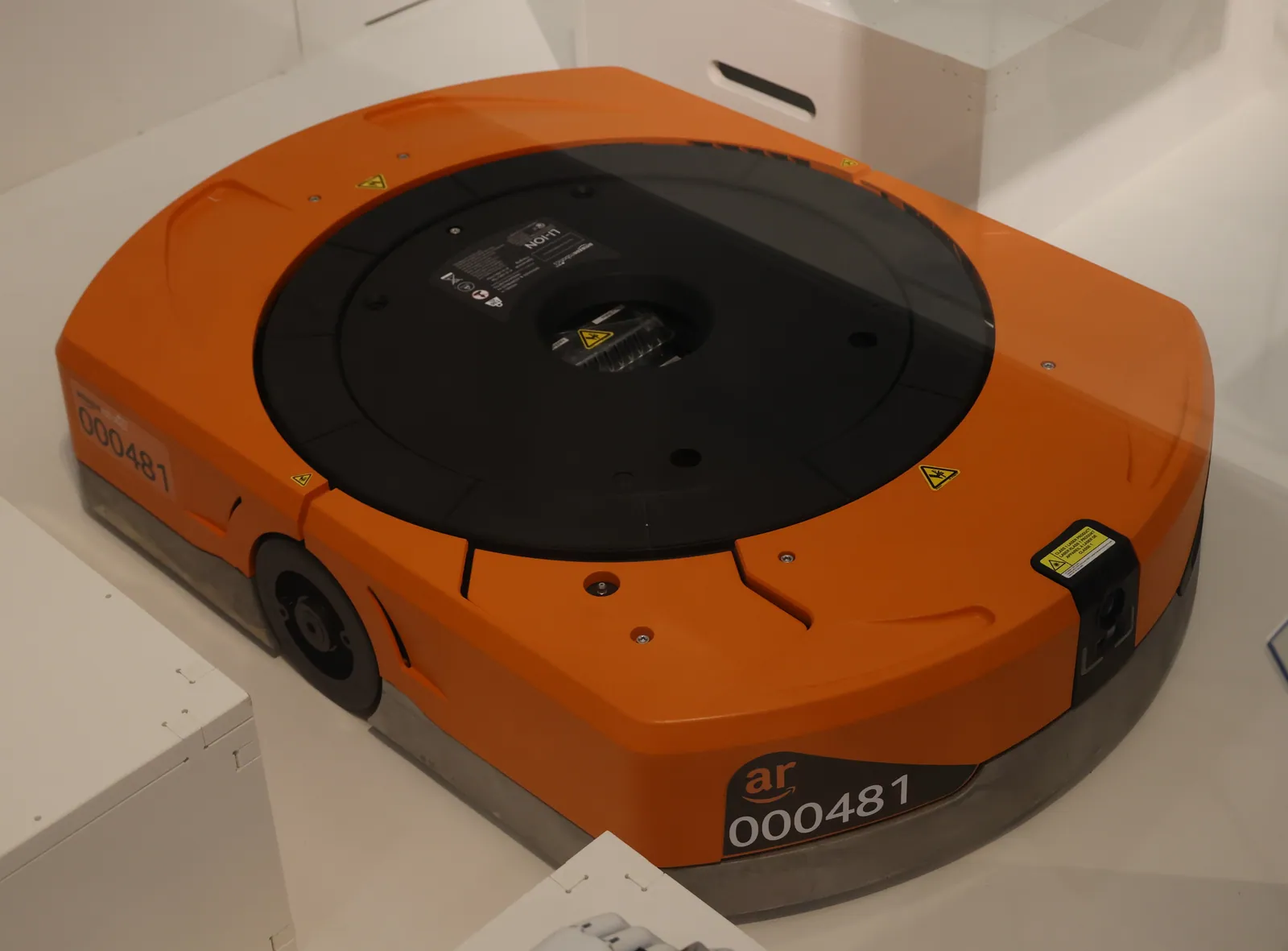
Robots really work here: Amazon reports more than 5,000 robots in its new Dobromierz center, and some AMR offers can be borrowed on trial.
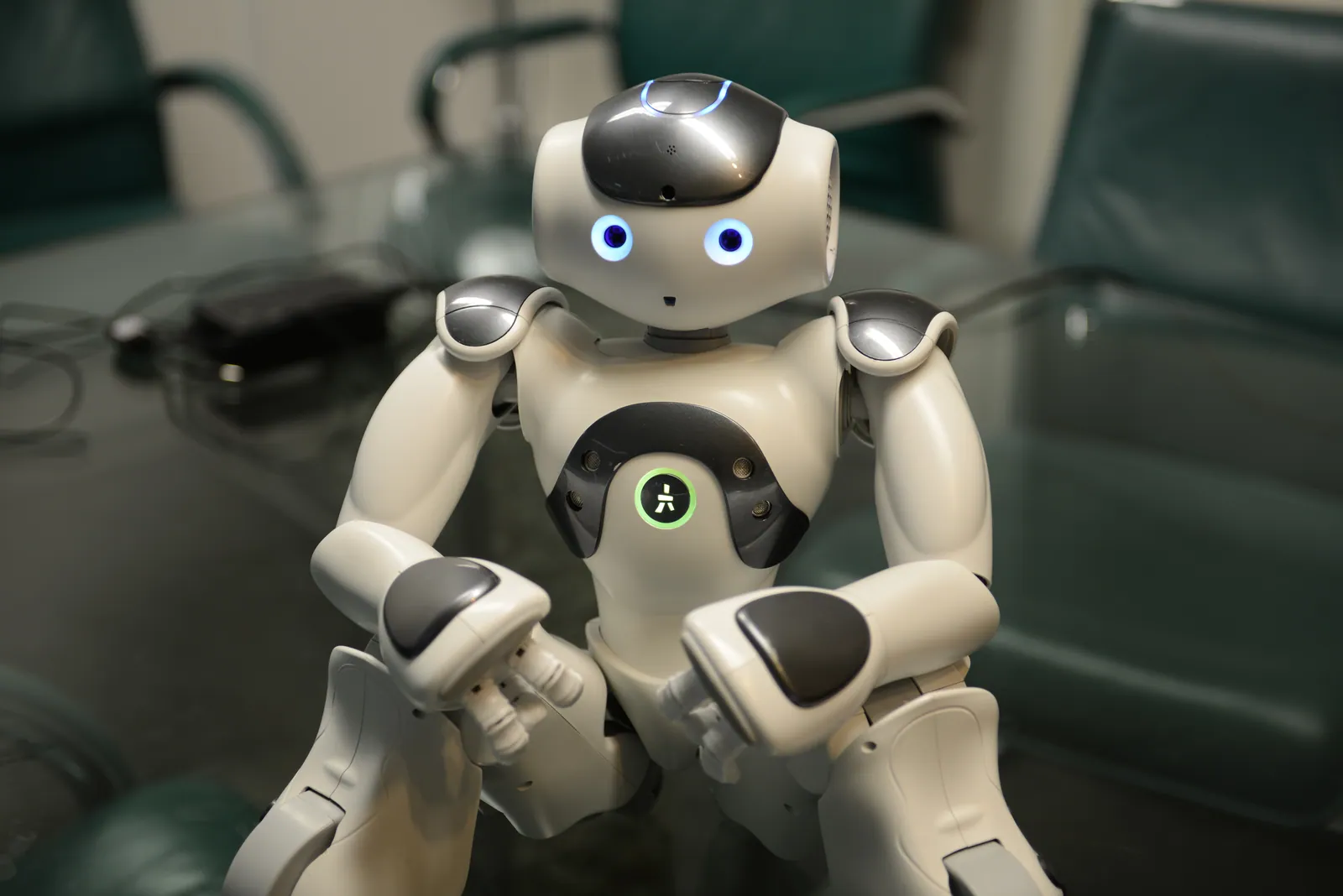
Schools buy robots from USD 175 (Ozobot Evo) to robot arms for more than EUR 2,000; the LEGO SPIKE Prime 45678 was retired on 30 June 2026.
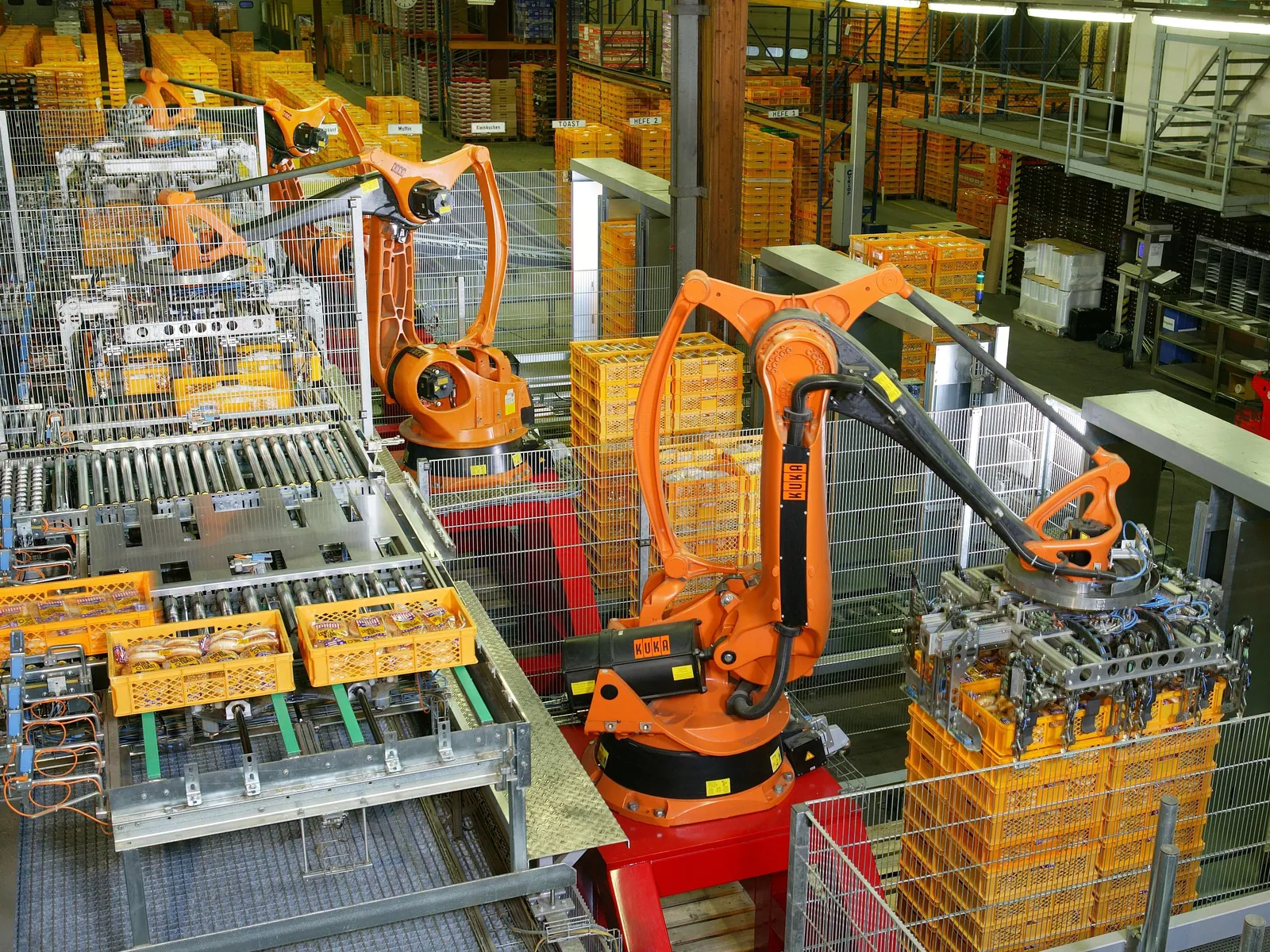
What works in factories today is mainly cobots, mobile robots and classic industrial robots; humanoids are still at the pilot stage.