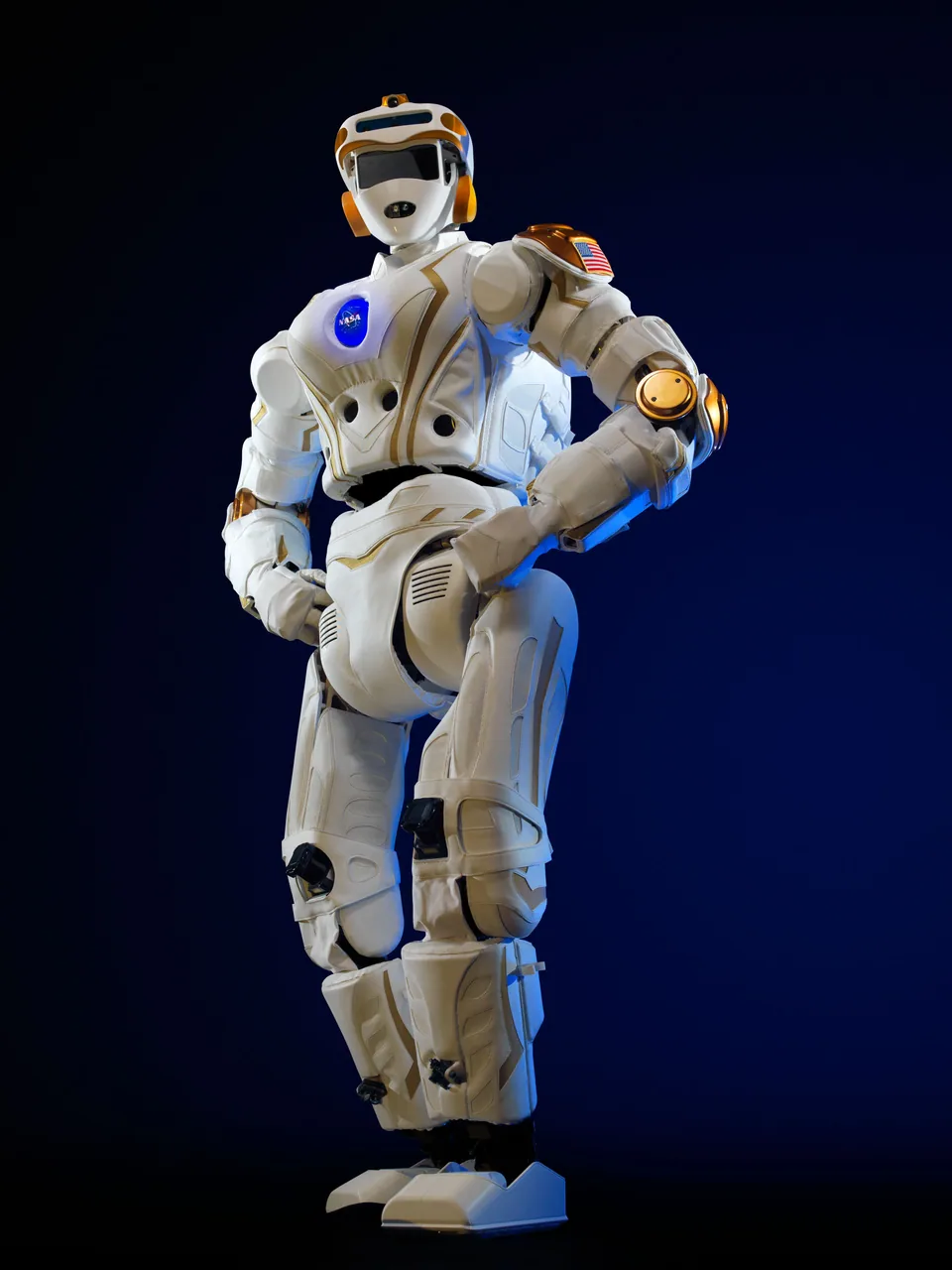
prototype
Price from
Torobo from Japan's Tokyo Robotics is a research platform, not a consumer product. It goes to labs such as RIKEN, Denso and Waseda University, where it is used for research into machine learning and manipulation.
The design: two seven-axis arms mounted on an omnidirectional mobile base, about 161.5 cm tall (1,615 mm per the manufacturer's official data sheet), weighing around 120 kg, with a payload of up to 7 kg per arm in the worst working pose (briefly up to 20 kg).
Torque sensors distributed across the whole body allow precise, force-controlled manipulation, which sets Torobo apart from cheaper educational platforms without full force feedback. Optional extras include stereo cameras, fisheye, a ToF depth sensor and a stereo microphone, and the system runs in a ROS-compatible environment.
Compared with platforms such as Apptronik Apollo or Sanctuary AI, Torobo is clearly narrower in scope: it has no legs for bipedal walking, only a wheeled base. In return it offers the manipulation precision prized in academic research. The lack of a price list and its development status rule out commercial purchase; it is not available in Poland.
Data checked: · Sources: 1
Data from manufacturer datasheets and product pages; median over the models of this category in the database.
no data
Purchase. We do not know Torobo's price list; the manufacturer does not publish one. For orientation, the competing Reachy 2 costs USD 70,000 and the iCub about EUR 250,000. As a rough estimate, a dual-arm platform of this class with a full sensor suite sits in the research segment, not the educational one, but that is only an order-of-magnitude comparison, not an offer.
Operation. There is no data on power draw or service. Expect the cost of transport (120 kg), powering the workstation and the time of the team that programs and maintains the robot.
Training. ROS compatibility shortens the learning curve for teams that already know it. There is no Polish-language training; attending the manufacturer's courses would require contacting Tokyo Robotics.
Availability in Poland: none.
No confirmed distributor in Poland
The Torobo is a research platform from Tokyo Robotics: two seven-axis arms on a wheeled base that, according to the manufacturer, go to centers such as RIKEN, Denso and Waseda University.
Machine learning in manipulation. The main use is research into how a robot learns to grasp and rearrange objects. Torque sensors in the joints of both arms and in the waist give the force data something cheaper platforms without full force feedback lack. The system is ROS-compatible, so a researcher can use their own algorithms and compare results with other teams. We describe the background to these methods in “VLA Models: How AI Controls Humanoid Robots in 2026”.
Industrial automation. Our catalog lists it as a use (factories), but we found no information on Torobo working on a production line.
Universities. Among its users the manufacturer names Waseda University; the use is described under “Universities and research”, and guidance for planning a similar setup is in “Educational Robots for Schools and Universities”.
An important difference from popular humanoids: Torobo does not walk. It has a wheeled base, stands 161.5 cm tall and weighs 120 kg, with a payload of up to 7 kg per arm in the worst pose (briefly up to 20 kg). For manipulation research that is an advantage, since a stable base means less disturbance, but it will not work where stairs or uneven ground matter. Optional equipment includes a stereo camera, fisheye, a ToF depth sensor and a stereo microphone.
The robot is not available in Poland. It makes sense as a reference point for labs evaluating dual-arm manipulation hardware, and the broader picture of the category is in laboratories.
Makes sense for: Research teams working on manipulation and machine learning that need two arms with torque sensors and a ROS-compatible environment. Centers comparing hardware before a big purchase that want to know the alternatives to Western platforms.
Less suited to: A company looking for a humanoid to work on a shop floor: Torobo has a wheeled base, not legs, and prototype status in development. Not for a buyer who needs a public price, Polish service and delivery guarantees; it has none of these. Not for a school or a hobbyist: this is lab equipment weighing 120 kg. For beginners, the platforms described in “How to Start Learning Robotics in Poland” make more sense.
The robot is neither available nor distributed here.
Worldwide, the manufacturer names three institutions: RIKEN, Denso and Waseda University. These are research centers and an industrial company where the platform is used for research into manipulation and machine learning. We do not know the number of units.
The category looks different in Poland: universities are dominated by cheaper educational humanoids, described in “Educational Robots for Schools and Universities”. Dual-arm research robots appear less often, mainly in projects co-funded by grants.
Reachy 2 is a mobile research torso with 7-DOF arms, ROS 2 and LeRobot; price USD 70,000, ordering by email. The closest counterpart to a dual-arm machine-learning platform, with a public price.
PAL Robotics TALOS is a research humanoid 175 cm tall and 95 kg with torque control in almost every joint, though it runs only about 1.5 h. A good choice when you need legs and gait research.
iCub is 104 cm, 22 kg, with 53 motors and nine-degree-of-freedom hands; priced at about EUR 250,000, sold to institutions. It makes sense where hand dexterity and a user community matter.
Sanctuary AI Phoenix is a humanoid on wheels with sensitive hydraulic hands and a 25 kg payload; at pilot stage, no price.
National Institute of Advanced Industrial Science and Technology (AIST)
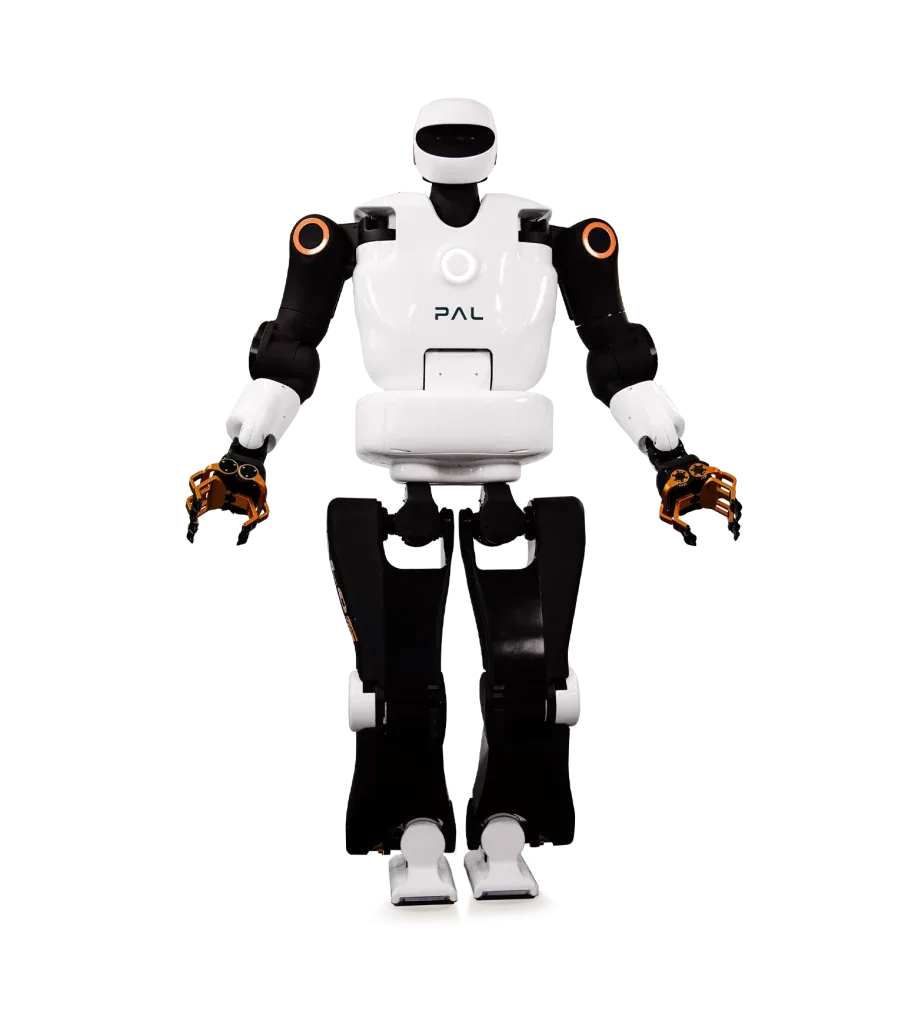
Tokyo Robotics is a Japanese company based in Tokyo; its founding year is not confirmed, and neither is the launch date of Torobo. What we do know is that the platform has prototype status and that its users, according to the manufacturer, are RIKEN, Denso and Waseda University.
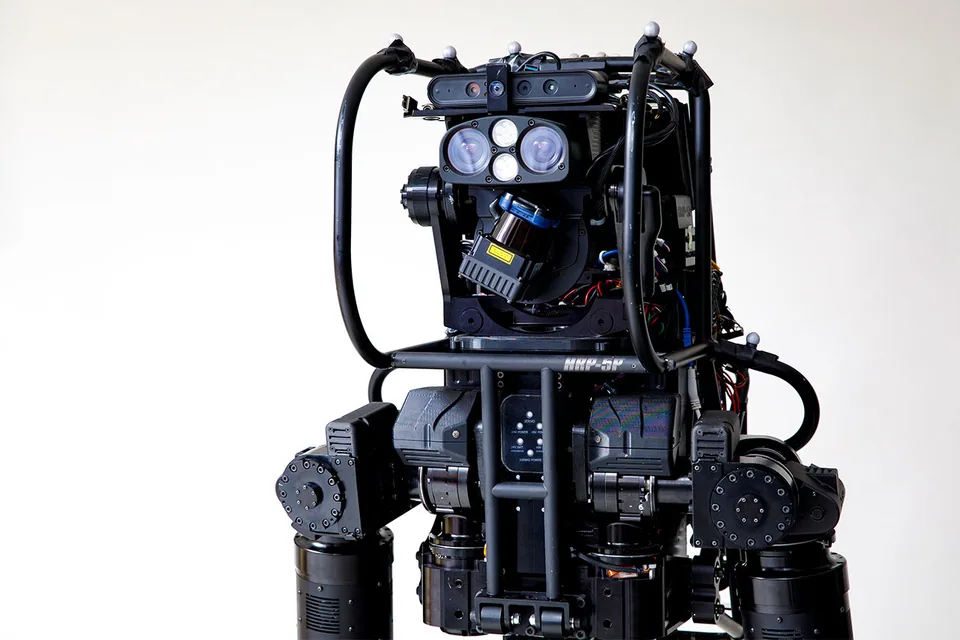
Torobo belongs to a family of research robots emerging from the Japanese academic and industrial community, which also produced WABIAN-2 (a university biped, 41 DOF) and HRP-5P (a 2018 prototype, 182 cm). The difference: those bipeds study gait, while Torobo studies touch and arm dexterity. We have no recorded events tied to this model, so we do not build a timeline beyond what is confirmed.
No. The Tokyo Robotics Torobo is a prototype or research platform with no commercial offer in Poland; any sale would be announced by the manufacturer (Japan).
The platform is used by the RIKEN institute, Denso and Waseda University, among others, for research into manipulation and machine learning.
Up to 7 kg in the least favorable working pose, with a momentary payload of up to 20 kg.
No. It moves on an omnidirectional mobile base, not on two legs.
Author, source and licence of the photo are given in the caption. Shop links may become affiliate links in future, details: How we make money · How we check