In this article
- The Educational Robot Market Has Two Very Different Segments
- Schools: Coding, Bricks and Simple Robots
- Robotic Arms as an Entry Point to Industrial Robotics
- Universities and Research Labs: Pricier, More Serious Hardware
- Polish Universities: A Real Data Gap
- NAO and Pepper: HRI Classics, but in Limbo
- How to Approach a Purchase
Key facts
- Models coveredUnitree G1 (Standard), PAL Robotics TIAGo, SO-101
- Prices of the models covered891 PLN (≈ EUR 205 at NBP rate 4.3641 of 21 October 2026) – 79,900 PLN (≈ EUR 18,310)
- Covered models available in Poland1 of 3
- Number of sources13
- Reading time5 min
The Educational Robot Market Has Two Very Different Segments
In practice, educational robotics splits into two unrelated markets: cheap hardware for teaching coding basics in primary and secondary schools, and expensive research platforms at universities, used for work on control, perception and machine learning. The two segments have completely different purchasing models, budgets and suppliers, so we cover them separately.
Schools: Coding, Bricks and Simple Robots
In early and primary education, small robots that teach sequential thinking dominate. The American Ozobot (Evo line) is a small robot that follows lines and color codes, used in more than 10,000 schools worldwide according to the manufacturer (Ozobot); prices are not published, and sales go through institutional quotes for schools.
Photon Education is the brand of the Polish company Photon Entertainment of Białystok (headquarters and production — company contact details), founded in 2017 according to the maker. It declares production in Europe, CE certification for all products and use by more than 15,000 institutions (Photon Education). It offers a hardware progression from kindergarten to secondary school, with a platform featuring gamification and ready-made lesson scenarios covering topics such as artificial intelligence and ecology. We do not quote unit prices because they depend on the kit and the distributor.
In the upper grades (6-8), the best-known kit was LEGO Education SPIKE Prime. Set no. 45678 was withdrawn from sale on June 30, 2026, as the manufacturer states on its own product page (LEGO Education), with SPIKE app support promised until 30 June 2031 and schools pointed to the "Computer Science & AI" range. Schools planning a purchase for the coming school year should factor this into their tenders, since buying a discontinued kit may mean losing manufacturer support within a few years.
Robotic Arms as an Entry Point to Industrial Robotics
Miniature robotic arms are popular in technical classes and among first-year students. The Chinese myCobot 280 (280 mm working radius, 250 g payload, M5Stack platform) is advertised by its maker as the world's smallest 6-axis arm, at USD 599 in the maker's store (Elephant Robotics). Its competitor, the Dobot Magician (4 axes, 500 g payload, 320 mm reach — Dobot), does not state a price on its specification page. Both have their own programming environments (DobotLab, myStudio), which lowers the entry barrier for teachers without a programming background. We explain the technical background of degrees of freedom and the construction of such arms in “Degrees of Freedom (DOF) in Humanoid Robots” and “Actuators in Humanoid Robots”.
Universities and Research Labs: Pricier, More Serious Hardware
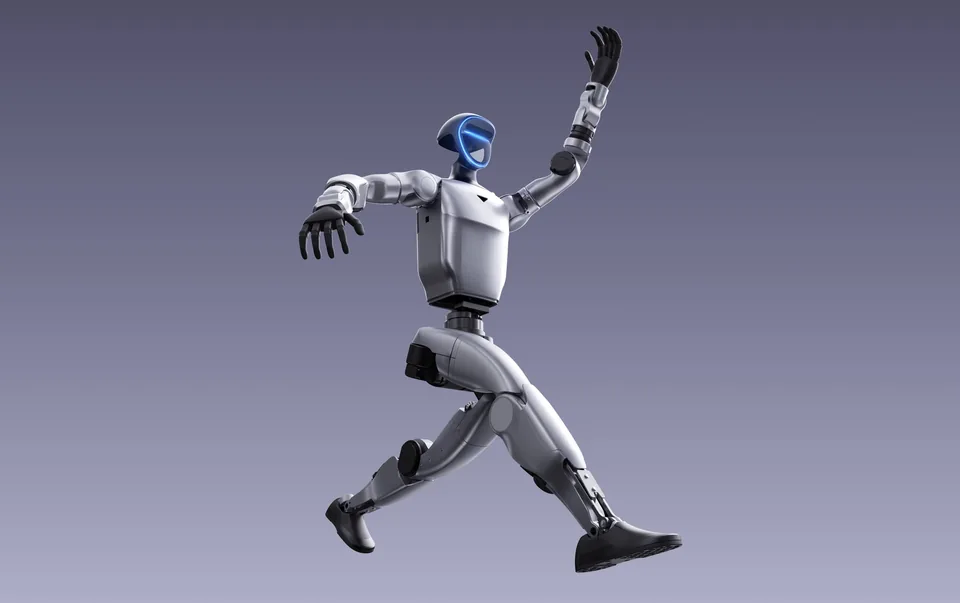
At the academic level, the most often cited humanoid platform for research on locomotion and manipulation is the Unitree G1: 132 cm, about 35 kg, 23 degrees of freedom (23-43 in the EDU variant), priced from USD 13,500 (Unitree). Its low price for the humanoid segment and open SDK have made the G1 a popular choice for robotics labs worldwide; the limitation remains a short battery life of about two hours (manufacturer's figure).
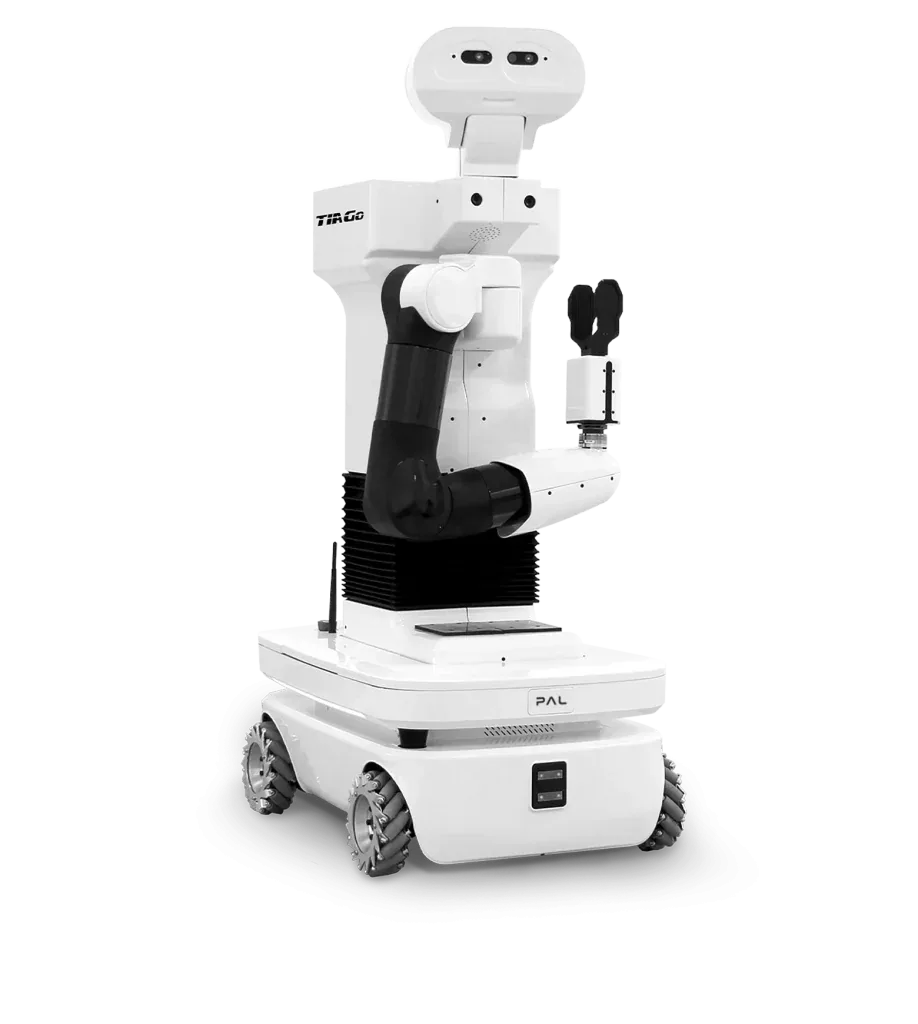
For research on mobile manipulation, the Spanish wheeled platform PAL Robotics TIAGo (adjustable height 110-145 cm, up to two 7-DOF arms, 3 kg payload per arm, ROS architecture — PAL Robotics) is used, according to the manufacturer, in research projects in 27 countries; it is sold on request, with no public price list.
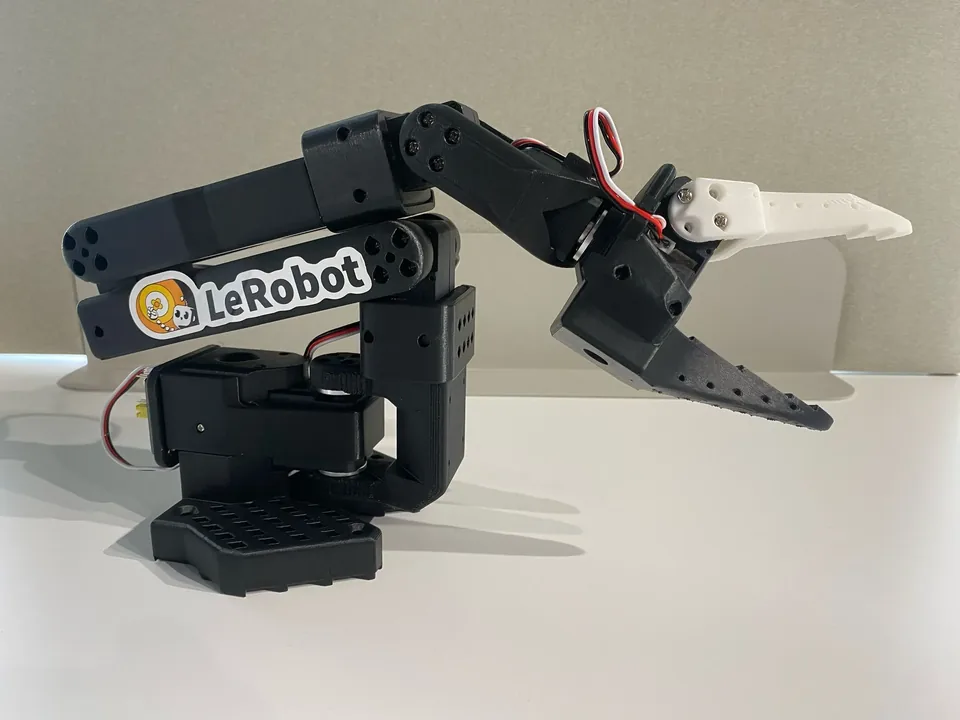
A cheaper way into imitation-learning research is offered by the open-source SO-101 arm (SO-101, designed by The Robot Studio in collaboration with Hugging Face — project repository), assembled from 3D-printed parts and STS3215 servos, with no fixed commercial price (the cost depends on the components you source yourself). Then there is the pricier, ready-made Trossen AI Stationary, an evolution of the ALOHA line, sold for USD 23,995 (two pairs of WidowX AI arms, four RealSense cameras, a touchscreen — Trossen Robotics). The open-source ToddlerBot (Stanford, 56 cm, 3.4 kg, 30 DOF, NVIDIA Jetson Orin NX computer) is a research project that is entirely 3D-printed from commercially available components, with a build cost under USD 6,000 according to its authors; in the walking endurance test it lasted about 19 minutes before overheating affected stability (project page).
Polish Universities: A Real Data Gap
It is worth knowing what is missing here: there is no publicly available list of which robots (Unitree, TIAGo, NAO or others) stand in the labs of Polish universities such as Warsaw University of Technology, AGH, or the technical universities of Wrocław, Poznań or Gdańsk. Faculty pages rarely describe this, and the information can usually only be obtained directly from a department or a student robotics club. For that reason we do not tie any university to a specific model.
NAO and Pepper: HRI Classics, but in Limbo
The French NAO (Aldebaran, a company founded in 2005) is a popular platform for human-robot interaction research; according to the company about 20,000 NAO and 17,000 Pepper robots were sold to 70 countries (The Robot Report). However, Aldebaran filed for bankruptcy in mid-February 2025, and in July 2025 the core assets and the rights to NAO and Pepper were acquired by China's Maxvision Technology Corp. (heise), which raises uncertainty over future service support and parts availability. The larger humanoid Pepper stopped being produced in 2020 or 2021 (The Robot Report); schools buying used units today should expect no new spare parts.
How to Approach a Purchase
A school planning a purchase should distinguish hardware with a clear, actively supported product line (myCobot, Photon, LEGO's new Computer Science & AI range) from hardware in an uncertain corporate situation (NAO after the takeover, the discontinued SPIKE Prime). A university planning to buy a research platform should weigh the real grant budget against operating cost: cheaper open-source platforms (SO-101) take team time to assemble and calibrate, a cost often left out of the first calculation. For more on the general process of buying a robot, see “How to Buy a Cobot Step by Step” and the category overview educational robots.
Frequently asked questions
Which robots do children learn with in Polish schools?
In the early grades, simple coding robots dominate (for example the Ozobot line or the Polish Photon), and in older grades brick-based kits such as LEGO Education (SPIKE Prime, withdrawn from sale on June 30, 2026 according to the manufacturer's page, with a successor in the Computer Science & AI range; LEGO Education). There are no official statistics from the Ministry of Education on which schools use which robots, so we do not name specific schools.
Which robots do Polish universities use for research?
We found no confirmed source naming specific robot models in the labs of particular Polish universities (Warsaw University of Technology, AGH, Wroclaw University of Science and Technology and others), and faculty websites were not available for verification. This is a genuine data gap and should not be filled with guesswork.
How much does a robot for learning programming cost?
The range is huge: from a few hundred dollars for an educational arm (myCobot 280 from USD 599), through the Unitree G1 humanoid from USD 13,500 for university labs, to about USD 24,000 (USD 23,995 in the maker's store) for the Trossen AI Stationary research kit for imitation learning. Prices of simple coding robots (Ozobot, Photon) depend on the kit and the supplier.
Can a university buy a cheaper humanoid robot instead of the Unitree G1?
Yes. Open-source platforms such as the SO-101 (The Robot Studio with Hugging Face, the LeRobot ecosystem) or Stanford's ToddlerBot have no commercial price, but you build them yourself from a publicly available parts list, which demands more technical skill from a research team than a ready-made commercial product.
Sources
Links to the material this text is based on. Before you base a decision on a figure from the article, check it at the source.
- unitree.com/g1
- education.lego.com/en-us/products/lego-education-spike-prime-set/45678
- photon.education
- elephantrobotics.com/en/mycobot-en
- pal-robotics.com/robots/tiago
- ozobot.com
- photon.education/contact
- trossenrobotics.com/stationary-ai
- toddlerbot.github.io
- github.com/TheRobotStudio/SO-ARM100
- dobot-robots.com/products/education/magician.html
- therobotreport.com/maxvision-buys-core-robot-assets-including-nao-pepper-alde…
- heise.de/-10495554
About the authors
A chief engineer by profession (technical head of a ship's machinery plant, licensed). Sets the site's editorial rules and is responsible for them; he does not read every page before publication.
Texts are prepared by the editorial team using AI tools. We compare data with primary sources on a sample basis, not page by page. Our rules are described here: How we check · About us