on sale
Price from
The SO-101 is an open project from Hugging Face and TheRobotStudio: a pair of arms (leader and follower), each with six degrees of freedom, assembled from 3D-printed parts and Feetech STS3215 servos, with a complete, publicly available bill of materials on GitHub. Control runs through an external PC/GPU connected over USB, and the software for imitation learning comes from the LeRobot framework.
That makes the SO-101 a popular choice for universities and robotics/ML courses as a platform with almost no licensing cost, but one that demands your own assembly, calibration and a minimum of electronics knowledge, unlike ready-made educational kits for younger grades. Availability in Poland is not described in the sources; parts have to be imported yourself from international robotics component shops.
It suits students and machine learning researchers, and it does not suit schools looking for a ready-made kit without assembly.
Data checked: · Sources: 2
Data from manufacturer datasheets and product pages; median over the models of this category in the database.
No fixed price or single seller; the kit consists of 3D-printed parts plus six Feetech STS3215 servos per arm (leader + follower). The official bill of materials (BOM) on GitHub (TheRobotStudio/SO-ARM100) states explicitly: follower alone $121.94 in total, follower + leader pair $229.88 in total.
The official bill of materials (BOM) on the TheRobotStudio/SO-ARM100 GitHub lists $121.94 for the follower arm alone and $229.88 for the follower plus leader pair. At the October 1, 2026 exchange rate of 3.8762, that is about PLN 891 (≈ EUR 205) for the full set, but with no fixed supplier and no single retail price. It is the sum of parts, not a shop offer.
You need to add items the bill of materials does not cover. As a rough guide: a computer with a graphics card for training models (from a few thousand to over ten thousand zloty, if your university does not already have one), cameras for collecting data, and filament for printing. Then there is time: assembly and calibration take roughly an evening or two for an experienced builder, much longer for a beginner.
A science club can look for funding from university funds; we do not know of a specific program for this robot.
No confirmed distributor in Poland
The SO-101 is an open project from Hugging Face and TheRobotStudio. One arm is guided by the operator's hand and the other repeats its movements; from the collected recordings a model can be trained so that the arm performs the task on its own.
It is a pair of arms, leader and follower, each with 6 degrees of freedom (“Degrees of Freedom (DOF) in Humanoid Robots”), built from 3D-printed parts and Feetech STS3215 servos. Control runs through an external computer with a GPU connected over USB, and the software for imitation learning comes from the LeRobot framework. The main applications are imitation learning, teleoperation and low-cost robotics courses.
It works best at a university (universities) and in a laboratory (laboratories): it lets you show students how modern control methods work, described in “VLA Models: How AI Controls Humanoid Robots in 2026”, without spending thousands on a branded arm. It also suits a hobbyist's home workshop, but not factory work: the payload and reliability of such a design are not described in the sources, and the manufacturer does not claim any safety certification.
Best suited to: students and machine learning researchers, science clubs, people running robotics courses, and hobbyists with basic electronics knowledge. The open bill of materials and the absence of license fees make it an almost cost-free entry platform.
A poor fit: schools that want a ready-made kit without assembly, since the robot has to be built, calibrated and connected to a computer. Do not buy it for production or for tasks involving payload either, because it is not an industrial robot. Availability in Poland is not described in the sources; you have to import parts yourself.
See “How to Start Learning Robotics in Poland” and “Educational Robots for Schools and Universities”.
The sources say it is a popular choice for universities and for robotics and machine learning courses; that describes a role, not a list of specific institutions.
If you want to see what similar arms look like at larger scale, look at the Trossen AI Stationary or the overview educational robots.
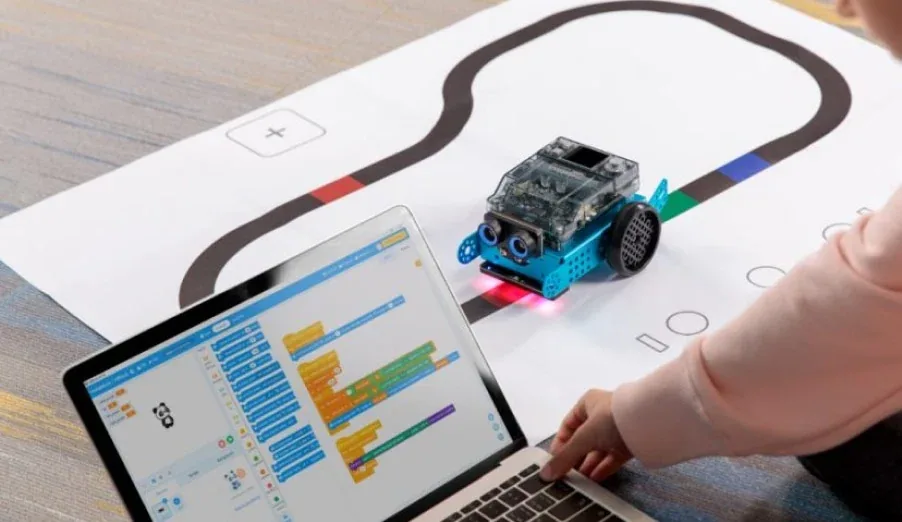
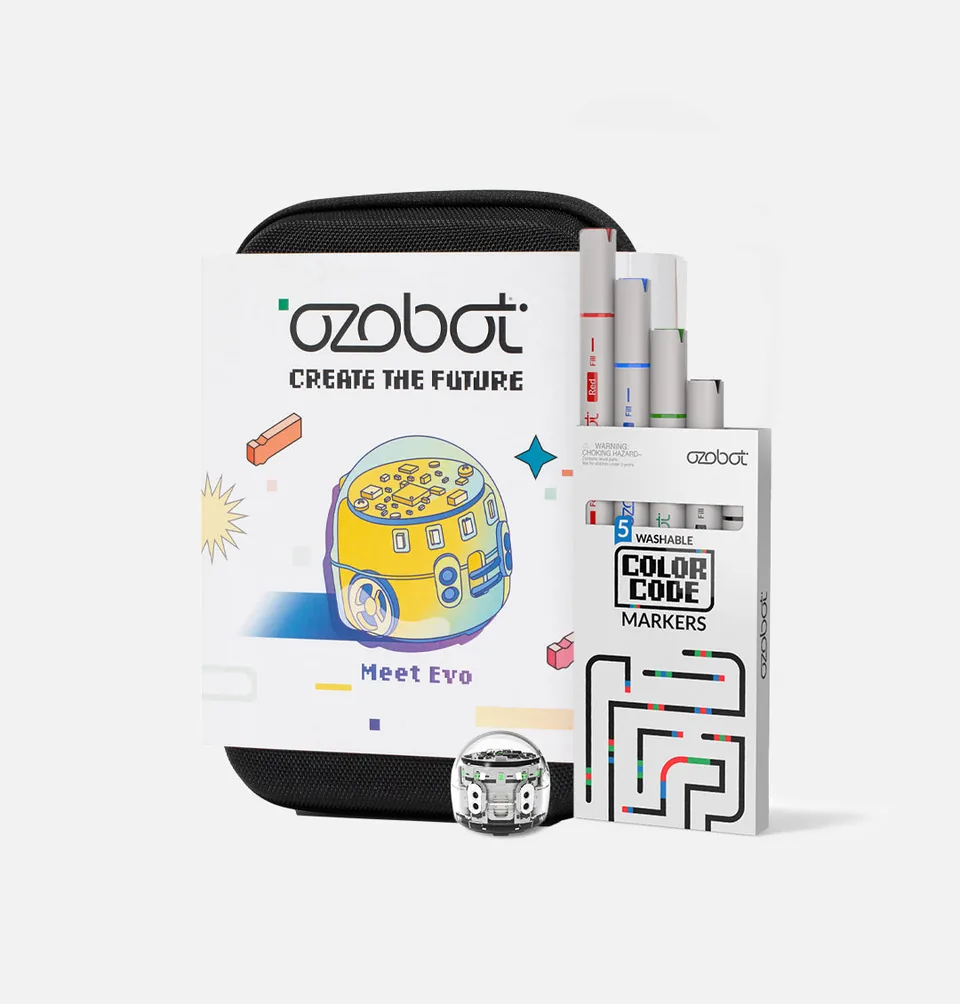
Schools buy robots from USD 175 (Ozobot Evo) to robot arms for more than EUR 2,000; the LEGO SPIKE Prime 45678 was retired on 30 June 2026.
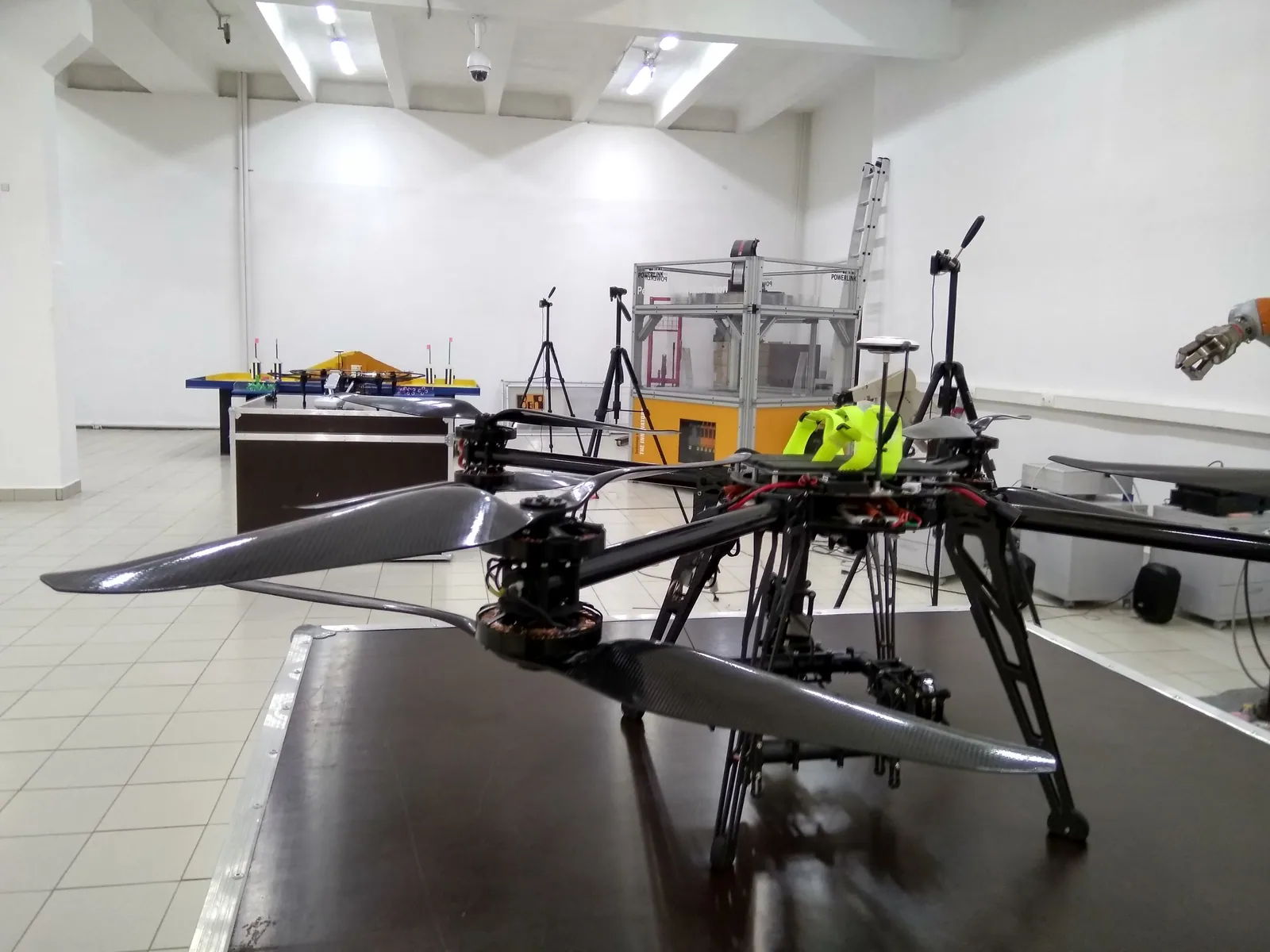
Universities buy research platforms: the Unitree G1 humanoid from USD 13,500, the Franka arm for about EUR 25,000, and the open SO-101 in parts for about USD 230.
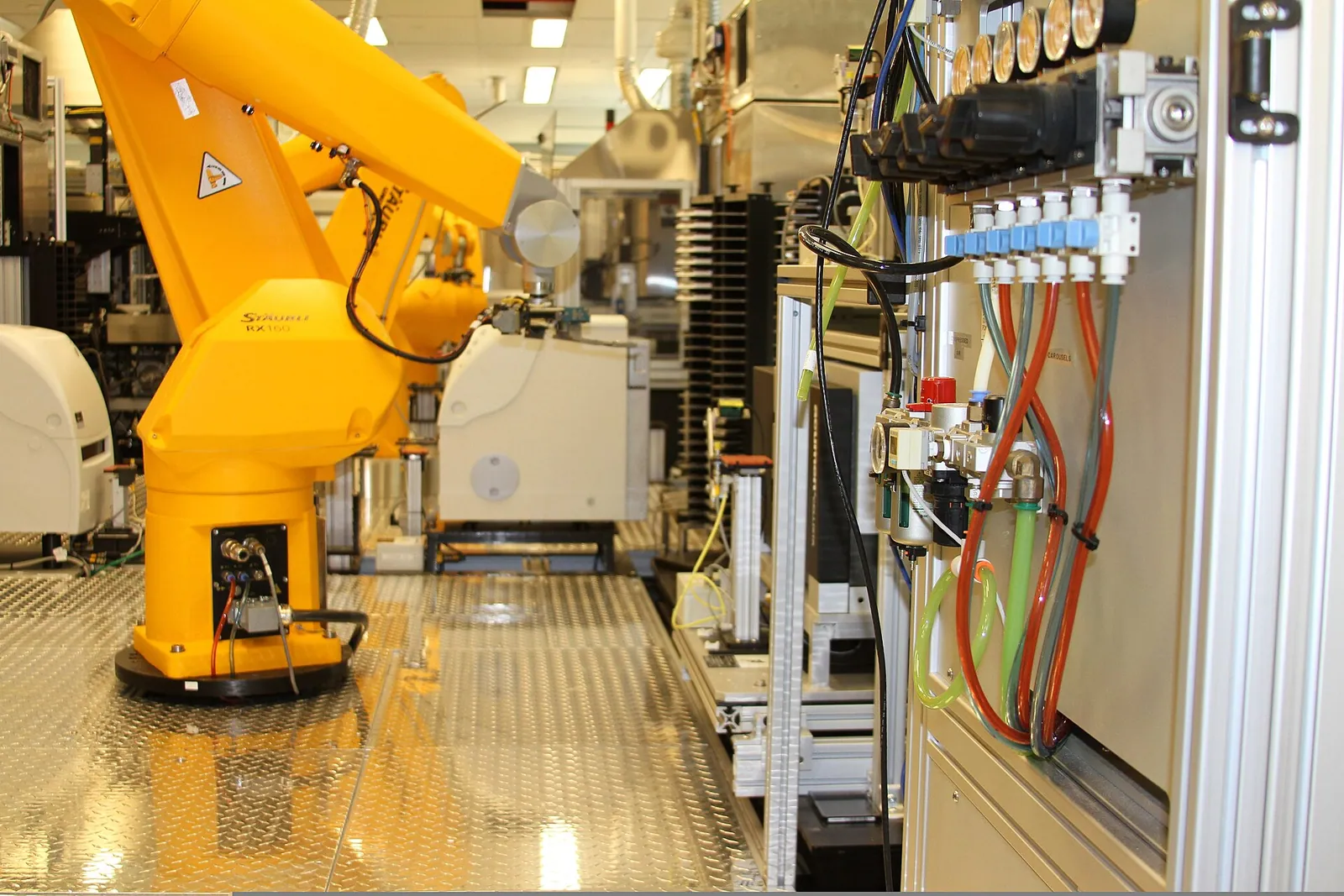
In the lab, repeatability counts: from 5 micrometers (Meca500) to ±0.1 mm (Franka Research 3), with prices starting at about PLN 890 (≈ EUR 205) (SO-101).
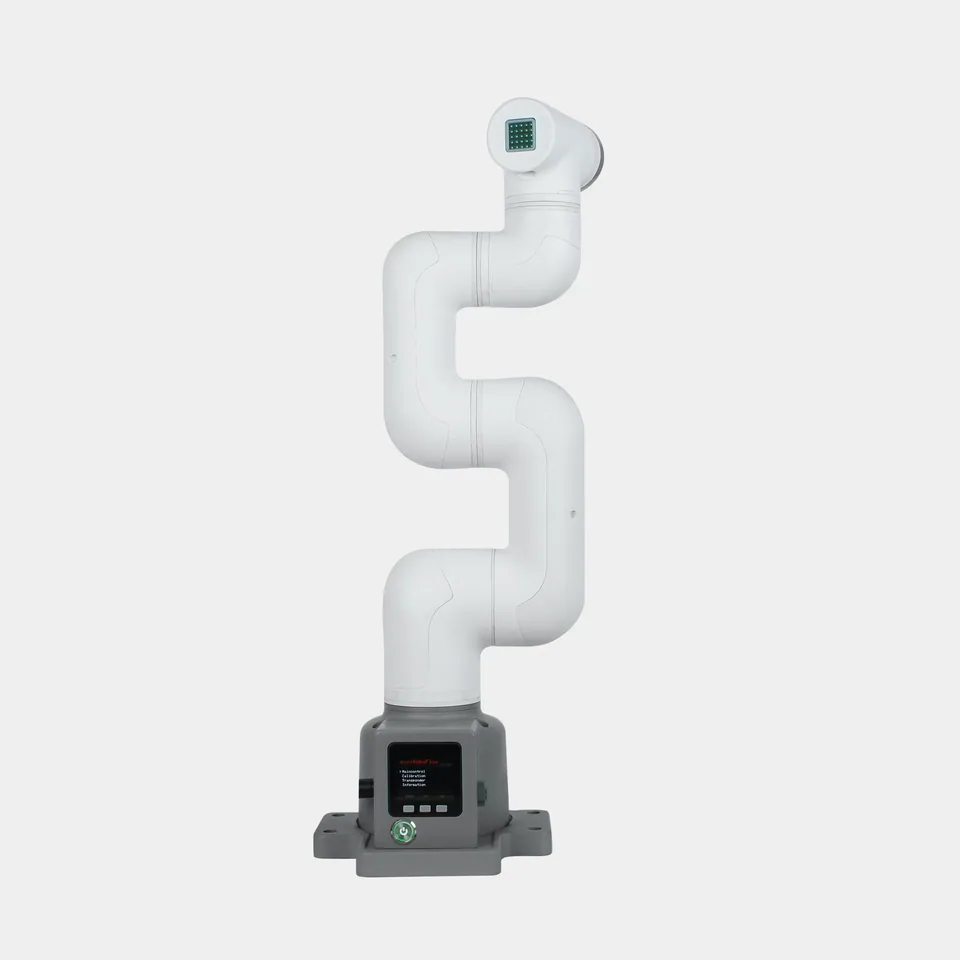
The Trossen AI Stationary is the successor to ALOHA: a bimanual kit for imitation learning with a laptop and ROS 2, more professional, with pricing on request. The myCobot 280 (about PLN 2,516 (≈ EUR 575), 250 g payload) is ready to use but less open for model learning. The Dobot Magician is a four-axis desktop arm (0.5 kg payload) for programming, available in Polish shops. The Kinova Gen3 Lite is a six-axis version for education and light manipulation, but its price and full data are unconfirmed. If you are looking for a kit for children, the LEGO Education SPIKE Prime Set is a closed ecosystem, and one that has been retired from sale.
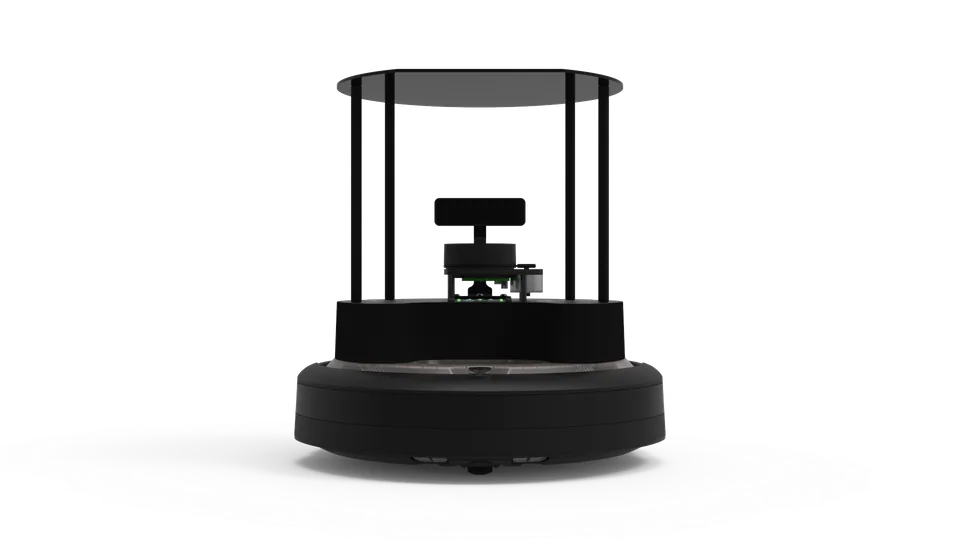
Clearpath Robotics (Rockwell Automation)
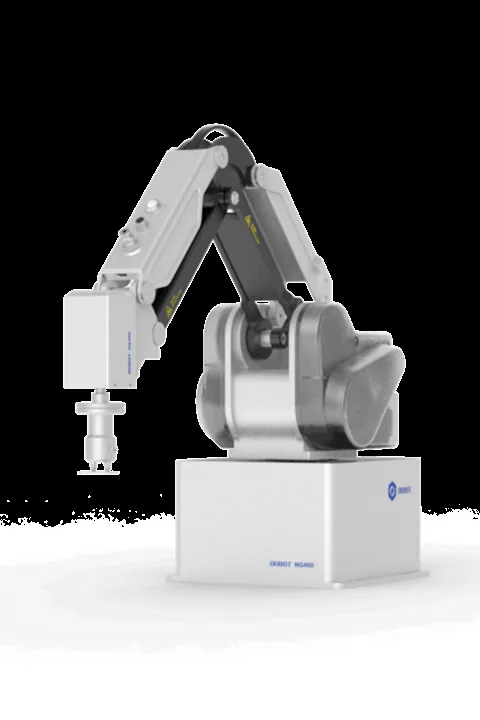
Dobot (Shenzhen Yuejiang Technology)
We have no confirmed launch date for the SO-101 and know of no events for this model, so we do not guess at a timeline. What we do know is that the project is based on the TheRobotStudio/SO-ARM100 repository on GitHub and on LeRobot's documentation; the repository name itself suggests the SO-101 belongs to an evolving SO-ARM series of arms, but that is an inference from the name, not confirmed history of the generations.
Context on the maker: Hugging Face, founded in 2016 and headquartered in New York, has an associated robotics company, Pollen Robotics. If you are interested in where teaching robots by imitation is heading, read “VLA Models: How AI Controls Humanoid Robots in 2026”.
No. The manufacturer Hugging Face / LeRobot (USA) names no Polish shop or official distributor for the SO-101 (LeRobot / TheRobotStudio); enquiries go through the manufacturer's website (huggingface.co). Indicative price: approx. 890 PLN* (≈ EUR 205). Confirm service in Poland before buying.
3D-printed parts and six Feetech STS3215 servos per arm (leader and follower), according to the public bill of materials on GitHub.
There is no single commercial supplier, but the official GitHub BOM (TheRobotStudio/SO-ARM100) gives totals: $121.94 for the follower arm alone, $229.88 for the follower + leader pair.
Learning imitation learning and teleoperation, mainly in robotics and machine learning courses.
Author, source and licence of the photo are given in the caption. Shop links may become affiliate links in future, details: How we make money · How we check