
on sale
Application: Schools
Schools buy robots from USD 175 (Ozobot Evo) to robot arms for more than EUR 2,000; the LEGO SPIKE Prime 45678 was retired on 30 June 2026.
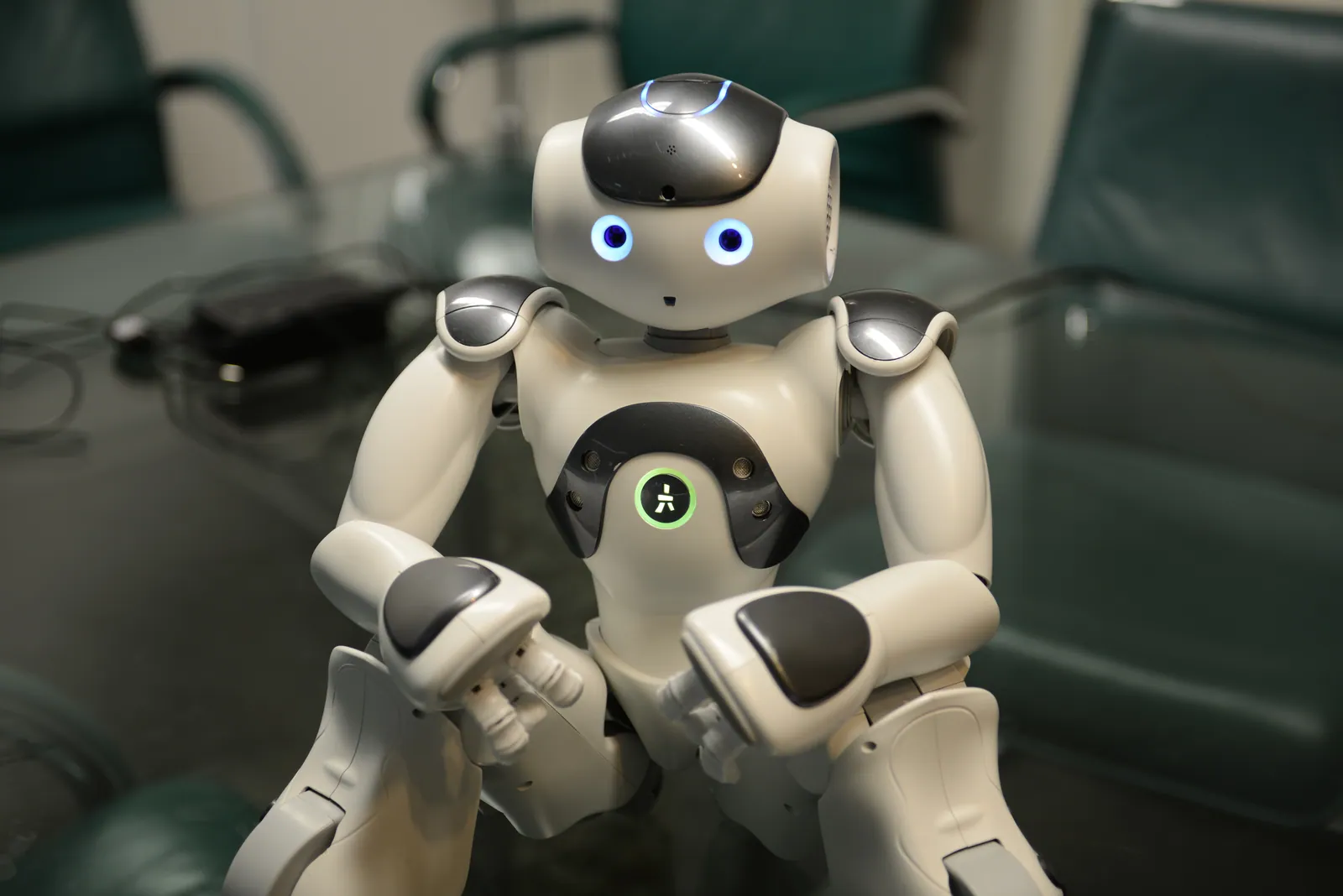
Photo: Stephen Chin, Wikimedia Commons, CC BY 2.0; resized and converted to WebP
The Ozobot Evo and similar screenless robots read colors drawn on paper: the color is the instruction, and the robot carries it out. That way an abstract loop and the "if... then..." condition become something a student can see and correct.
Below we check which models suit this kind of learning, what they cost, and where the matter turns out harder than manufacturers' brochures suggest.
Poland has low unemployment (3.4% in July 2026 according to Eurostat, Polskie Radio), and employers in many industries have complained for years about a shortage of workers; we write about it in “Humanoid Robots and the Polish Labor Market”. That pressure creates demand for graduates who understand automation, programming and mechatronics. A school does not have to deliver ready-made specialists. It is enough that it does not put children off these careers at an age when they are still interested in them.
To be honest: we have no reliable, official statistics on how many Polish schools use robots. We found no data from the Ministry of Education on the subject, and we do not intend to guess. What we do know is what is on sale and at what price.
The segment divides into three levels, and it is worth not mixing them.
Preschool and grades 1-3. Screenless robots that follow lines and react to colored codes. The Ozobot Evo costs, according to the manufacturer, from USD 175 for a starter kit, and a classroom pack of six robots USD 999 (Ozobot). Prices are public, which is rare in this segment. The manufacturer claims use in more than 10,000 schools (Ozobot); that is the manufacturer's figure, not independently confirmed.
Grades 4-8. Here the LEGO Education SPIKE Prime Set building-block kit reigned: motors, sensors, a controller and bricks from which children build their own constructions. Kit 45678, however, was retired on June 30, 2026. The manufacturer announced app support until June 30, 2031 and a new "Computer Science & AI" range (LEGO Education). If you are planning a tender, factor that in: buying a retired kit is a risk.
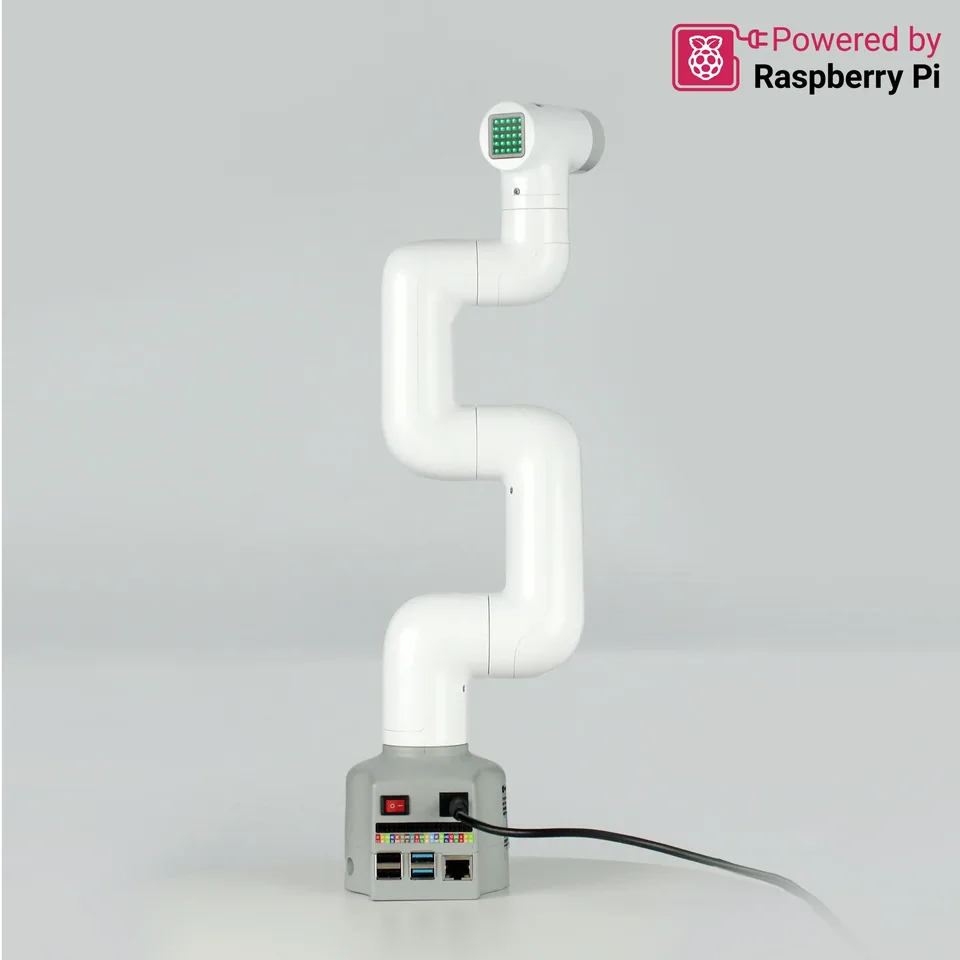
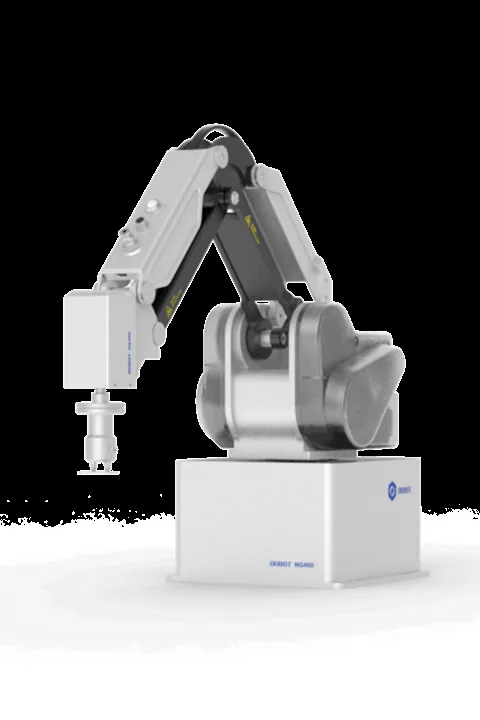
High school, technical school, clubs. Here miniature robotic arms come in. The Dobot Magician (4 axes, 0.5 kg payload; Dobot) draws, laser-engraves and moves light objects. The myCobot 280 is a six-axis arm for USD 649 (about PLN 2,520 (≈ EUR 575 at NBP rate 4.3716 of 20 October 2026) at the NBP rate of 1 October 2026), with a 250 g payload (Elephant Robotics). For technically oriented classes the Dobot MG400 is stronger: a four-axis desktop arm with a 440 mm reach and up to 750 g payload, priced at EUR 2,159–2,854 net (Dobot.nu). With such arms a student understands “Degrees of Freedom (DOF) in Humanoid Robots” (degrees of freedom) not from a drawing on the board, but from the fact that the arm cannot reach a spot because it lacks an axis.
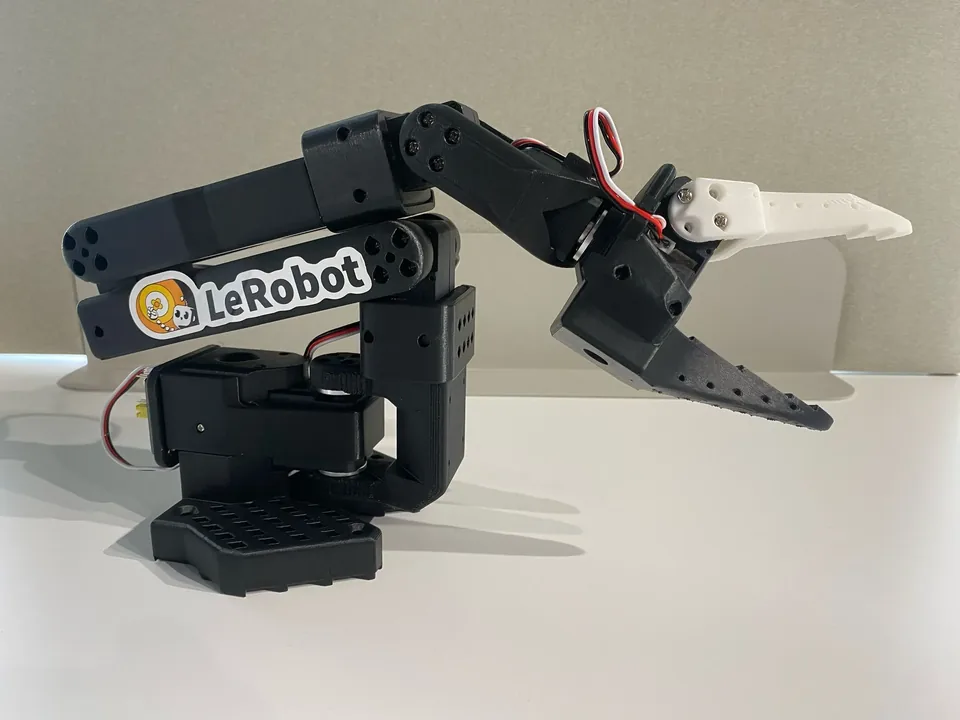
A separate category is cheap do-it-yourself platforms. The SO-101 from Hugging Face and TheRobotStudio is a pair of arms made of 3D-printed parts and servos. According to the official bill of materials, the follower alone is about USD 122, and the leader-plus-follower pair about USD 230 (GitHub). It is a good solution for a lab with a 3D printer and a teacher with a passion, but someone has to spend hours on assembly and calibration.
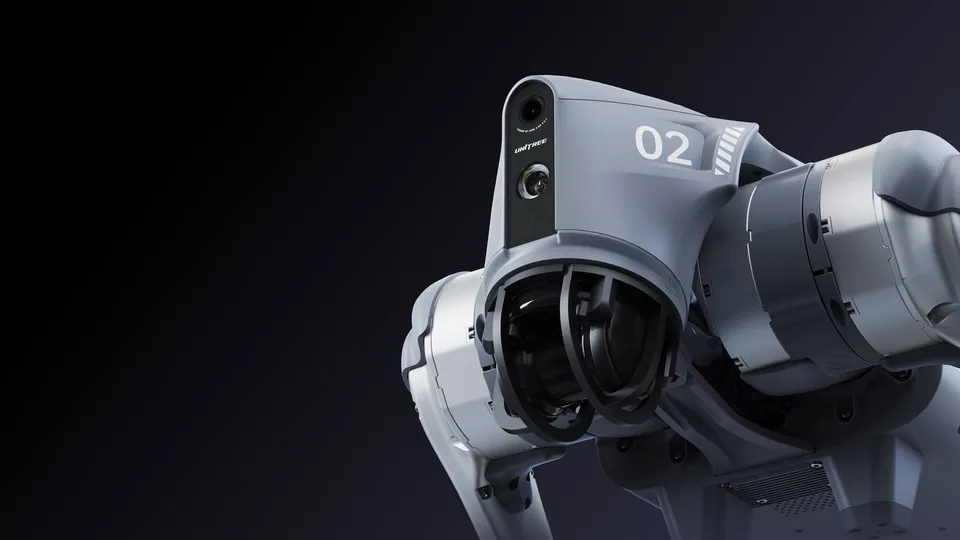
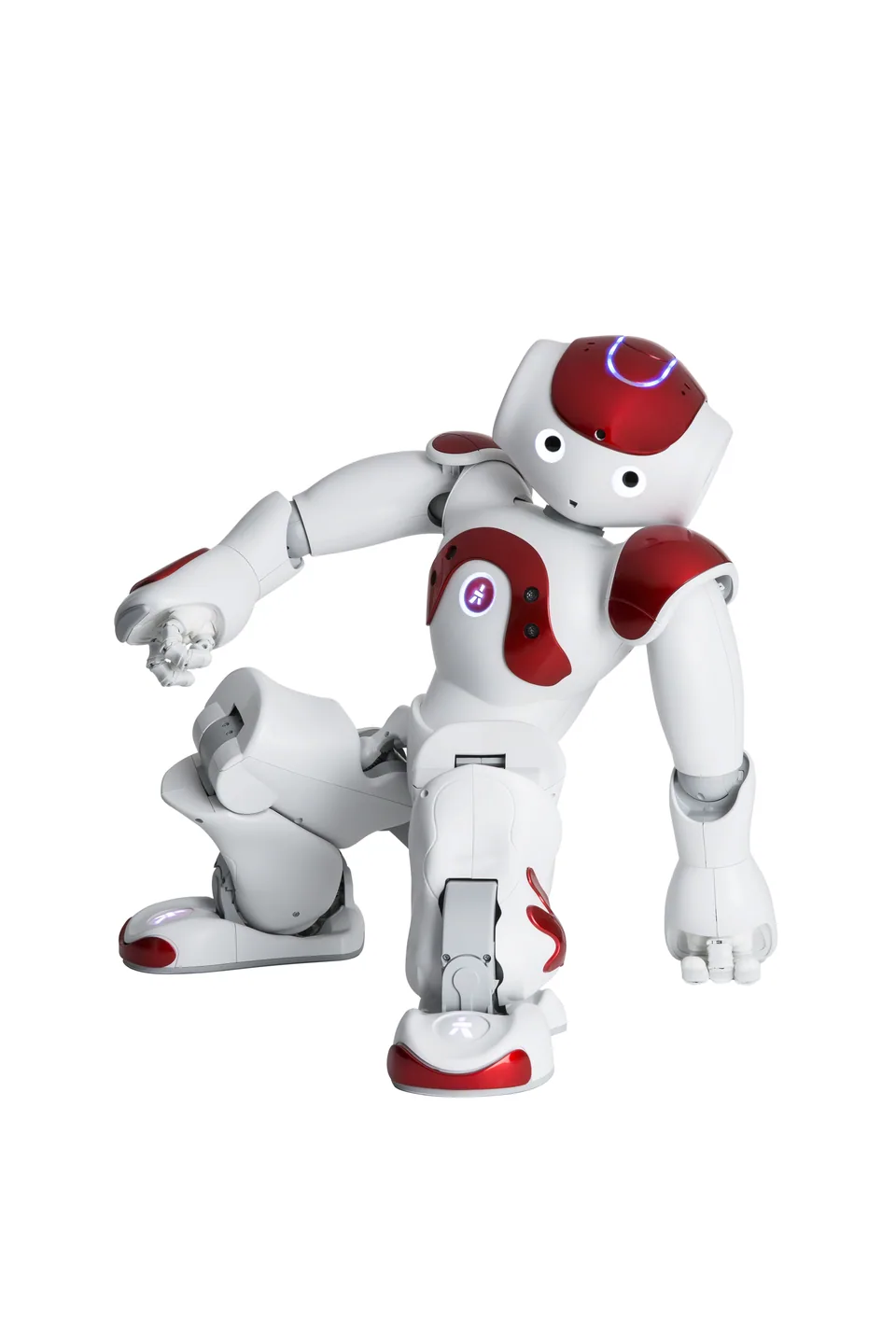
Finally, the spectacle. The Unitree Go2 quadruped is available in Polish retail (Air version from USD 1,600 from the manufacturer, Unitree, and in Polish shops from about PLN 9,900 (≈ EUR 2,260), Delta Robots, to PLN 12,000 (≈ EUR 2,740), Botland). It is more a showpiece for technical schools than equipment for learning coding basics. The humanoid NAO is a classic of human-robot interaction research, but its maker, Aldebaran, filed for insolvency in February 2025 (heise), so service support is uncertain.
A robot will not teach programming on its own. Without lesson plans, a trained teacher and time in the timetable, the equipment turns into a gadget to show visitors on open day. We have no study measuring how many kits in Polish schools are really used, so treat this as a purchasing risk, not an established result.
Second, humanoid and quadruped robots are mainly a spectacle. They will not replace cheaper kits in teaching the basics. Third, equipment with a camera and microphone is a challenge in terms of children's data protection. Before you sign the order, read “Data Security: Robots with Cameras and the GDPR”.
Reliable sources do not name Polish schools with robots today. We can, however, show where the path leads. According to the universities' own pages, Gdańsk University of Technology has in its mechatronics lab, among other things, a Unitree Go1 quadruped and the Husarion ROSbot 2 Pro platform, a Polish design (Gdańsk University of Technology). Wrocław University of Science and Technology uses a UR3 cobot and FANUC and ABB robots in its robotics lab (lab page). We describe that level on the page “Universities and research”, and the industrial destinations that students will one day reach in factories.
You can buy educational robots in Poland from specialist shops. NeoRobot.pl carries LEGO Education and the Ozobot, Botland sells Unitree, among others, and ASTOR of Kraków, together with Kawasaki, is developing the Astorino educational arm. Delta Robots sells Unitree and NAO robots. For schools, institutional quotes usually apply: ask about a package for a whole class, teacher training and a warranty on the whole set.
Not every model in our catalog has a distributor in Poland. For a school, the availability of service in Poland is sometimes more important than price, because a broken robot with thirty students is a lost lesson. More on selection criteria: “Educational Robots for Schools and Universities” and the category “Educational robots”.
For one lab a realistic budget is a few to a dozen classroom sets. Ozobots in a pack of six for USD 999 come to under USD 170 each. Ten stations with myCobot 280 arms are about USD 6,500. Add computers, accessories and, most expensive, teacher training.
The robotization tax relief (ulga na robotyzację), described in “Poland's Robotization Tax Relief”, applies to companies and does not concern public schools (podatki.gov.pl). Schools turn to funds from their governing body and to competitive projects. We know of no confirmed program that we could name as certain, so ask the education superintendent's office. In competitions, the teaching plan usually counts, not the equipment alone.
The best robots in school are often the cheapest ones, as long as they come with a good lesson plan and a teacher who trusts them. Start with a screenless or building-block kit, add one arm for the technical lab, and leave humanoids and quadrupeds as a reward for teams that have got through the basics. Choose equipment from an actively supported product line with a Polish service point. Then the robot will not end up as a souvenir of one open day, but will be the reason a few students sign up for mechatronics. We describe the further learning path in “How to Start Learning Robotics in Poland”, and the industrial cobots show what some of them will meet at work.
A chief engineer by profession (technical head of a ship's machinery plant, licensed). Sets the site's editorial rules and is responsible for them; he does not read every page before publication.
Texts are prepared by the editorial team using AI tools. We compare data with primary sources on a sample basis, not page by page. Our rules are described here: How we check · About us
Recommended robots
Models chosen for this scenario, with prices and availability in Poland.
LEGO EducationEducational robots

Dobot (Shenzhen Yuejiang Technology)Educational robots
Elephant RoboticsEducational robots
Dobot (Shenzhen Yuejiang Technology)Educational robots
Hugging Face / LeRobot (TheRobotStudio SO-ARM)Educational robots
Unitree RoboticsQuadruped robots
Aldebaran / SoftBank Robotics / United Robotics Group (now Maxtronics)Educational robots
Knowledge
NAO, Photon, LEGO SPIKE, Unitree G1: a guide to the robots used in Polish education and at universities, with buying advice.
Robotics clubs for kids, automation and robotics degrees, ROS courses for adults: the path into robotics at every stage.
What degrees of freedom (DOF) are, why one robot has 23 and another 43, and what the DOF count says about hand and finger dexterity.
A robot with cameras at work processes personal data. GDPR duties, the stance of Poland's data protection authority (UODO) and a rollout checklist.
Peak vs continuous torque, static vs dynamic payload, battery life under load: how not to be misled by a robot's datasheet.
Manufacturers aim at very different groups. The Ozobot Evo is, according to its maker, meant for learning to code from preschool to grade 5 (PreK-5), building-block kits like LEGO Education SPIKE Prime were aimed at grades 6-8, and miniature robotic arms tend to go to high schools, technical schools and the first years of university.
The spread is wide. The Ozobot Evo Entry Kit costs USD 175 according to the manufacturer, and a classroom set of six robots USD 999. The myCobot 280 arm is about USD 649, the Dobot MG400 EUR 2,159–2,854 net at the European shop Dobot.nu. The open-source SO-101 (a pair of arms) is about USD 230 for parts alone according to the bill of materials, plus time for assembly.
Poland's robotization tax relief (ulga na robotyzację) applies to companies, not schools. Schools usually fund equipment from the budget of their governing body or from competitive projects. We have not confirmed a specific, current nationwide program, so before buying ask the governing body and the education superintendent's office about current calls.
Lesson plans, a trained teacher and time in the timetable. A robot is a teaching aid: it shows the effect of a written instruction in the physical world, but someone has to design the lesson, handle errors and assess the students' work.
Robots with cameras and voice assistants process children's data, so GDPR applies. When choosing equipment, check where recordings go and whether you can work offline. We discuss the details in the article on data security of robots with cameras.
Links to the material this text is based on. Before you base a decision on a figure from the article, check it at the source.
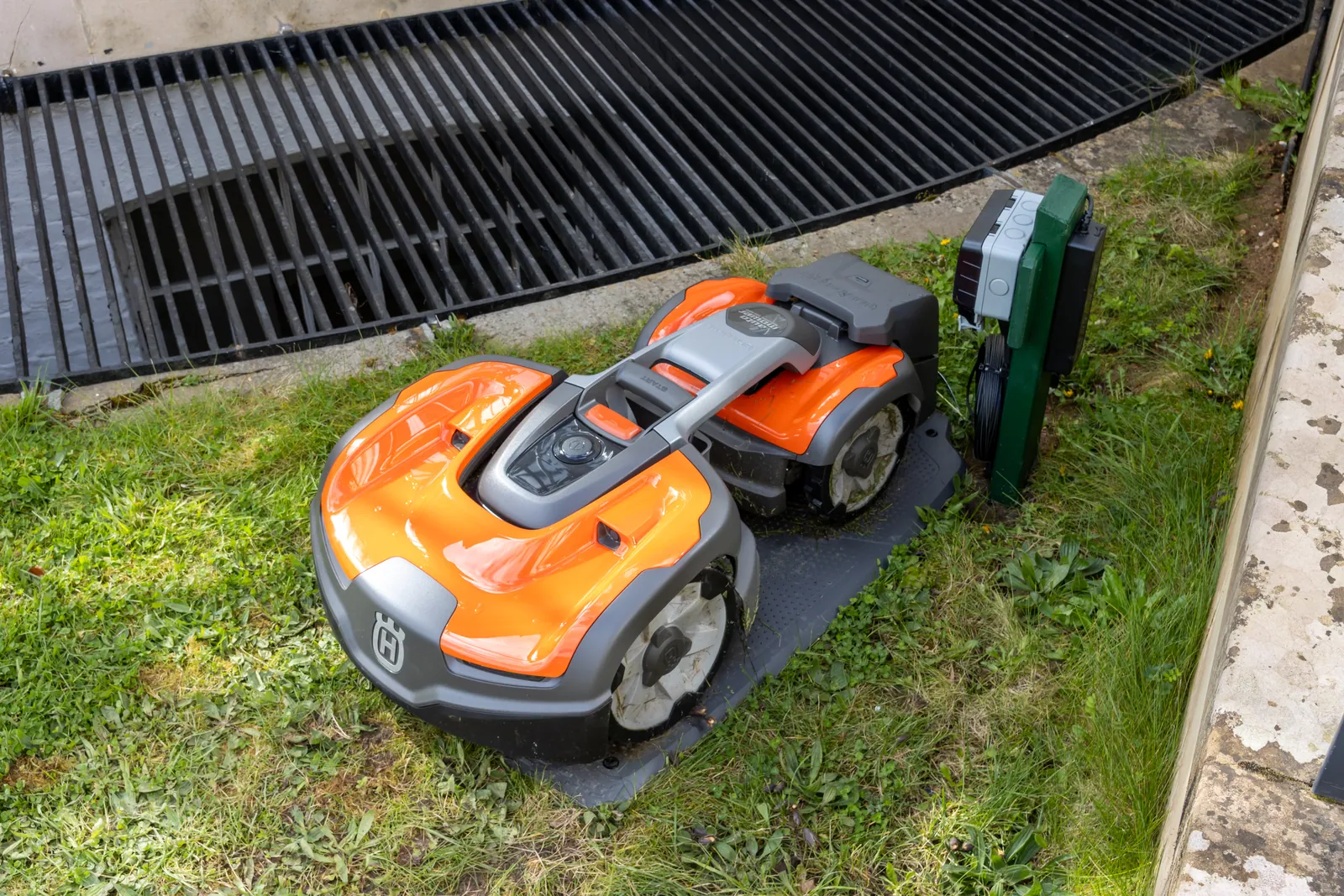
In the garden, robot mowers are mature; the Naio Oz is for professional vegetable growers, and the Unitree Go2 costs from about PLN 9,900 (≈ EUR 2,260) in Polish shops.
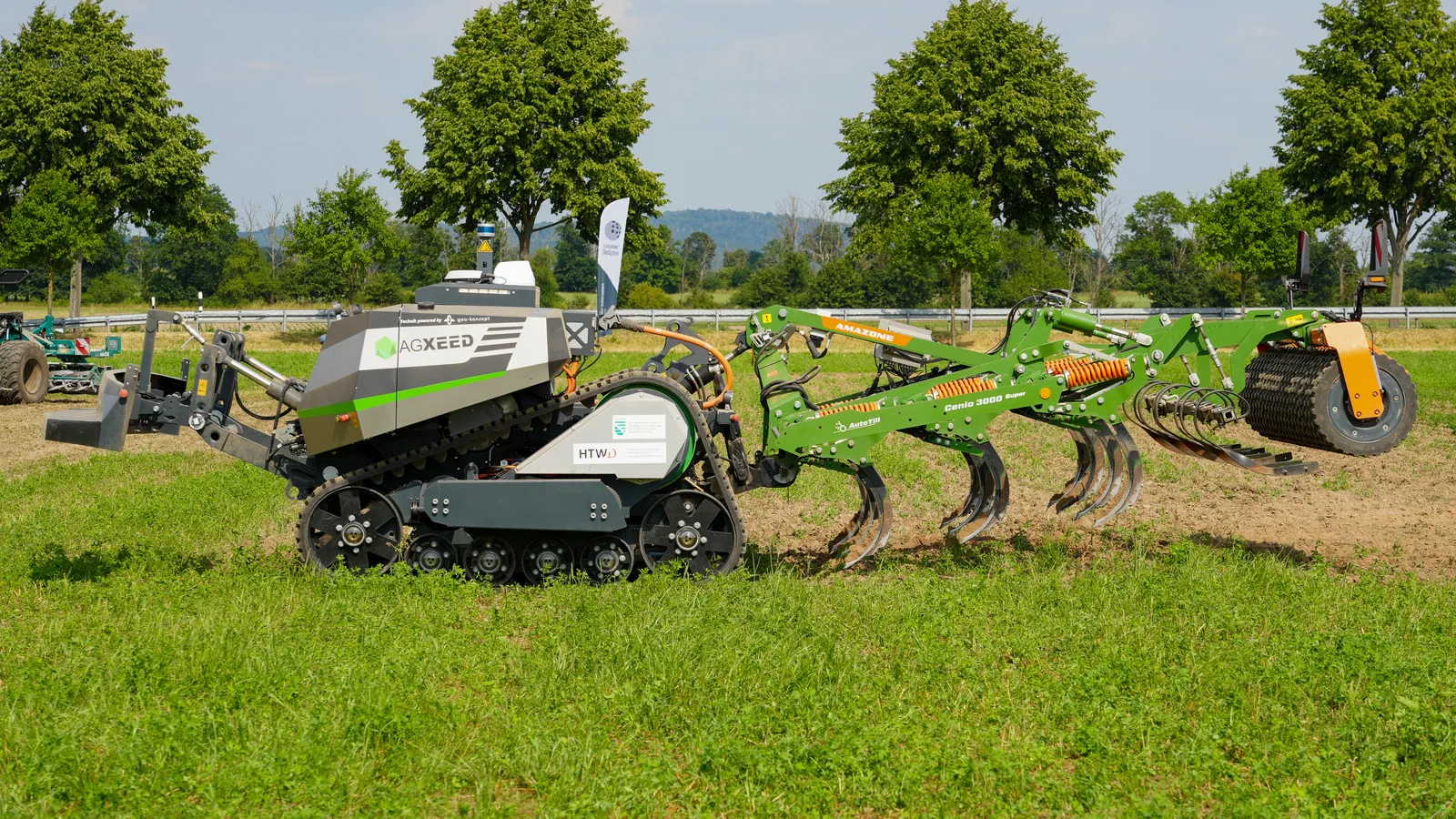
A laser that burns weeds without a gram of chemicals, a solar robot sowing with eight-millimeter accuracy: the field is no longer the exclusive domain of the tractor and the hoe.
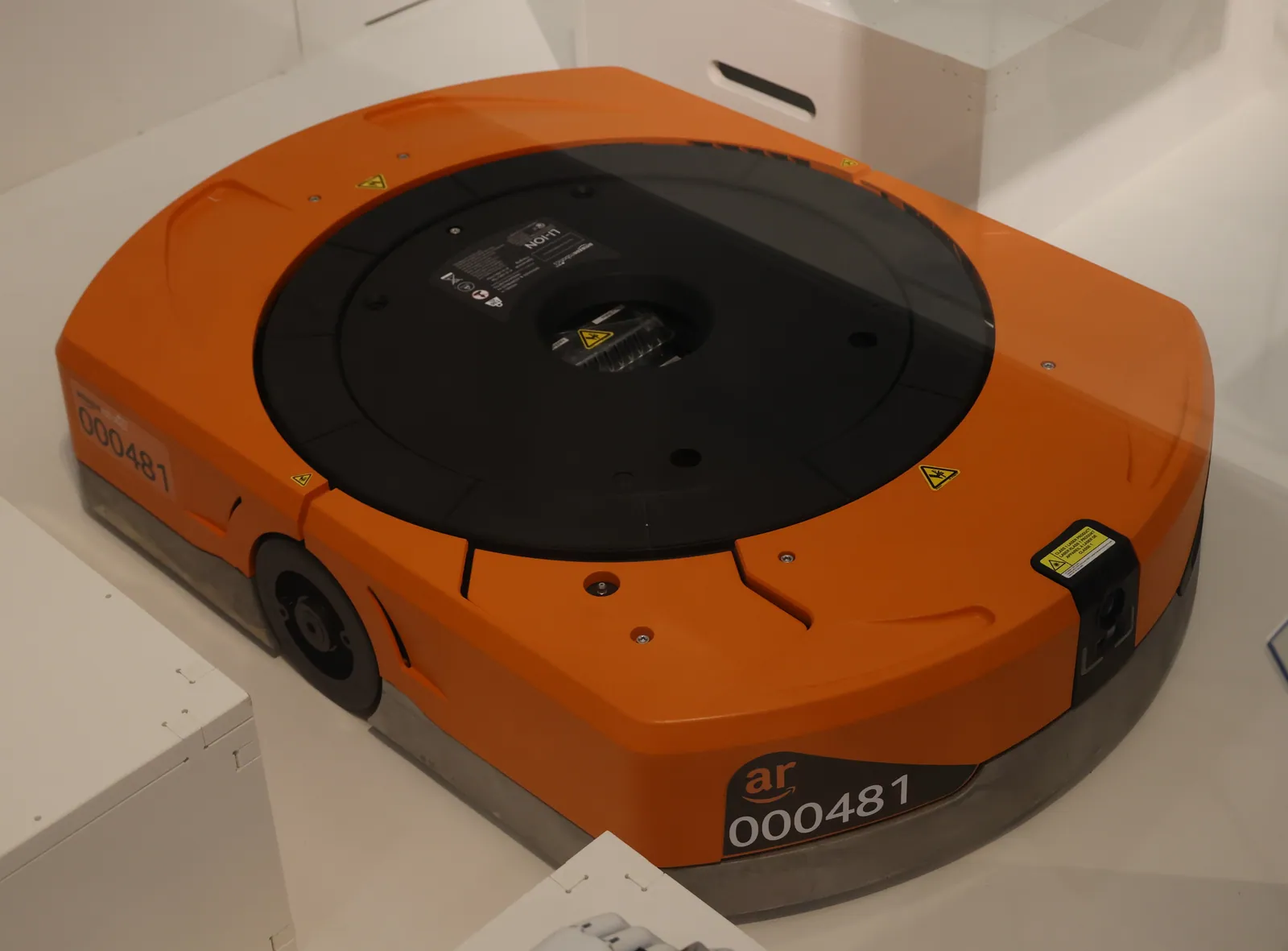
Robots really work here: Amazon reports more than 5,000 robots in its new Dobromierz center, and some AMR offers can be borrowed on trial.
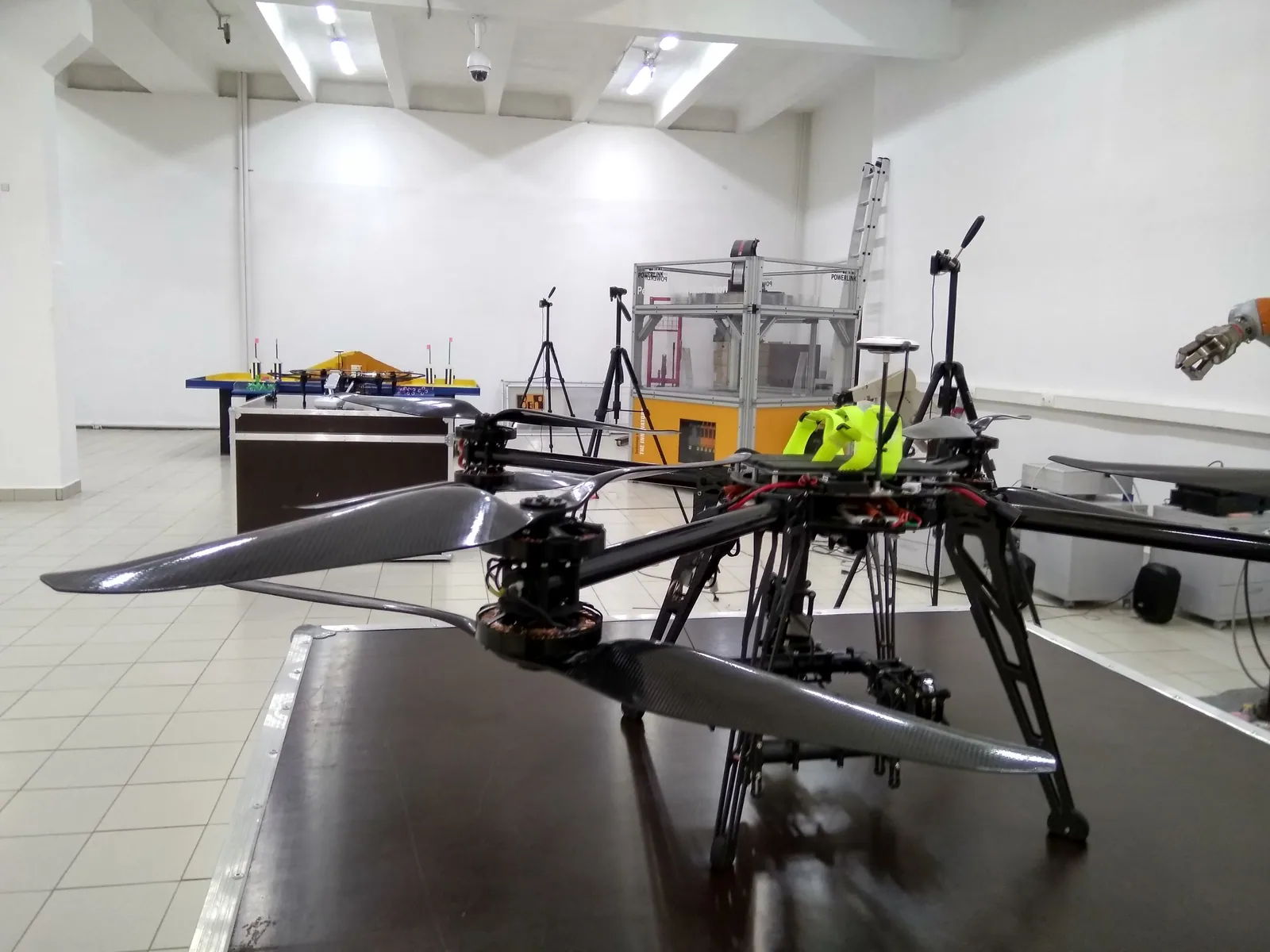
Universities buy research platforms: the Unitree G1 humanoid from USD 13,500, the Franka arm for about EUR 25,000, and the open SO-101 in parts for about USD 230.
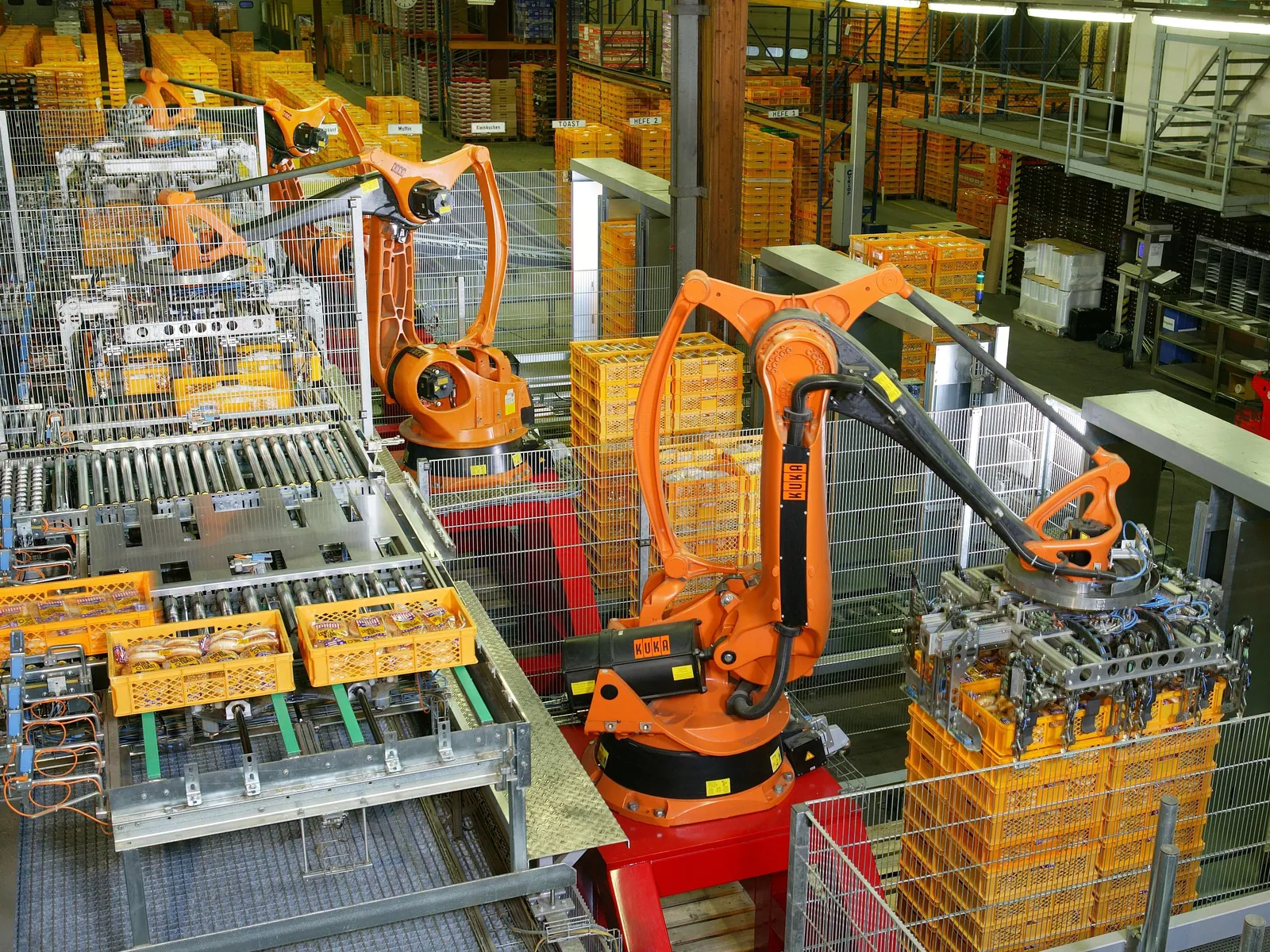
What works in factories today is mainly cobots, mobile robots and classic industrial robots; humanoids are still at the pilot stage.