on sale
Application: Warehouse and logistics
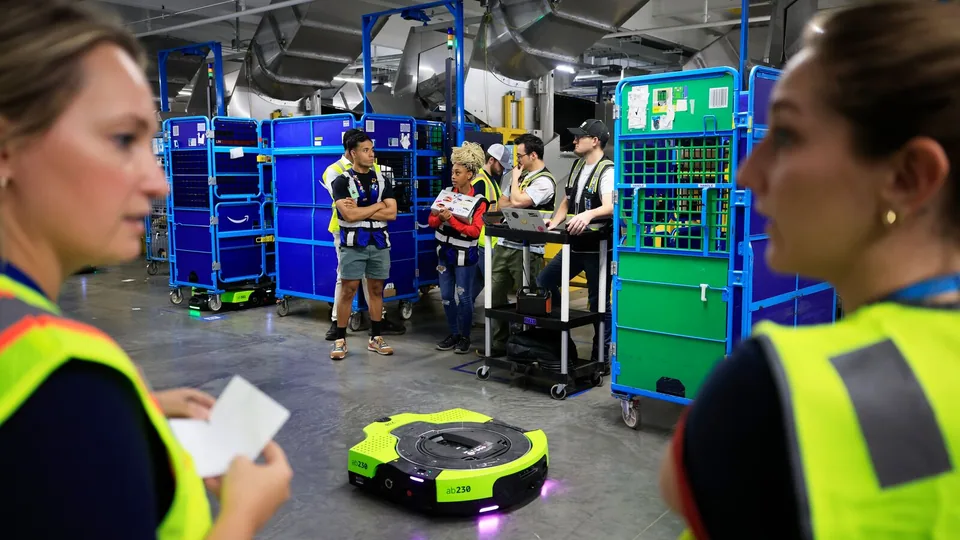
Robots really work here: Amazon reports more than 5,000 robots in its new Dobromierz center, and some AMR offers can be borrowed on trial.
This page is informational and has not been reviewed by a named expert (lawyer, tax adviser, safety engineer or physician). It is not legal, tax, medical or certification advice; for decisions (for example reimbursement, the robotization tax relief, data protection or safety), check the rules and standards in the official sources.
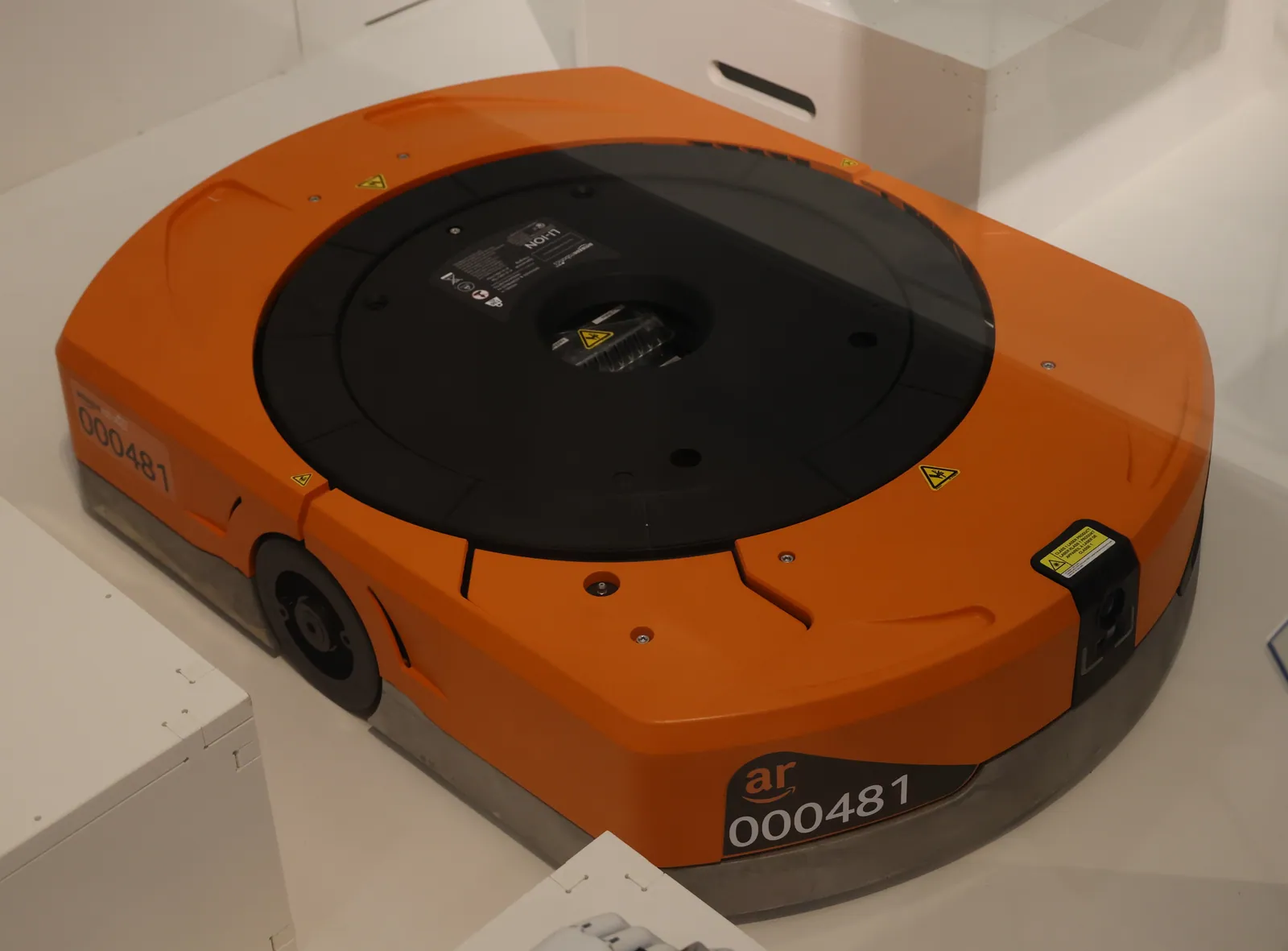
Photo: Geni, Wikimedia Commons, CC BY-SA 4.0; resized and converted to WebP
Amazon Poland is opening its twelfth fulfillment center in Dobromierz in Lower Silesia in 2026, where according to the company more than 5,000 robots work, as part of planned investments of PLN 23 billion (≈ EUR 5.26 billion at NBP rate 4.3716 of 20 October 2026) in Poland in 2026 to 2028 (Amazon), and according to a PAP wire several hundred robots work in one of Amazon's Polish logistics centers (PAP). The autonomous Amazon Proteus is an example of such a machine. Proteus itself is not a product for sale, however: only Amazon uses it. For companies that have to buy a robot off the shelf, the situation is different.
The warehouse is one of the places where the lack of hands is most visible. Polish unemployment is low (3.4% in July 2026 according to Eurostat, Polskie Radio; the GUS registered rate for August 2026 was 5.8%, GUS data of 23 September 2026, via money.pl), and according to a 2026 Capgemini Research Institute report, worker shortages (74% of respondents) and rising labor costs (69%) are the main reasons for investing in physical AI (Capgemini) (more: “Humanoid Robots and the Polish Labor Market”). In a warehouse this is compounded by seasonal peaks, shift work and carrying loads over many kilometers a day. A robot does not ask for time off in November, but it does not improvise either.
Three mature tasks: internal transport (an AMR with a pallet or cart), picking (the robot brings goods to a person or drives with them along the racks) and unloading (an arm with suction cups). Tasks that demand dexterity, such as packing odd shapes, working with film, or sorting with changing packaging, remain the domain of people or very expensive vision systems.
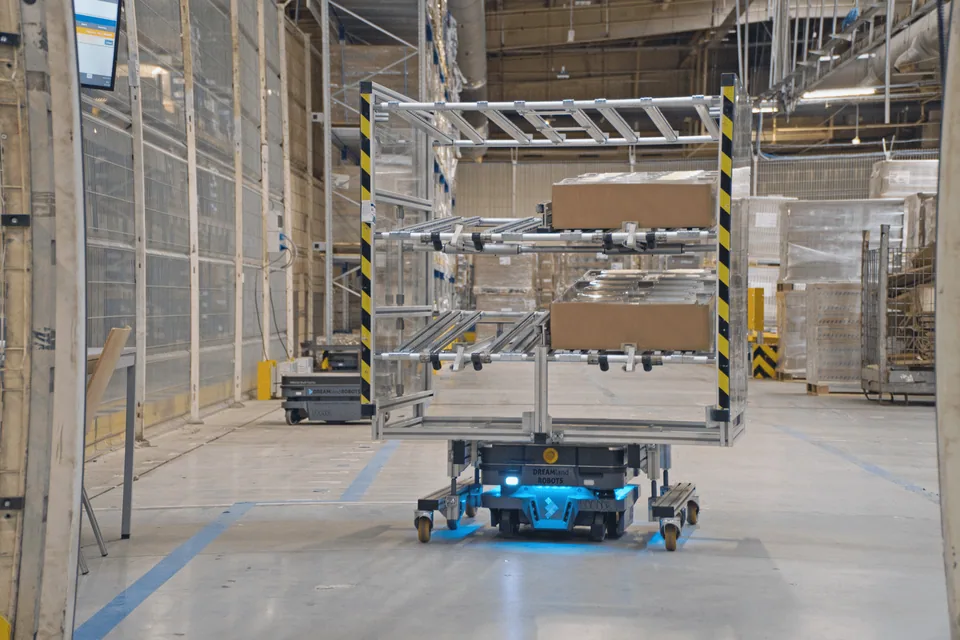
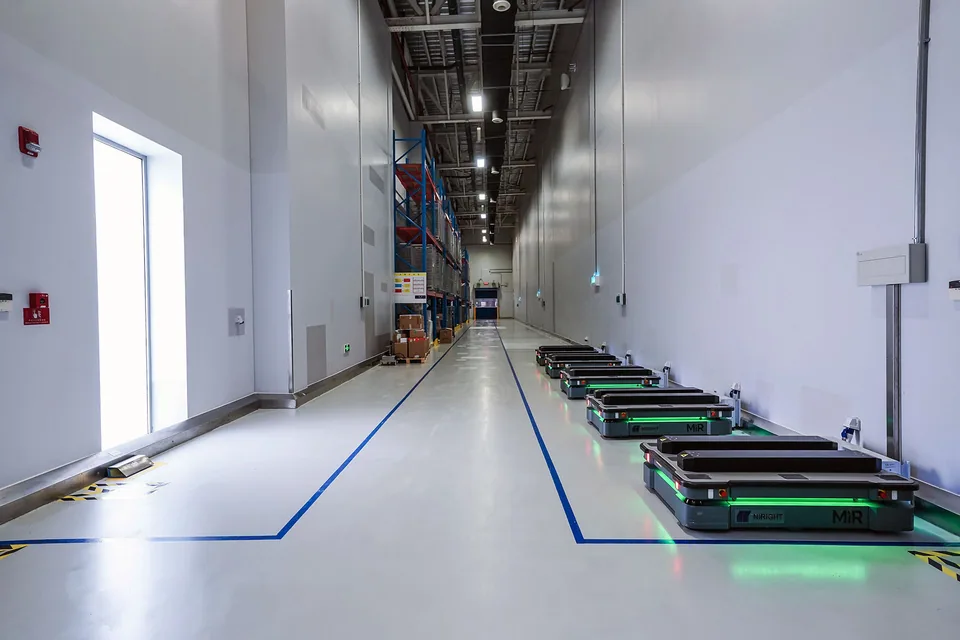
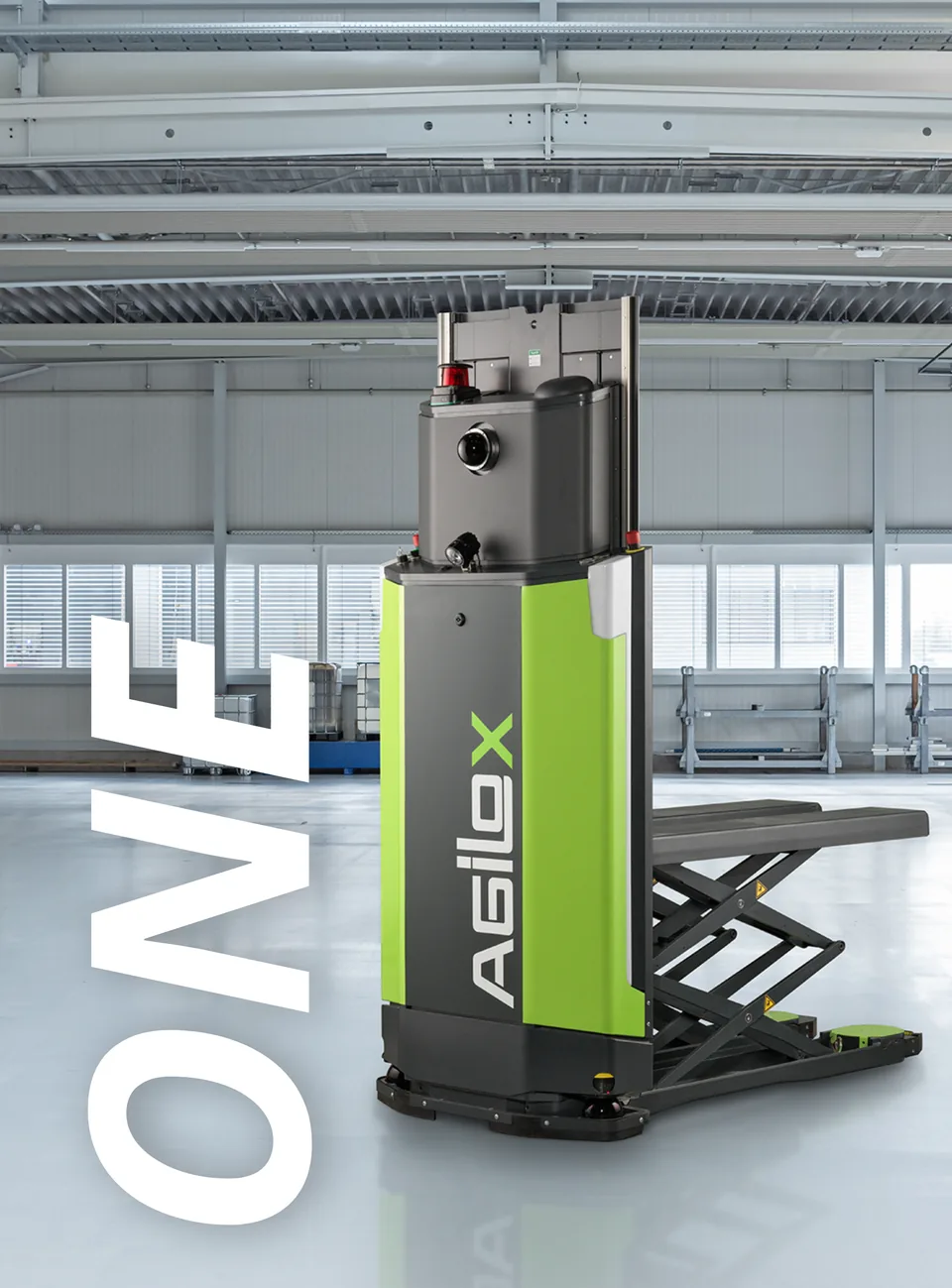
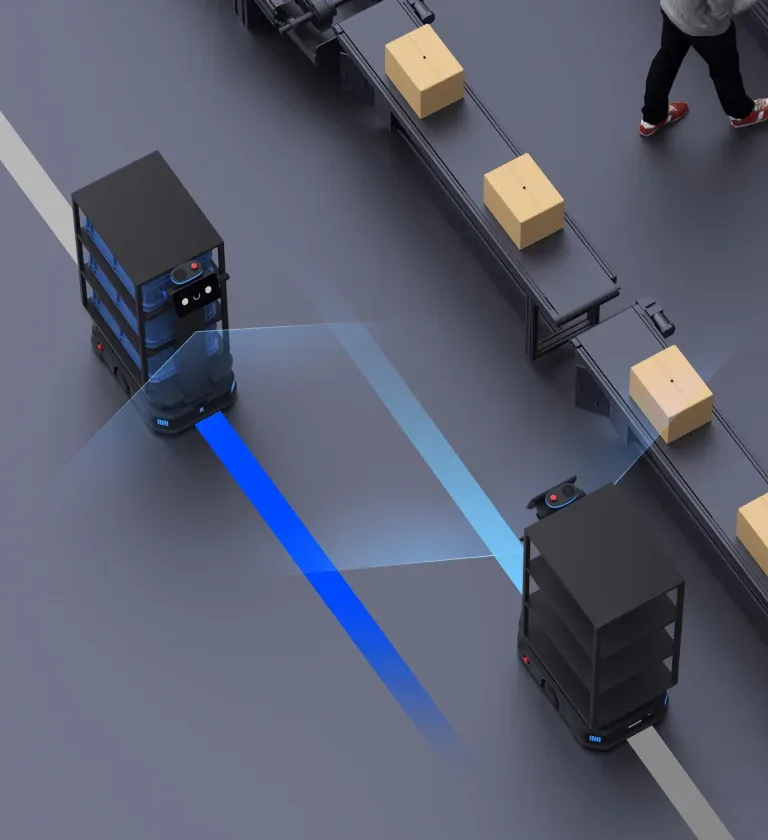
Transport in the hall. The MiR250 and MiR600 from the Danish Mobile Industrial Robots are versatile helpers: the MiR250 lifts 250 kg (MiR) and, according to its datasheet, runs up to 17.5 hours unloaded (datasheet), while the MiR600 carries up to 600 kg at up to 2 m/s (MiR). Price on request only. The AGILOX ONE from AGILOX Automation carries up to 1,000 kg and copes in narrow aisles (AGILOX); in Poland ASTOR is its authorized distributor (Automatyka Online) and points to the option of borrowing a robot for a trial (ASTOR). Separately, look at the Pudu T300 with a 300 kg payload (Pudu), which can be rented in Poland from PLN 2,290 (≈ EUR 525) net per month (Positive Machines).
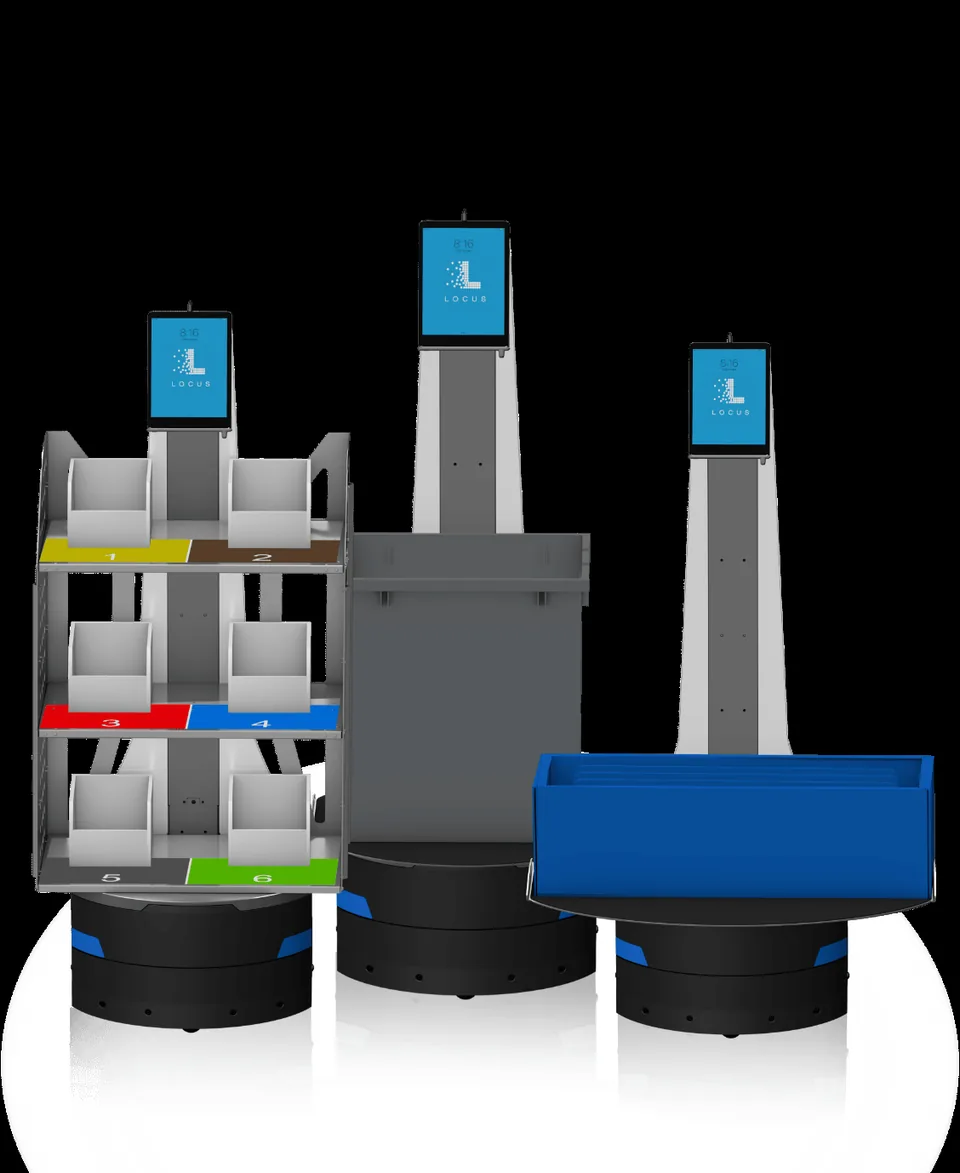
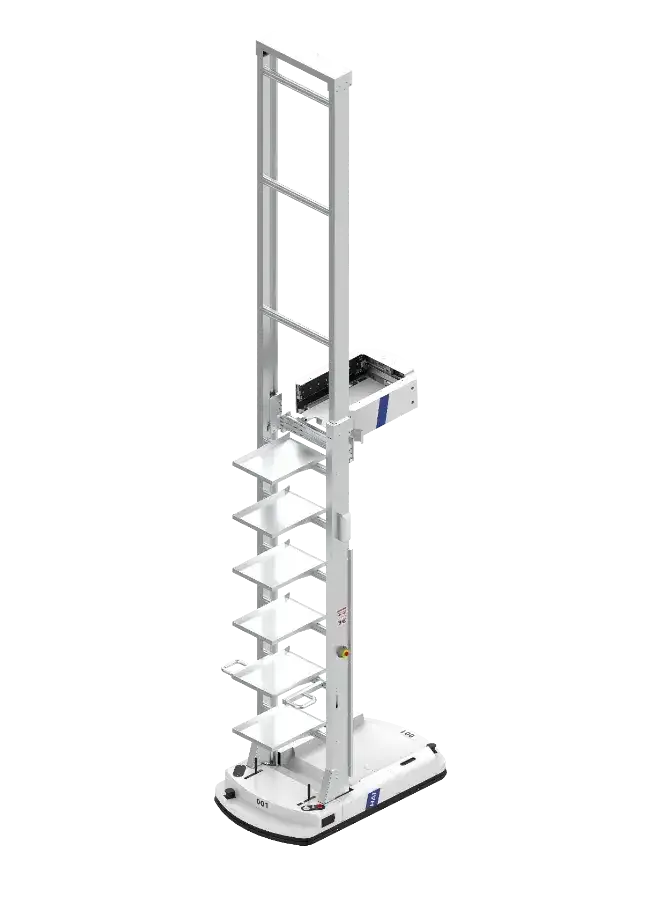
Picking. The Locus Origin from Locus Robotics drives around the warehouse and works with a worker collecting orders. It is CE-certified to a 36 kg payload and, according to the manufacturer, runs 14 hours per charge (Locus Robotics); billing is by subscription (RaaS). The HAI Robotics HaiPick A42 from HAI Robotics is a system that reaches up to 6 m high and carries up to 9 totes at once (HAI Robotics). The manufacturer does not publish a price list.
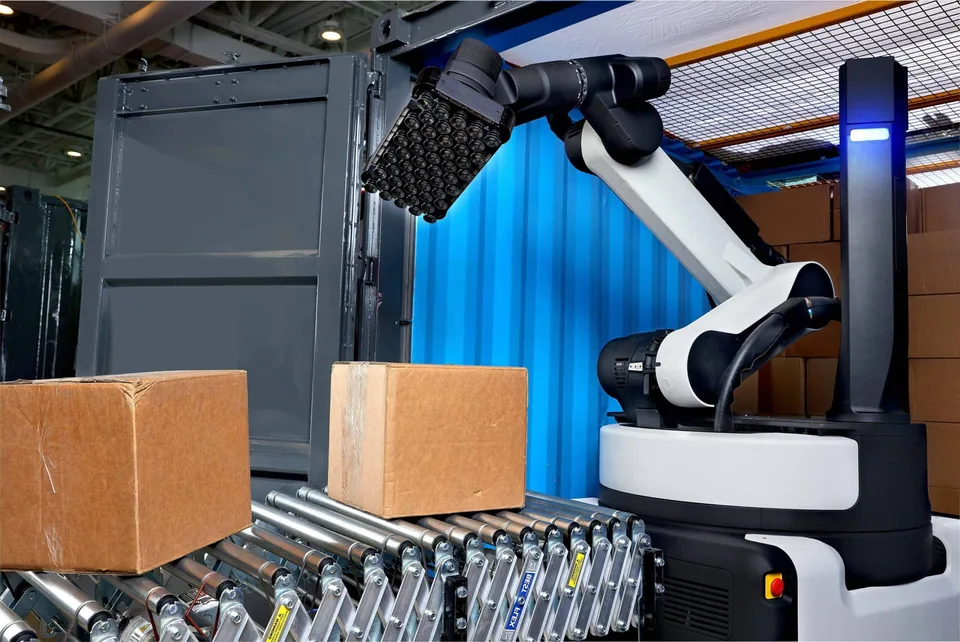
Unloading. The Boston Dynamics Stretch from Boston Dynamics unloads trucks and containers, lifts cases of up to 50 lb (22.7 kg) and, according to the manufacturer, handles about 800 cases per hour without advance programming (Boston Dynamics). There is no official price, and estimates circulating online have not been confirmed by a source.
And humanoids? The American Digit (Agility Robotics) has, according to the manufacturer, 65,000 hours of production experience and names Amazon, GXO and Toyota among its customers (Agility Robotics), but these are still pilots. Details are in the article “Agility Digit in Warehouses”. In Poland we have not confirmed commercial deployments of humanoids in warehouses.
You do not have to look for an integrator abroad. ASTOR of Kraków is a distributor of AGILOX and Kawasaki Robotics, among others (Automatyka Online). AIUT of Gliwice builds its own AFORMIC robots and automated warehouse systems (AIUT). WObit has produced its own MOBOT mobile robots since 2014 (Automatyka Online). Nomagic of Warsaw develops "Physical AI" for picking and packing, with customers including ASOS, Zalando and Fiege (Nomagic). KUKA offers the KUKA KMP 600P AMR (payload up to 600 kg, inductive charging; Industrial Machinery Digest). In more detail: “Polish Robotics Companies” and “AMR Robots in the Warehouse”. To check offers, it helps to know your way around datasheets: “How to Read a Robot Datasheet”. Pay attention to components too: safety sensors and scanners from SICK or Hokuyo decide how the robot behaves near a person, and we describe the standards in “Robot Safety Standards”.
The price of the robot is only the beginning. In practice you also pay for fleet-management software, integration with the warehouse management system (WMS), charging stations, process redesign and training. For a small fleet, the extra costs can equal the budget for the robots alone. That is why the total cost of ownership matters in a calculation, not just the sticker price. We show the method in “Humanoid Robot TCO: How to Calculate Total Cost”. A sensible entry point for a smaller company: one MiR250- or AGILOX-class robot on one repeatable stretch of route, preferably rented.
Poland's robotization tax relief (ulga na robotyzację) lets you deduct an additional 50% of qualifying costs, but it applies to factory-new industrial robots meeting the statutory definition; whether a given AMR meets it is for a tax adviser to judge (“Poland's Robotization Tax Relief”; podatki.gov.pl). One notable novelty is the bill extending the relief by 10 years, adopted by the government on 29 September 2026 (bill on gov.pl); it has not yet been enacted. Check RRF (KPO) and FENG grants at mapadotacji.gov.pl.
Ask for a pilot on your own floor, even a two-week one. Routes, floors, doors and elevators can surprise even experienced integrators. Measure in practice how often the robot stops because of people, carts and pallets left in the wrong place. Ask how integration with your WMS works and who is responsible when the data drifts from reality. Also establish whether the robots will work alongside people or in closed zones, because that changes the safety requirements. A good test of a supplier is whether it says outright what its robot cannot do. Also check how fleet software updates are handled and whether the supplier publishes a price list for services after the warranty period. Subscription prices can rise with the number of robots, and switching suppliers after a year can cost more than buying outright, so it pays to understand the exit terms of the contract.
The warehouse is today the most mature field of mobile robotics, and failures here are the cheapest: an AMR can be rented, tested and sent back. If you have repeatable transport and staffing gaps, start with one robot on one route. Want to see how similar technology looks on a production floor? Go to factories. And if you are interested in a broader overview of mobile equipment, you will find it in the category “Mobile robots (AMR)”.
A chief engineer by profession (technical head of a ship's machinery plant, licensed). Sets the site's editorial rules and is responsible for them; he does not read every page before publication.
Texts are prepared by the editorial team using AI tools. We compare data with primary sources on a sample basis, not page by page. Our rules are described here: How we check · About us
Recommended robots
Models chosen for this scenario, with prices and availability in Poland.
AGILOX Automation GmbHMobile robots (AMR)
Pudu Robotics (Shenzhen Pudu Technology Co., Ltd.)Mobile robots (AMR)
Knowledge
Low unemployment and staff shortages: how humanoid robots could affect Poland's labor market and which jobs change first.
Poland's robotization tax relief (ulga na robotyzację) in 2026: rules, eligible costs, deduction size, a worked example and the status of the extension beyond 2026.
The purchase price is often less than half the cost. What goes into a humanoid robot's TCO, and how to compare it with the cost of an employee.
An AGV follows a fixed route (tape, wire, markers), so changing the route means altering the floor. An AMR maps its surroundings on its own and avoids obstacles, so the route is changed in software. Most new deployments choose an AMR.
It depends on the class. Picking systems such as the HaiPick A42, as well as MiR, AGILOX and Locus, quote on request, while the Pudu T300 can be rented in Poland from PLN 2,290 (≈ EUR 525) net per month (Positive Machines). On top of the robot, add fleet software, WMS integration and charging stations.
Yes, at least in some offers. ASTOR, the AGILOX distributor in Poland, points to the option of borrowing a robot for a trial. Locus Robotics sells picking on a subscription basis (RaaS).
In Polish conditions, robots most often fill staffing gaps: they take over long transports and carrying, leaving people the tasks that require judgment. The labor market has low unemployment (3.4% in July 2026 according to Eurostat), and warehouses are one of the industries where people are hard to find.
The relief covers factory-new industrial robots that meet the statutory definition. Whether a specific AMR qualifies is for a tax adviser to decide; we do not assess individual models.
Links to the material this text is based on. Before you base a decision on a figure from the article, check it at the source.
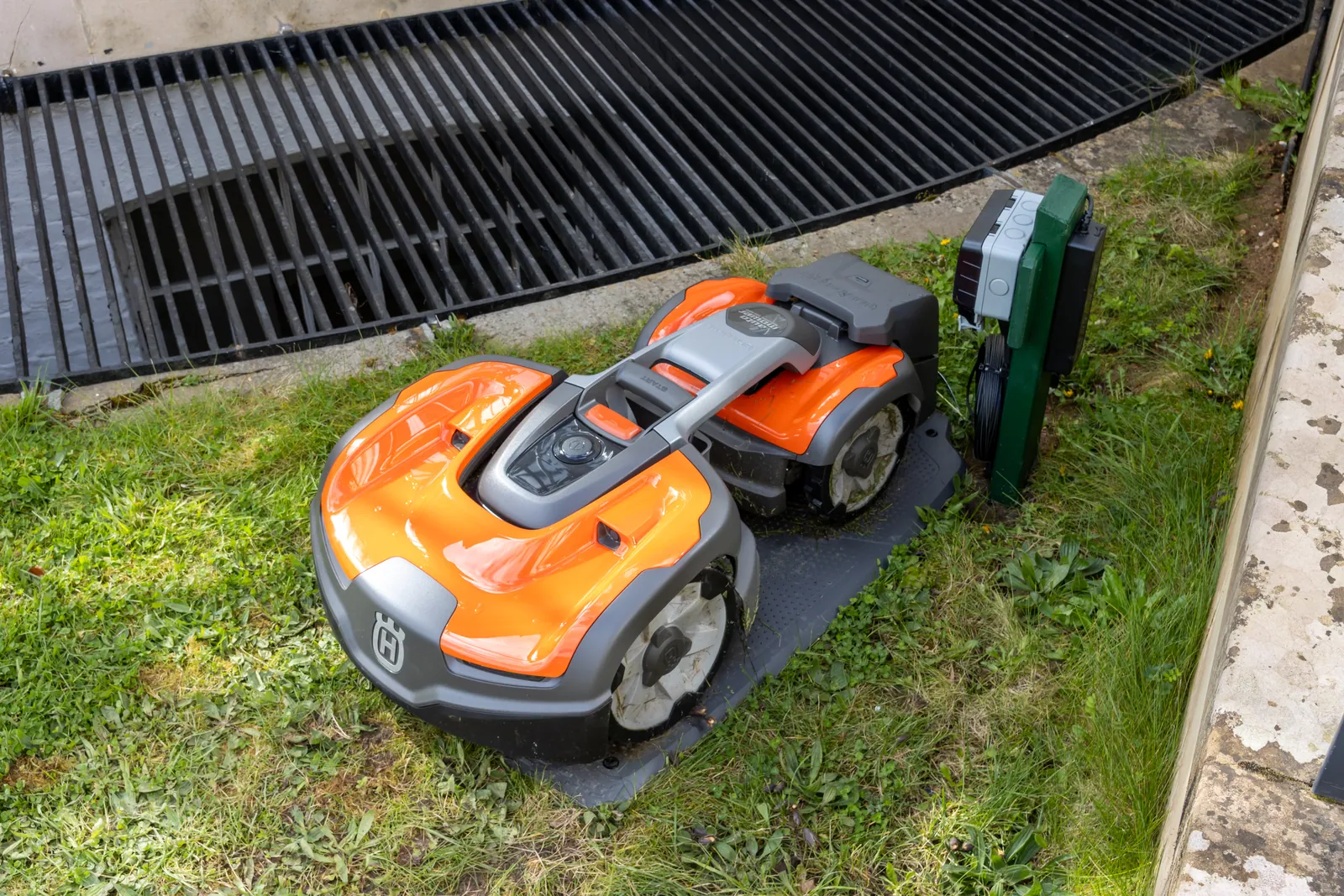
In the garden, robot mowers are mature; the Naio Oz is for professional vegetable growers, and the Unitree Go2 costs from about PLN 9,900 (≈ EUR 2,260) in Polish shops.
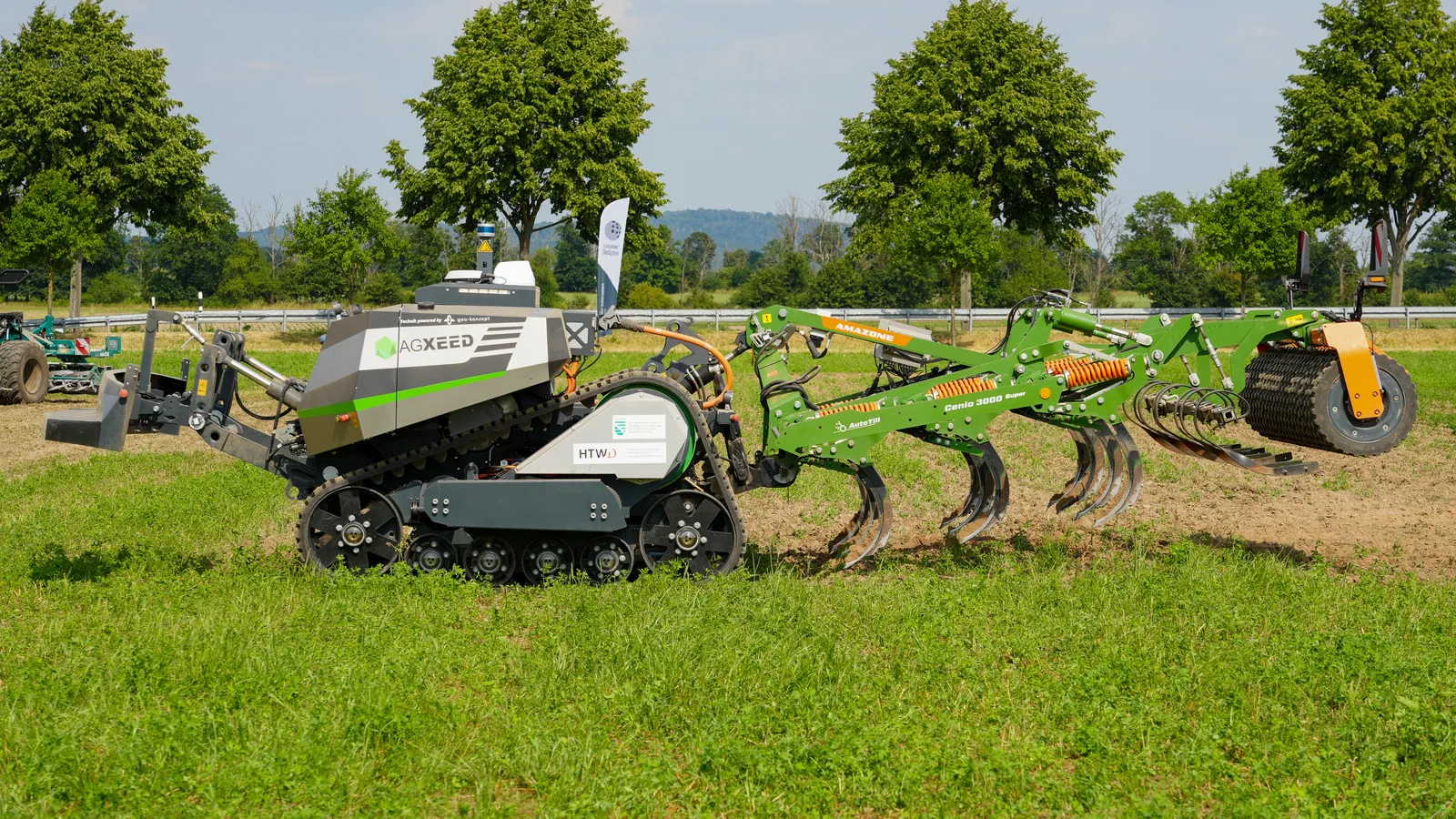
A laser that burns weeds without a gram of chemicals, a solar robot sowing with eight-millimeter accuracy: the field is no longer the exclusive domain of the tractor and the hoe.
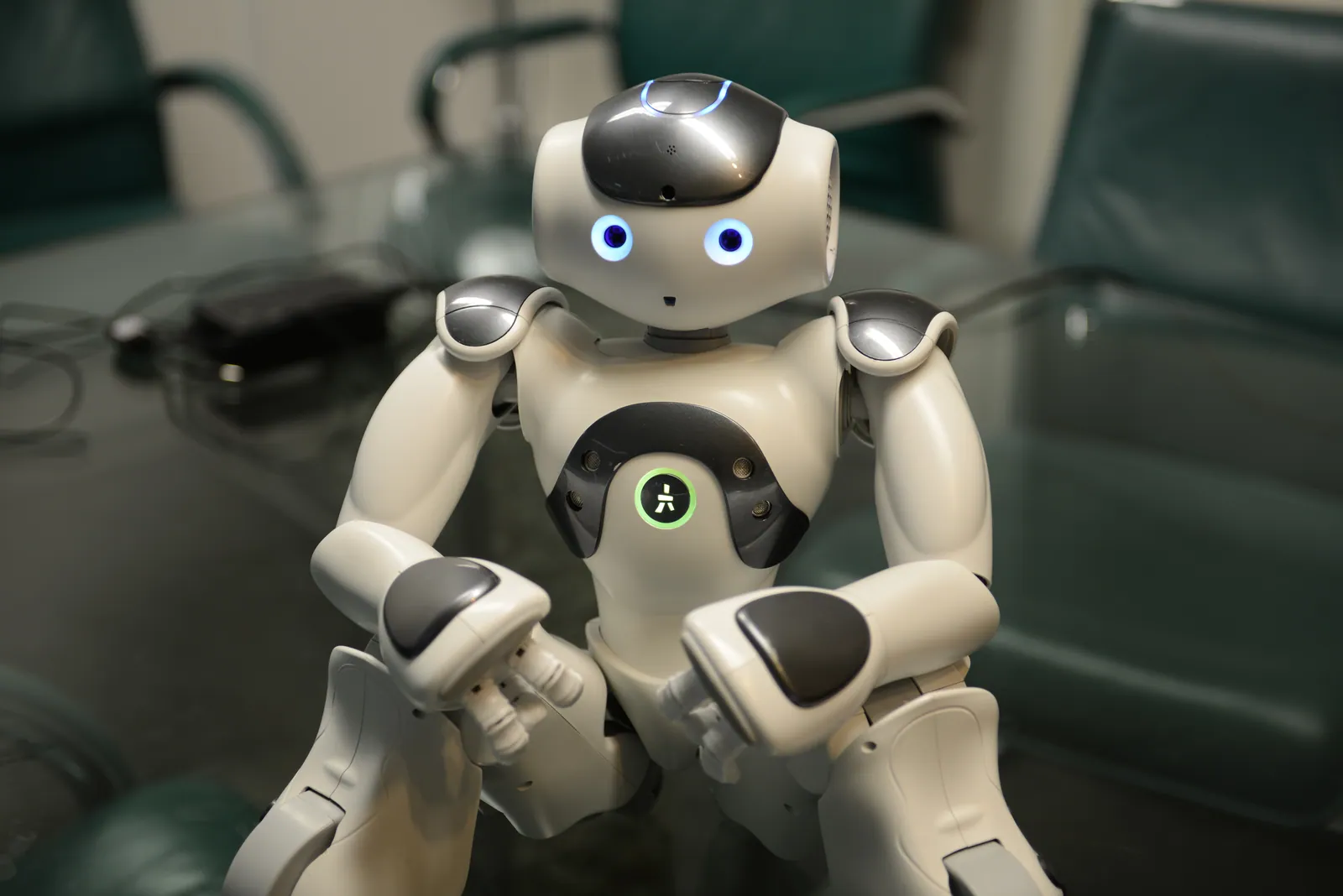
Schools buy robots from USD 175 (Ozobot Evo) to robot arms for more than EUR 2,000; the LEGO SPIKE Prime 45678 was retired on 30 June 2026.
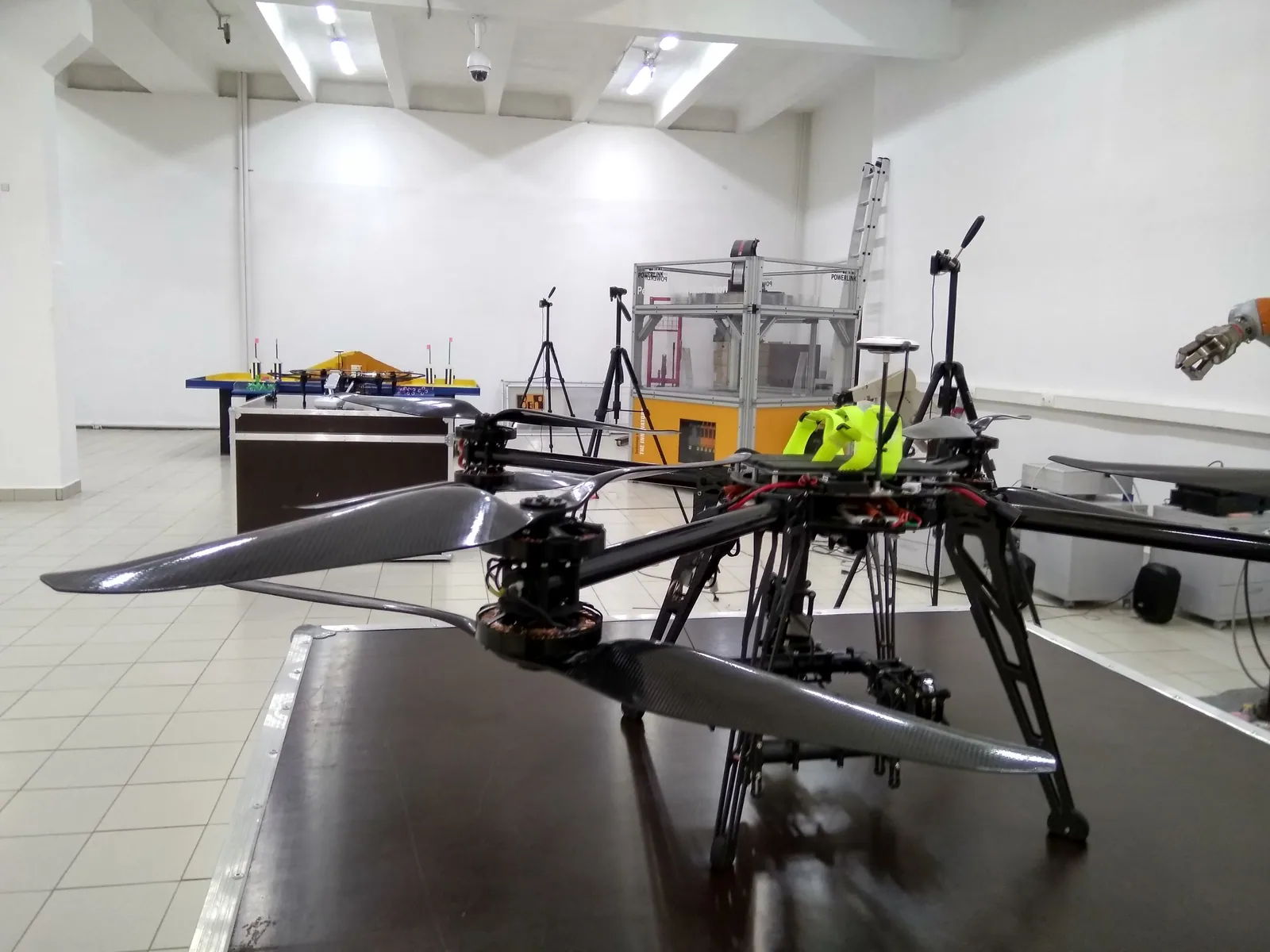
Universities buy research platforms: the Unitree G1 humanoid from USD 13,500, the Franka arm for about EUR 25,000, and the open SO-101 in parts for about USD 230.
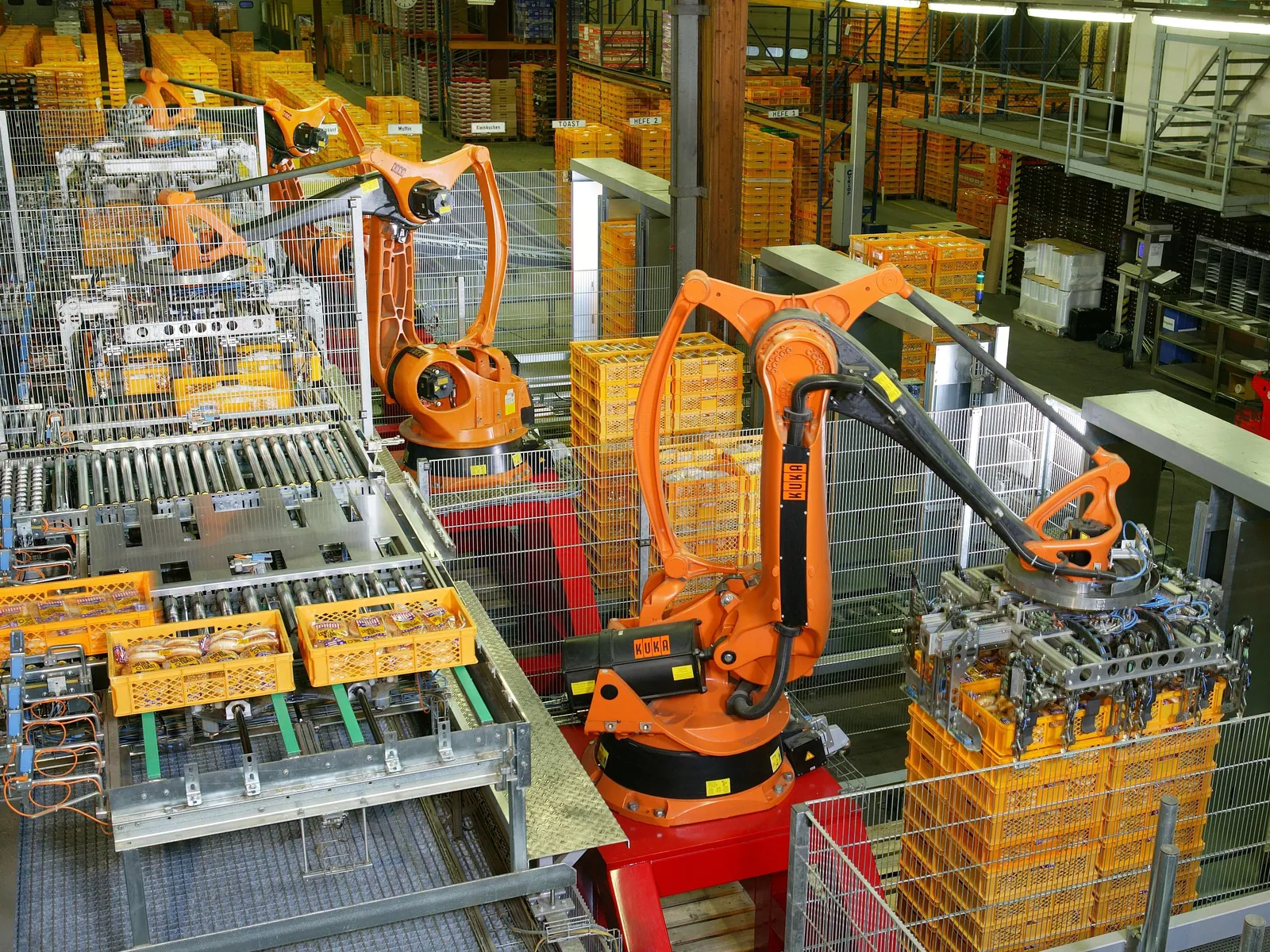
What works in factories today is mainly cobots, mobile robots and classic industrial robots; humanoids are still at the pilot stage.