Rankings 2026
Educational Robots Ranking 2026 for Poland
Educational robots are the only category in this ranking series where the budget of a school or an individual student really decides the choice more than raw technical specification, which is why we put price and availability first among the criteria weights.
- No. 1: SO-101, 80 out of 100 points
- Cheapest of the top-rated: SO-101 (890 PLN* (≈ EUR 205 at NBP rate 4.3641 of 21 October 2026))
- 3 of the 5 top-rated models are available in Poland
Ranking results
-
1
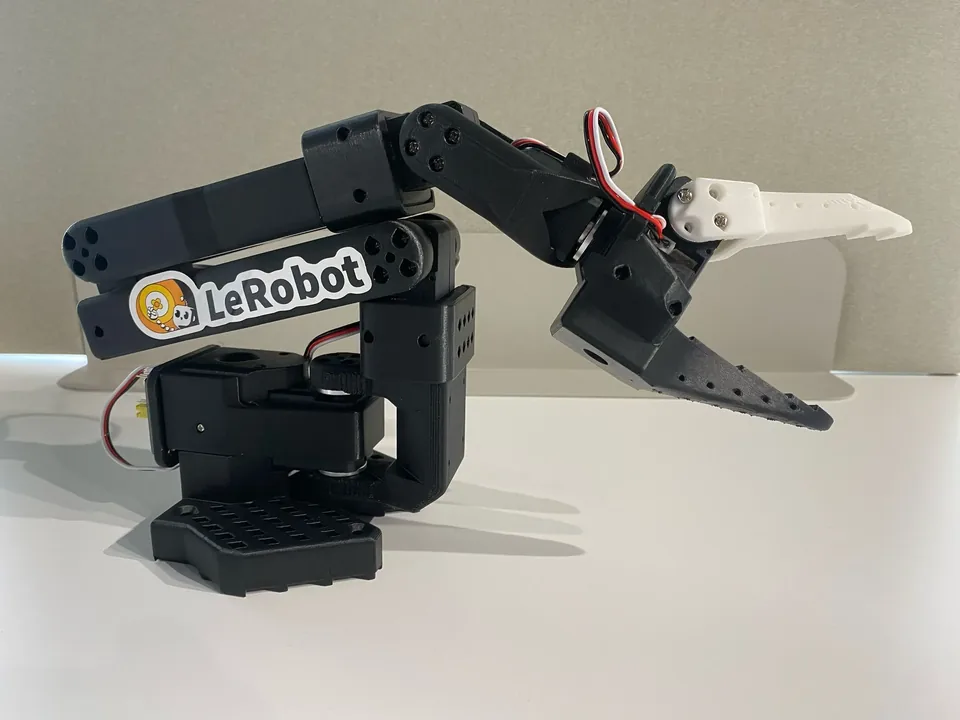
Hugging Face / LeRobot (TheRobotStudio SO-ARM)
SO-101 (LeRobot / TheRobotStudio)
80/ 100 ptsThe SO-101 is the flagship platform of Hugging Face's LeRobot project: a leader/follower arm built from inexpensive Feetech STS3215 servos and 3D-printed parts, entirely open source and assembled yourself from an open parts list on GitHub. The lack of a fixed list price (commercial kits are estimated at USD 100-250 for a pair of arms, with no reliable source) is its only drawback next to the huge, fast-growing community of machine-learning courses built on the platform.
890 PLN* (≈ EUR 205) -
2
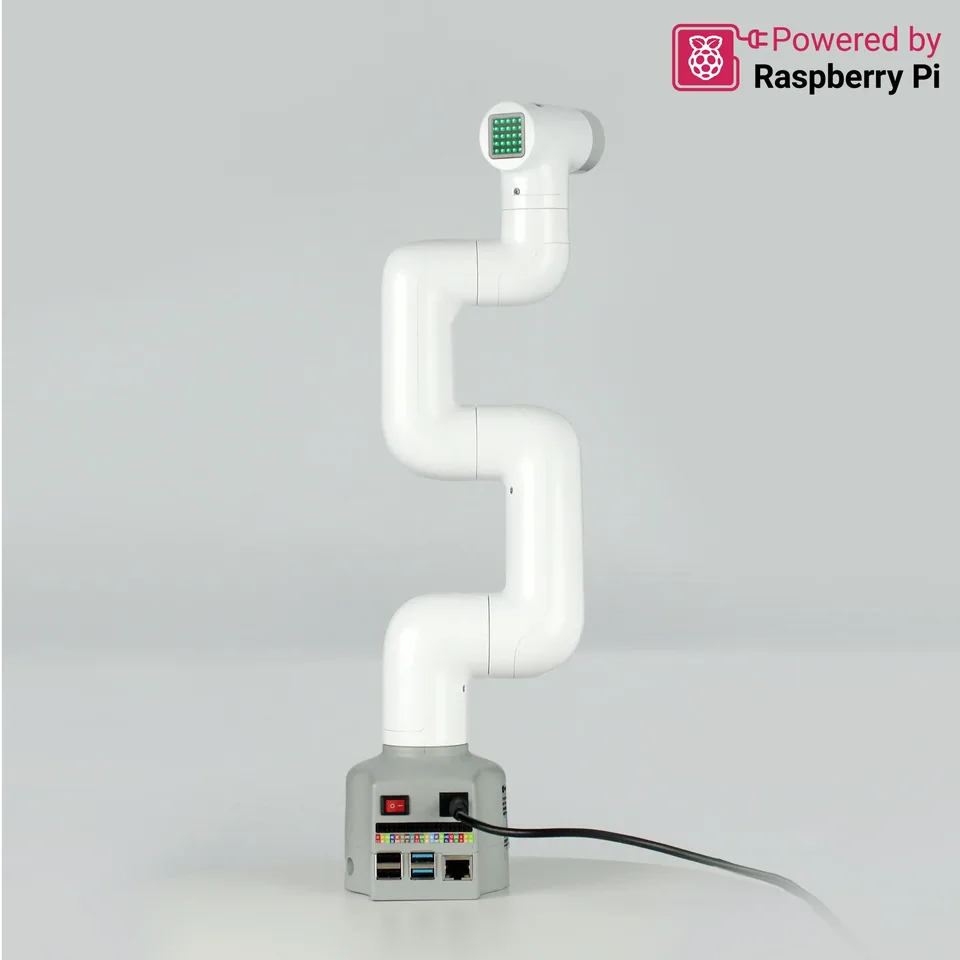
Elephant Robotics
myCobot 280
79/ 100 ptsThe Elephant Robotics myCobot 280 is a proven starting point for learning to program robot arms: a 6-axis arm for USD 649 (about PLN 2,520 (≈ EUR 575)), available in controller variants (M5Stack, Raspberry Pi, Jetson Nano, Arduino) matched to a class's level of advancement. Its 250 g payload is enough only for demonstration tasks, but Python and ROS support and a large base of tutorials make it one of the most commonly chosen educational arms in the world.
3,990 PLN (≈ EUR 915) -
3
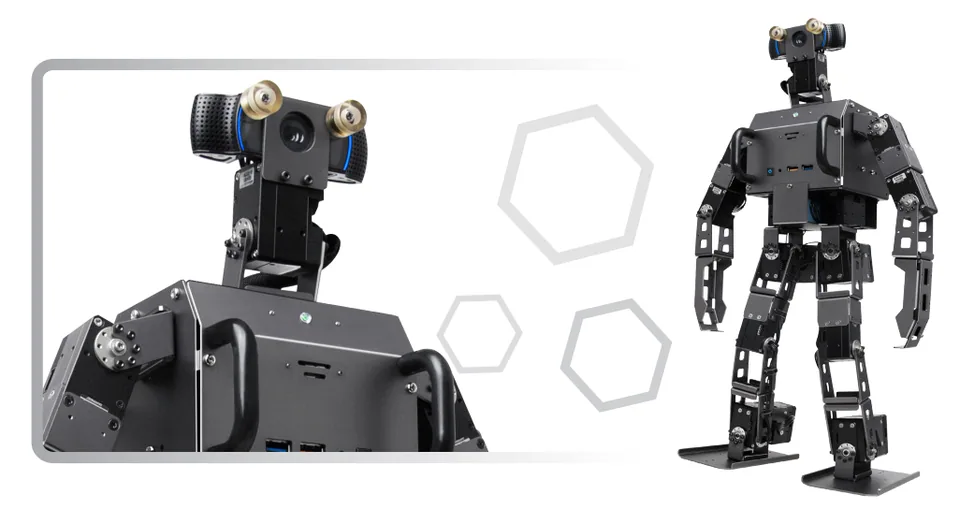
ROBOTIS
ROBOTIS OP3
62/ 100 ptsThe ROBOTIS OP3 is the most technically advanced platform in this lineup: 20 degrees of freedom, an onboard Intel NUC computer and an OpenCR controller, supported in the ROS ecosystem (the official repository supports ROS1). The manufacturer publishes no price, though (earlier generations sold for several thousand dollars), which makes it a realistic choice for universities and RoboCup teams rather than an individual secondary school.
—
-
4
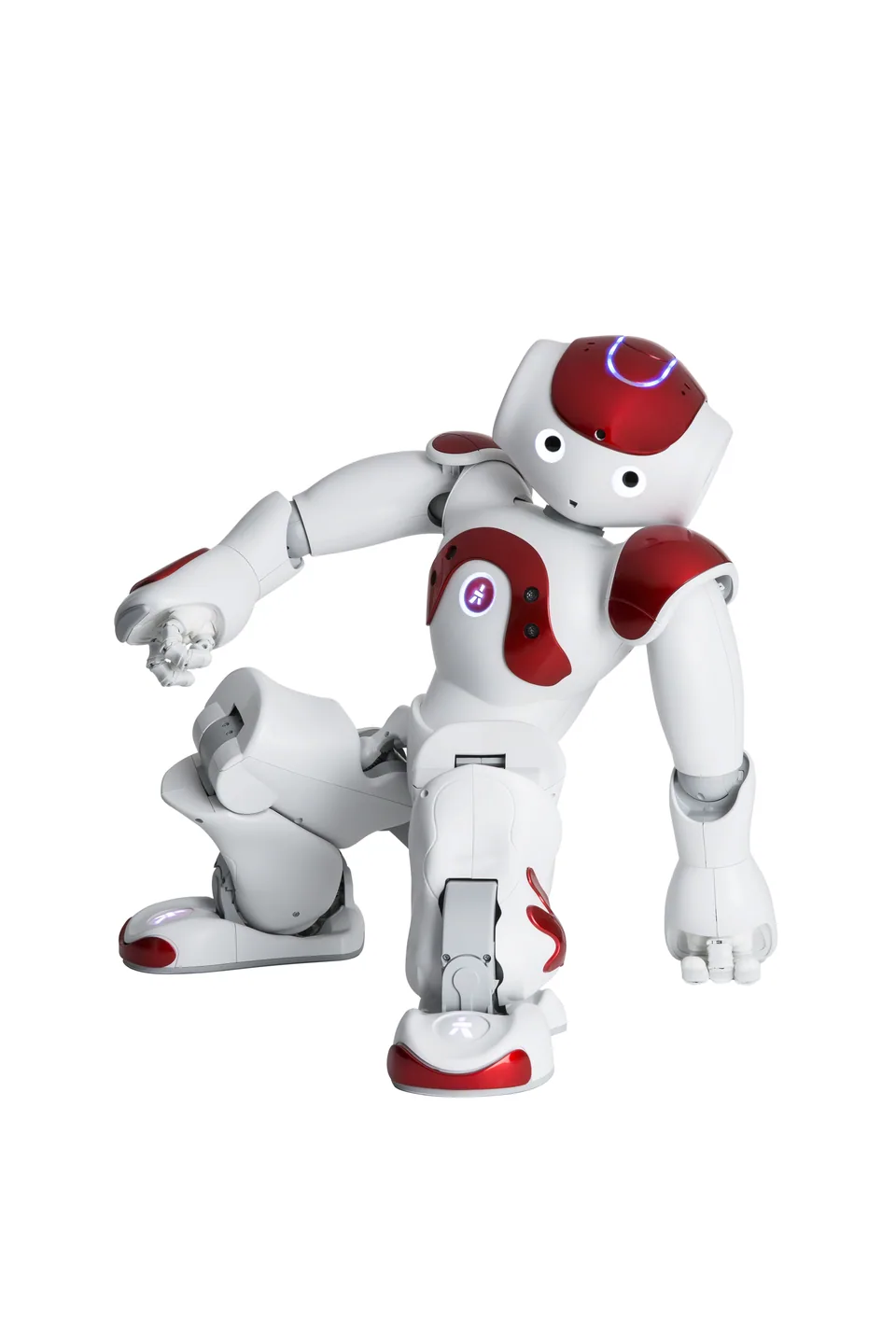 NAOAldebaran / SoftBank Robotics / United Robotics Group (now Maxtronics)
NAO has nearly 20,000 units sold behind it and the largest base of lesson plans and scientific publications in Europe among educational robots, so it is hard to find a deeper curve of teaching materials. But its maker Aldebaran declared bankruptcy in February 2025, and key assets were sold to the Chinese company Maxvision in July 2025. RobotLAB took over service for existing units, but the continuity of the brand in 2026 and beyond remains uncertain, which a school planning a purchase today must take into account.
56 / 100 -
5
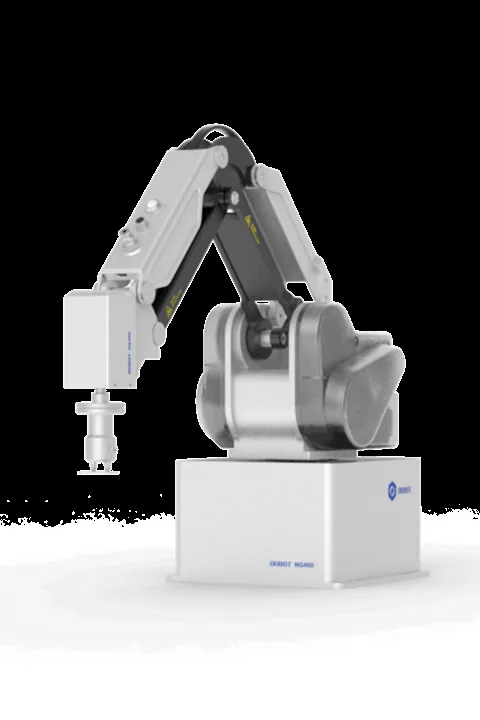 Dobot MG400Dobot (Shenzhen Yuejiang Technology) · 24,700 PLN* (≈ EUR 5,660)
The MG400 is a compact SCARA-type arm with a base of only 190x190 mm and a 440 mm reach, popular in light-automation labs. The price differs drastically between markets: USD 2,890 at the American distributor RobotLAB versus EUR 5,649 at a European distributor (about PLN 24,700 using the lower of the two amounts), and only 4 degrees of freedom limit the complexity of tasks compared with 6-axis arms.
55 / 100 -
6
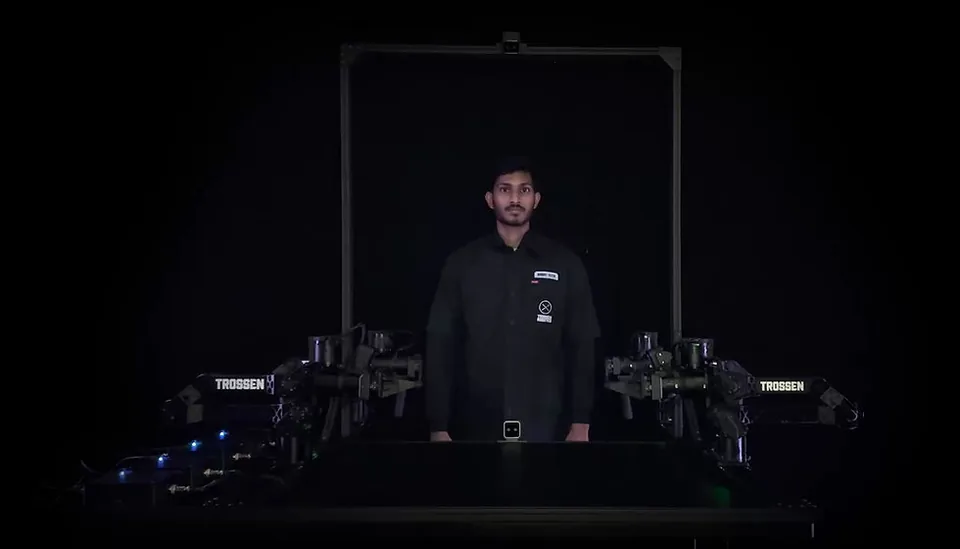 Trossen AI Stationary (successor to ALOHA)Trossen Robotics
The Trossen AI Stationary is the commercial successor to the ALOHA research project from Stanford and Berkeley: a workstation for bimanual teleoperation and imitation learning, ready to work with ROS2 and a bundled Linux laptop. At USD 23,996 (about PLN 93,000 (≈ EUR 21,310)) it is out of reach for a typical school; it is equipment for university labs and research teams working on machine learning, not for a high-school classroom.
52 / 100 -
7
 Dobot MagicianDobot (Shenzhen Yuejiang Technology)
The Dobot Magician, billed as "the world's first desktop 4-axis arm", is one of the most widespread robots in school STEM labs thanks to simple "teach and repeat" programming and the DobotLab software. The manufacturer does not list a price on its official site, and 4 degrees of freedom and a 500 g payload confine it to purely educational tasks: drawing, engraving, simple pick-and-place.
50 / 100 -
8
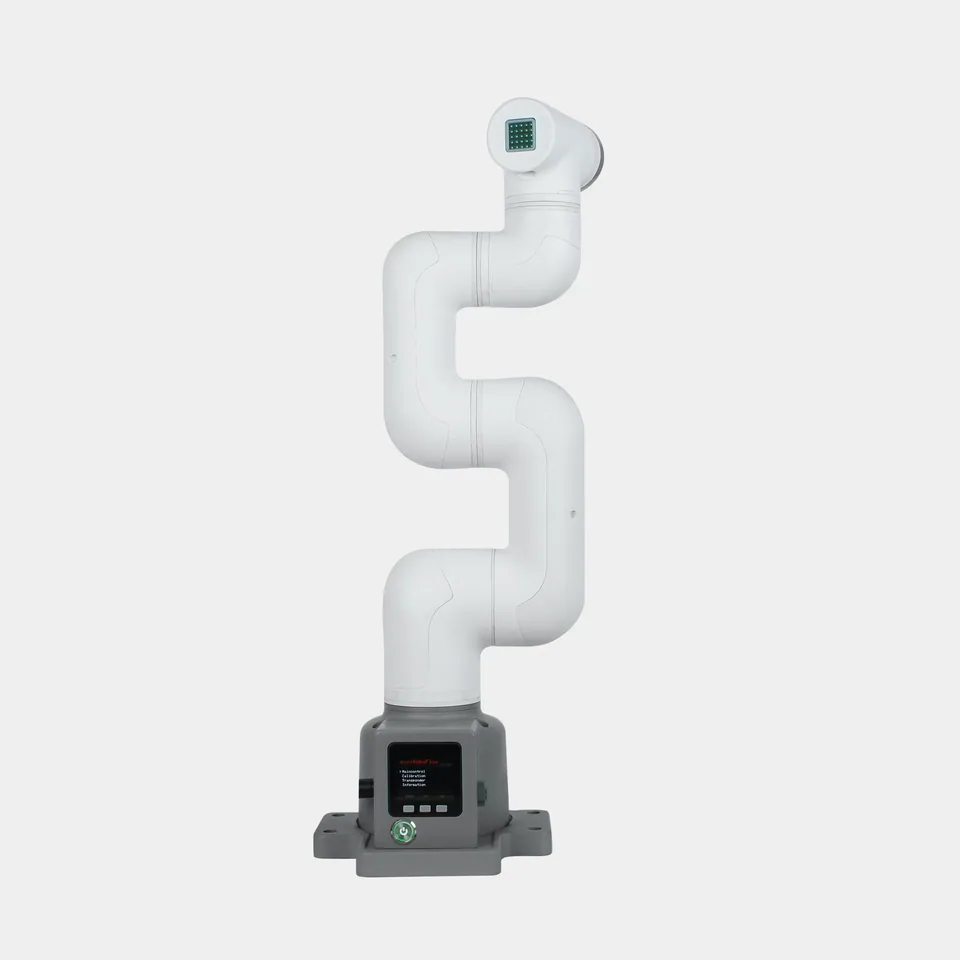 myCobot 320Elephant Robotics · 15,500 PLN* (≈ EUR 3,550)
The myCobot 320 is a larger variant of the myCobot 280 with the payload raised to 1 kg and a Raspberry Pi controller, using the same ecosystem as the 280. The stated price of USD 4,000 (about PLN 15,500 (≈ EUR 3,550)) comes from a 2022 "all-in-one" bundle and has not been verified for 2026, which reduces the reliability of the price comparison with the other models in the series.
49 / 100 -
9
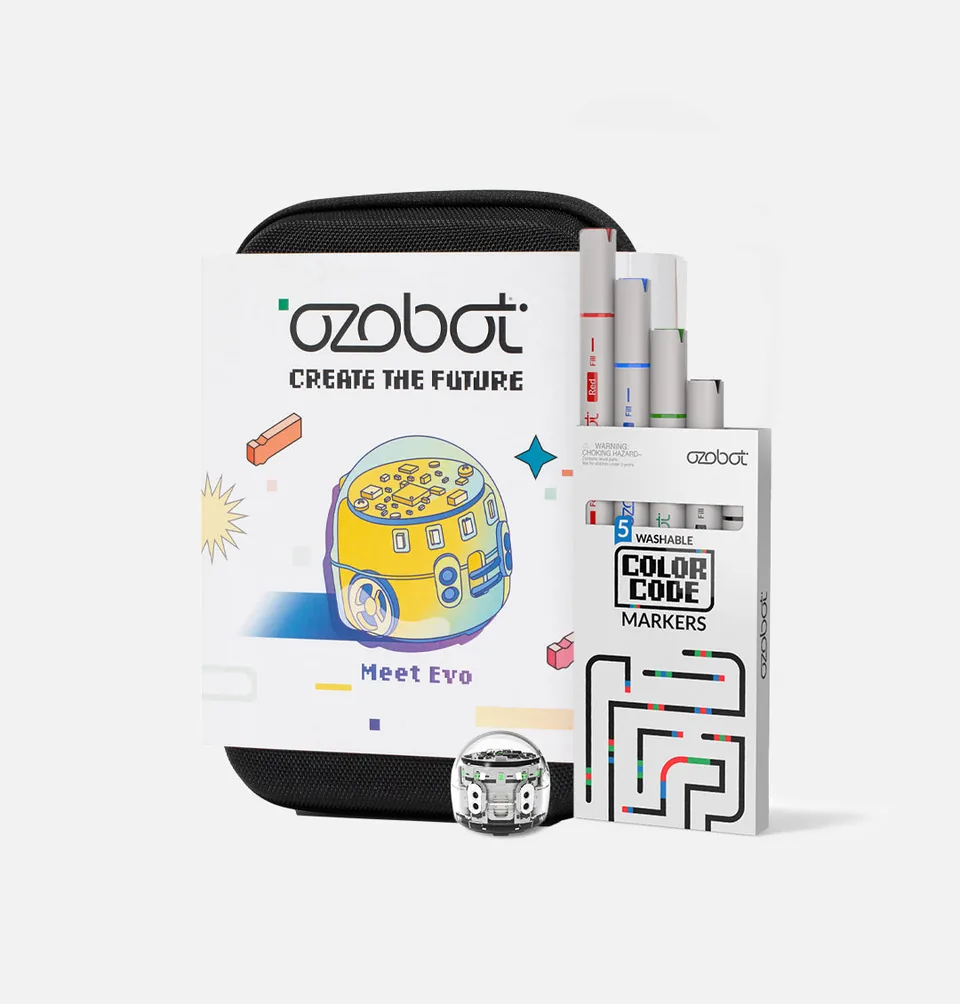 Ozobot EvoOzobot (Ozo EDU, Inc.) · 680 PLN* (≈ EUR 155)
The Ozobot Evo is a screenless mini-robot for learning coding basics through the Color Code method, used, according to the manufacturer, in more than 10,000 schools worldwide in grades from kindergarten to grade 2. It is sold only through an offer for educational institutions with no public price, and a single color sensor is the only documented sensory element: it is a robot for teaching the youngest children, not for advanced robotics classes.
42 / 100 -
10
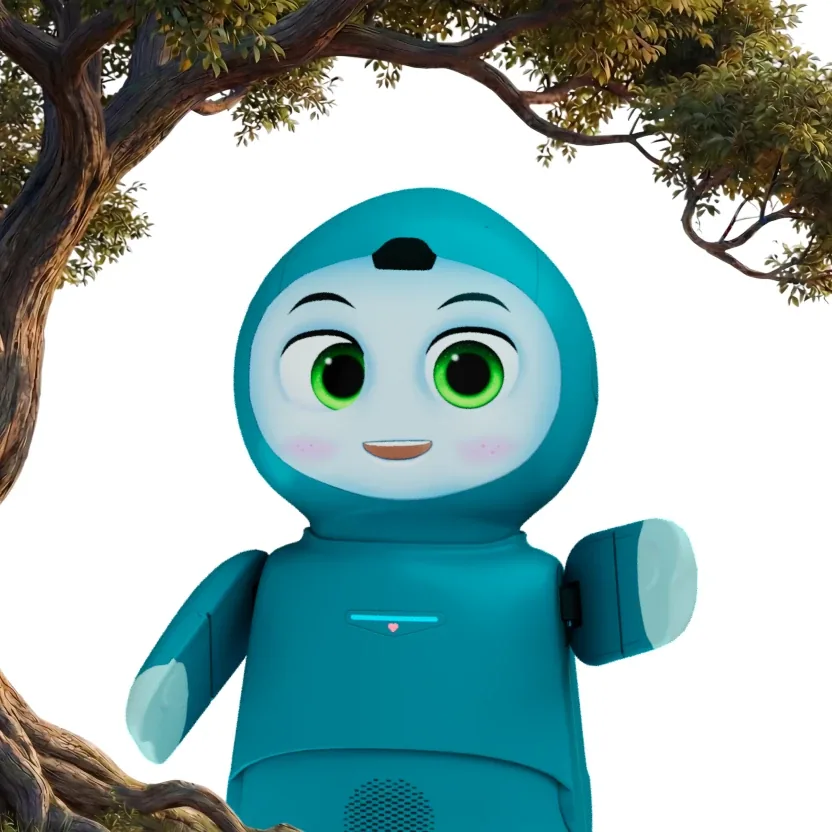 MoxieEmbodied, Inc. · 3,100 PLN* (≈ EUR 710)
We place Moxie in the ranking as a warning, not a recommendation: Embodied announced its closure in November 2024 and shut off the cloud servers that powered the robot's personality on 30 January 2025, turning most of the units sold at USD 799 into useless plastic boxes, with no refunds. It is the starkest example we have of the risk of robots that depend on the manufacturer's cloud, and a real argument for choosing open-source platforms.
35 / 100 -
11
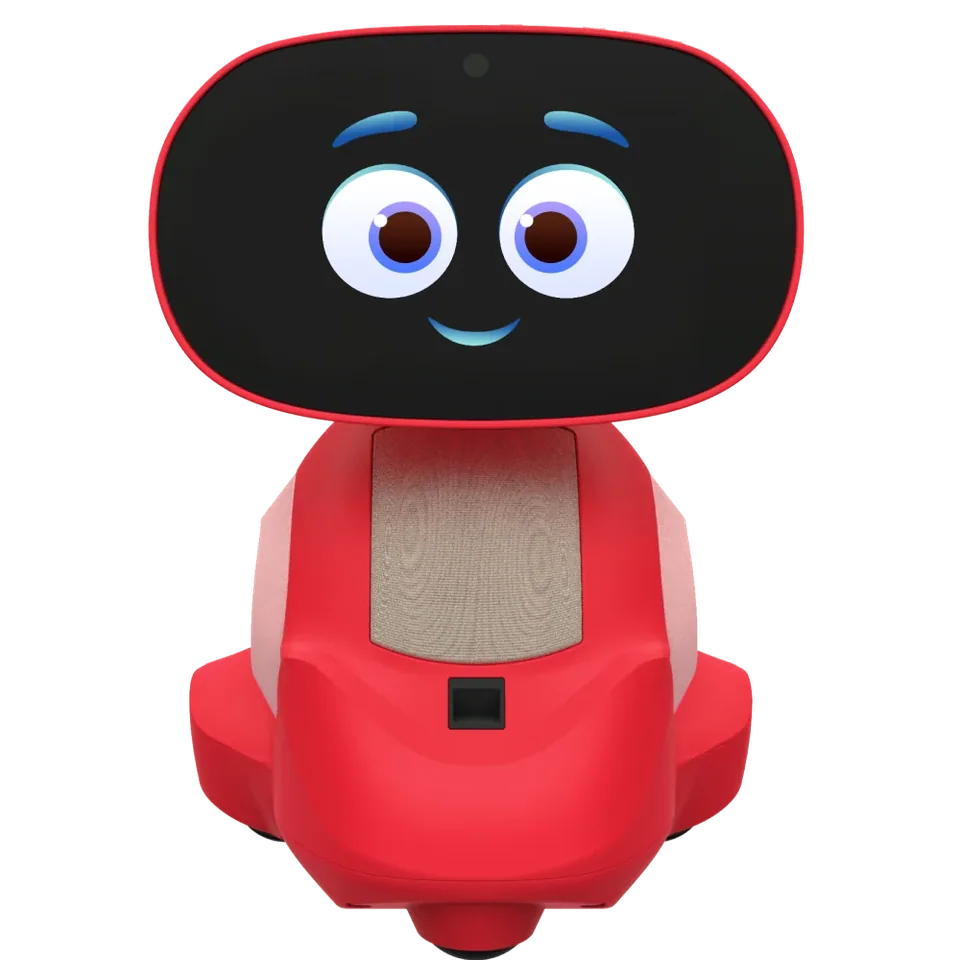 Miko 3Emotix Inc. (Miko)
The Miko 3 is an Indian educational companion robot for children aged 5-12, sold by Flipkart, Amazon India and JioMart at around INR 19,000-38,000 (an approximation not verified in PLN/USD). We found no evidence of distribution in Europe or Poland, which makes it practically unavailable to a Polish buyer today despite a mature offer in the Indian market.
34 / 100 -
12
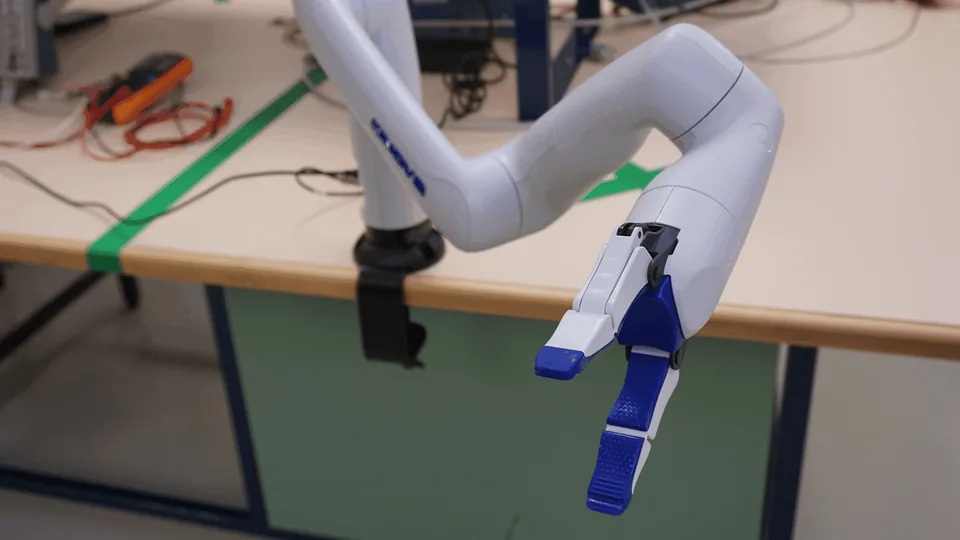 Kinova Gen3 LiteKinova Robotics
The Gen3 Lite is a stripped-down, cheaper version of the precise Kinova Gen3 arm with 6 degrees of freedom, but the manufacturer gives no price or detailed payload and reach figures; the "cost-efficient" label alone remains an unconfirmed marketing claim. It is worth considering mainly in the context of an existing Kinova Kortex API ecosystem, for universities already using other models from the brand.
32 / 100 -
13
LEGO Education SPIKE Prime Set (45678)LEGO Education · 2,300 PLN* (≈ EUR 525)
The LEGO Education SPIKE Prime set (45678) has behind it a huge, years-long base of lesson plans for grades 6-8 and a modular building system that many teachers know from other LEGO products. The manufacturer has officially withdrawn this specific version of the set from sale effective 30 June 2026, however, so a school planning a purchase based on this article should first check with its distributor which set now replaces it.
31 / 100
* Price converted into zloty from a foreign currency at the NBP rate of 1 October 2026 (1 USD = 3.8762 PLN, 1 EUR = 4.3770 PLN); indicative amount, excluding customs duty, VAT and transport.
Methodology
Ranking criteria
The score is the sum of the points for each criterion (100 at most). The weights are disclosed.
-
Price and availability 30%
Is the price publicly stated and realistically within reach of a school, a robotics club or an individual hobbyist? This criterion carries the most weight because in education the budget usually decides before every other consideration.
-
Ease of learning and teaching materials 25%
Quality of documentation, ready-made lesson plans and courses, the learning curve for beginners, and the size of the existing base of educational materials.
-
Technical capabilities 20%
Degrees of freedom, sensor quality and room for expansion: how far the platform lets you learn real robotics topics, not just basic control logic.
-
Support and community 15%
Size and activity of the user community, openness of the software (open source), and availability of forums and ready-made projects to follow.
-
Product and manufacturer support continuity 10%
Is the manufacturer still actively supporting the model, has the product been withdrawn, or, in the extreme case, did the device stop working after the manufacturer's servers were shut down? This criterion directly reflects real cases we have come across.
Methodology. Scores add up to 100 across five categories. Price and availability (30%) weighs the most: in education, purchase cost and real attainability (not just the existence of a product) come first. Ease of learning and teaching materials (25%) covers the quality of documentation and the existing base of lesson plans. Technical capabilities (20%) assesses a platform's real teaching potential, meaning its degrees of freedom and sensors. Support and community (15%) rewards open software and user activity. Product and manufacturer support continuity (10%) is a criterion that reflects real risks among the models we track: the Moxie robot, which its maker remotely "killed" by shutting down the servers, and the LEGO SPIKE Prime set, formally withdrawn from sale in 2026. We concluded that leaving this factor out would be unfair to readers planning a purchase that has to last for years.
Frequently asked questions
Why is the Moxie robot in the ranking at all if it doesn't work?
We included it deliberately as a cautionary example. Moxie illustrates the real business risk of educational robots that depend on the manufacturer's cloud: after Embodied shut down in 2025, the devices stopped working overnight even though the hardware still physically existed. Readers planning a purchase should be aware of this risk when choosing similar products.
What is the cheapest sensible educational robot choice for a Polish school?
Of the models assessed, the myCobot 280 (USD 649, about PLN 2,520 (≈ EUR 575)) and the SO-101 platform from the LeRobot project (no fixed price, but usually in the range of a few hundred zloty for a pair of arms) offer the lowest documented entry threshold while retaining real educational value. Exact availability and delivery cost to Poland should be verified directly with the seller.
Can the LEGO Education SPIKE Prime still be bought?
The specific set, number 45678, that we describe was officially withdrawn from sale by the manufacturer effective 30 June 2026. Before buying, check with your LEGO Education distributor which set now replaces it in the range.
How does an educational robot differ from a cobot in the "cobots-2026" ranking?
Some platforms (such as the myCobot) appear conceptually in both segments, but in this ranking we assess them from a teaching perspective (ease of learning, lesson materials and affordability for schools), while the cobot ranking assesses the same types of devices for real industrial work, payload and safety certification.
Sources
- SO-101 (LeRobot / TheRobotStudio) · huggingface.co
- SO-101 (LeRobot / TheRobotStudio) · github.com
- myCobot 280 · elephantrobotics.com
- myCobot 280 · shop.elephantrobotics.com
- ROBOTIS OP3 · emanual.robotis.com
- NAO · doc.aldebaran.com
- NAO · heise.de
- Dobot MG400 · dobot.nu
- Dobot MG400 · robotlab.com
- Trossen AI Stationary (successor to ALOHA) · trossenrobotics.com
- Trossen AI Stationary (successor to ALOHA) · trossenrobotics.com
- Dobot Magician · dobot-robots.com
- myCobot 320 · elephantrobotics.com
- Ozobot Evo · ozobot.com
How we calculate it. We compile our rankings using transparent criteria and weights, in line with the EU Omnibus Directive and the guidance of Poland's consumer protection authority (UOKiK). The table below shows the weight of each criterion.
About the authors
A chief engineer by profession (technical head of a ship's machinery plant, licensed). Sets the site's editorial rules and is responsible for them; he does not read every page before publication.
Texts are prepared by the editorial team using AI tools. We compare data with primary sources on a sample basis, not page by page. Our rules are described here: How we check · About us