on sale
Pudu Robotics (Shenzhen Pudu Technology Co., Ltd.)Service robots
Pudu CC1
- 1.2 m/sspeed
- 9 hruntime
- 73,680price (PLN)
Application: Retail and shops
A store where a robot mops the floor and a machine hands over your parcel is no longer futurology, but it is not a humanoid standing at the till.
This page is informational and has not been reviewed by a named expert (lawyer, tax adviser, safety engineer or physician). It is not legal, tax, medical or certification advice; for decisions (for example reimbursement, the robotization tax relief, data protection or safety), check the rules and standards in the official sources.
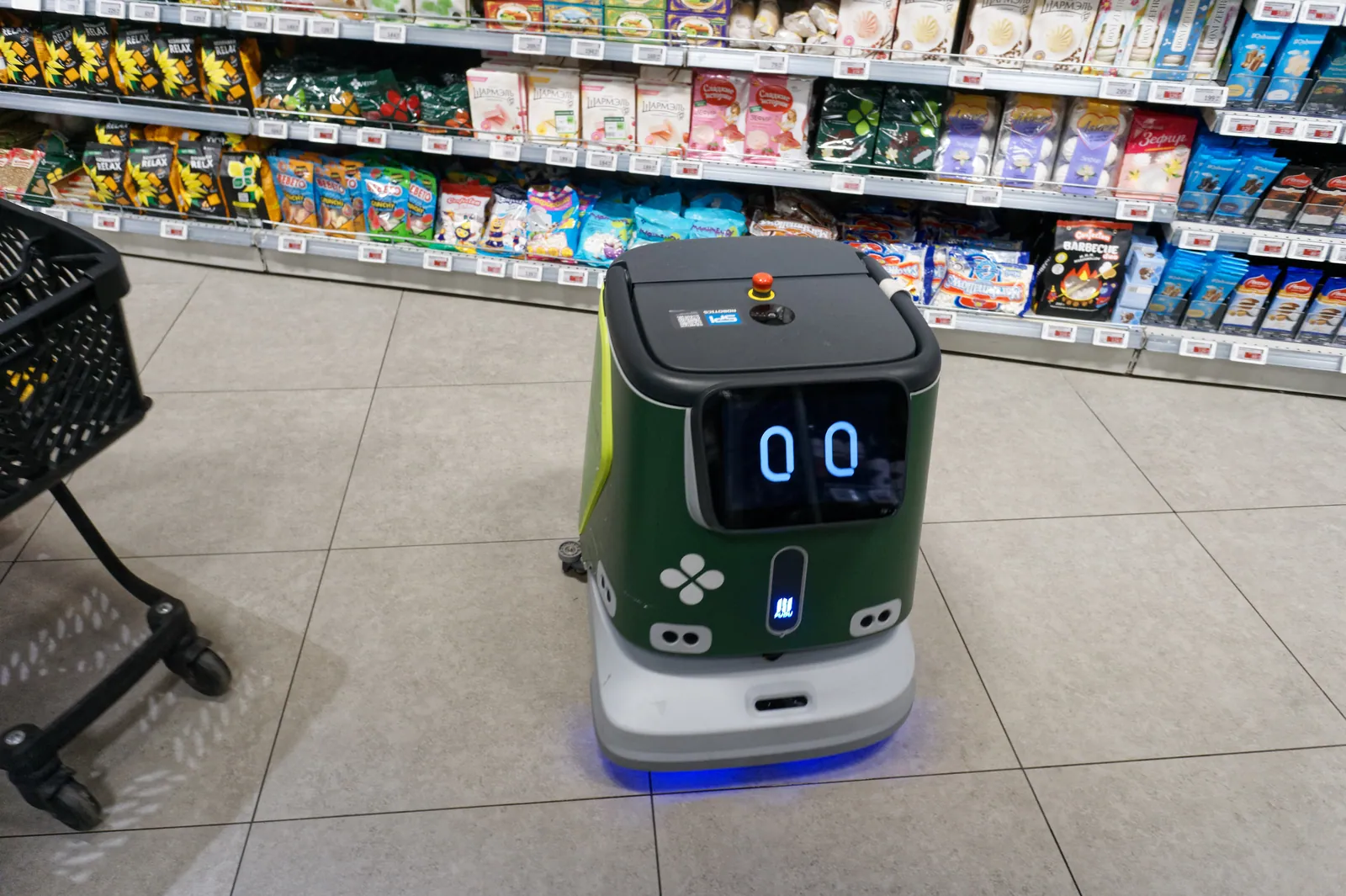
Photo: Retired electrician, Wikimedia Commons, CC0; resized and converted to WebP
Polish retail has been wrestling with the same problem for years: too few people, and rising wages. Unemployment in the country is low (3.4 percent in July 2026 according to Eurostat, Polskie Radio; the GUS registered rate for August 2026 was 5.8 percent, GUS data of 23 September 2026, via money.pl), and according to a 2026 Capgemini Research Institute report, labor shortages (74 percent of respondents) and rising labor costs (69 percent) are what most push companies to invest in physical AI (Capgemini). Cleaning a hall, carrying cartons and leading a customer to the right aisle are repetitive jobs, and that is where deployments of service robots begin. We describe the wider labor-market picture in “Humanoid Robots and the Polish Labor Market”.
Before we get to the models, one distinction. In retail, the word "robot" covers three different things: a cleaning machine, a device that automates a single task (like a parcel locker), and a system built purely on cameras and AI that looks nothing like a "robot". All three are real in Poland, each at a different scale.
Żabka Nano stores are checkout-free: you walk in, pick up a product and walk out, and an image-recognition system works out the bill. The chain has opened such stores in Poznań and Warsaw, among other places, and at Wrocław airport (Instalki). One caveat that must not be skipped: according to financial reports for 2024, the concept generated PLN 32.6 million (≈ EUR 7.47 million at NBP rate 4.3641 of 21 October 2026) in revenue against costs of PLN 33.3 million (≈ EUR 7.63 million) and was unprofitable (Wiadomości Handlowe). There is no physical robot here, only computer vision. We mention it because it shows what retail automation looks like when nobody insists it should look like a human.
Closer to traditional robotics is the InPost Robomat (InPost S.A.), a compact parcel locker for places with little floor space, such as Żabka stores. Instead of many compartments it has a single pickup slot, and parcels reach it from a store inside the cabinet thanks to a Cartesian-robot mechanism moving along three axes. The maximum parcel weight is 7 kg, and pickup and drop-off are done with a QR code from the InPost Mobile app or on the screen (Bankier.pl). The Robomat is not a product you can buy: it is part of the operator's infrastructure.
If there is one robot in retail that proves itself without lengthy explanations, it is the floor scrubber. The floors of large stores, malls and halls are flat, mappable and need washing every day.
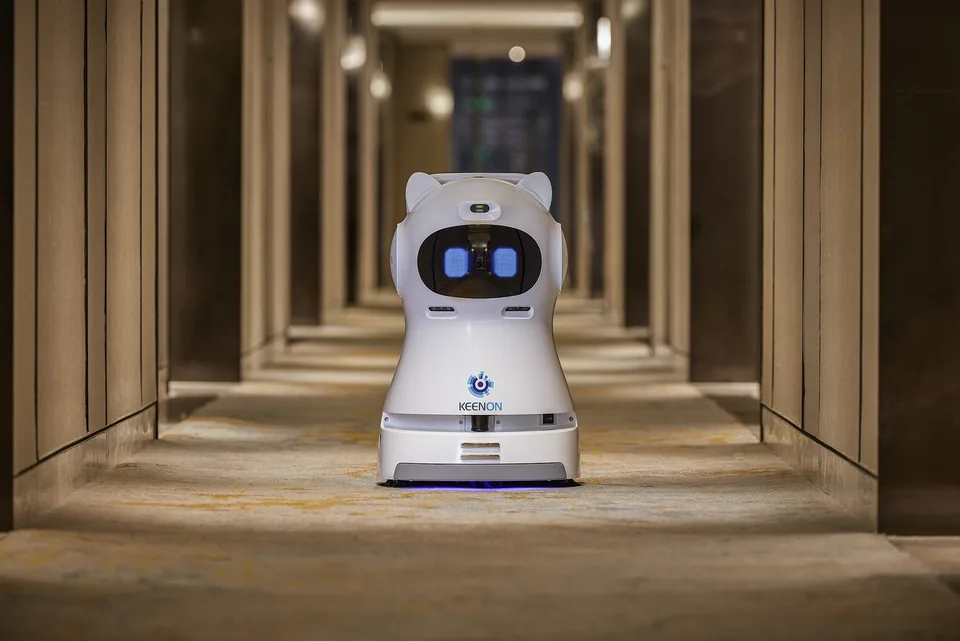
A compact for carpet and tile. The Keenon C30 (Keenon Robotics) sweeps, vacuums and mops at the same time, weighs 35 kg, travels up to 0.8 m/s and runs for up to 6 hours, sensing its surroundings with three stereo cameras (Keenon). NetVet.pl sells it for PLN 59,999 (≈ EUR 13,750) net (PLN 73,798.77 (≈ EUR 16,910) gross) and rents it for PLN 2,390 (≈ EUR 550) net per month on a 12-month contract (PLN 3,990 (≈ EUR 915) net for a single month) (NetVet.pl).
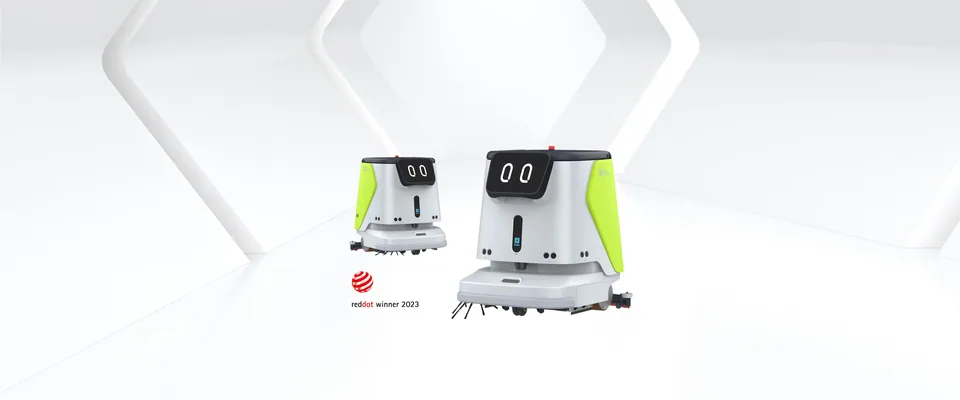
An industrial 4-in-1. The Pudu CC1 (Pudu Robotics) sweeps, scrubs, vacuums and wet-mops in a single pass, with 17,000 Pa of suction and a claimed capacity of 700 to 1,000 m² per hour. The clean-water and dirty-water tanks hold 15 liters each, and runtime depends on the mode: from 4 to 9 hours (specifications). In Poland you buy it from distributors on request, rent it from PLN 1,990 (≈ EUR 455) net per month at Positive Machines or lease it from PLN 785 (≈ EUR 180) net per month at Dynamic Robots.
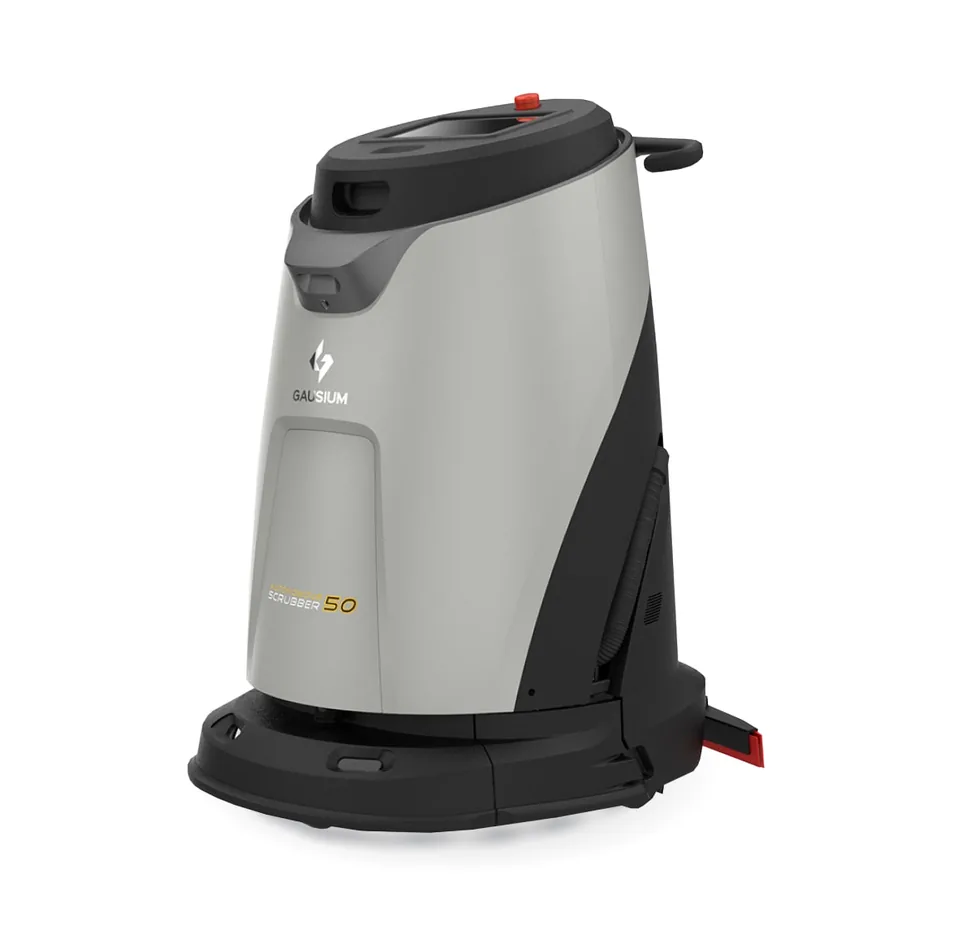
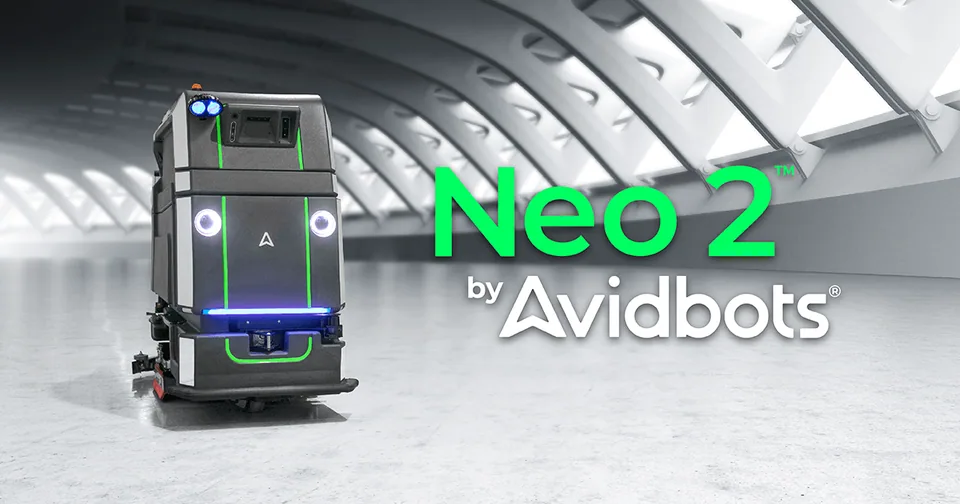
Large halls. The Gausium Scrubber 50 Pro (Gausium) weighs up to about 157 kg and, according to the manufacturer, runs from 3 to 8 hours; the purchase price in the USA is USD 53,600 (about PLN 207,800 (≈ EUR 47,620) at the NBP average rate of 1 October 2026, PLN 3.8762 per USD; RobotLAB). The Avidbots Neo 2 (Avidbots) is a machine with a gross weight of about 660–690 kg depending on configuration and a capacity of up to 3,900 m² per hour (Avidbots); pricing is on request. The smaller LionsBot R3 Vac (LionsBot International) costs USD 13,000 or USD 369 a month in the USA (RobotLAB). These are US prices; for these three models we found no confirmed distributor in Poland. More on costs and rental: “Commercial Cleaning Robots in Practice”.
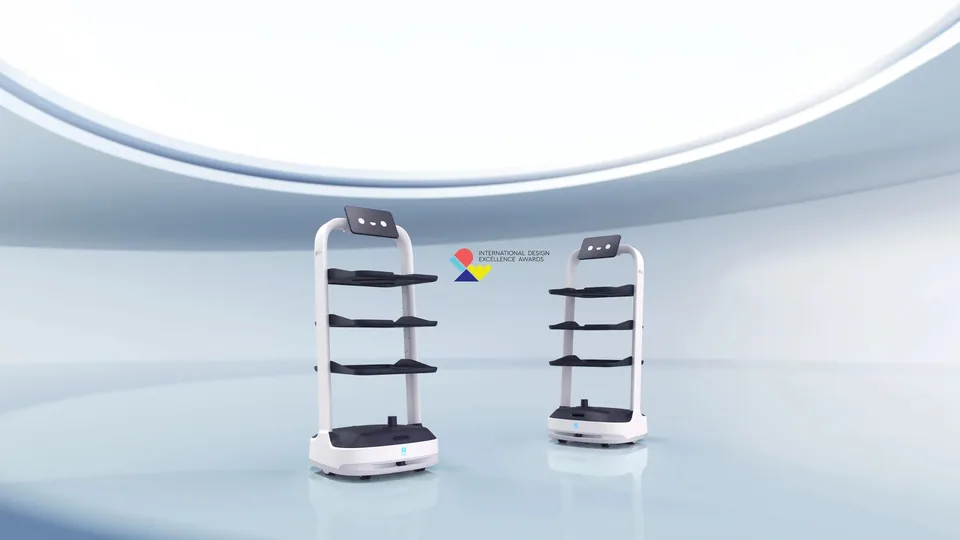
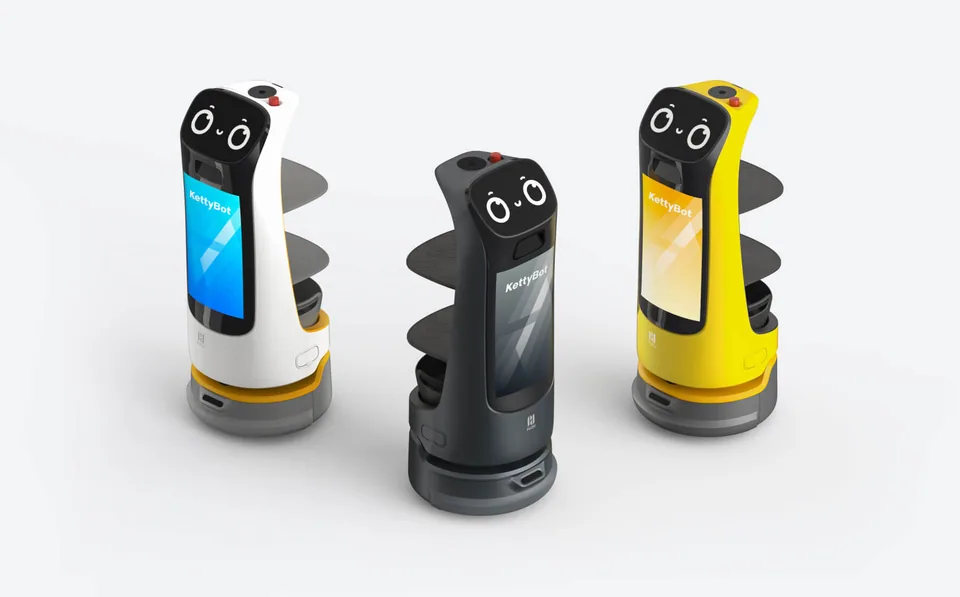
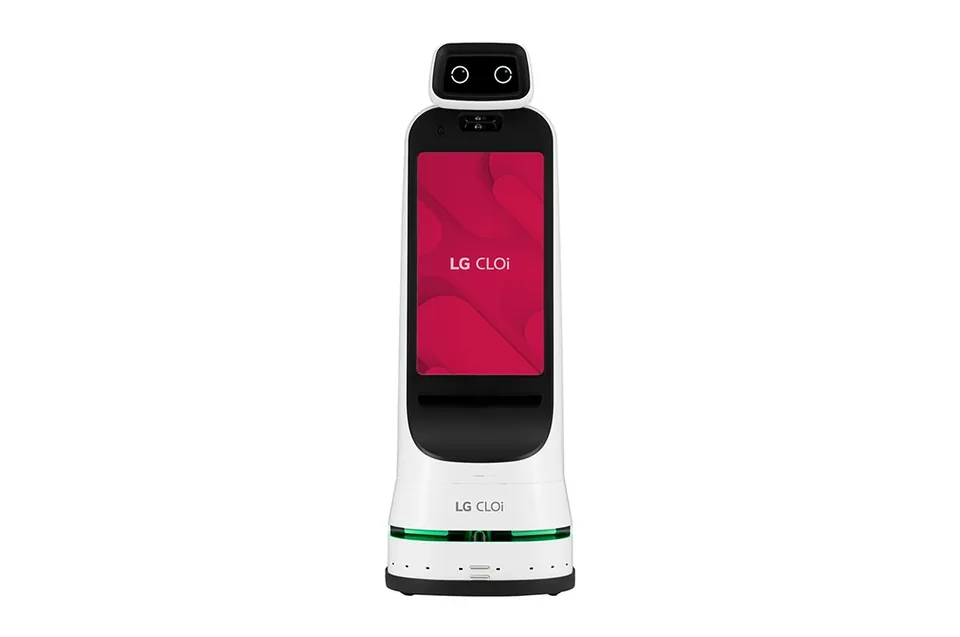
A robot with a screen that greets customers and points the way tends to have an image effect rather than a return in zloty. The Pudu KettyBot Pro has three shelves (up to 30 kg in total) and runs for up to 9 hours (Pudu datasheet); in Poland Pudu is represented by Dynamic Robots, which carries robots from the KettyBot family. In the US it costs USD 14,000 (about PLN 54,300 (≈ EUR 12,440)) or USD 479 a month (RobotLAB). The LG CLOi GuideBot (LG Electronics) has two 27-inch screens for ads and navigation, and costs from USD 39,990 or USD 1,119 a month under RaaS (robots as a service) in the USA (RobotLAB). The temi V3 (Robotemi Global), with a 13.3-inch screen that follows a person and remembers locations, costs USD 4,499 (about PLN 17,400 (≈ EUR 3,990); RobotLAB). For mall food courts where a robot delivers dishes, the PuduBot 2 fits: 40 kg payload, up to 15 hours of operation (Pudu), from PLN 990 (≈ EUR 225) net per month to rent at Positive Machines. More about this segment in “Service Robots in Restaurants and Hotels”.
Abroad they go further. The Richtech ADAM robot (Richtech Robotics) prepares coffee and drinks in, among other places, a Walmart store in Rockford, Illinois (Richtech Robotics); the robot is not available in Poland.
The biggest money in retail is not in the entrance hall but behind the door marked "staff only". Autonomous mobile robots (AMRs) move totes and pallets: the Locus Origin is CE-certified to a 36 kg payload and runs up to 14 hours per charge (Locus Robotics). That is a topic for a separate piece, “AMR Robots in the Warehouse”, and the category “Mobile robots (AMR)”.
They will not stock the shelves, judge whether an apple is ripe or calm a customer with a complaint. A scrubber and a guide robot work from a map, so changes in the store layout and obstacles on the route require remapping or staff intervention. Wherever a robot has cameras, the GDPR comes in: we covered this in “Data Security: Robots with Cameras and the GDPR”. Finally, a humanoid working in a store is a showcase today. In March 2026 CGTN reported the start of a Galbot G1 robot in a pharmacy in Beijing's Haidian district: the robot locates, picks and packs medicines in a pharmacy of about 70 square meters, with a reported grasping success rate of about 99.5% (CGTN). We have not confirmed such a deployment in Poland. The categories “Service robots” and humanoid robots differ in real readiness.
You can buy or rent Pudu and Keenon robots from Polish distributors (Dynamic Robots, Positive Machines, NetVet.pl). A trial rental, for example for a month, helps: you check whether the store map, narrow aisles and evening cleaning really fit the robot. When buying, ask about service in Poland, the availability of consumables (brushes, filters) and who is liable for a robot that bumps into a customer.
At a rental rate of about PLN 2,000 (≈ EUR 460) a month and a capacity of 700 to 1,000 m² per hour, a cleaning robot starts to pay off on large, open areas: halls, mall corridors, lobbies. In a store with densely packed shelving the difference will be smaller. You can work out the calculation using the method described in “Humanoid Robot TCO: How to Calculate Total Cost”.
Poland's robotization tax relief (ulga na robotyzację) lets you deduct an additional 50 percent of qualifying costs, but it applies to industrial robots under a narrow definition, and rental does not fit it at all (only the purchase or leasing of new robots that leads to a transfer of ownership qualifies; podatki.gov.pl). On 29 September 2026 the government adopted a bill extending the relief by 10 years (bill on gov.pl), but it has not yet been enacted. See “Poland's Robotization Tax Relief”.
In Polish retail, the robots that work best today are the ones that do one thing and do it every day: scrub the floor, hand over a parcel, haul totes. If you run a mall or a large hall, rent a scrubber for a month and do the math. If you are thinking of a greeter robot, treat it as part of your image, not as a saving. And a store with no checkouts and no people? For now that is an experiment that does not yet pay for itself.
A chief engineer by profession (technical head of a ship's machinery plant, licensed). Sets the site's editorial rules and is responsible for them; he does not read every page before publication.
Texts are prepared by the editorial team using AI tools. We compare data with primary sources on a sample basis, not page by page. Our rules are described here: How we check · About us
Recommended robots
Models chosen for this scenario, with prices and availability in Poland.
Pudu Robotics (Shenzhen Pudu Technology Co., Ltd.)Service robots
Pudu Robotics (Shenzhen Pudu Technology Co., Ltd.)Service robots
Pudu Robotics (Shenzhen Pudu Technology Co., Ltd.)Service robots
Knowledge
How autonomous cleaning robots work in offices, hotels and shopping malls, and what renting or buying one costs in Poland.
Poland's robotization tax relief (ulga na robotyzację) in 2026: rules, eligible costs, deduction size, a worked example and the status of the extension beyond 2026.
A robot with cameras at work processes personal data. GDPR duties, the stance of Poland's data protection authority (UODO) and a rollout checklist.
Cleaning (Pudu CC1, Keenon C30), parcel handover (InPost Robomat, max. 7 kg), guiding customers (e.g. the Pudu KettyBot Pro) and moving goods in the back room. Żabka Nano shows that even a checkout-free store relies on cameras and AI, not on a humanoid robot; according to the 2024 financial reports this concept was unprofitable.
The Pudu CC1 can be rented in Poland from about PLN 1,990 (≈ EUR 455) net per month (Positive Machines) or leased from PLN 785 (≈ EUR 180) net per month (Dynamic Robots). The Keenon C30 costs PLN 59,999 (≈ EUR 13,750) net at NetVet.pl, and renting it costs PLN 2,390 (≈ EUR 550) net per month on a 12-month contract. Large scrubbers such as the Gausium Scrubber 50 Pro start at USD 53,600.
Renting makes sense for a trial, seasonal demand or several sites; buying makes sense when the need on the same floor area is constant. Polish distributors offer rentals for various periods, for example NetVet.pl from one month to 48 months.
Yes, if they record customers' images. Before a robot goes out among people, check where the recordings end up, how long they are kept and whether they can be processed locally.
The relief covers industrial robots under a narrow statutory definition. Service robots, such as cleaning or greeter robots, do not necessarily fit within it. A tax adviser should assess eligibility.
Links to the material this text is based on. Before you base a decision on a figure from the article, check it at the source.
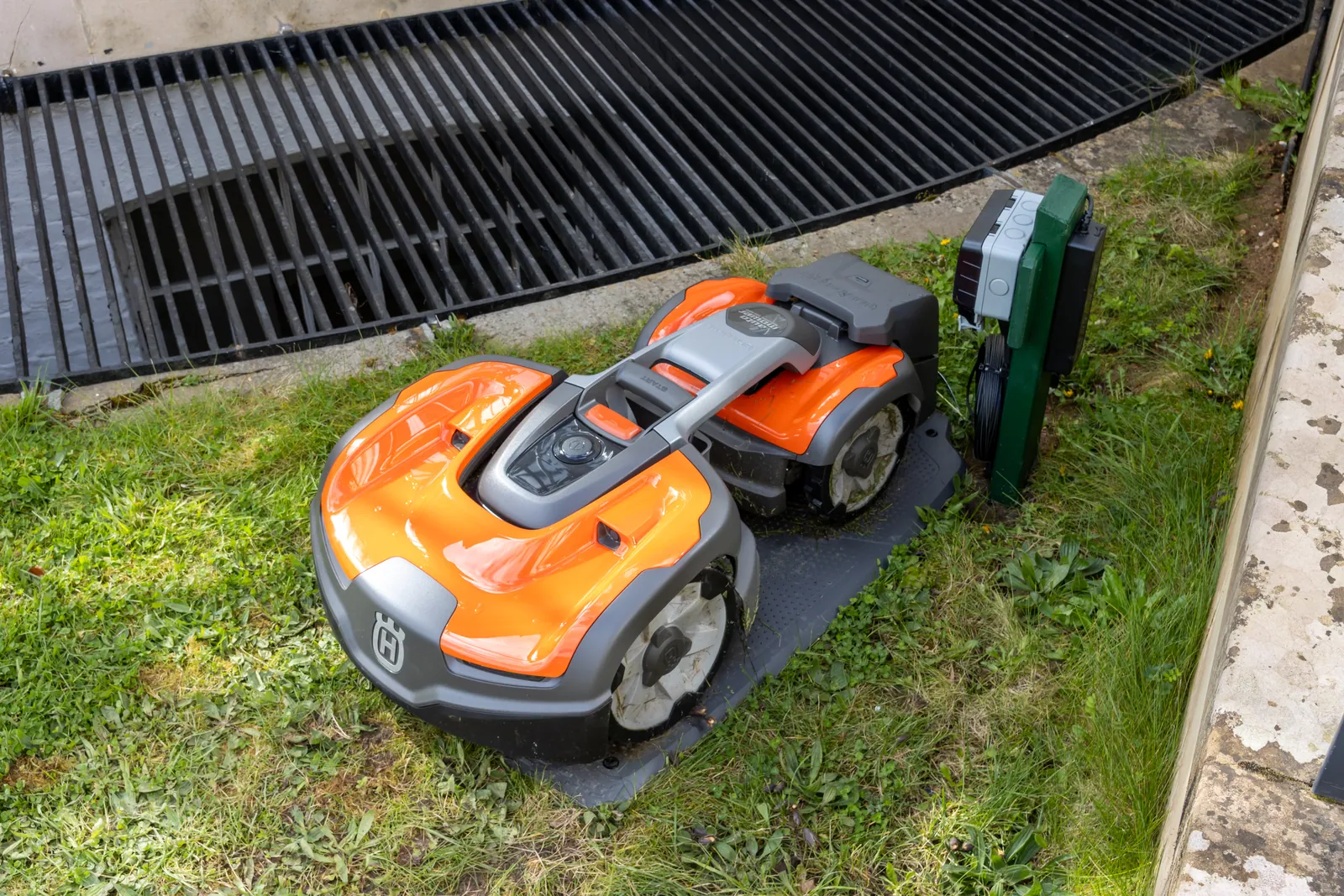
In the garden, robot mowers are mature; the Naio Oz is for professional vegetable growers, and the Unitree Go2 costs from about PLN 9,900 (≈ EUR 2,270) in Polish shops.
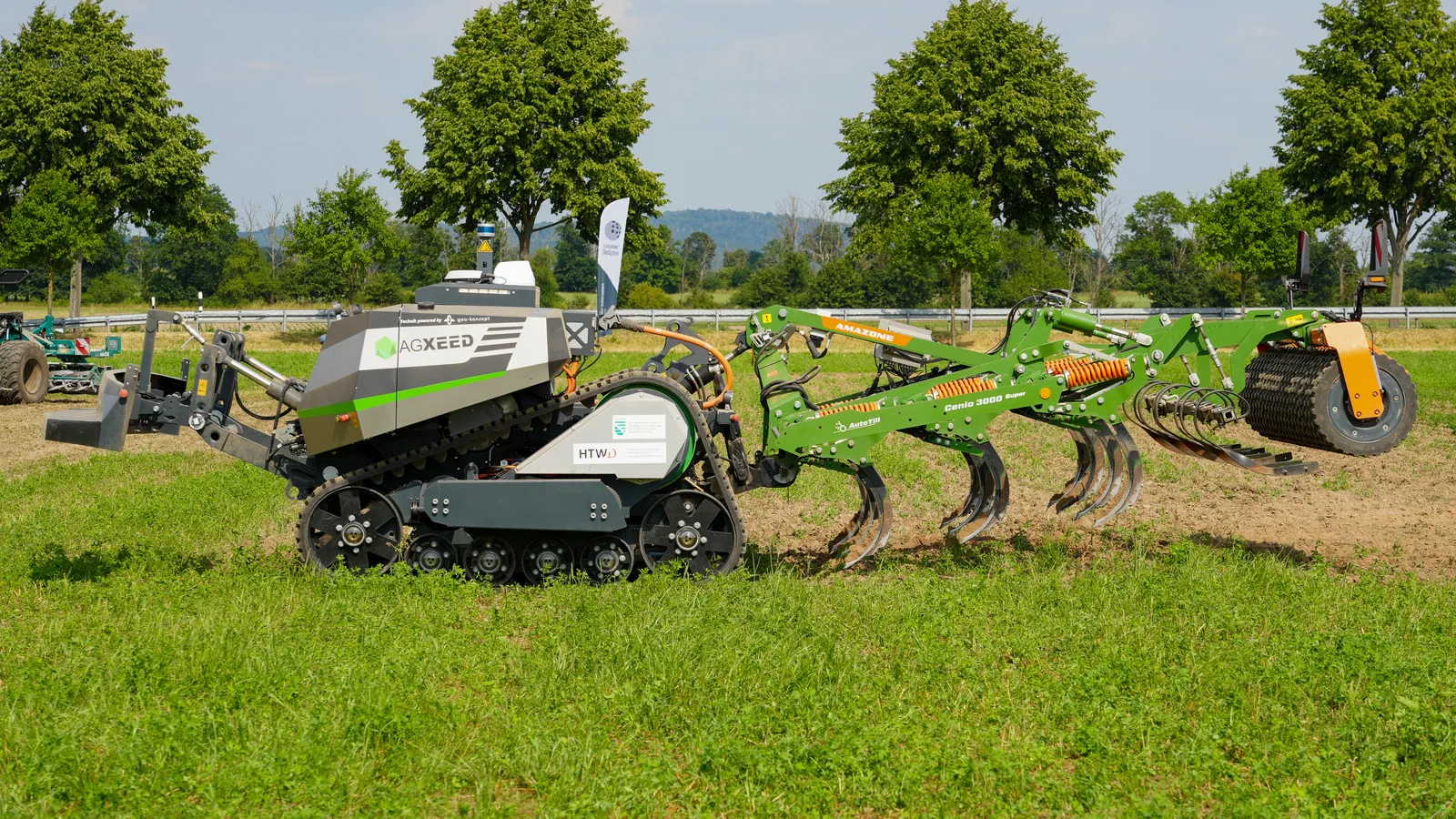
A laser that burns weeds without a gram of chemicals, a solar robot sowing with eight-millimeter accuracy: the field is no longer the exclusive domain of the tractor and the hoe.
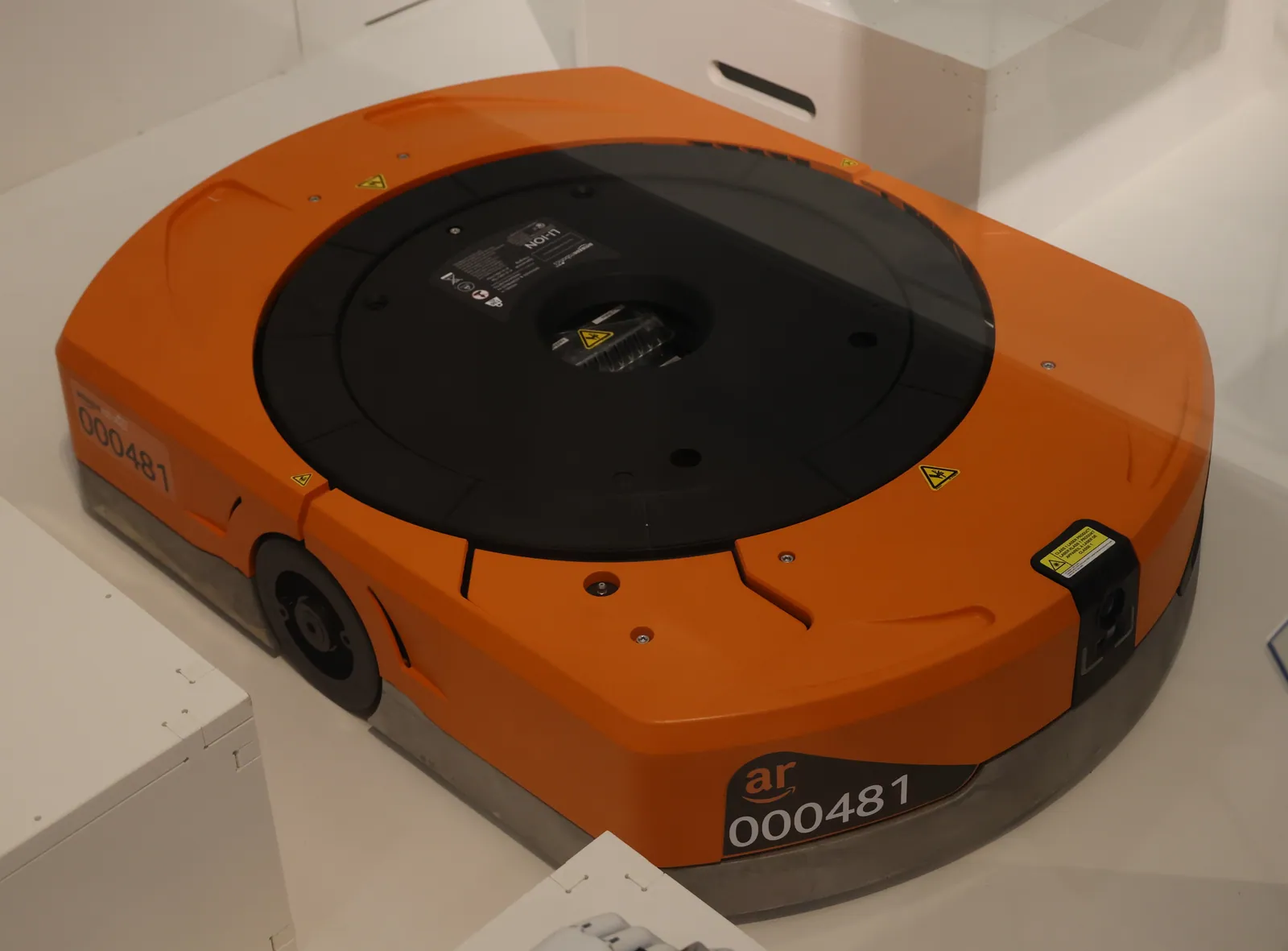
Robots really work here: Amazon reports more than 5,000 robots in its new Dobromierz center, and some AMR offers can be borrowed on trial.
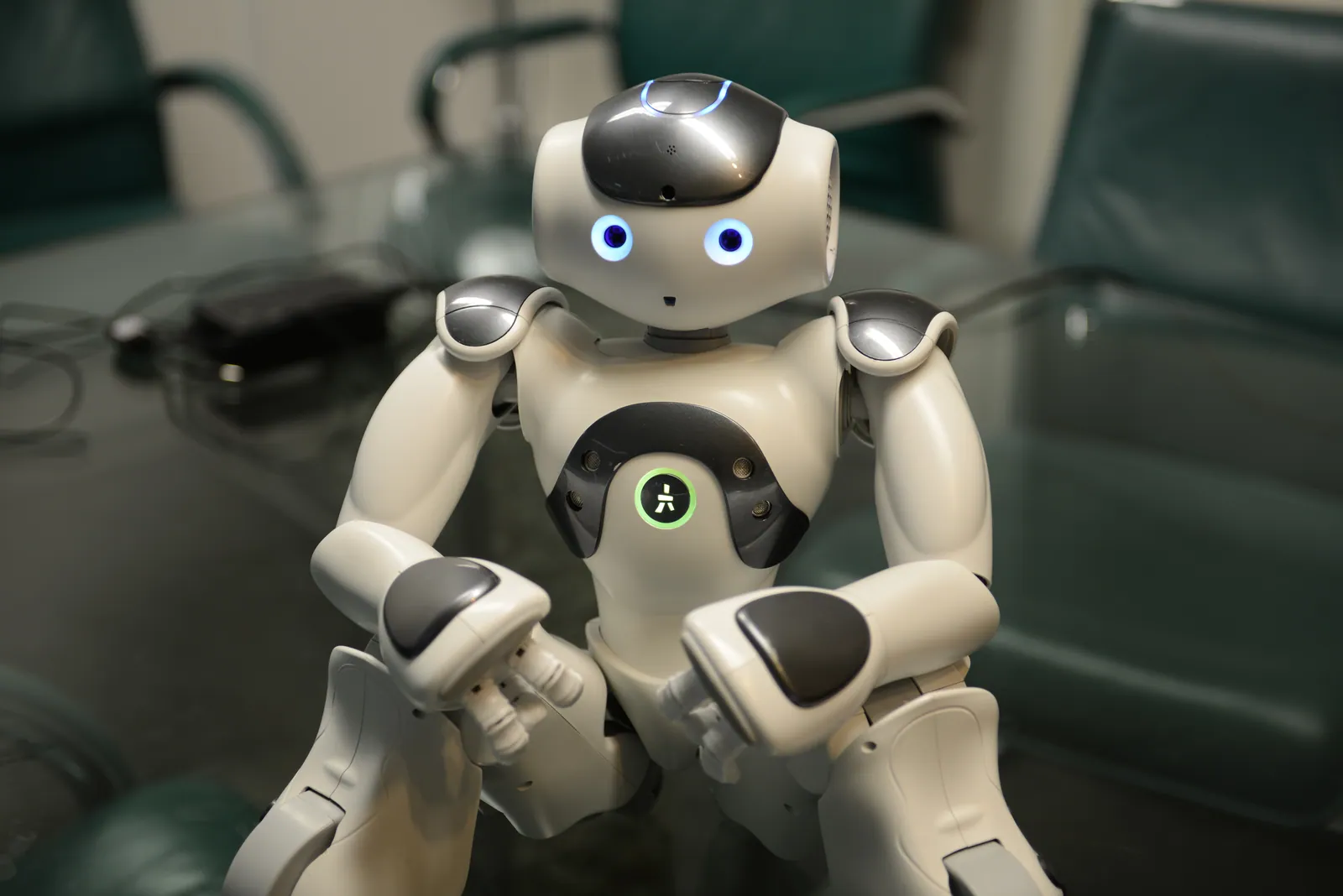
Schools buy robots from USD 175 (Ozobot Evo) to robot arms for more than EUR 2,000; the LEGO SPIKE Prime 45678 was retired on 30 June 2026.
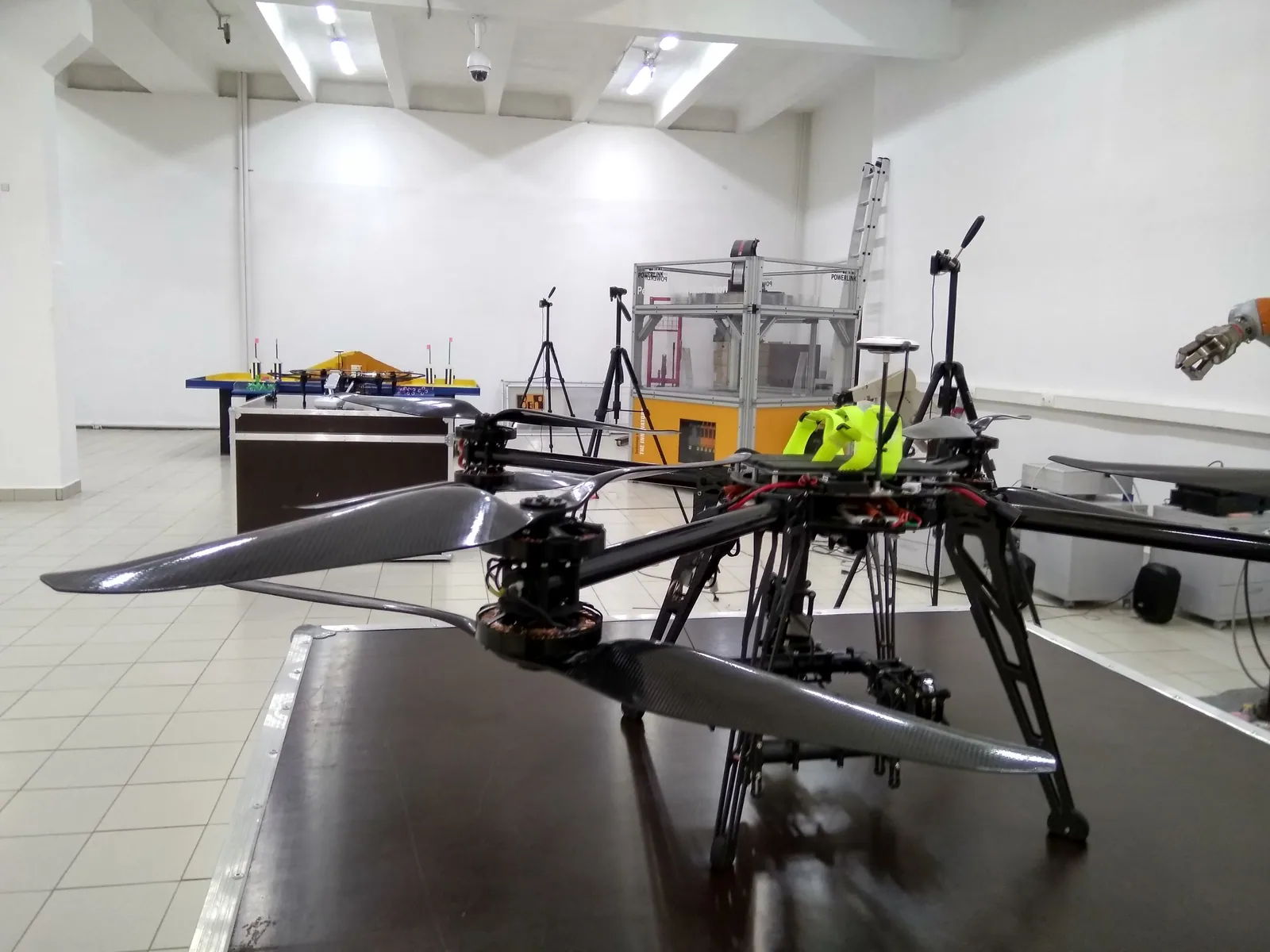
Universities buy research platforms: the Unitree G1 humanoid from USD 13,500, the Franka arm for about EUR 25,000, and the open SO-101 in parts for about USD 230.