prototype
Educational robotson sale
Kinova Gen3 Lite
Price from
no public price
No confirmed distributor in Poland
Pros
- Light arm: 5.4 kg weight, 760 mm reach
- 6 axes and Kinova pedigree
- Designed for education and student projects
- Cheaper option than the Gen3
Cons
- Payload only 0.5 kg
- Price not confirmed
- Availability in Poland not confirmed
- 5.4kgWeight
- 6DOFDegrees of freedom
- 0.5kgPayload
- 760mmReach
Key facts
- Specificationsweight 5.4 kg · degrees of freedom 6 DOF · payload 0.5 kg
- Statuson sale
- Availability in Polandnot confirmed
- VerdictFor universities and manipulation courses; not for production or schools that need a firm price upfront.
Summary
- ManufacturerKinova Robotics
- CategoryEducational robots
- Statuson sale
- Availability in PolandNo confirmed distributor in Poland
The Gen3 Lite is a stripped-down, cheaper edition of Kinova's flagship Gen3 arm - six axes instead of seven, lower mass and a simplified design, but the same lineage of ultralight arms from the Canadian maker, previously known for its assistive JACO arms. The model is aimed at educational and research uses: light manipulation, robotics teaching, student projects.
The price has not been verified - the available materials describe the Gen3 Lite only as a more "economical" option compared with the Gen3, with no specific amount. That is a notable difference from competing educational arms, such as some Dobot or uFactory models, which publish prices outright on the manufacturer's website.
The lack of confirmed data does not disqualify the Gen3 Lite as an option for universities, but it makes it harder to compare deployment cost. Availability in Poland is not confirmed - as with the Gen3, sales probably go through foreign distributors of laboratory equipment. Before making a purchase decision, it is worth asking the manufacturer directly for the current price list and the full datasheet.
Photo gallery
-
Photo: Kinova Robotics, product page (kinovarobotics.com) -
Photo: Kinova Robotics, product page (kinovarobotics.com) -
Photo: Kinova Robotics, product page (kinovarobotics.com) -
Photo: Kinova Robotics, product page (kinovarobotics.com)
Specs
Data checked: · Sources: 3
Data from manufacturer datasheets and product pages; median over the models of this category in the database.
-
Weight5.4 kg+57% vs. the category median (3.45 kg, n=12)
-
Degrees of freedom6−20% vs. the category median (7.5, n=12)
-
Payload0.5 kg−33% vs. the category median (0.75 kg, n=9)
- category medianA higher value doesn't always mean a better robot; it depends on the application.
Dimensions and weight
- Weight
- 5.4 kg
- Reach
- 760 mm
Motion and manipulation
- Degrees of freedom
- 6
- Payload
- 0.5 kg
Electronics and AI
- Drive
- electric
Price and availability in Poland
no data
Running and deployment costs
The price of the Gen3 Lite has not been verified: neither the manufacturer nor the shops we checked give an amount that can be converted into zlotys. That is why we do not print a number. As a rough guide only, research arms in this class fall in the range of a few tens of thousands of zlotys, but that is an order of magnitude, not a manufacturer figure. On top of the arm's price, add the gripper, power supply, mounting and control software. Training in an academic setting usually comes down to a few hours of introduction and self-directed work, because the model was designed for an easy start.
Dealers in Poland
No confirmed distributor in Poland
Applications
What it's for
The Kinova Gen3 Lite is a six-axis, lightweight arm (5.4 kg mass, 760 mm reach, 0.5 kg payload) that a student can operate alone and that looks nothing like a heavy industrial robot. The manufacturer aims it at education and research: light manipulation, teaching, student projects. In the laboratory the arm is mounted on a table or a mobile platform and taught to pick up small objects, sort samples or test control algorithms - see laboratories and universities. In technical schools, where the goal is to show students how kinematics works, it serves as a teaching aid, see schools. Sensible additions are external grippers and sensors, for example from Robotiq or OnRobot, but compatibility with this particular arm must be checked before buying. The limits are obvious: 0.5 kg of payload rules out heavier parts, and this is not a robot for serial production. How to judge such parameters is covered in the text “How to Read a Robot Datasheet”; general background is in “Educational Robots for Schools and Universities”.
Typical applications
Who it's for
Worth considering for: universities, laboratories and research teams that want to enter the Kinova ecosystem without buying the pricier seven-axis Gen3. Who it is for: instructors teaching mobile robotics and manipulation, because the light construction makes mounting on platforms easy. Who it is not for: companies looking for a robot for permanent production work - the payload and the character of the model rule that out. Who it is not for: schools on a tight budget that need a clear price up front, because no amount is given; the manufacturer describes the model only as "more economical" than the Gen3. Who it is not for: those who need local service, since availability in Poland is not confirmed. Before placing an order, ask for the current price list and the full datasheet.
Deployments
The model is sold, among others, by the Clearpath Robotics shop, which deals in research robots. No specific applications are on record, so we do not invent any. In the educational category, several other arms and kits are in use in Poland, for example the Dobot Magician in the shops botland.com.pl and stem-polska.pl, described as Dobot Magician; more in educational robots and in the text “Educational Robots for Schools and Universities”.
Comparison
Three cheaper or more accessible directions for education. myCobot 320 from Elephant Robotics has a 1 kg payload and 350 mm reach; the price of about USD 4,000 dates from 2022, so it needs updating, but it is an interesting alternative for teaching. For the cheapest entry into robotics there is myCobot 280 (250 g payload, priced from about USD 649), available in Poland through deltarobots.com. For open-source teaching, take a look at SO-101 - printed parts and servos, priced in the range of a few hundred zlotys, though it is a completely different quality class. If the budget allows research-grade equipment, the reference point is Franka Research 3 with seven axes and torque sensors in every joint. All models in the category can be found on the page “Educational robots”.
Similar models
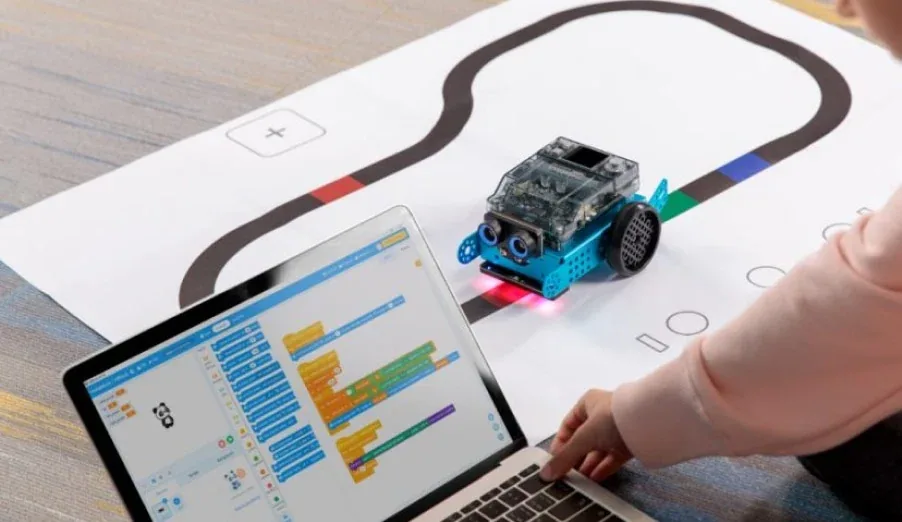 on sale
 on sale
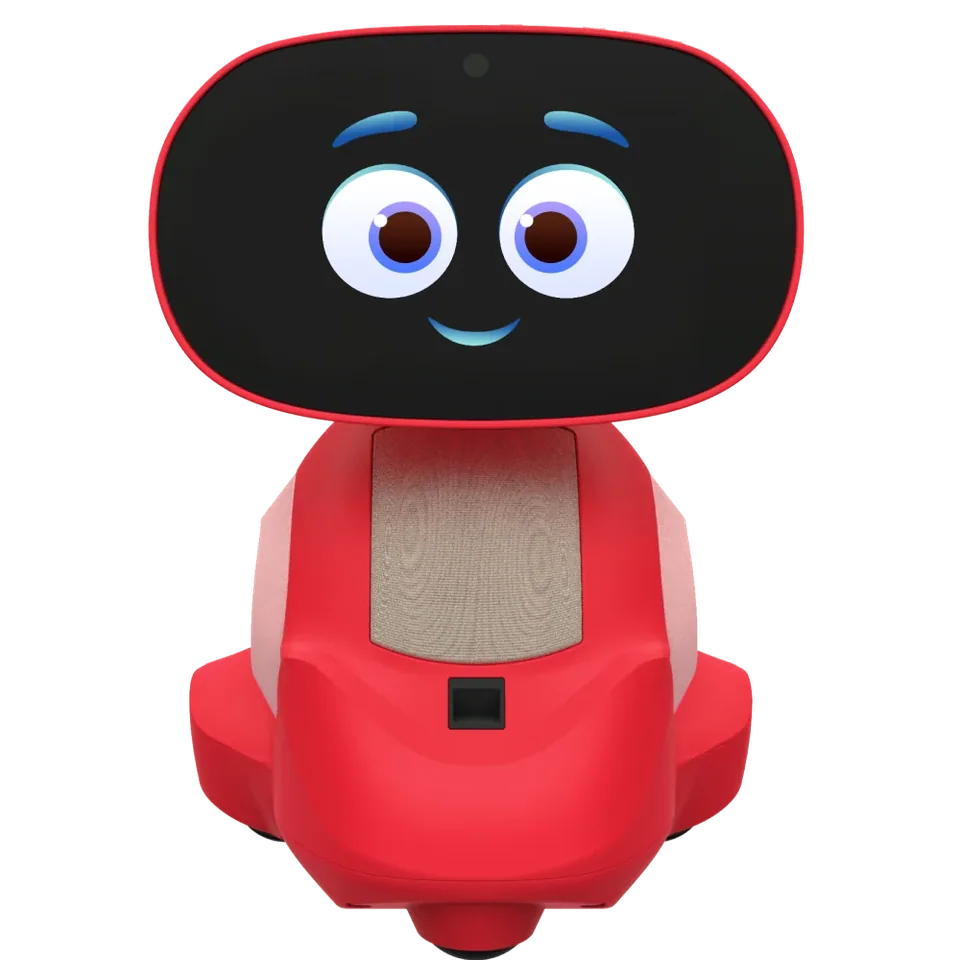 on sale
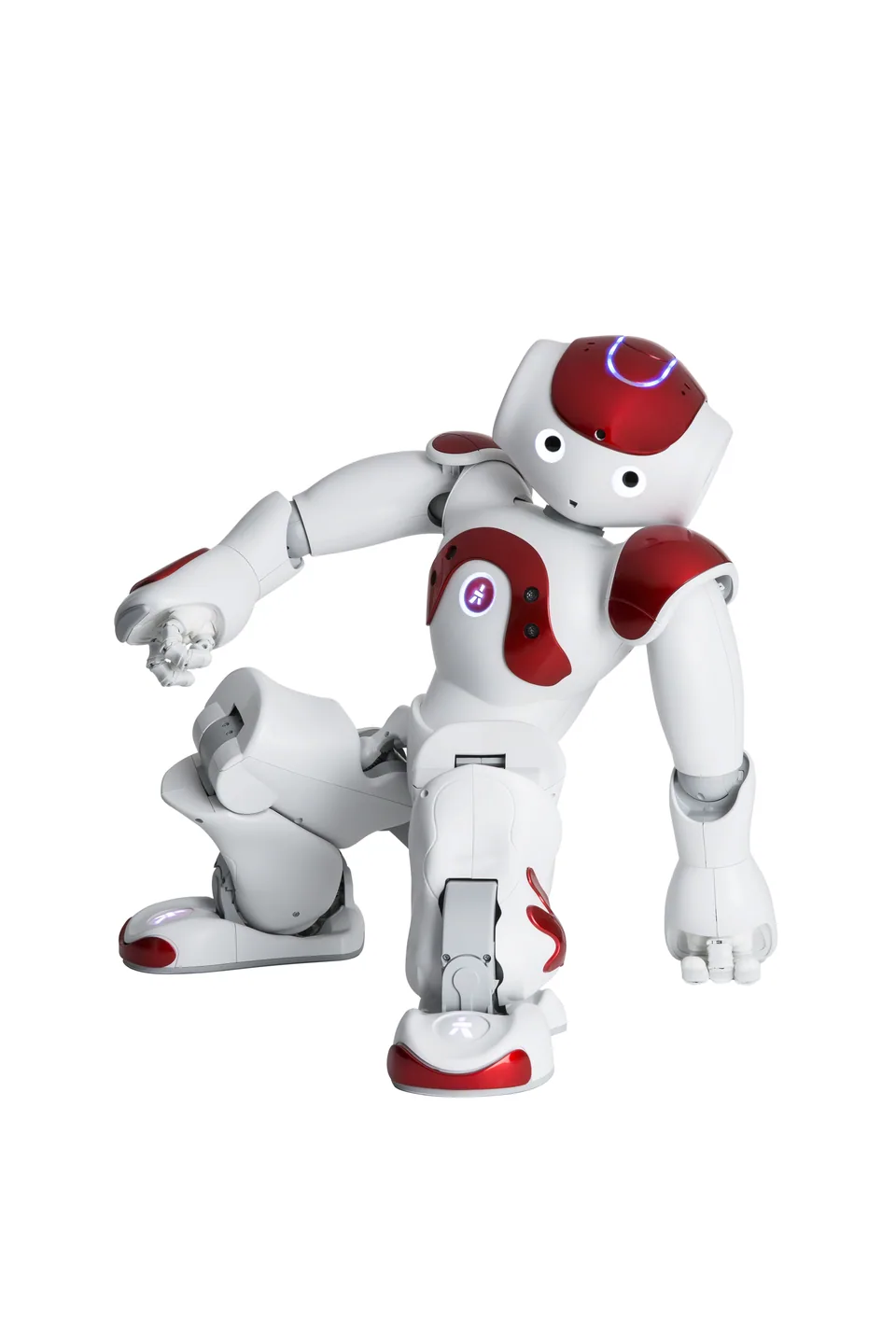 on sale
Aldebaran / SoftBank Robotics / United Robotics Group (now Maxtronics)
NAO
- 58 cmheight
- 5.4 kgweight
- —price
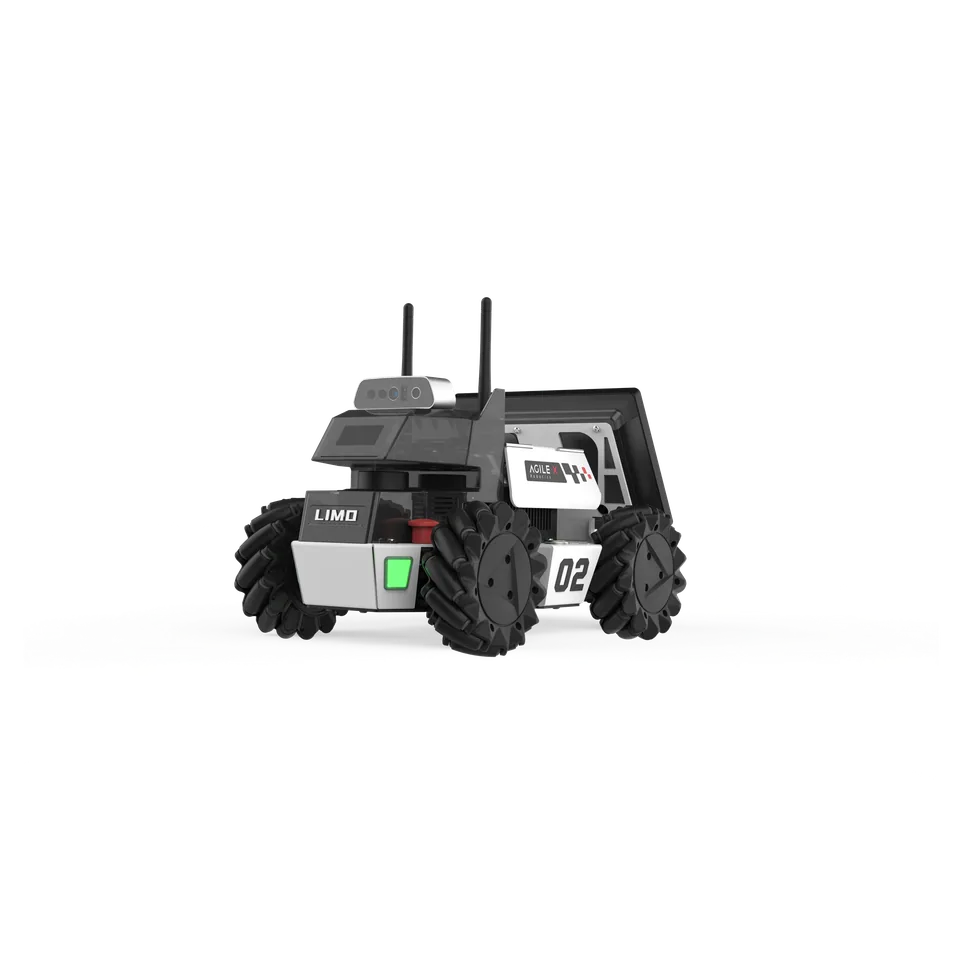 on sale
History
Kinova comes from Quebec, Canada; its roots lie in assistive robotics - the JACO arm. Out of that expertise grew the family of lightweight Gen3 arms, and the Gen3 Lite is its stripped-down, cheaper edition: six axes instead of seven and lower mass. The exact launch date of the Gen3 Lite is not available - the latest manufacturer brochure found dates from 2024 - so we give no year. The brand's academic standing is strong, though we do not measure it by publication counts. The company profile is on the page Kinova Robotics.
Sources
Frequently asked questions
Is the Kinova Gen3 Lite available in Poland?
No. The manufacturer Kinova Robotics (Canada) names no Polish shop or official distributor for the Kinova Gen3 Lite; enquiries go through the manufacturer's website (kinovarobotics.com). Confirm service in Poland before buying.
How does the Gen3 Lite differ from the Gen3?
It has 6 axes instead of 7 and is a cheaper, simplified version for educational use and light manipulation.
What is the price of the Gen3 Lite?
The manufacturer gives no price; the model is described only as a cheaper option than the Gen3.
Who is the Gen3 Lite for?
For universities and research centers looking for a low-cost entry into the Kinova arm ecosystem.
Author, source and licence of the photo are given in the caption. Shop links may become affiliate links in future, details: How we make money · How we check