on sale
Doosan Robotics Inc.Cobots
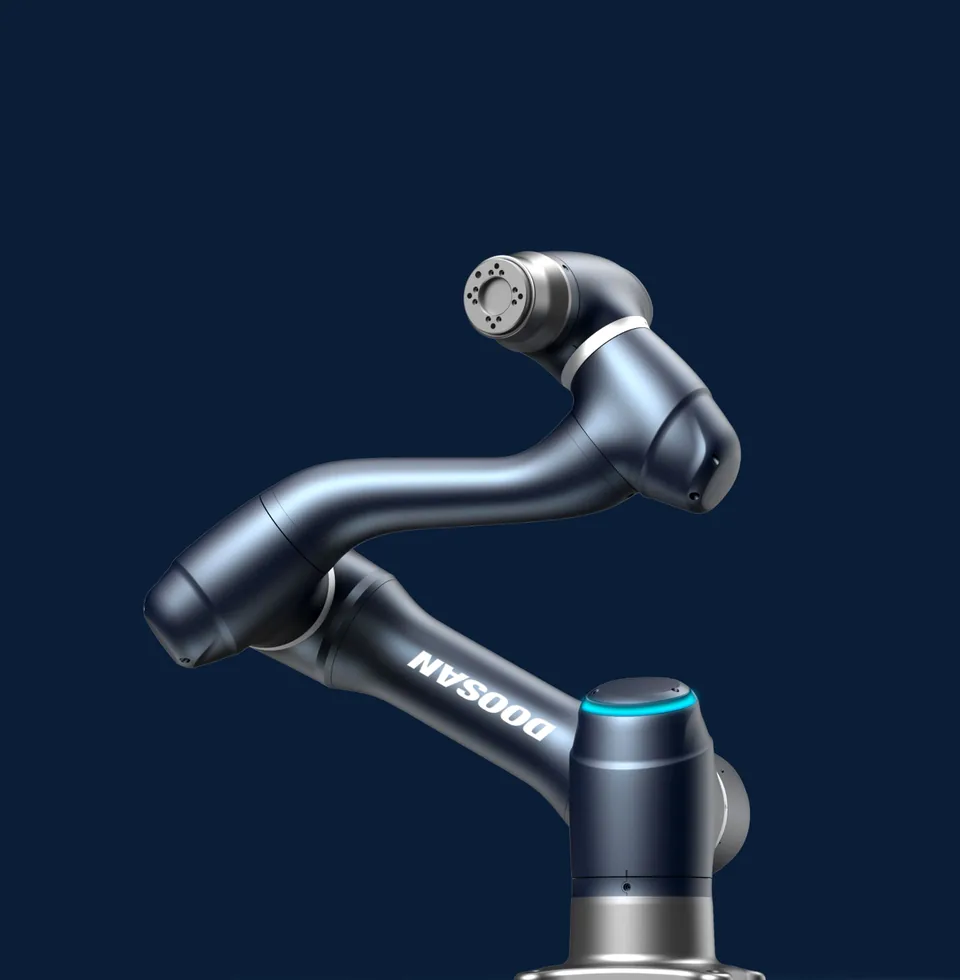
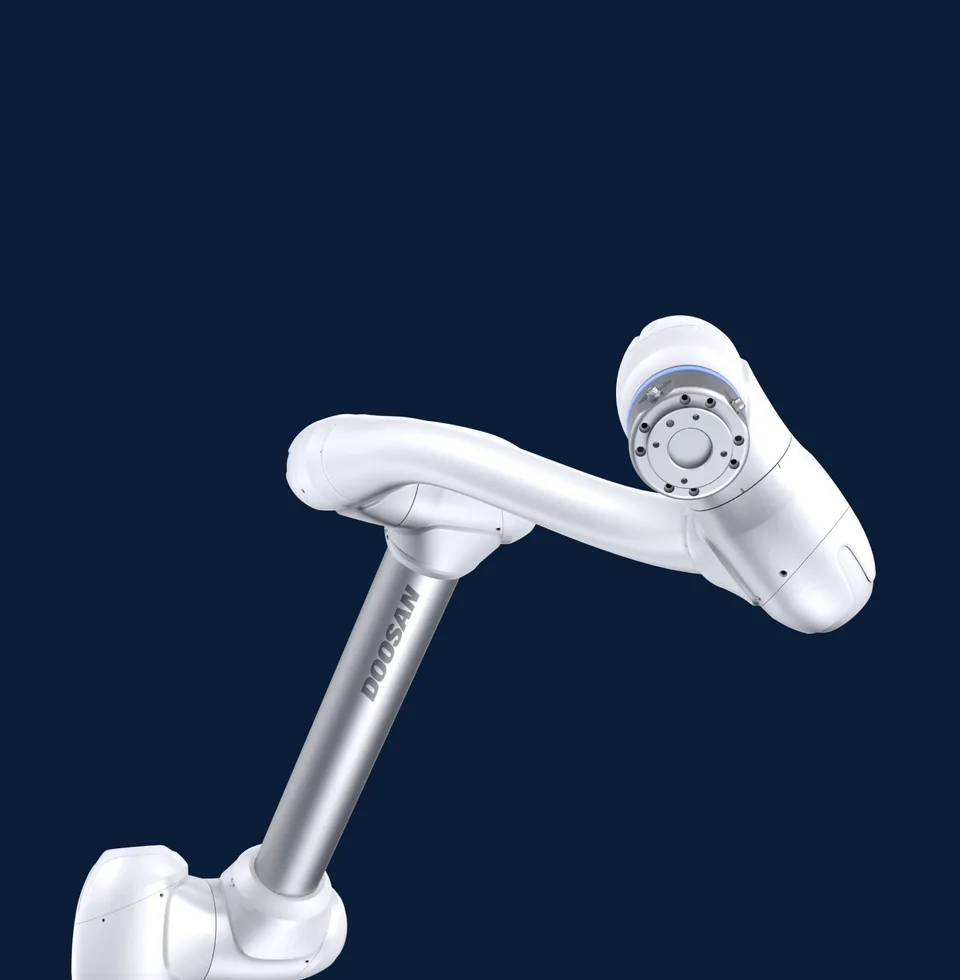
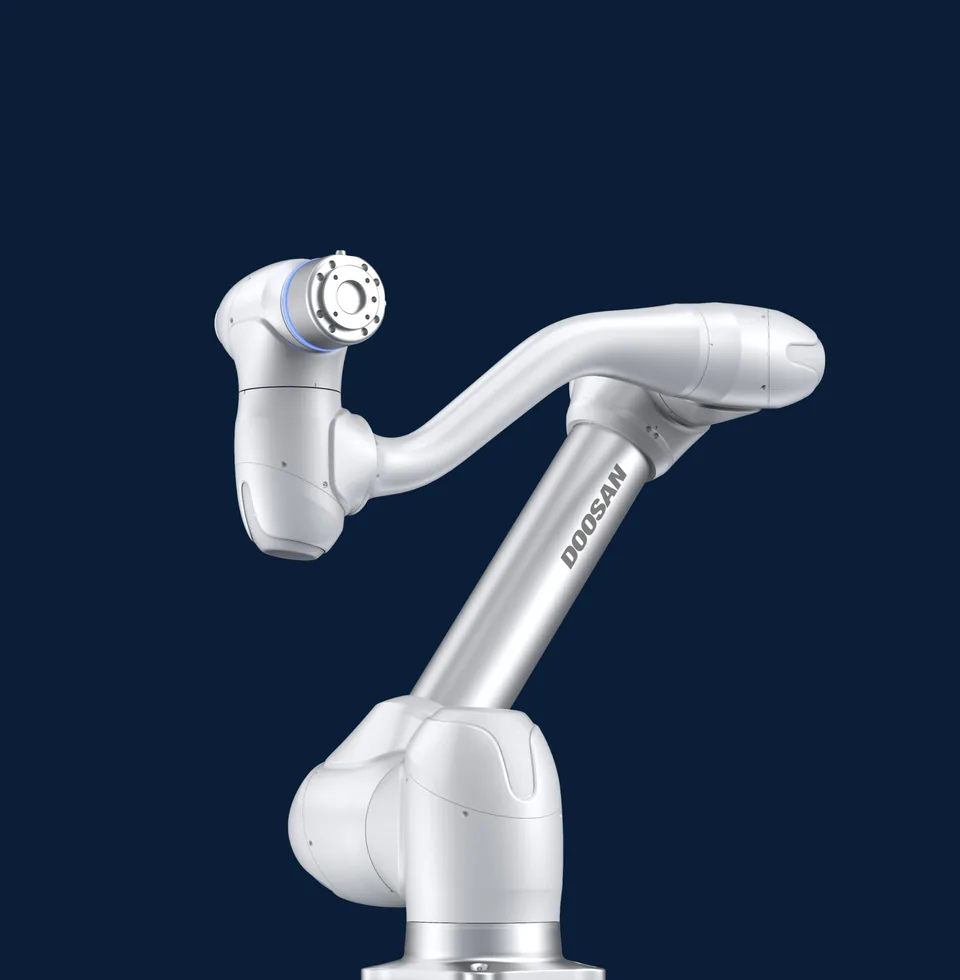
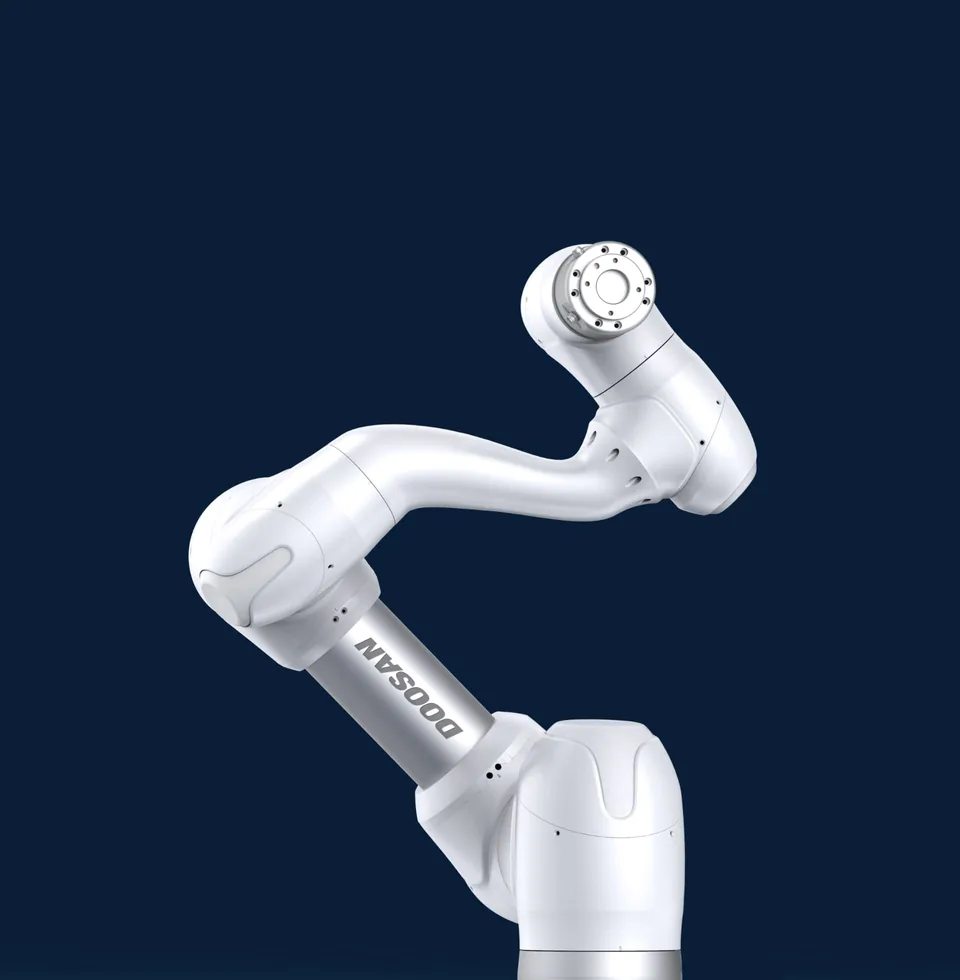
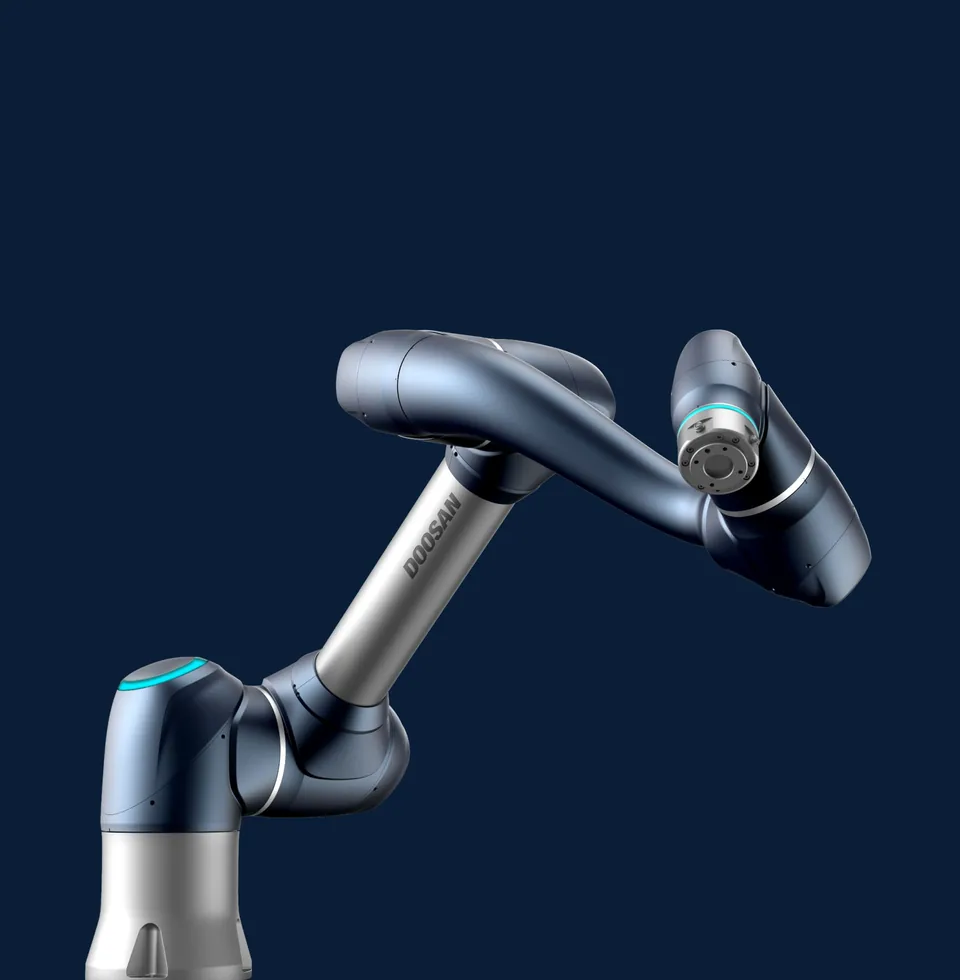
Doosan A0509
- 5 kgpayload
- 6 DOFdegrees of freedom
- —price
Manufacturer
Korea's Doosan Robotics (KOSPI): five cobot series up to 30 kg, distributed in Poland by TT-CS since 2022.
Korea's Doosan Robotics, based in Suwon, is a subsidiary of Doosan Group founded in 2015. It made its debut on the KOSPI exchange in 2023 (ticker 454910), which makes it one of the few cobot makers with confirmed public-company status.
The range covers five series: A (light, versatile), E (food industry), M (general purpose), H (heavy, 20 to 25 kg) and P (palletizing, up to 30 kg), giving it one of the widest payload ranges on the cobot market.
In Poland, Transition Technologies-Control Solutions has been the exclusive distributor since 2022, operating under the coboty-doosan.pl brand; it is a rare case of a confirmed, organized commercial presence of an Asian cobot maker in the country. Compared with Denso or Dobot, Doosan stands out for the widest payload range within a single product family.
For Polish integrators this means direct service support without having to import from outside Europe.
Doosan Robotics was established on July 31, 2015 as a subsidiary of Doosan Group, headquartered in Suwon in Gyeonggi Province. From the start the goal was cobots, that is, collaborative robots that work beside people without fencing. Serial production began in 2018, and the arm's design won two Red Dot awards: in 2017 in the Interface & User Experience category and in 2018 for Product Design. In October 2023 Doosan Robotics debuted on the KOSPI exchange (ticker 454910), making it one of the few publicly listed companies in the industry. In July 2025 the company acquired ONExia, a US automation firm from Pennsylvania, which shows its direction: from selling bare arms to complete solutions. According to figures cited in industry analyses, Doosan holds about 72% of the global market for cobots with a payload of 20 kg and up; in 2022 it was the fifth-largest cobot maker in the world by market share, and it is also the market leader in South Korea. The product family is divided into five series labeled A, E, M, H and P, and the model number encodes payload and reach. What matters for a Polish reader is that this is a manufacturer that has built an organized distribution channel in Poland, rather than merely sending samples to trade fairs. That is a rare trait among Asian robot makers.
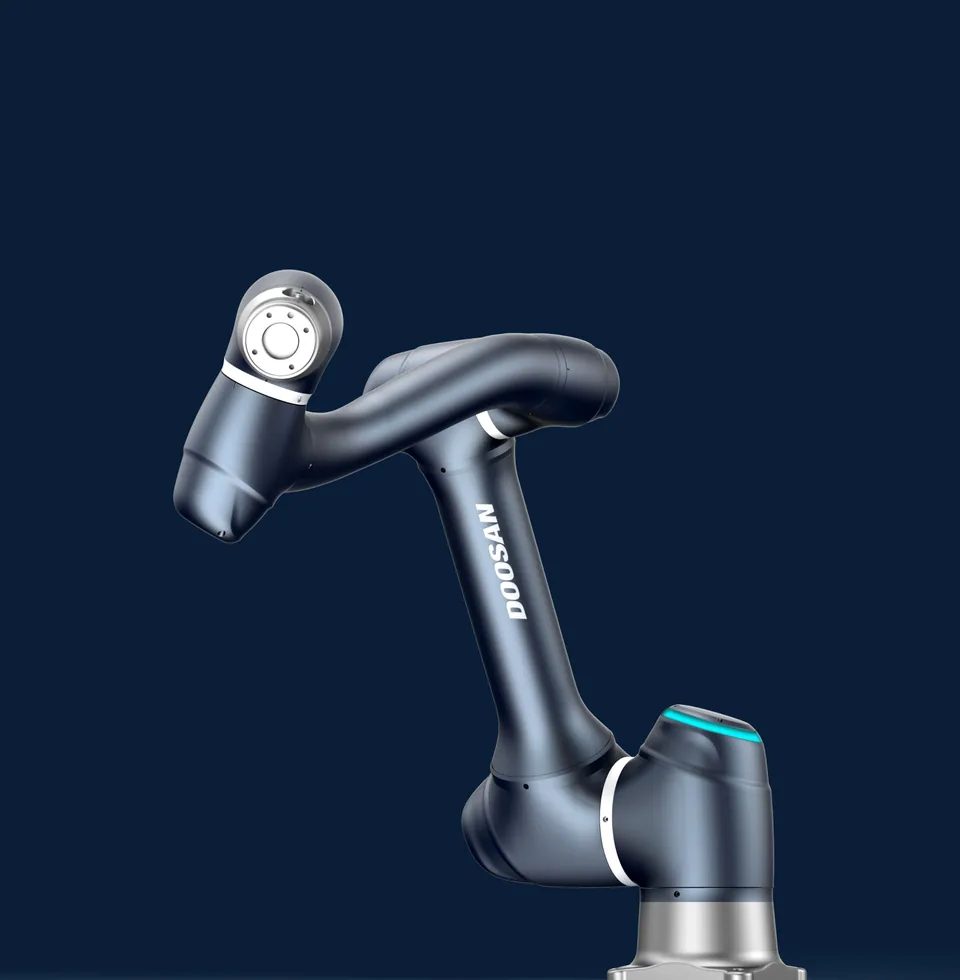
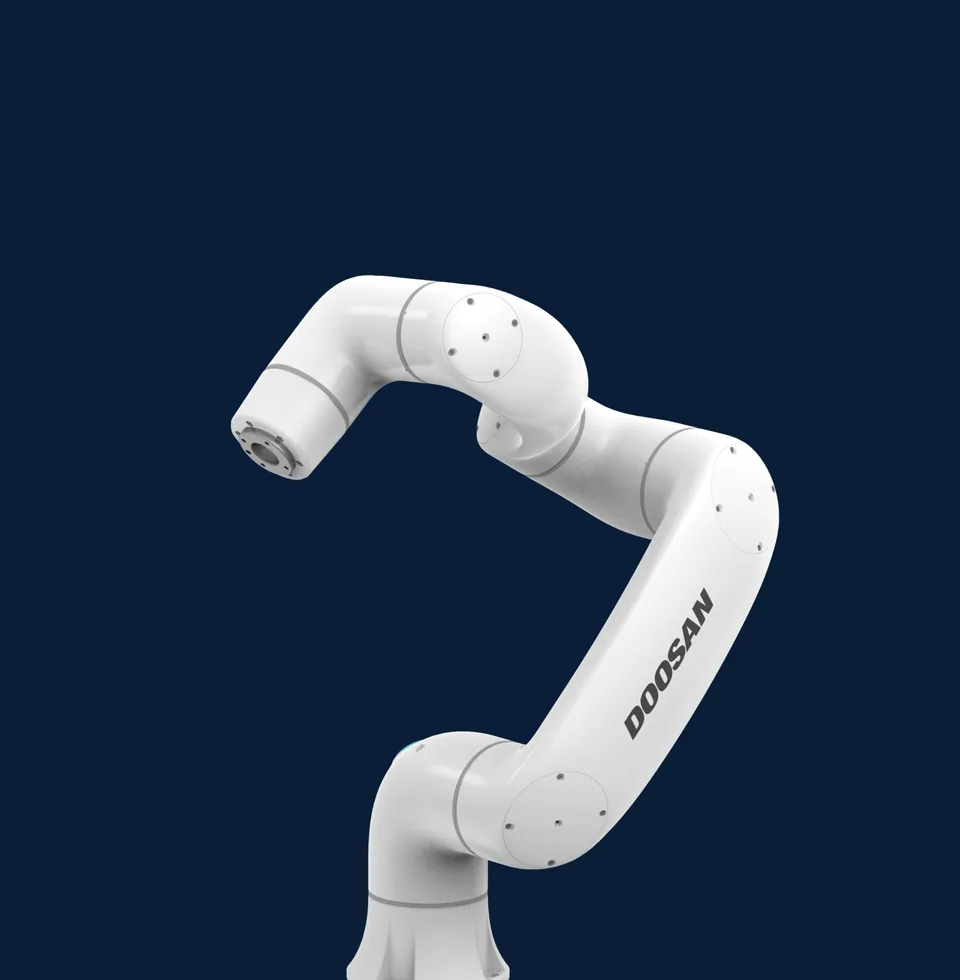
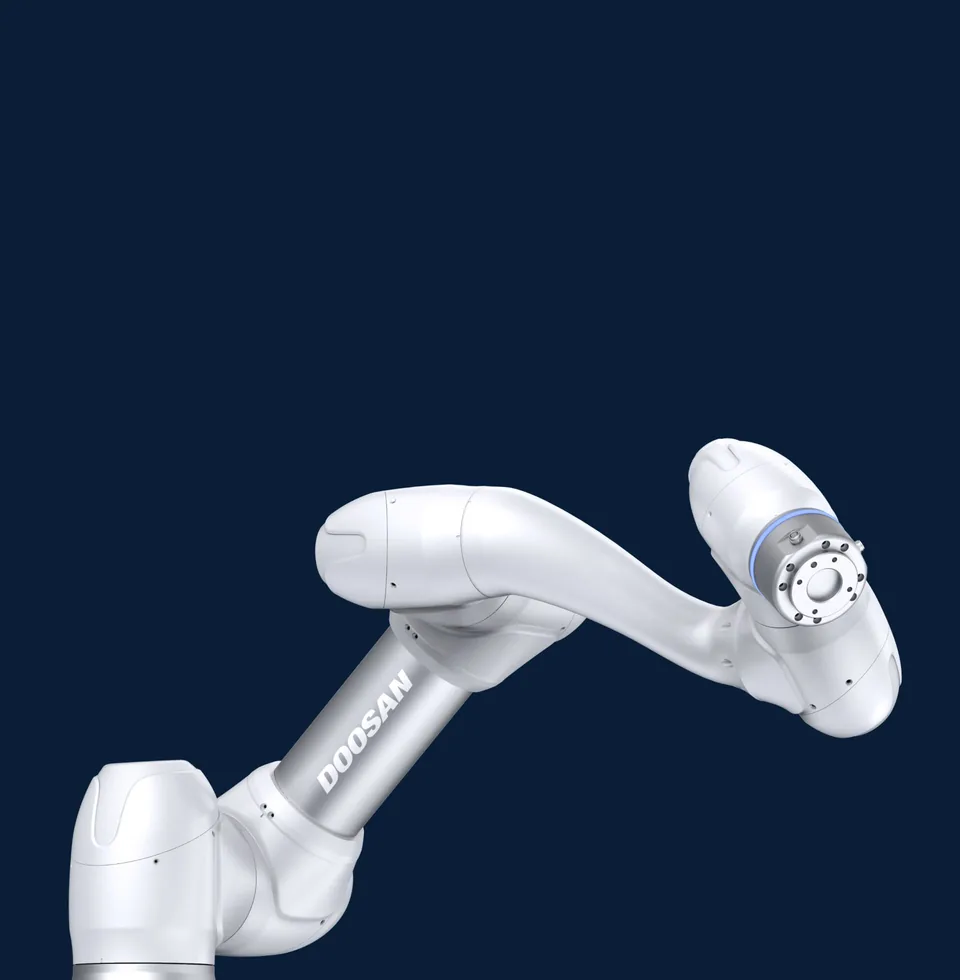
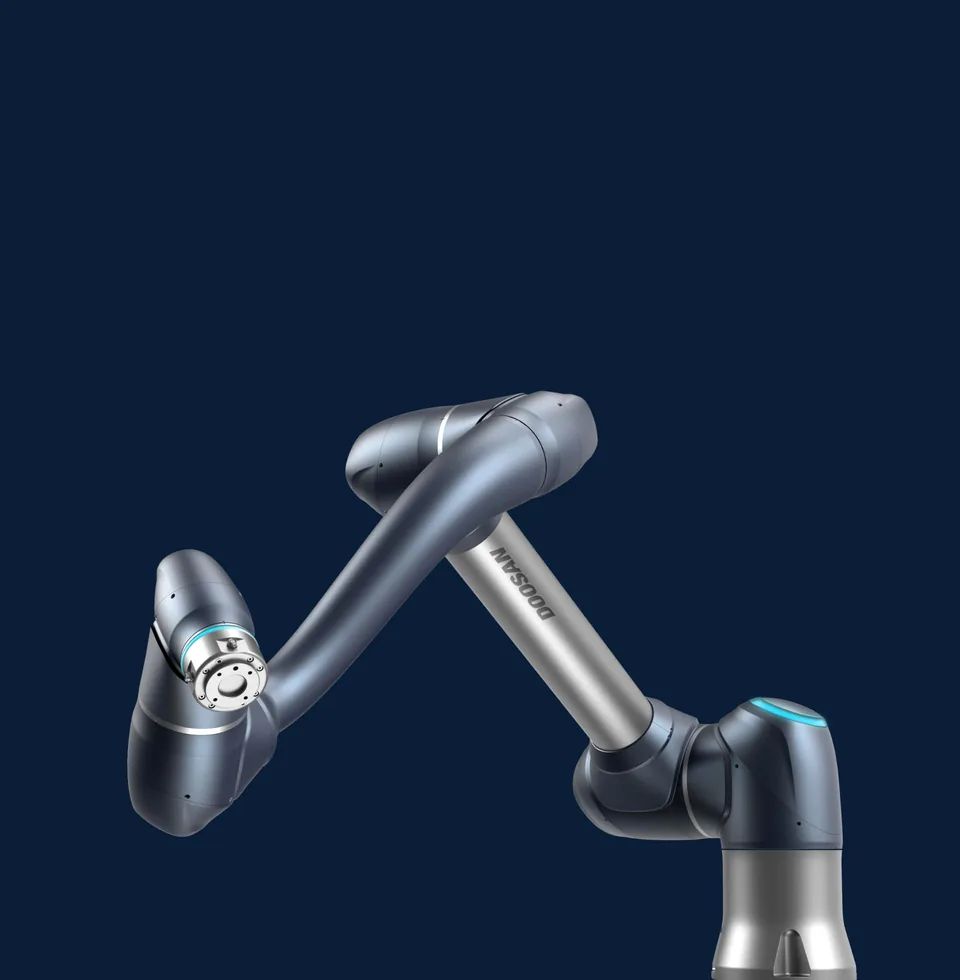
Six axes, torque sensors in every joint and five series: that is Doosan's offer in brief. The A (Agile) series consists of compact arms for light assembly: Doosan A0509 with a 5 kg payload and 900 mm reach, and Doosan A0912, the largest in the series (9 kg, 1,200 mm). The E series serves the food industry; Doosan E0509 has a hygienic design. The heart of the range is the general-purpose M series: Doosan M0609 (6 kg, 900 mm), Doosan M0617 (6 kg, but with a full 1,700 mm reach), the best-selling Doosan M1013 (10 kg, 1,300 mm) and the most powerful in the family, Doosan M1509 (15 kg). Above them work the heavyweights: Doosan H2017 (20 kg) and Doosan H2515 (25 kg) for machine tending and palletizing, and at the top Doosan P3020, with 30 kg and 2,030 mm of reach, designed for stacking goods on pallets. Prices are not public: for every model, distributors refer you to an individual quote. For broader background, see cobots and “Doosan Robotics: Cobots from the Korean Maker in Poland”. In practice, the choice starts with the task: light assembly points to the A or M series, palletizing to H and P. Keep in mind that, according to our sources, the P series reaches 30 kg, although older publications give 25 kg.
Doosan stands out from the competition through the span of payloads within one family: from 5 to 30 kg. Its direct rivals are Universal Robots, long the leader in the light-cobot segment, and FANUC with its CRX series. Among Asian makers, JAKA Robotics, AUBO Robotics and DENSO Robotics operate in a similar segment. As a listed company, Doosan has greater financial transparency than most private start-ups; the capital from its 2023 debut and the 2025 ONExia acquisition point to expansion toward integration. A strong card is the torque sensors in all six joints, which make precise force-sensitive tasks easier. The weaker side is the brand: in the eyes of a Polish engineer, Universal Robots still has more references and a larger base of integrators. The key text for judging this is “Cobot or Industrial Robot”. A note on the data: the market shares cited above come from external analyses, not from our own measurements, and refer to the heavy-cobot segment rather than the whole market. Price is not an argument here, because it is not public.
Doosan has an organized, confirmed commercial presence in Poland. The distributor is Transition Technologies-Control Solutions, which runs the coboty-doosan.pl site; sources differ on when the partnership began, giving either 2021 or 2022. Our article also names Dematec Polska of Niepolomice, which offers the A, E, H, M and P series together with integration. Individual models are sold without a price list: the price is always set individually. We have no named deployments or universities to cite. Buying guide: “How to Buy a Cobot Step by Step”. A practical tip: for a palletizing project, ask for a quote for the whole cell, with gripper and safety equipment, not just the arm.
Doosan is a sensible choice if you need a cobot with a higher payload and want a local distributor who will answer in Polish. If you are planning a purchase, ask for a quote that includes integration and compare it with the UR offer. Without a public price list we can only assess the specifications, not the cost-effectiveness. Who it is for: integrators and plants with tasks ranging from a few to a few dozen kilograms who want to stay with one robot family.
Doosan Robotics Inc.
Doosan Robotics Inc.Cobots
Doosan Robotics Inc.Cobots
Doosan Robotics Inc.Cobots
Doosan Robotics Inc.Cobots
Doosan Robotics Inc.Cobots
Doosan Robotics Inc.Cobots
Doosan Robotics Inc.Cobots
Doosan Robotics Inc.Cobots
Doosan Robotics Inc.Cobots
Doosan Robotics Inc.Cobots