on sale
Manufacturer
AUBO Robotics: Chinese i-Series cobots (3–20 kg) with a US subsidiary, a cheaper alternative to Universal Robots.
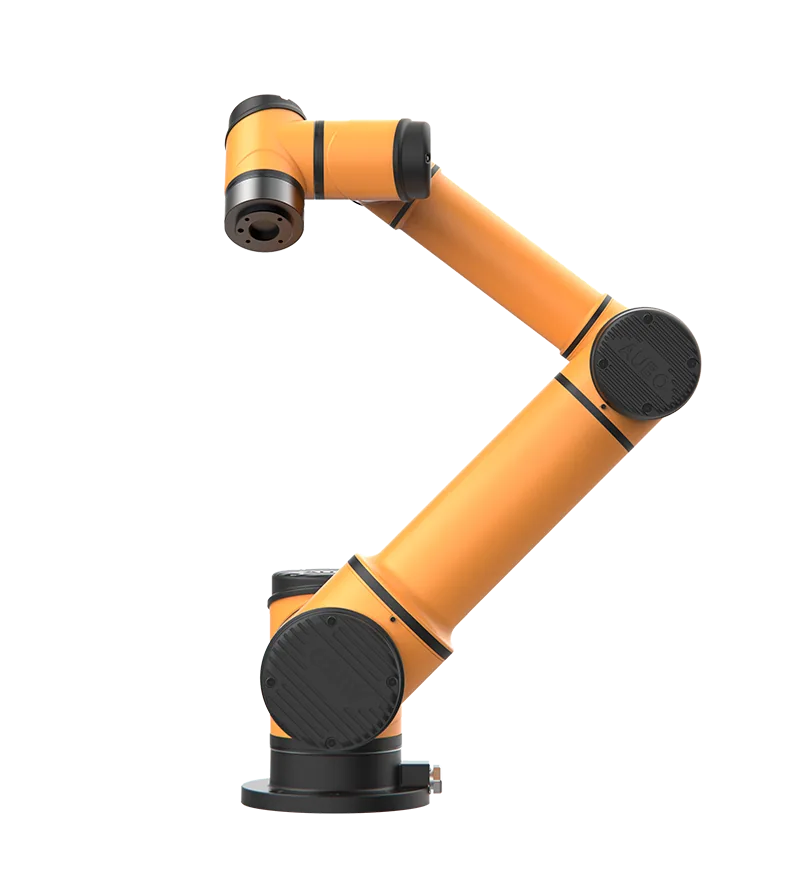
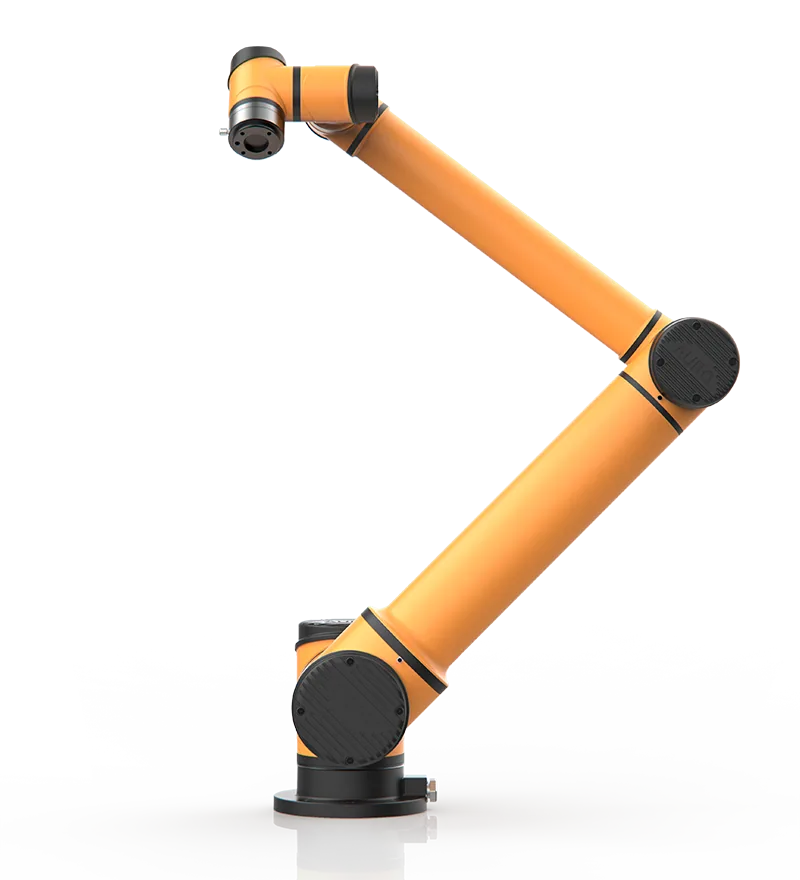
AUBO Robotics originates in China but also runs a subsidiary, AUBO Robotics USA, serving the North American market in welding, palletizing and material handling. Its flagship i-Series (AUBO i5, i10, i16) covers payloads from 3 to 20 kg and is positioned as a cheaper alternative to Universal Robots cobots, with SDK/API programming and broad accessory compatibility as selling points.
Unlike UR or Doosan, AUBO discloses neither funding, headcount nor revenue, which makes it hard to judge the company's stability. Its founding year is unknown. A commercial presence in Poland is not confirmed. For integrators looking for a budget cobot for simple industrial tasks, AUBO may be an option worth checking, but without local service support the logistical risk grows.
AUBO Robotics' founding year does not appear in the sources this catalog relies on, so we do not state it. What is known is that the company originates in China and also runs a subsidiary, AUBO Robotics USA, serving the North American market in welding, palletizing and material handling. That two-track setup reflects its strategy: manufacture in Asia, sell wherever demand for cobots exists, and compete on price with established brands. The flagship i-Series includes the AUBO i5, i10 and i16, with payloads from 3 to 20 kg. SDK and API programming and broad accessory compatibility are the arguments the company stresses to integrators. Unlike giants such as Universal Robots or Doosan, AUBO discloses neither funding, headcount nor revenue, so it is hard to assess the company's stability. We also have no information on milestones or high-profile deployments. It is the typical image of a budget manufacturer: few fireworks, more of a practical offering. For an introduction to the topic, see “What Is a Cobot and How Does It Differ from an Industrial Robot”; for the category background, see cobots.
Our catalog describes two models from the i-series. AUBO i10 is a mid-range cobot with a 1,350 mm reach and a 10 kg payload; from the German distributor unchainedrobotics.de it costs about EUR 21,000 net. Its uses are welding, handling and palletizing. AUBO i16 is the heaviest model in the series: a 16 kg payload, sold in Europe by Unchained Robotics for about EUR 21,000 net, which converts to roughly PLN 91,920. It is intended for palletizing and heavier handling. That is a strong price argument, though without local service you have to add logistical risk. Anyone working out the real cost of such a deployment should read “How to Buy a Cobot Step by Step” and “How to Read a Robot Datasheet”. The environments where a cobot proves itself are the factory and the warehouse. Building a workstation often calls for grippers, for example from Robotiq or OnRobot. When choosing between the models, bear the payload difference in mind: 10 kg for the i10 is enough for most assembly and machine-tending tasks, while 16 kg allows palletizing heavier packaging. The distributor's prices cover the arm but not integration, so it is worth commissioning a cost estimate from a trusted integrator. We describe the whole purchasing cycle in “How to Buy a Cobot Step by Step”.
AUBO positions itself as a cheaper alternative to Universal Robots cobots. Its direct rivals are Doosan Robotics, Dobot, JAKA Robotics, Techman Robot and Elephant Robotics, all with a similar calculation: price versus features. Unlike UR or Doosan, AUBO discloses no funding, revenue or headcount, so we do not compare scale. All we know is that the company has a US subsidiary and that distribution in Europe runs, for example, through Unchained Robotics. For integrators looking for a budget cobot for simple tasks, it is an option worth checking. The criteria for comparing the class are explained in “Universal Robots UR5e, UR10e and UR20 Compared”. Without open data about the company, the risk assessment rests on the local distributor and its warranty rather than on the manufacturer's health, and that should go into the purchase risk analysis. Better-known brands with service in Poland are FANUC and KUKA, though they usually cost more. “How to Buy a Cobot Step by Step” helps you weigh costs and risks.
AUBO's commercial presence in Poland is not confirmed: we have no dealer and no deployments on the Vistula, and both models are listed without official distribution in the country. The EUR prices come from a German distributor and are net prices, so a Polish buyer adds VAT, transport and integration. Without local service support, the logistical risk grows. Before you decide, check who will provide service and compare with the brands present in Poland, described in “Doosan Robotics: Cobots from the Korean Maker in Poland” and “FANUC CRX: The Cobot Series with 8 Years of Zero Maintenance”. State support is described in “Poland's Robotization Tax Relief” (Poland's robotization tax relief, ulga na robotyzację). For a company in Poland, a practical step is to ask Unchained Robotics about delivery and service terms and compare them with the offers of local integrators.
AUBO is a budget cobot for companies that can look after integration and service themselves. The price of about EUR 21,000 net is tempting, but the lack of a local partner weakens the offer. For a Polish integrator it is an option to check thoroughly, not an off-the-shelf purchase. If the budget is firm and the team is experienced, AUBO can be a reasonable choice; if after-sales support matters, it is better to compare offers on the ground.
AUBO Robotics