discontinued
Aldebaran / SoftBank Robotics / United Robotics Group (now Maxtronics)Service robots
Pepper
- 0.83 m/sspeed
- 120 cmheight
- —price
Manufacturer
French NAO/Pepper brand after the SoftBank and Maxvision takeovers (now Maxtronics); Pepper was discontinued in 2021.
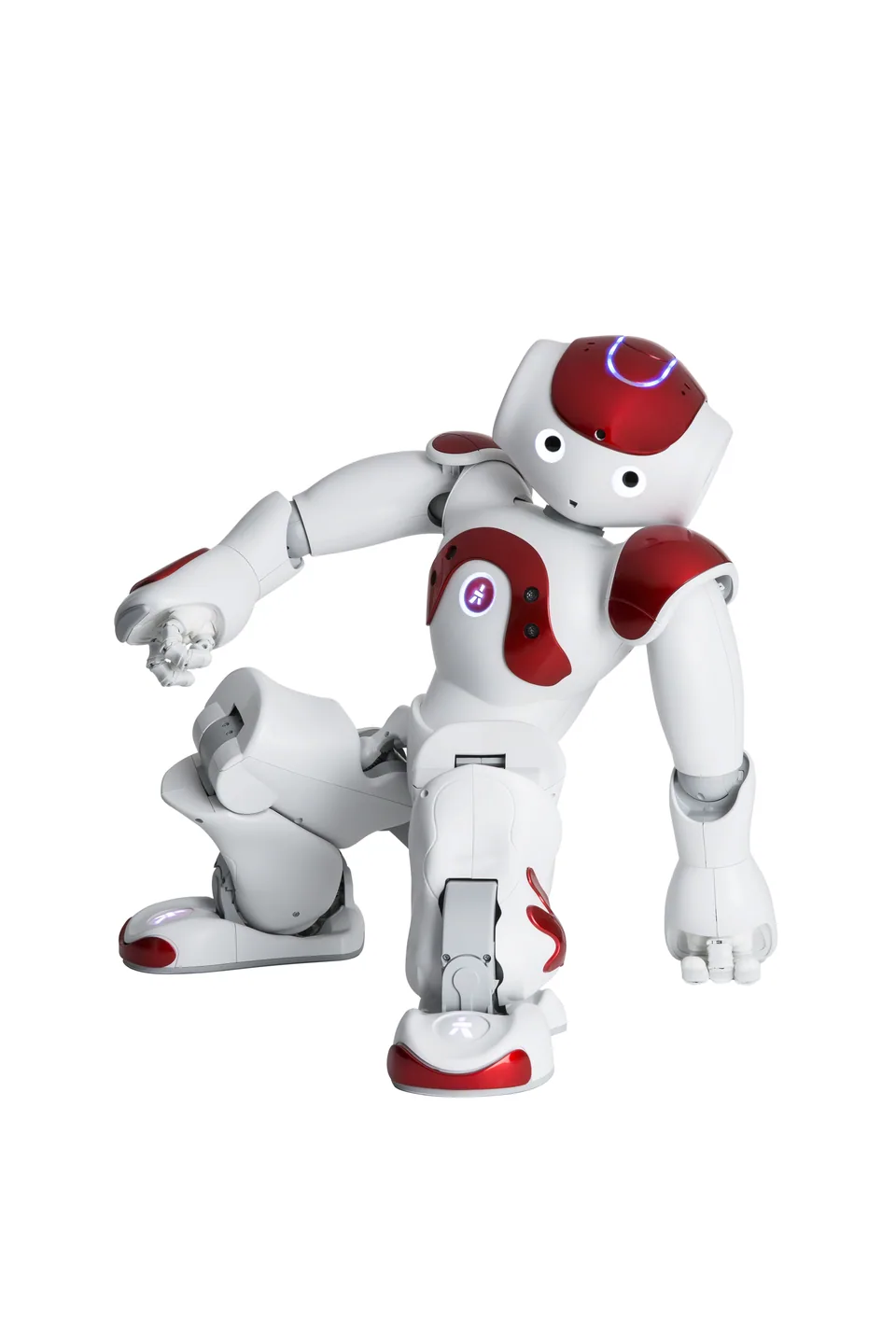
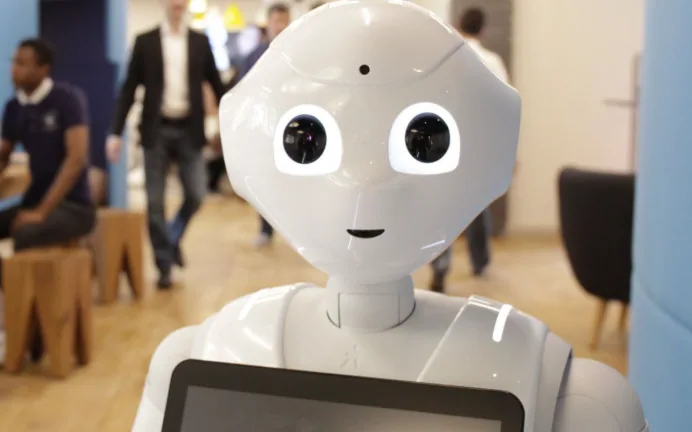
The story of this French brand is one of the most turbulent in the service-robot industry. Founded in Paris in 2005 as Aldebaran Robotics, it released the educational humanoid NAO in 2008 and was acquired by SoftBank in 2015, which added Pepper to the portfolio, a reception robot whose production was nonetheless halted in June 2021 after roughly 27,000 units.
The company then operated as United Robotics Group, and in June 2025 it entered court protection in France and was taken over by Maxvision Technologies, continuing under the Maxtronics brand. Two models are described here: NAO (still formally on sale, though unavailable in Poland) and the discontinued Pepper.
Next to newer educational humanoids such as the Unitree R1, NAO is now technically dated, but it holds an established position in education and research.
The history of this French brand is among the most turbulent in the service-robot industry. Aldebaran Robotics was founded in Paris in 2005, and in March 2008 the company released NAO, an educational humanoid that soon found its way into labs and schools around the world. In January 2012 Pepper was shown, a reception robot on wheels, and sales began in June 2015. In 2015 SoftBank acquired the company and made it the SoftBank Robotics brand. It later operated as United Robotics Group. Pepper was meant to be the face of service robotics in shops and banks, but its production was halted in June 2021 after around 27,000 units had been built. The company changed hands once more: in June 2025 it entered court protection in France and was taken over by Maxvision Technologies, and today it operates under the Maxtronics brand. Several name changes within a single lifetime say a lot about how hard the companion-robot market is. The story of NAO and Pepper is a lesson for the whole industry: the wow effect alone is no substitute for a business model. The background of this sector is described in “Service Robots in Restaurants and Hotels”, and the related brand SoftBank Robotics is worth viewing separately.
We describe two models. NAO is a long-serving educational robot: 58 cm tall, 25 DOF, sold in around 20,000 units, still formally on sale. It goes to schools, universities and research. Its future is uncertain after Aldebaran's insolvency, so anyone buying it today has to accept the risk around support. Pepper is a reception robot withdrawn from production: 120 cm, 28 kg, built in around 27,000 units. It worked at reception desks and in customer service and retail. It is no longer available in Poland. Anyone looking for a modern replacement for Pepper should browse the service robots category, and for schools and universities we have the roundup “Educational Robots for Schools and Universities” and the category “Educational robots”. Deployment settings: schools, universities, hotels and retail. Keep in mind that the two robots belong to different eras: NAO from 2008 is a veteran of education, while Pepper from 2014 was a commercial experiment that did not survive in the market. Anyone comparing them with the new humanoids will see how much expectations for movement, grasping and artificial intelligence have changed. Modern designs with language models are covered in “VLA Models: How AI Controls Humanoid Robots in 2026”, and for comparison we also show the ROBOTIS OP3, an open research and education humanoid sold since 2018.
Today the brand's position is entirely different from a decade ago. There is no public data on funding, valuation or headcount, and the owner is China's Maxvision Technologies. Against newer educational humanoids, for example the Unitree R1, NAO comes across as technically dated, but with an established position in education and research. Present-day rivals in the service segment are Pudu Robotics and Keenon Robotics with restaurant robots, and in education ROBOTIS with its OP3 platform and LEGO Education. Related entries: Aldebaran Robotics describes the company's earlier phase, and United Robotics Group (parent company of Aldebaran/Kuka Robotics Consumer) the interim period. The brand sold an impressive number of robots but could not keep the pace; as a reference point for local players, see “Polish Robotics Companies”. It also has to be said honestly that after the court restructuring we do not know the new owner's plans for NAO, so there is no basis for assuming the line will be developed. A buyer should assume they are buying the product as it stands.
In Poland, NAO is available through the deltarobots.com shop, which is named as a Polish seller. This is the only confirmed channel; we do not know of an official distributor for the manufacturer after the change of ownership, nor of any Polish Pepper deployments. Pepper is no longer available. An educational institution considering NAO should ask the seller about warranty, service and software updates, because the manufacturer's future is uncertain. Alternatives, including open platforms with a Polish supplier, are covered in “How to Start Learning Robotics in Poland”. Anyone looking for Polish support should count on their own resources or on other education suppliers. Before buying, ask the seller for a written warranty and information on parts availability.
NAO has many years of education behind it and around 20,000 units sold, but today it should be bought with eyes wide open. Pepper is history now. For schools with the budget and the patience, NAO still works; for everyone else, a newer robot with reliable support is the better choice. A practical tip: before you buy, ask about service for the coming years, because the purchase price is only the start of the costs. Pepper remains a historical curiosity.
Aldebaran / SoftBank Robotics / United Robotics Group (now Maxtronics)