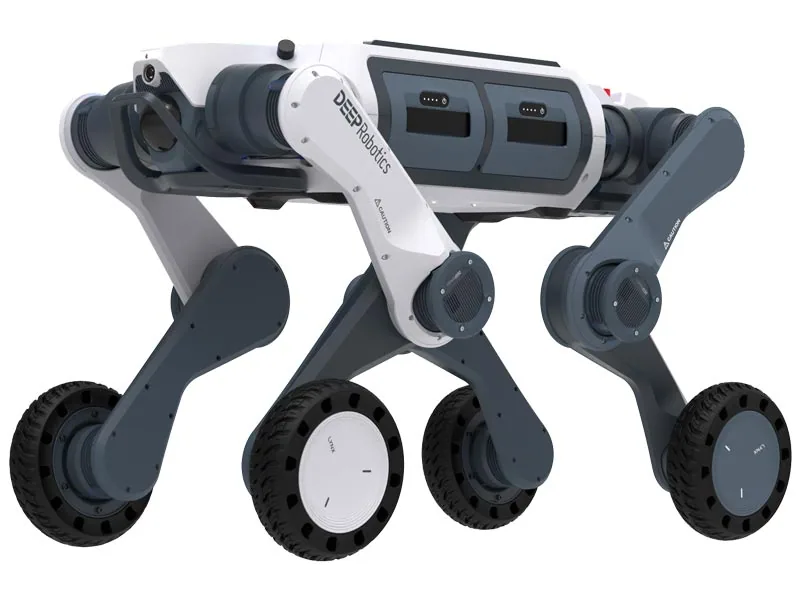
on sale
DEEP Robotics (Hangzhou Deep Robotics)
DEEP Robotics Lynx / Lynx M20 Pro
- 35 kgweight
- 5 m/sspeed
- 69,800*price (PLN)
Price in Poland
Price from an aggregator: approx. 11,200 PLN* (≈ EUR 2,570) (converted from 2,890 USD, NBP rate 3.8762, as of 1 October 2026). In Polish shops this model costs more.
We mark shop links as sponsored (rel=sponsored); today we receive no commission. How we make money
Available in PolandThe robot has 12 degrees of freedom, an optional LiDAR and a ready-to-run ROS2 stack with an open SDK, which makes it a convenient tool for laboratories and universities that want to deploy their own control algorithms quickly. Battery life is about 2 hours.
The manufacturer offers four variants: Basic, Venture, Pro and LiDAR, with a starting price of about USD 2,890 (about PLN 11,202 (≈ EUR 2,570) at the rate of 3.8762 from 1.10.2026) for the base configuration, rising to about USD 5,400 for the extended versions.
Compared with competing educational platforms such as the Unitree Go2 or the Boston Dynamics Spot (far more expensive and industrial), the Lite3 sits in the affordable segment, at the cost of a smaller payload and shorter battery life than the same company's industrial models such as the X30.
Its strengths are a low barrier to entry into legged robotics and open programming; its weaknesses are limited battery endurance and payload, which rule out industrial use. The model is not currently offered by distributors in Poland.
Data checked: · Sources: 3
Data from manufacturer datasheets and product pages; median over the models of this category in the database.
Entry price for the base configuration is about USD 2,890, higher for the Venture/Pro/LiDAR versions, up to about USD 5,400.
The entry price of the base configuration is about USD 2,890, or about PLN 11,202 (≈ EUR 2,570) at the rate of 3.8762 from 1.10.2026. The extended versions (Venture, Pro, LiDAR) cost up to about USD 5,400, or about PLN 20,900 (≈ EUR 4,790). A curiosity from the Polish market: the shop deltarobots.com listed the Lite3 at PLN 20,900 (≈ EUR 4,790) (data from 28.09.2026), close to the upper end of the range for extended versions. Margin, shipping and taxes come on top. Before you order, compare the Polish seller's offer with a foreign one and check which configuration it covers. Running costs: electricity is negligible; the real cost is the time spent learning the software. A battery lasting about 2 hours is worth complementing with a second pack, roughly a few hundred zlotys. Training: a few hours for a team that knows ROS2, a few weeks of independent work for beginners. This is an estimate, not a manufacturer figure.
| Date | Price (PLN) | Variant | Source |
|---|---|---|---|
| 2026-09-28 | 19,900 PLN (≈ EUR 4,560) | — | shop.deltarobots.com |
The Lite3 is a small quadruped (40.6 cm tall and 12 kg) with 12 degrees of freedom, a ready ROS2 stack and an open SDK, on which you can test code right away without building a platform from scratch. The manufacturer offers four variants: Basic, Venture, Pro and LiDAR. Battery life is about 2 hours and the payload is 5 kg, so the robot can carry a camera or a sensor, but not cargo. The optional LiDAR opens up mapping and navigation, one of the most common thesis topics. Universities and laboratories: learning control, reinforcement learning and testing your own controllers, without the risk of damaging an expensive machine worth several hundred thousand zlotys, because the Lite3 costs a fraction of that. Technical schools: demonstrations and robotics clubs, where a quadruped draws more attention than yet another arm on a stand. Shows and events: a simple demo robot for a stand when you want to get visitors interested in technology. The limitations are visible in the parameters themselves: the short battery and small payload rule out industrial use. For inspection in a mine or a power plant you need a sealed and stronger design, such as the same company's DEEP Robotics X30. We write more about robots for universities in “Educational Robots for Schools and Universities”, and you will find applications in universities, schools and laboratories.
A good fit: laboratories, robotics departments and technical schools that want to introduce students to legged robotics and need an open ROS2 environment. Research teams that test their own algorithms and want several units for the price of one industrial robot. Creators of demonstrations and shows.
Who it does not suit: companies looking for a robot to do real work. A 5 kg payload and about 2 hours on the battery are too little for inspection, and we found no declared ingress protection rating, so be careful in the field. Also do not buy it just for the effect if nobody on the team can work with ROS2, because without that the robot will just stand there.
If you are unsure, compare it with the Unitree Go2: the latter has a larger payload and a wider set of sensors as standard, and can be even cheaper. The Lite3 holds its own on programming openness and smaller dimensions.
We know of no Lite3 deployments at specific customers. Its applications are research, education and demonstrations, areas where customer lists are rarely published. No confirmed deployments in Poland, although the robot is offered by the shop deltarobots.com, so it can be bought. In the category of educational quadrupeds in the country, mainly Unitree models appear, described for example in the review “Unitree Go2 Review: Prices and the Air, Pro, X and EDU Versions”. If you are planning a purchase for a university, look for other ROS2 users in your own department and ask about their experience.
Alternatives among budget quadrupeds differ in payload, equipment and price.
Unitree Go2: payload 8 kg versus 5 kg, a 4D LiDAR and HD camera as standard, priced from about USD 1,600. It is the most common alternative if the budget is tight.
Unitree A2: payload 25 kg and five hours of operation, but a price of around PLN 387,620 (≈ EUR 88,820). It comes into play when you move from education to more serious testing.
Xiaomi CyberDog 2: weighs 8.9 kg and costs about PLN 6,977 (≈ EUR 1,600); a proposition for enthusiasts and schools, with lesser research ambitions.
MAB Robotics Honey Badger 4.0: a design from the Poznań company MAB Robotics with a payload of 4 kg and a weight of 12 kg, sold directly in Poland, so with local support. If the budget is fixed, start with the Go2 and only then consider more expensive models. General guidance is in “Educational Robots for Schools and Universities”.
DEEP Robotics (Hangzhou Deep Robotics)
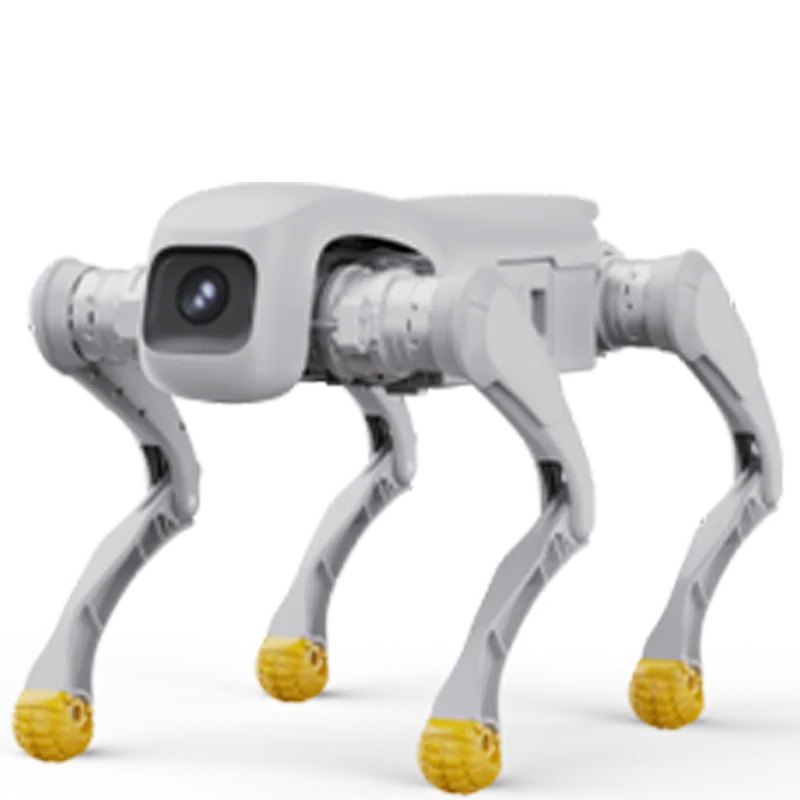
Unitree Robotics
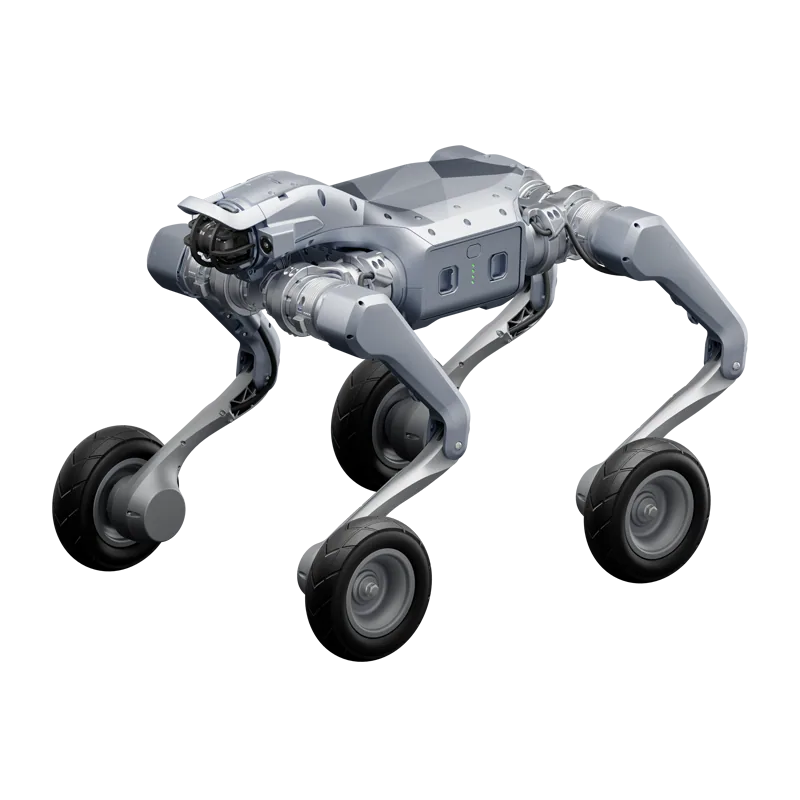
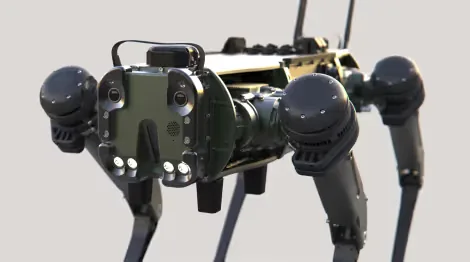
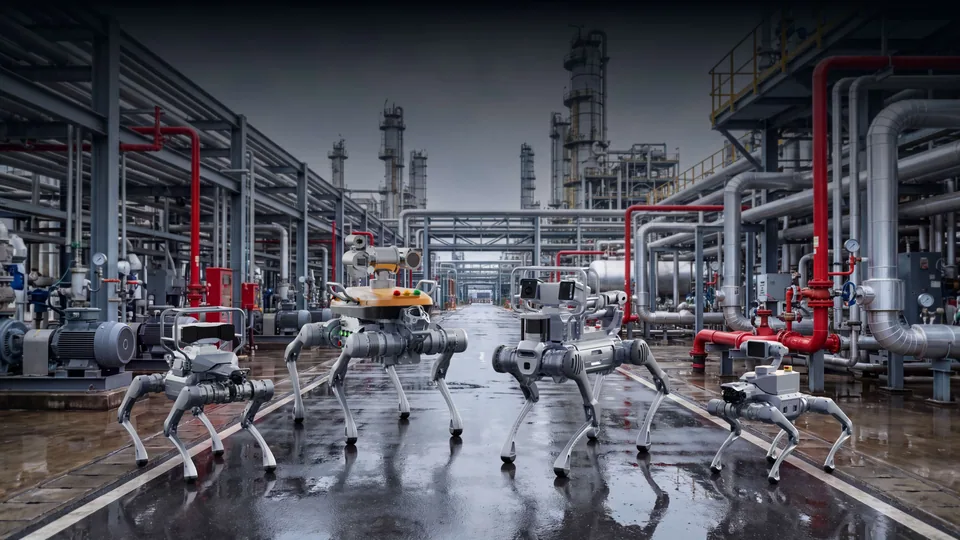
DEEP Robotics is a Chinese company from Hangzhou, founded in 2017, specializing in quadruped inspection robots for difficult terrain. Its lineup includes the Lite3, X20, X30 and Lynx, with the Lite3 serving as the cheapest and most educational platform.
We have no confirmed launch date for the Lite3, so we do not guess one. What is known is that the model comes in four variants and that prices range from USD 2,890 to 5,400. The manufacturer later added newer designs: the hybrid DEEP Robotics Lynx (2024, on sale since 2025) and the industrial DEEP Robotics X30. The Lite3 is thus the start of a whole path: from playing with code to working in the field.
Yes, the model is available through the retailers in Poland listed on this page.
12 kg in the Basic variant, with dimensions of 610×370×406-496 mm depending on the variant (Basic-LiDAR).
About USD 2,890, or about PLN 11,202 (≈ EUR 2,570) at the rate of 3.8762 from 1.10.2026; the extended versions (Venture/Pro/LiDAR) cost up to about USD 5,400.
Yes. The robot is delivered ready to work with ROS2 and an open SDK.
Author, source and licence of the photo are given in the caption. Shop links may become affiliate links in future, details: How we make money · How we check