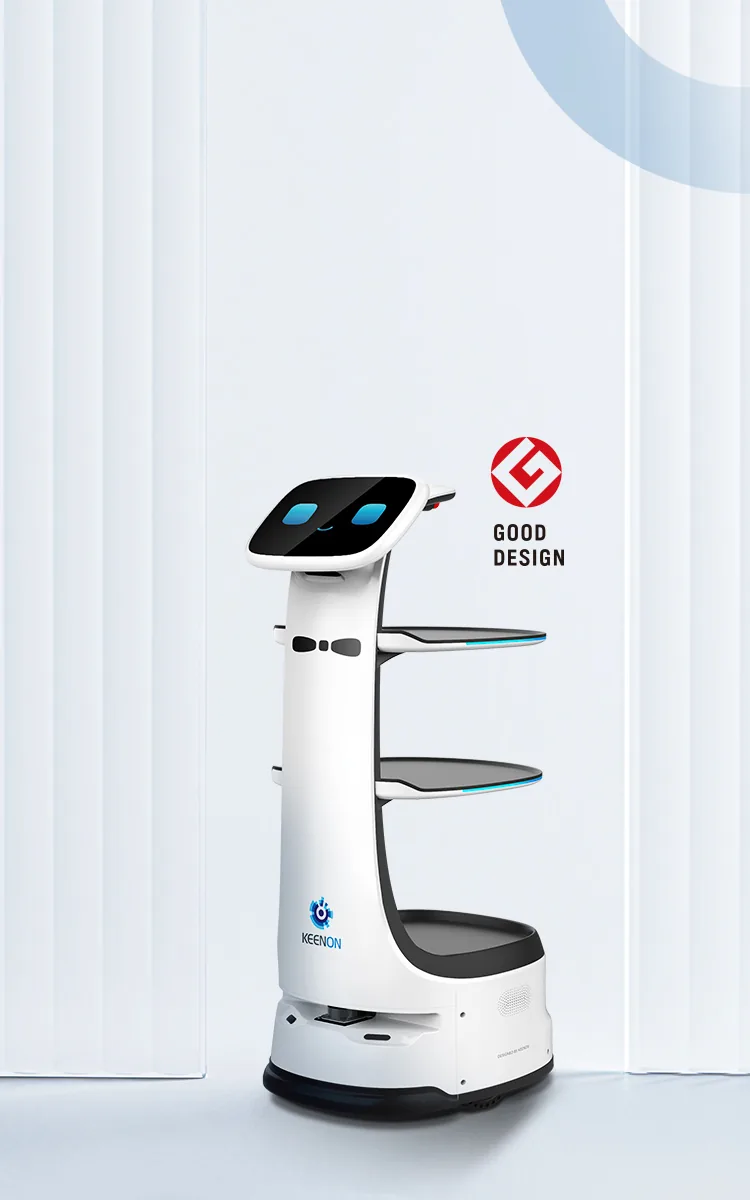
on sale
Price from
A 13.3-inch touchscreen, a 20 W speaker and four beamforming microphones: the temi V3 from Israel's Robotemi Global is a personal and telepresence robot, not an industrial machine or a humanoid. It moves around a room on its own, follows a chosen person without a remote control and remembers named locations, which makes it useful at reception desks, in healthcare facilities and for telepresence.
The WiFi version costs USD 4,499 as a one-time purchase (about PLN 17,439 (≈ EUR 4,000) at the National Bank of Poland rate of 3.8762 from 1 October 2026, the latest available rate because 26-27 September 2026 fell on a weekend with no NBP fixing) or from USD 125 a month under a robot-as-a-service (RaaS) subscription. The pricier variant with a cellular module (4G/5G) is USD 5,499.
Against competing reception robots such as Double Robotics or OhmniLabs, the temi stands out for its lower entry price and a subscription option instead of purchase only. The manufacturer does not say whether the robot is officially available in Poland; the Polish distributor field is empty, and sales go mainly through RobotLAB and regional resellers in Western Europe.
The temi V3 suits receptions and medical facilities looking for a cheap way into service robotics, and much less so applications that involve handling objects, because the robot has no arm.
Data checked: · Sources: 3
WiFi model USD 4,499 to buy or from USD 125/month via RaaS; Cellular model USD 5,499. Converted to PLN at the National Bank of Poland reference rate (Table A, USD, 25 September 2026, the latest rate available before the weekend): 1 USD = 3.8762 PLN -> USD 4,499 = PLN 17,439.02 (≈ EUR 4,000).
The WiFi version costs USD 4,499 to buy, which is PLN 17,439.02 (≈ EUR 4,000) at the NBP rate of 3.8762 from 1 October 2026 (the latest available before the weekend); the Cellular variant with 4G/5G is USD 5,499. Alternatively, RaaS starts at USD 125 a month, or about PLN 485 (≈ EUR 110). A simple calculation: USD 4,499 divided by USD 125 is 36 months, so after three years the rent equals the purchase price. On top of that, estimated costs include a data plan for the cellular version, any apps and integrations, and short training for receptionists; the sources do not price these.
No confirmed distributor in Poland
The temi V3 Robotemi Global has a 13.3-inch touchscreen, a 20 W speaker and four beamforming microphones; they let it talk, show information and lead the way. It is a personal and telepresence robot, not an industrial or humanoid one. It moves around a room autonomously using a 360-degree LiDAR and cameras, follows a chosen person without a remote and remembers named locations. The most common applications: (1) a company reception or lobby, where it greets people and points the way; (2) healthcare facilities, where telepresence means the doctor "drives" to the patient through the screen, see hospitals; (3) hotels and showrooms, guiding guests, see hotels; (4) the office, for video calls on the move. The limitation is clear: the robot has no arm, so it cannot hand over or pick up anything. If you need to carry things, look at delivery robots such as LG CLOi ServeBot. Nor is it a site security robot; for that, see the machines in security. You can read more about service robots in hospitality in “Service Robots in Restaurants and Hotels”. Because the robot carries cameras and microphones in a public space, review “Data Security: Robots with Cameras and the GDPR” (data protection under the EU's GDPR) before deployment. Category: “Service robots”.
Makes sense for: receptions, medical facilities, offices and hotels that want a cheap way into service robotics and do not need to manipulate objects; companies trying out telepresence and running a pilot on a subscription. Who it is not for: applications that require grasping and carrying, large, busy sites that need delivery, and anyone who needs dependable Polish support, because the manufacturer names no Polish distributor and sales go mainly through RobotLAB and resellers in Western Europe. It is also not a toy; it is a business device with cameras and GDPR obligations.
The Polish distributor field is empty, and sales go mainly through RobotLAB and resellers in Western Europe. The uses the manufacturer points to are telepresence, guiding visitors and reception, including in healthcare facilities. Other robots available in Poland in the service category are described in “Service robots”.
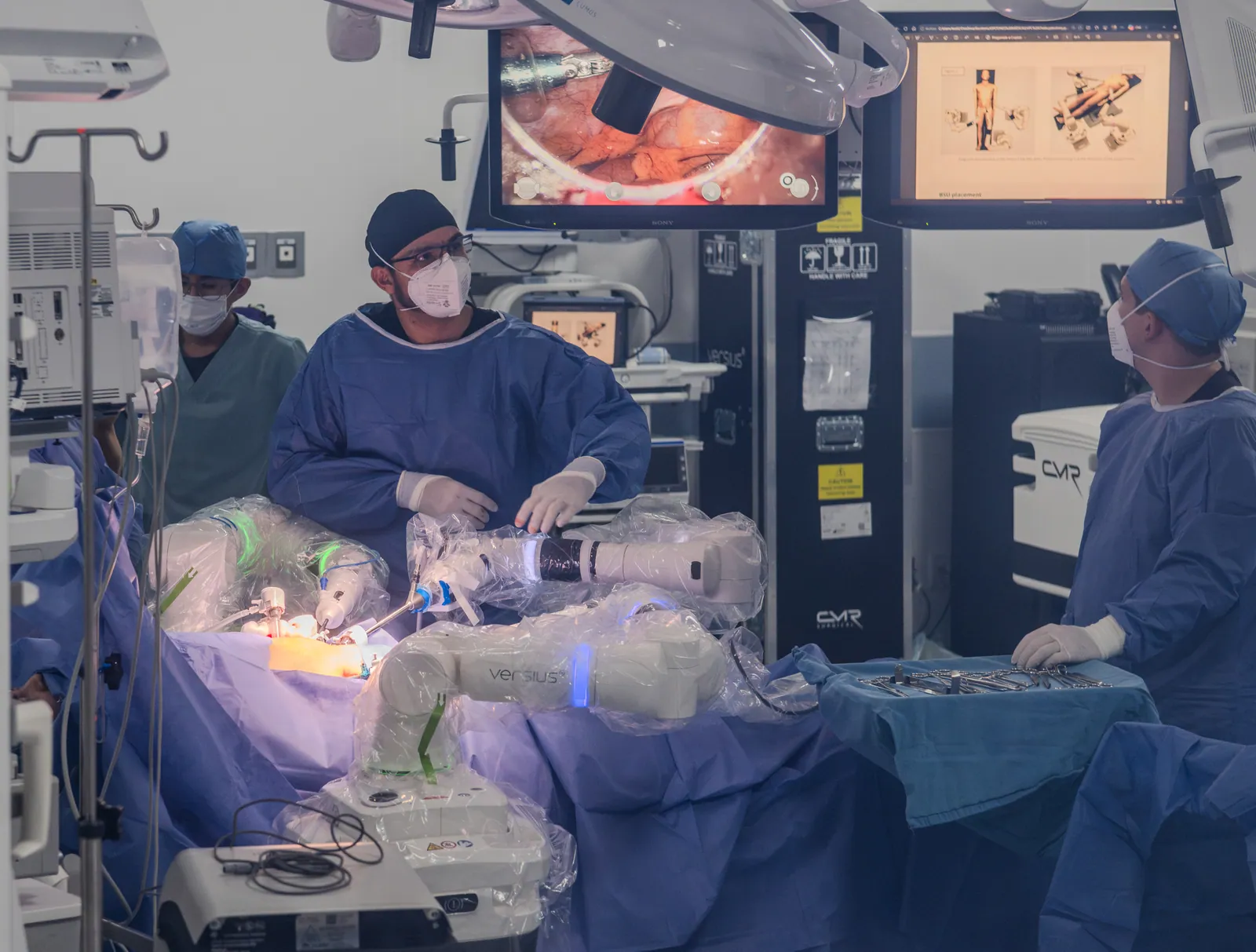
Most robots in Polish hospitals work where a surgeon needs a third and fourth hand, and a stroke patient needs a first step.
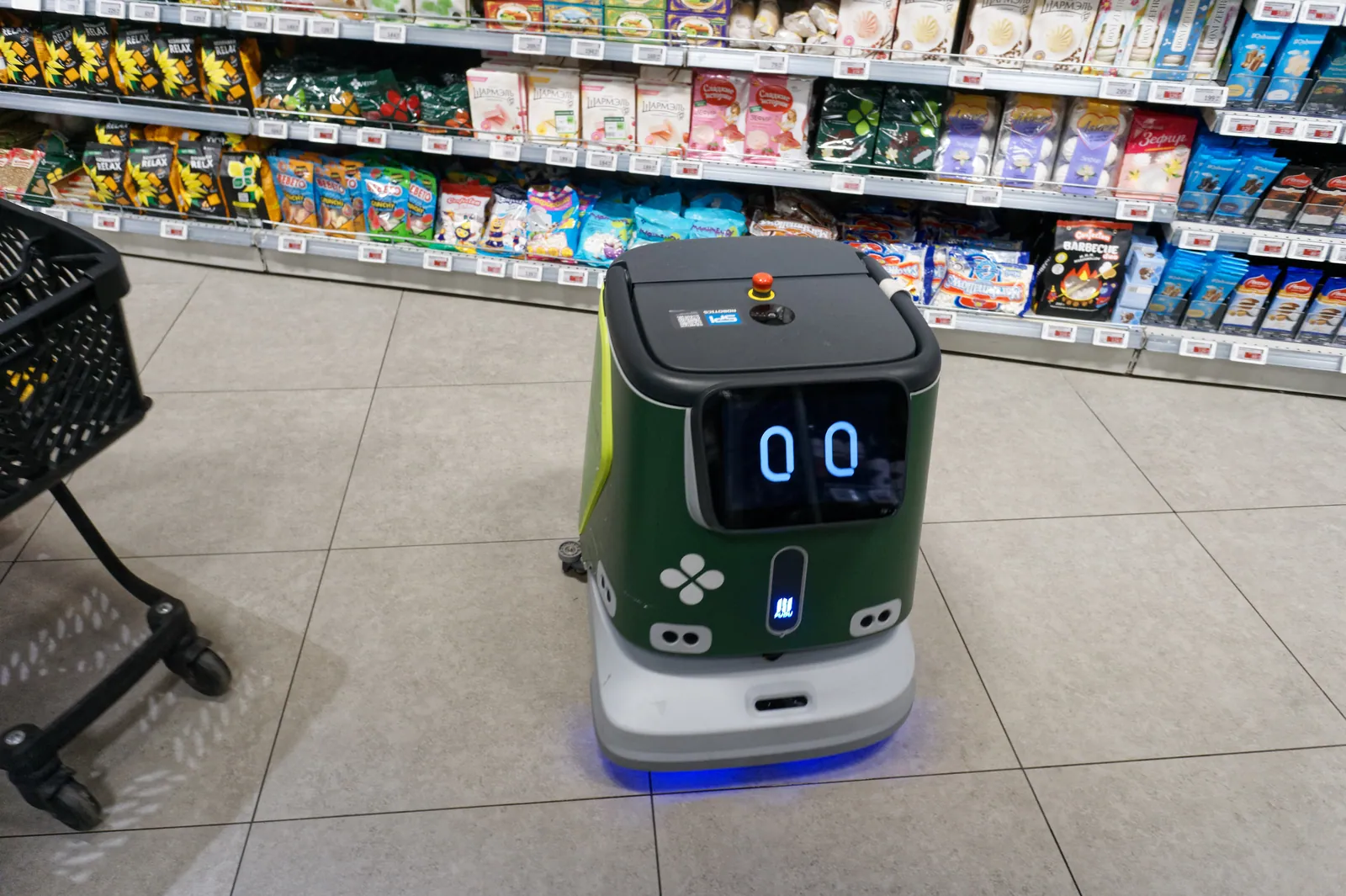
A store where a robot mops the floor and a machine hands over your parcel is no longer futurology, but it is not a humanoid standing at the till.
For delivery instead of guiding: LG CLOi ServeBot, a delivery robot with a 30 kg payload, USD 17,900 or USD 746 a month under RaaS. It comes from a different design philosophy and is set against the temi in our comparisons. If image and contact with guests matter most, consider Pepper, a reception robot withdrawn from production in 2024 (120 cm, 28 kg, roughly 27,000 units built), so think of the secondary market. More social but more expensive is Mirokaï (about USD 30,000, 26 DOF), with no confirmed availability in Poland. In hotels and restaurants, Pudu BellaBot, available locally, has a 40 kg payload and costs about PLN 56,205 (≈ EUR 12,880), so it does a different job from the temi.
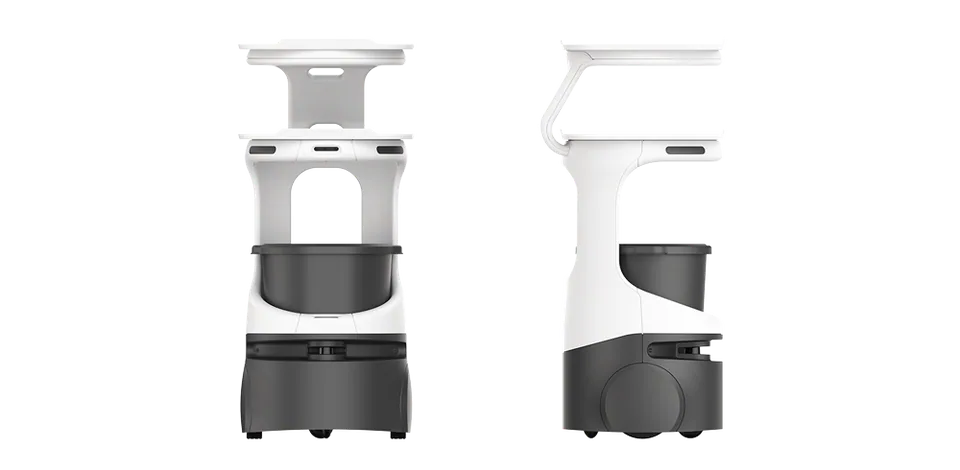
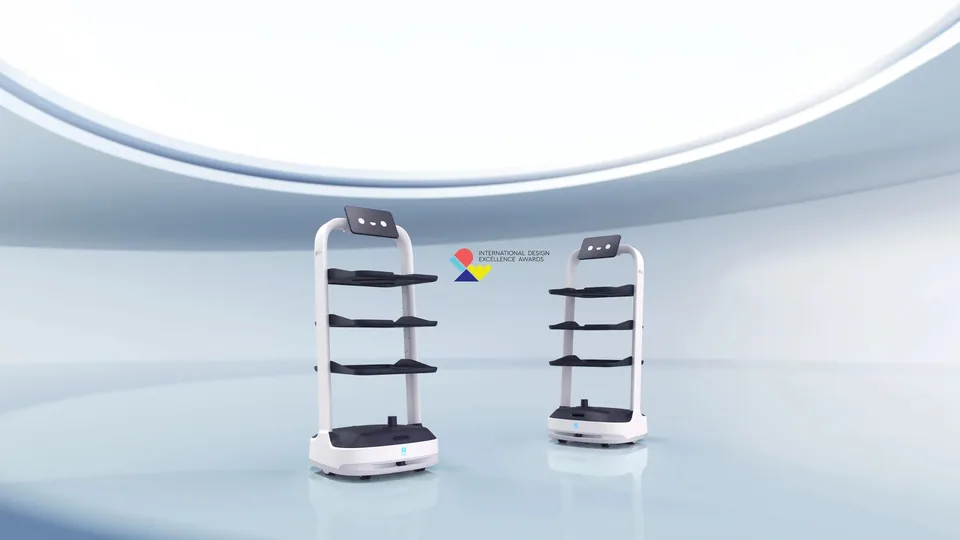
Pudu Robotics (Shenzhen Pudu Technology Co., Ltd.)
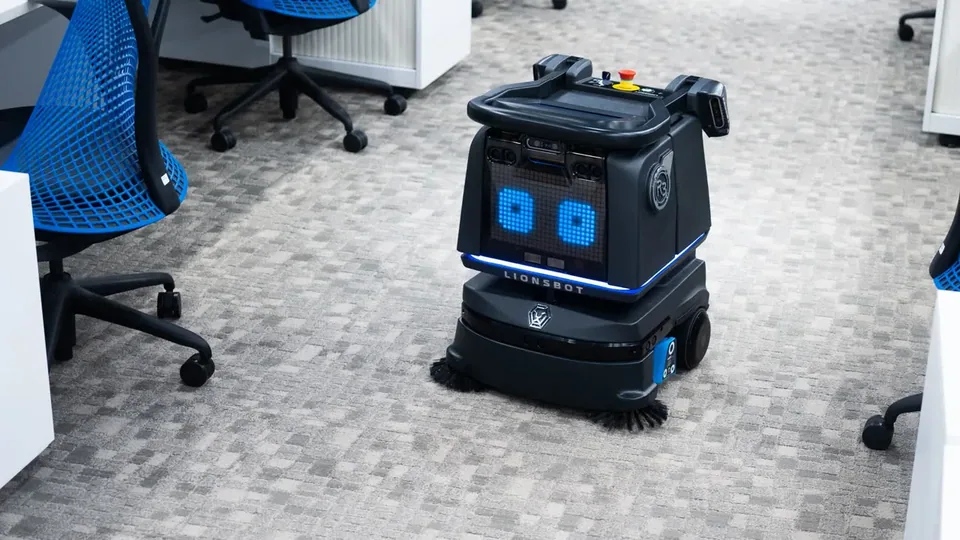
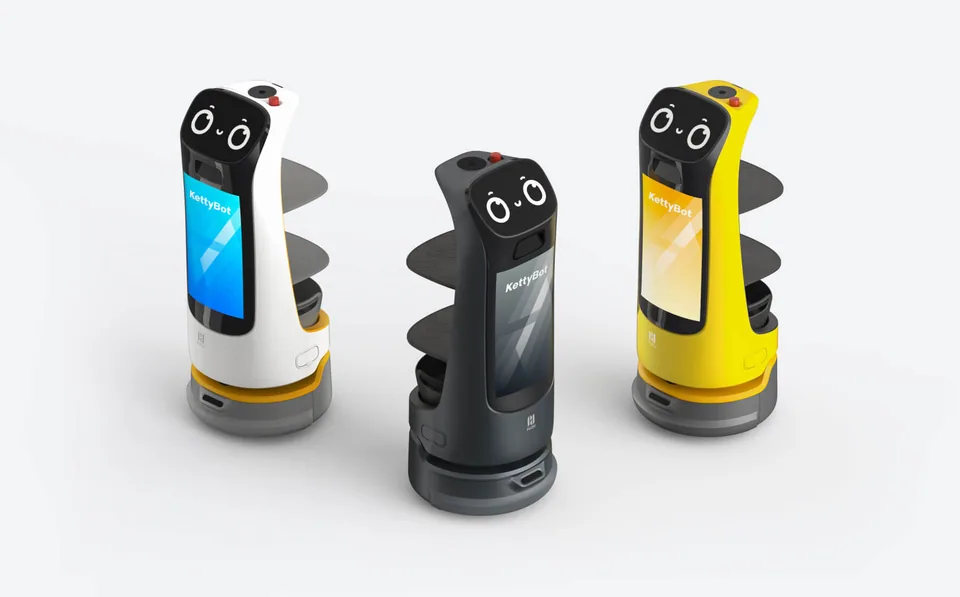
Pudu Robotics (Shenzhen Pudu Technology Co., Ltd.)
Robotemi Global is an Israeli company, and the V3 is the latest iteration of its personal and telepresence robot. We have no launch events or dates for earlier generations, so we do not reconstruct them from memory. What we do know is that the model competes with solutions such as Double Robotics and OhmniLabs and stands out for a lower entry price and a subscription option instead of purchase only.
The WiFi version costs USD 4,499 (about PLN 17,439 (≈ EUR 4,000) at the NBP rate of 3.8762 from 1 October 2026) to buy, or from USD 125 a month under RaaS; the 4G/5G variant is USD 5,499.
Telepresence, reception duties and guiding visitors. It has a touchscreen and speakers and navigates autonomously, but it has no manipulator arm.
The manufacturer names no Polish distributor; sales go mainly through RobotLAB and resellers in Western Europe.
Author, source and licence of the photo are given in the caption. Shop links may become affiliate links in future, details: How we make money · How we check