on sale
Manufacturer
Carbon Robotics LaserWeeder: chemical-free laser weeding, more than 100 farms on three continents.
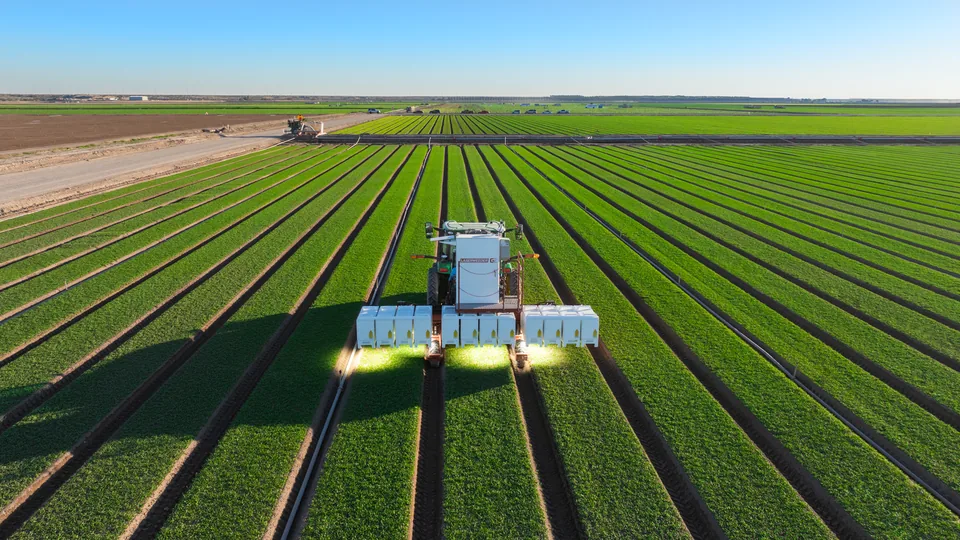
LaserWeeder is a tractor-drawn platform for laser weeding of crops, combining AI-based recognition of crop plants and weeds with high-power diode lasers that eliminate weeds without chemicals. The US company Carbon Robotics launched the commercial version in February 2022, and according to the manufacturer more than 100 farms across North America, Europe and Australia use it.
It is a direct alternative to herbicides and manual weeding, especially attractive for organic farming, where spraying is restricted or banned. The location of the headquarters beyond the reference to the US, the company's founding year, its funding and the price of the machine are not given.
Presence in Poland is unconfirmed, although the development of laser weeding in Europe (for example by German and French startups) suggests growing interest in the region.
Carbon Robotics is an American company that the sources describe mainly through its product. We do not know the founding year, the exact headquarters location beyond the US, or the amount of funding. What we do know is the date that counts: in February 2022 the company launched the commercial version of the LaserWeeder.
The idea is easy to describe and hard to execute. A tractor tows the platform, cameras recognize crop plants and weeds, and high-power diode lasers eliminate the weeds without chemicals.
According to the manufacturer, more than 100 farms across North America, Europe and Australia use the machine. That is the company's claim, not an independent audit. The technology is a direct alternative to herbicides and manual weeding, and so especially attractive where spraying is restricted or banned, for example in organic farming. We describe the wider picture of robots in the field in “Robots in Farming: How Field Automation Looks in Poland”.
The portfolio is a single model: Carbon Robotics LaserWeeder. It is not a self-driving robot but a tool towed behind a tractor. According to the manufacturer's description it combines 30 lasers of 150 W each and 42 cameras, and it needs a tractor of about 175 horsepower to work. The price is not disclosed.
An important distinction: by category it belongs to specialist robots (specialized robots), not to classic mobile robots. The autonomy lies in recognizing plants, not in driving itself around the field. This approach sits alongside other agricultural designs we list, for example Naio Oz and Ecorobotix ARA, which tackle weeding and crop care in a different way.
Specifications should be read with care, as we explain in “How to Read a Robot Datasheet”. Agricultural uses are collected on the page “Agriculture”, and gardens are covered more broadly in gardens, although the LaserWeeder is clearly a machine for large-scale farming, not a backyard vegetable patch. A farmer should ask not about the number of lasers but about how many hectares per hour the machine actually treats and how it copes with different crops, because the manufacturer does not give that data in the sources.
We have no confirmed data on Carbon Robotics' funding or valuation. The price of the machine is undisclosed too, so we do not assess profitability in numbers. What we do have is one figure that can be set against the competition: more than 100 farms, according to the manufacturer.
Competitors have to be chosen fairly, because the LaserWeeder solves the same problem in a different way. Naio Technologies builds smaller agricultural robots, Ecorobotix has the robot Ecorobotix ARA in our catalog, and FarmDroid and Small Robot Company are further farm-robotics firms from the same branch of the market. Carbon stands out by dealing with weeds using a laser, without herbicides.
As for customers that could be named, the available sources give no names. A buyer should therefore ask the manufacturer directly for references. The real test will be results on farms, not the number of lasers on the bar. The manufacturer has to show those results independently.
Carbon Robotics' presence in Poland is unconfirmed. We list no Polish distributor, no price in zloty and no deployment on a Polish farm.
It is worth noting, though, that the manufacturer claims customers in Europe, and the development of laser weeding on the continent suggests growing interest in the region. That is an indirect inference, not a fact about Poland. We describe the situation of Polish agriculture in “Robots in Farming: How Field Automation Looks in Poland”. A Polish farmer considering such a purchase must first establish who services the machine in the region, what class of tractor it requires and whether it can be covered by subsidies. We write about tax relief for companies investing in automation (Poland's robotization tax relief, ulga na robotyzację) in “Poland's Robotization Tax Relief”.
The LaserWeeder is a concrete tool for large farms, organic ones included, with a well-described technology and an undisclosed price. For a Polish farmer it is for now a topic to watch, because there is no confirmed sales or service presence in the country. See also Naio Oz. Key questions before talking to the manufacturer: price, equipment requirements and service in Poland. Without answers it is hard to talk about a business case. You will find the wider agricultural context in “Robots in Farming: How Field Automation Looks in Poland”.
Carbon Robotics