on sale
Pros
- 7 axes with force sensing in every joint
- Repeatability of ±0.05 mm
- 4 kg payload, 876 mm reach
- Suited to polishing and delicate assembly
Cons
- Manufacturer does not publish a price
- No confirmed distributor in Poland
- Low payload for palletising or heavy loads
- 4kgPayload
- 7DOFDegrees of freedom
Key facts
- Specificationspayload 4 kg · degrees of freedom 7 DOF
- Statuson sale
- Availability in Polandnot confirmed
- VerdictFor teams that need force feel (polishing, assembly); for plain pick&place a UR is the simpler choice.
Summary
- ManufacturerFlexiv Robotics
- CategoryCobots
- Statuson sale
- Availability in PolandNo confirmed distributor in Poland
Seven axes, a 4 kg payload and ±0.05 mm repeatability: that is the short version of the Flexiv Rizon 4, the smaller sibling of the Rizon 10 in Flexiv's “adaptive robot” line. The arm reaches 876 mm, and force sensing is built into every one of its seven joints, which is meant to give it a near-human sense of touch when assembling delicate parts or polishing surfaces.
Its payload is clearly lower than the Rizon 10's (10 kg) and close to the Franka FR3's (3 kg, 855 mm reach), but Flexiv stresses the quality of force sensing in every axis rather than only at the base or wrist, which is supposed to be an advantage in tasks that demand very precise control of contact pressure.
The manufacturer does not publish a price; given the sophisticated sensor technology, expect premium positioning relative to simpler cobots. There is also no confirmed availability in Poland and no local distributor. The Rizon 4 suits research and production work that needs a fine feel for force, such as electronics assembly, polishing and contact with delicate materials.
It is less suited to plain palletizing or moving heavy loads, where higher-payload models are the better choice.
- Server plug-in, reimagined by adaptive robotics.Flexiv Robotics · Load in the player above
Photo gallery
-
Photo: Flexiv Robotics, product page (flexiv.com) -
Photo: Flexiv Robotics, manufacturer's website (flexiv.com) -
Photo: MichelleACipriano, Wikimedia Commons, CC BY-SA 4.0; resized and converted to WebP -
Photo: MichelleACipriano, Wikimedia Commons, CC BY-SA 4.0; resized and converted to WebP
Specs
Data checked: · Sources: 3
Data from manufacturer datasheets and product pages; median over the models of this category in the database.
-
Degrees of freedom7+17% vs. the category median (6, n=73)
-
Payload4 kg−60% vs. the category median (10 kg, n=75)
- category medianA higher value doesn't always mean a better robot; it depends on the application.
Motion and manipulation
- Degrees of freedom
- 7
- Payload
- 4 kg
Electronics and AI
- Drive
- electric
- Sensors
- intrinsic force sensing in all axes
Price and availability in Poland
no data
Running and deployment costs
Flexiv does not publish a price for the Rizon 4. There is no confirmed figure on file, and market analysis suggests premium positioning relative to simpler cobots. Reference points: the Franka FR3 is an estimated USD 25,000-35,000 (about PLN 96,900 (≈ EUR 22,200 at NBP rate 4.3641 of 21 October 2026)), the UR5e about PLN 127,600 (≈ EUR 29,240). The Rizon 4 probably falls in a similar or higher range, but that is purely an estimate.
Without local support, expect additional service and logistics costs; on top of that come the gripper, integration and software. Factor in programmer time: seven axes and force-controlled tasks call for real expertise, not just dragging blocks around in an interface. Poland's robotization tax relief (ulga na robotyzację) can reduce your tax bill with an additional 50% deduction in the years 2022-2026 “Poland's Robotization Tax Relief”. For how to work out the total cost of ownership, see “How to Buy a Cobot Step by Step”.
Dealers in Poland
No confirmed distributor in Poland
Applications
What it's for
The Flexiv Rizon 4 is a seven-axis cobot with one defining trait: force sensors in each of its seven joints. Payload is 4 kg, repeatability ±0.05 mm, and reach 876 mm (check the manufacturer's datasheet before buying). The manufacturer calls it an “adaptive robot” and positions it above ordinary cobots.
What does that mean in practice? The arm “feels” pressure at every joint, so it can guide a tool with constant force. The manufacturer lists polishing and force-sensitive assembly as typical applications; in polishing, what matters is keeping the tool pressure constant.
The second area is assembling delicate components: pressing in connectors, seating boards in enclosures, tightening parts that need a specific contact force factories. The third is research: labs teaching robots contact-rich tasks, for example with VLA models laboratories “VLA Models: How AI Controls Humanoid Robots in 2026”. Be careful with palletizing and moving heavy loads; that is not this segment.
How seven axes differ from six, and why anyone wants the extra one, is explained in our article on degrees of freedom “Degrees of Freedom (DOF) in Humanoid Robots”.
Typical applications
Who it's for
A good fit: industrial plants with tasks that need a feel for force, such as polishing, grinding and precision assembly; research teams and universities building applications where robots learn by demonstration.
Who it doesn't: companies looking for a cheap cobot for simple pick-and-place, because they would pay for sensitivity they will never use. A model in the class of the UR5e is enough there. For buyers in Poland there is one important drawback: we have not confirmed a distributor or service partner in the country for Flexiv Robotics. Clear that up before you start purchase talks.
Deployments
Availability in the country and a local partner have not been confirmed. So look at what is documented in the category: Universal Robots, Doosan and KUKA cobots work in Polish plants, and arms with force sensing find their way into research labs cobots. If you are considering the Rizon 4 in Poland, ask the manufacturer for European references and for information about service.
Comparison
The closest counterpart is the Franka Research 3: also 7 axes with joint sensors, 3 kg payload, 855 mm reach. Its indicative price is around PLN 116,286 (≈ EUR 26,650) (an estimate, with a spread of USD 25,000-35,000). Flexiv describes its sensing as “intrinsic,” while Franka has a longer track record in academic circles.
For industry with a more conventional approach, consider the KUKA LBR iisy 3 R760 with a 3 kg payload (about PLN 102,600 (≈ EUR 23,510) after conversion from euros). For a higher payload, the same family includes the KUKA LBR iisy 11 R1300 (11 kg). And if force precision is not critical, the simpler Dobot Nova 2 (2 kg) will be cheaper, although the lack of a public price list makes an exact comparison difficult.
Similar models
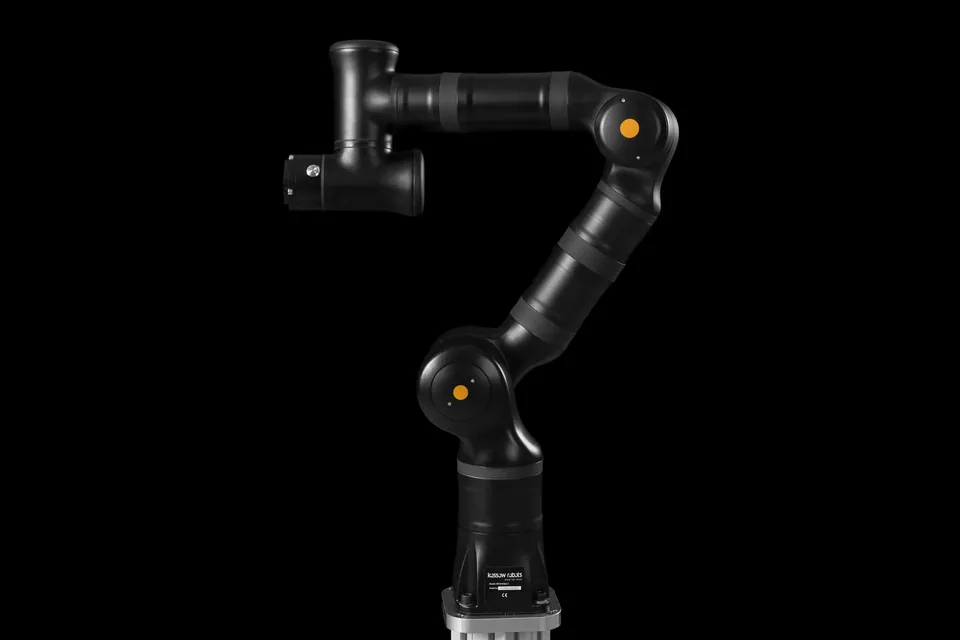 on sale
- on sale
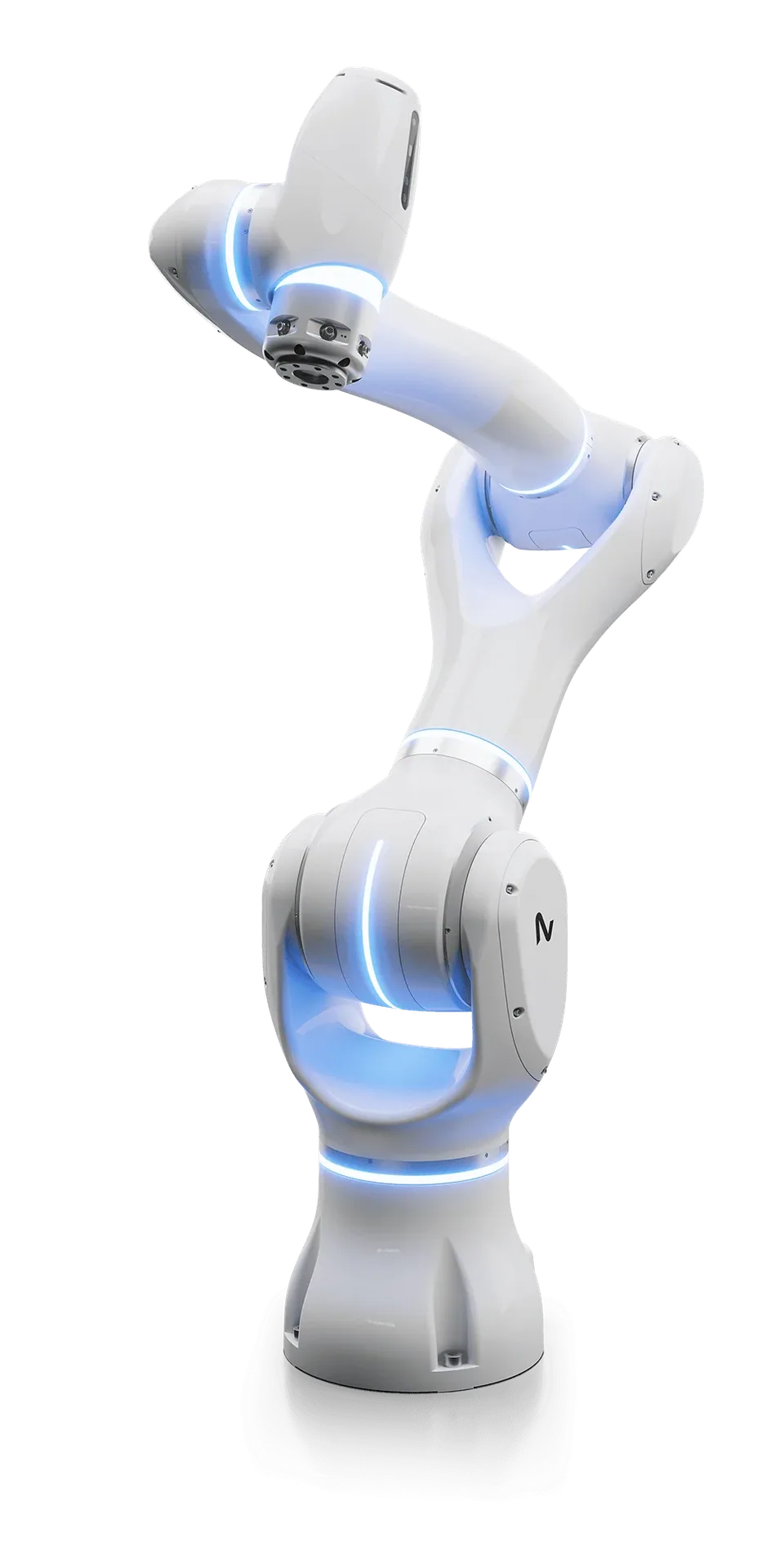 on sale
- on sale
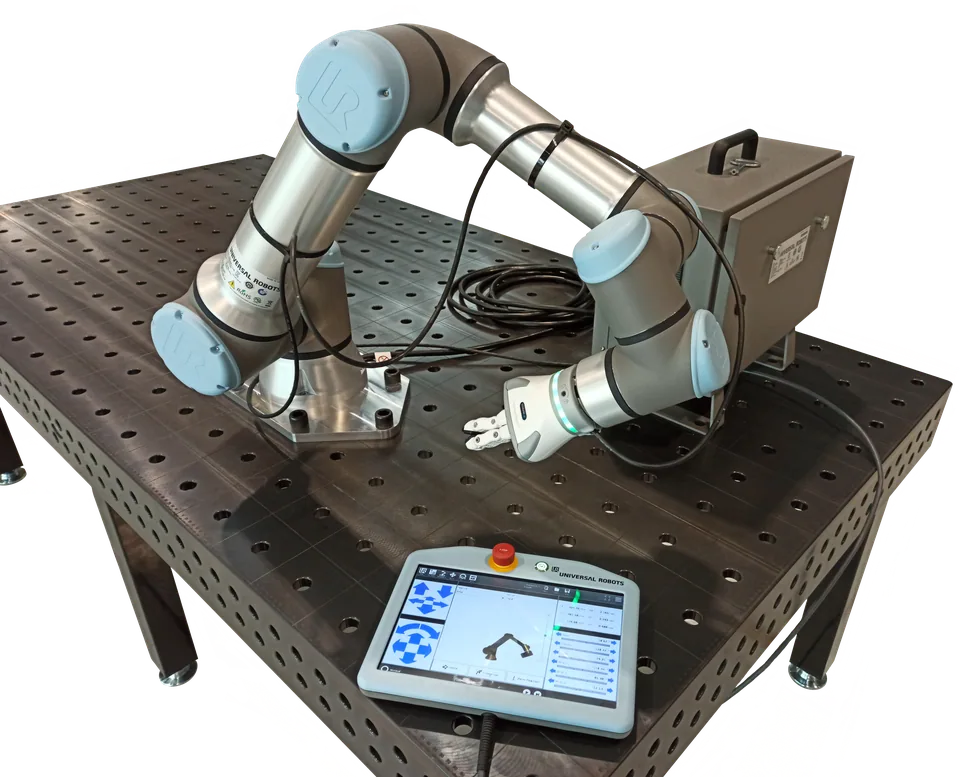 on sale
History
Flexiv Robotics is a company with Chinese roots and founders tied to Stanford; its “adaptive” approach is built on force sensors in every joint. The Rizon line includes the Rizon 4 (4 kg) and Rizon 10 (10 kg), as well as a Rizon 4s variant for which no full specification is available. We do not know the company's headquarters city, founding year or funding, so we do not state them. There are no timeline events for this model Flexiv Robotics.
Sources
Frequently asked questions
Is the Flexiv Rizon 4 available in Poland?
No. The manufacturer Flexiv Robotics (China) names no Polish shop or official distributor for the Flexiv Rizon 4; enquiries go through the manufacturer's website (flexiv.com). Confirm service in Poland before buying.
What is the repeatability of the Flexiv Rizon 4?
±0.05 mm at a reach of 876 mm.
What is the Rizon 4 suited for?
Tasks that require precise force control, such as assembling delicate parts and polishing, thanks to force sensors in each of its 7 joints.
How much does the Flexiv Rizon 4 cost?
The manufacturer does not publish a price for this model.
Author, source and licence of the photo are given in the caption. Shop links may become affiliate links in future, details: How we make money · How we check