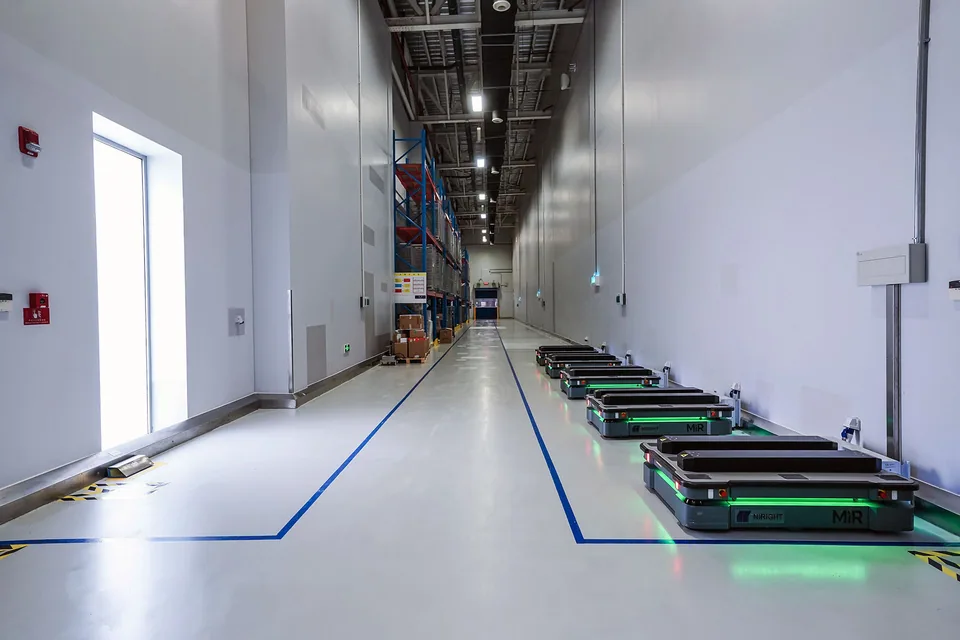
on sale
The MiR250 sits in the middle of Denmark's MiR family of autonomous mobile robots (AMRs): with a 250 kg payload it falls between the light MiR100 and the heavy MiR600 and MiR1350. The manufacturer, Denmark's MiR (part of Teradyne Robotics), describes it as an agile, fast platform for moving goods inside a facility. Its official specification page states a top speed of 2.0 m/s, dimensions of 800×580×300 mm, a weight of 94 kg and up to 17.5 hours of runtime unloaded (13 hours at full load), so there is no need to contact sales just to get the basics. The price is not published either; general market estimates for AMRs range from USD 50,000 to 250,000, and from USD 85,000 to 150,000 for the heavier class, but these are industry-wide figures, not specific to the MiR250.
The closest competitor at this payload is the Omron LD-250, a model with almost identical capacity and similar market positioning. The choice between them often comes down to which integrator is available and how well the robot fits an existing fleet. The MiR250's big advantage is that it belongs to one of the most widely deployed AMR platforms in the world, with a mature fleet-management software ecosystem and plenty of reference installations. The drawback, for a buyer who wants a ready-made offer, is that you have to go through a quotation process rather than buy from a price list. Sales in Poland are likely to run through local automation integrators, but this is not confirmed by the manufacturer.
Data checked: · Sources: 2
Data from manufacturer datasheets and product pages; median over the models of this category in the database.
no data
MiR does not publish a price for the MiR250; the manufacturer points to its ROI calculator and sales team. A Polish market overview puts the purchase of a robot in the MiR250 class at PLN 120,000-200,000 (≈ EUR 27,500–45,830 at NBP rate 4.3641 of 21 October 2026). General market ranges for AMRs are USD 50,000-250,000 (an industry source, not specific to this model). Treat this as an estimate, not a quote. On top of the robot itself come fleet-management software (PLN 80,000-300,000 (≈ EUR 18,330–68,740), or a subscription), integration with WMS/MES systems (PLN 50,000-250,000 (≈ EUR 11,460–57,290)) and charging stations (PLN 15,000-40,000 (≈ EUR 3,440–9,170)). For a small fleet these add-ons can match the price of the robot. Training and service come on top. Tax relief: “Poland's Robotization Tax Relief” (Poland's robotization tax relief, ulga na robotyzację) allows an additional 50% deduction of qualifying costs, provided the equipment fits the narrow definition of an "industrial robot"; for AMRs this needs confirmation from an adviser. Work out the real economics using the method in “Humanoid Robot TCO: How to Calculate Total Cost”, substituting an AMR for the humanoid robot.
No confirmed distributor in Poland
The MiR250 is an agile AMR with a 250 kg payload, dimensions of 800×580×300 mm and a weight of 94 kg. It travels at up to 2.0 m/s and runs for up to 17.5 hours unloaded (13 hours at full load). Laser scanners and 3D cameras handle navigation, so there is no need to lay tape on the floor. In production it covers transport between operations: bins, totes and carts of components. In a warehouse it moves goods between zones, and in logistics centers it links receiving with picking. At just 30 cm tall, it is a flat, compact platform that fits easily into existing aisles. For an electronics factory, a pharmaceutical plant or a mid-size freight forwarder, it is a way into automation without rebuilding the hall. The MiR250 belongs to a family that also includes the heavier MiR600 and MiR1350. We cover the basics of the topic in “AMR Robots in the Warehouse”; for applications, see factories and warehouses, and for other mobile robots, the mobile robots category.
The MiR250 is for companies with repeatable internal transport of light to medium loads that want to free people from "pushing the cart". It works best in a plant where routes are simple, aisles are wide and a few runs a day can be synchronized with the warehouse system.
Don't choose it if you move half-ton pallets; for that you need the MiR600. Nor is it an ideal solution for a company that has nobody to operate and maintain the system, or no budget for integration. For very small operations, a sensible first step is often a single robot serving one route. It is also worth checking whether your hall has thresholds, ramps or zones where people and robots have to pass each other.
According to the manufacturer's case studies, robots in the MiR family work at Cummins, DENSO and Faurecia, mainly on transport between operations; it is not confirmed which specific models are involved. In Poland, MiR has authorized integrators (including ASTOR, ProCobot and Lintegra), and by our overview the MiR100 and MiR250 work in production plants and logistics centers around the country. We do not name Polish customers because we have not confirmed them. More on the market: “Polish Robotics Companies”. Ask the integrator for a reference visit to a plant with a similar profile; it is the cheapest way to see how the robot copes with foot traffic and carts.
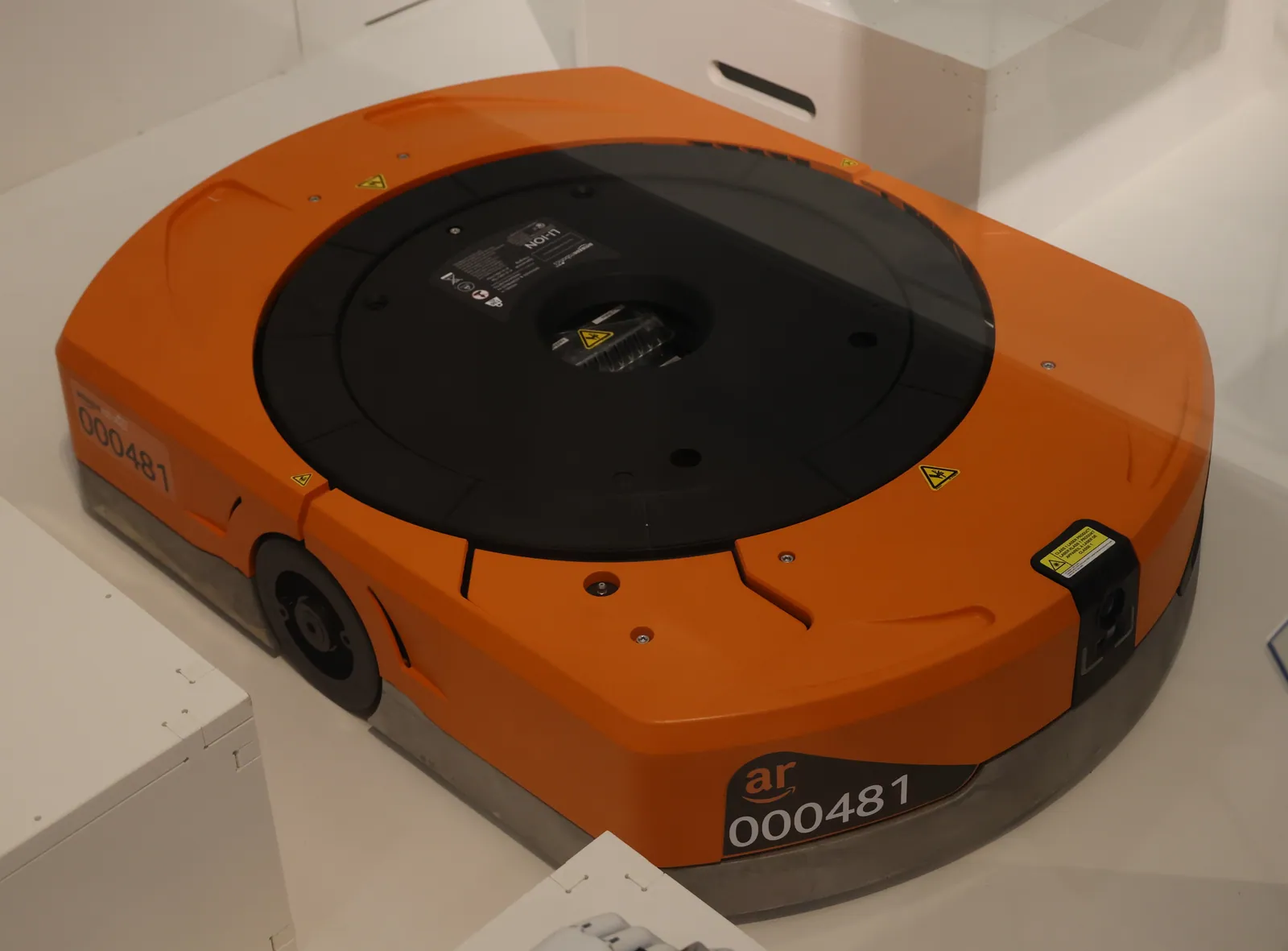
Robots really work here: Amazon reports more than 5,000 robots in its new Dobromierz center, and some AMR offers can be borrowed on trial.
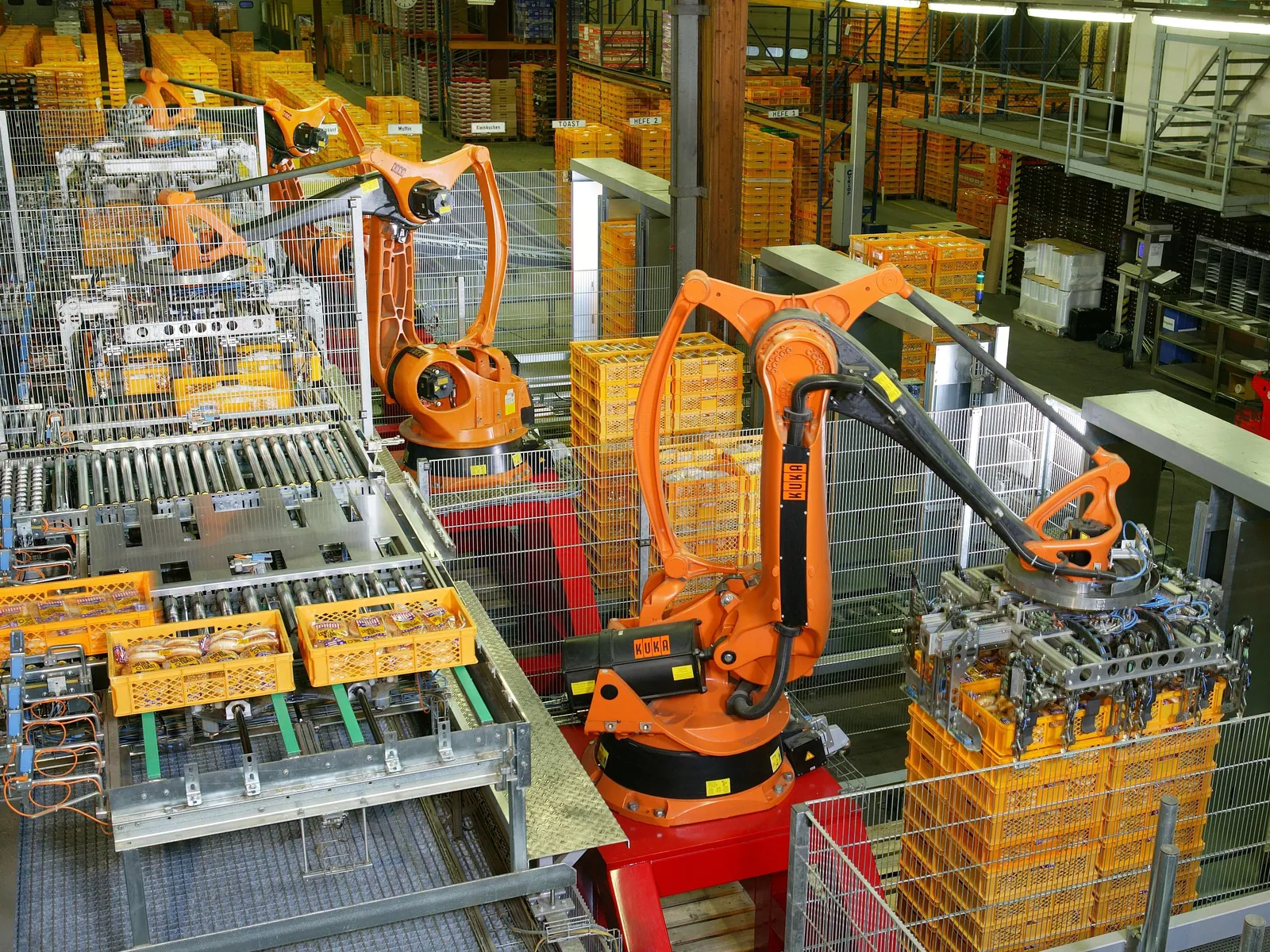
What works in factories today is mainly cobots, mobile robots and classic industrial robots; humanoids are still at the pilot stage.
The manufacturer names the Omron LD-250, with almost identical payload, as its closest rival. The closest Omron model in our catalog is the Omron LD-60/90 from Omron Robotics, which is lighter (up to 90 kg). Others to consider: the AGILOX ODM (300 kg), a swarm system with no central server; the OTTO 100 (150 kg), slightly lighter but in a similar class; and the KUKA KMP 600P with a 600 kg payload when you need headroom. If order picking in an e-commerce warehouse is your goal, look at the Locus Origin, which is offered on a subscription model. For light loads the deciding factors are usually speed (up to 2.0 m/s for the MiR250), runtime (up to 17.5 hours unloaded) and service in your region; compatibility with an existing fleet and integrator availability tend to outweigh the spec table.
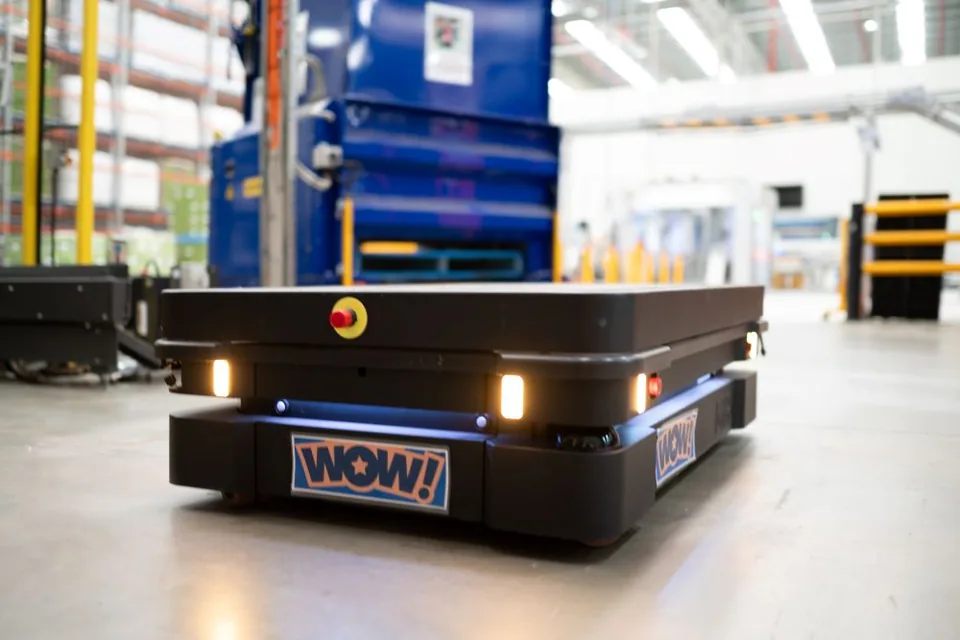
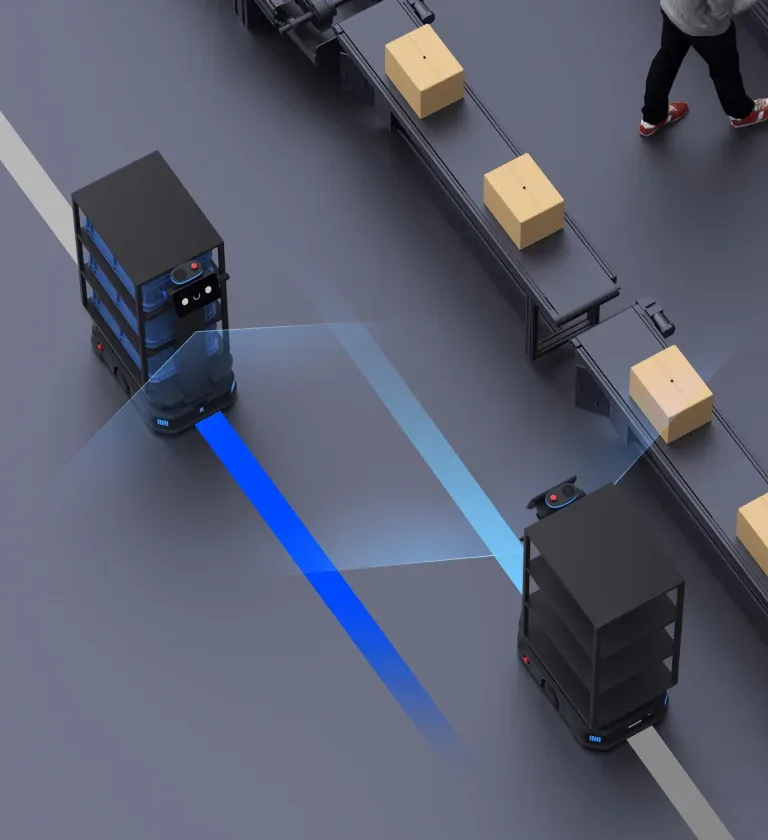
Pudu Robotics (Shenzhen Pudu Technology Co., Ltd.)
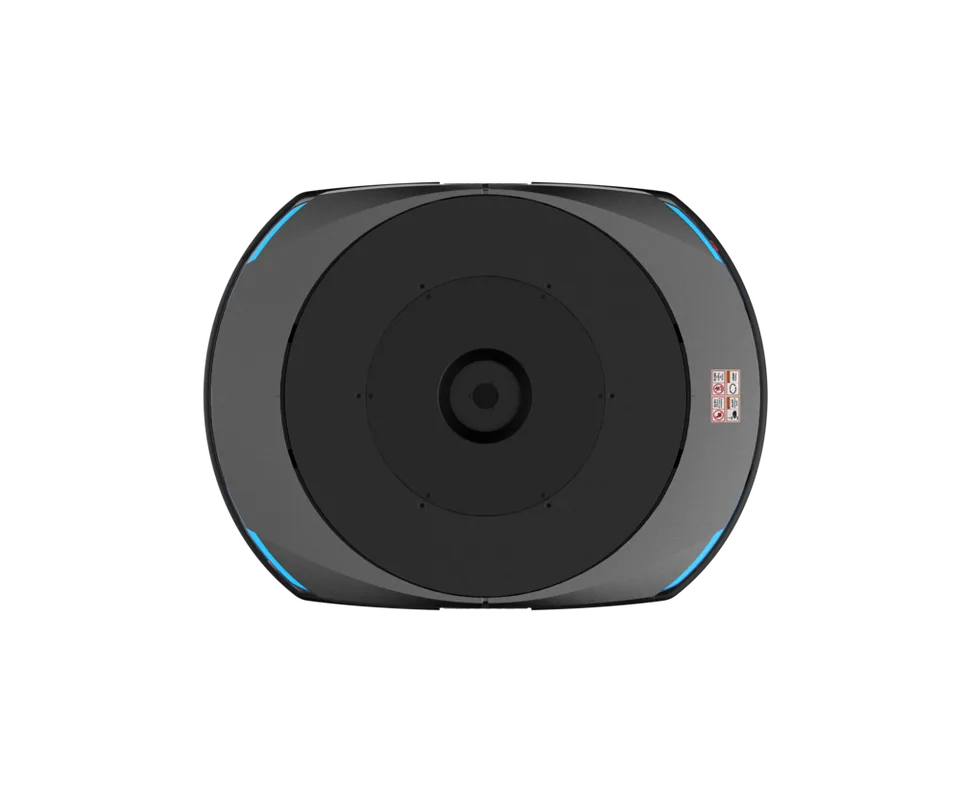
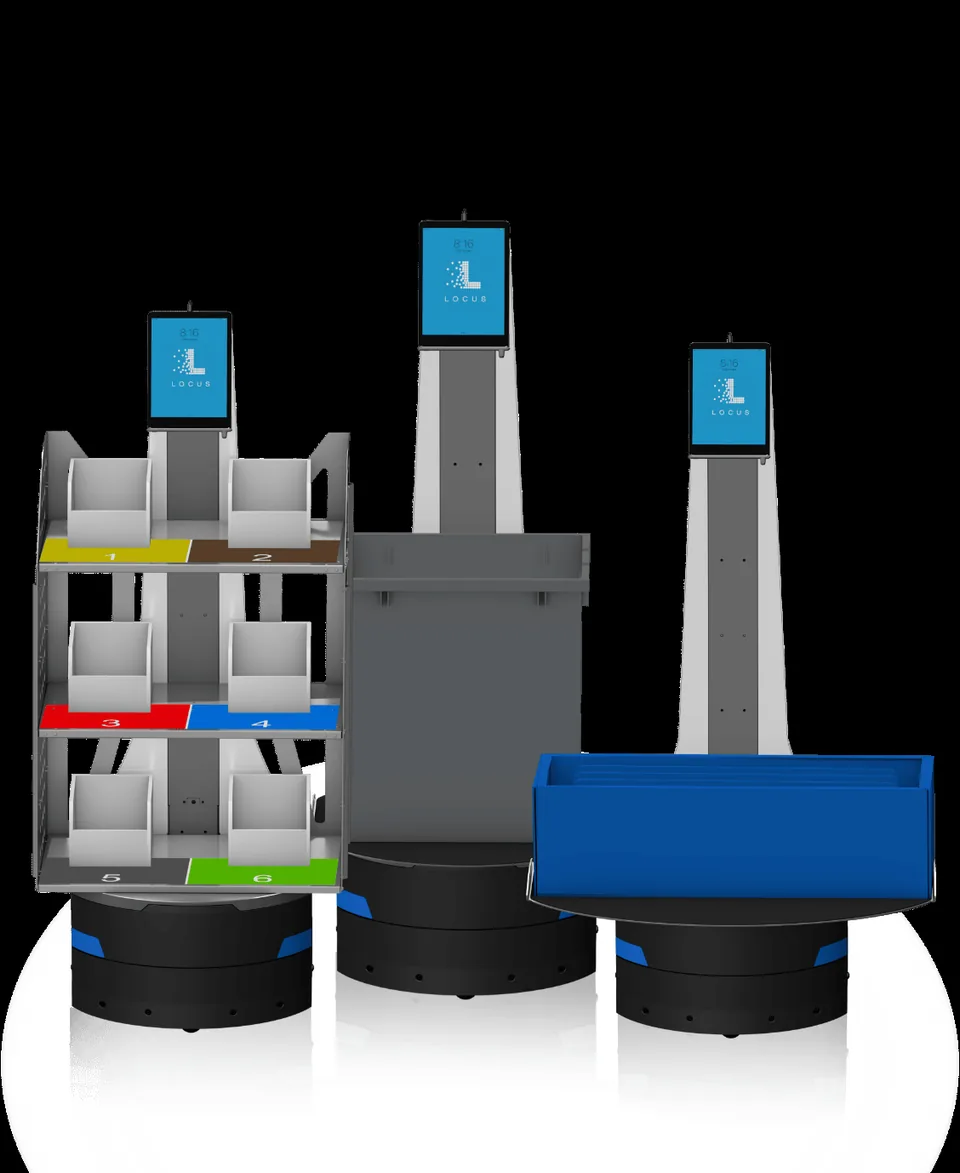
MiR was founded in 2013 in Odense, Denmark, and is part of Teradyne Robotics alongside Universal Robots. The MiR250 is the middle of the family: stronger than the light MiR100, lighter than the MiR600 and MiR1350. The manufacturer describes it as an agile, fast platform for internal transport, and it is reported to replace carts and conveyors in simpler applications. We do not give an exact launch date because none has been published, and there are no recorded milestones for this specific model.
No. The manufacturer Mobile Industrial Robots (Denmark) names no Polish shop or official distributor for the MiR250; enquiries go through the manufacturer's website (mobile-industrial-robots.com). Confirm service in Poland before buying.
The MiR250 carries loads of up to 250 kg and is positioned as an agile, fast transport platform within the MiR family.
No. The manufacturer does not publish a price list. General market estimates for AMRs fall between USD 50,000 and 250,000, but they do not refer specifically to this model.
The Omron LD-250, which has a similar payload and positioning, is its direct rival in the mid-size AMR segment.
Author, source and licence of the photo are given in the caption. Shop links may become affiliate links in future, details: How we make money · How we check