on sale
Service robotson sale
Diligent Moxi 2.0
Price from
no public price
No confirmed distributor in Poland
Pros
- Over a million deliveries completed by the fleet
- One task in 20–26 minutes on average
- NVIDIA Thor, 10x the compute of Moxi 1.0 (per the maker)
- Expressive face eases work with staff
Cons
- Price unpublished, fleet-based Robots-as-a-Service model
- Narrow focus on hospital logistics
- Not available in Poland
Key facts
- Statuson sale
- Availability in Polandnot confirmed
- VerdictFor large hospitals with heavy internal transport; in Poland it is for now a benchmark for supplier talks.
Summary
- ManufacturerDiligent Robotics
- CategoryService robots
- Statuson sale
- Availability in PolandNo confirmed distributor in Poland
Moxi 2.0 is not a humanoid but a wheeled mobile manipulator from the American company Diligent Robotics, designed for hospital logistics: it delivers supplies, lab samples, personal protective equipment and medication, completing a single task in 20 to 26 minutes on average.
The robot has an arm with a gripper and an expressive “face” that eases social interaction with staff, and the second generation gained computing on an NVIDIA Thor module, which the manufacturer describes as having 10 times the computing power of Moxi 1.0. Diligent Robotics, founded in 2017 as a women-led company, publishes no unit price; its business model rests on fleet contracts with hospitals under a Robots-as-a-Service arrangement, with no specific amount disclosed.
The Moxi fleet has already passed one million completed deliveries, making it one of the more proven logistics platforms in healthcare, alongside, for example, the Aethon TUG. Its strengths are precisely that scale of deployment and social acceptance thanks to the robot's “face”; its weakness is a narrow specialization in hospital logistics, without the general manipulation ability typical of humanoids.
The model is not available in Poland and does not appear as locally tested.
- Introduction to Diligent Robotics and MoxiDiligent Robotics · Load in the player above
Photo gallery
-
Photo: Diligent Robotics, product page (diligentrobots.com) -
Photo: Diligent Robotics, product page (diligentrobots.com) -
Photo: Diligent Robotics, product page (diligentrobots.com) -
Photo: Diligent Robotics, product page (diligentrobots.com) -
Photo: Diligent Robotics, product page (diligentrobots.com)
Specs
Data checked: · Sources: 3
Electronics and AI
- Drive
- electric
- Sensors
- Camera/vision, Navigation sensors
- Computing unit
- NVIDIA Thor (Jetson Thor)
Price and availability in Poland
no data
Running and deployment costs
Purchase: Diligent Robotics does not publish a unit price for Moxi 2.0. The model is a fleet contract with hospitals under a Robots-as-a-Service arrangement, with no specific amount confirmed. In practice that means a recurring service fee rather than a one-off purchase, but we do not know the size of such a fee and do not guess it.
Running costs: under RaaS, part of the costs, service, updates and support, is usually included in the price of the service, while the hospital is left with preparing infrastructure: Wi-Fi throughout the building, chargers, agreeing routes and automatic doors. Roughly, that is a one-off cost of integrating with elevators and access control, but the manufacturer gives no details, so treat it as a direction for the request for quotation.
Training: staff should know how to order deliveries and how to react when the robot stops in a corridor. The length of such training is not publicly described.
The method for calculating total cost is shown in the article on “Humanoid Robot TCO: How to Calculate Total Cost”; the logic is similar for service robots too.
Dealers in Poland
No confirmed distributor in Poland
Applications
What it's for
Moxi 2.0 takes over small-scale hospital logistics not directly related to treatment. It is a wheeled mobile robot with an arm and a gripper from the American company Diligent Robotics: not a humanoid, but a specialized ward helper.
The manufacturer names four categories of cargo: supplies, lab samples, personal protective equipment and medication. A single task takes the robot 20 to 26 minutes on average, which captures its role well: not a race against the clock, but relief for staff who spend that time with patients. The arm lets it reach for objects, and an expressive “face” signals what the robot intends to do, which makes it easier for staff to accept it in the corridor.
This application belongs to the hospital setting, but the underlying logic, repeated deliveries in a building full of people, resembles work in a hotel or a laboratory; the manufacturer, however, confirms only healthcare. The second generation got a computer built on an NVIDIA Thor module, which the manufacturer describes as having ten times the computing power of Moxi 1.0; more power means faster recognition of surroundings and objects. You can read more about this family of compute modules in the entry for NVIDIA Jetson.
You would not buy it for a warehouse or a production line; narrow specialization is both its strength and its limit. The category “Service robots” shows how other machines cope in services, and the text on “Service Robots in Restaurants and Hotels” shows what a similar idea looks like outside the hospital.
Typical applications
Who it's for
Makes sense for: large hospitals and hospital networks with many repetitive internal transports who want to relieve nurses and support staff. Hospital management and innovation people analyzing whether autonomous logistics delivers a real effect: the Moxi fleet has passed one million completed deliveries, which is rare, documented proof of scale.
Less suited to: small clinics, practices and companies without many kilometers of corridors to serve. Nor anyone who wants to buy a single unit for a known amount: Diligent does not publish a unit price, and the business model is a Robots-as-a-Service fleet contract. Nor, in practice, Polish hospitals, because Moxi 2.0 is not available here and there are no documented local trials.
If you are interested in hospitals but in a different area, see the text “da Vinci Robots in Polish Hospitals”.
Deployments
Moxi 2.0 is not available in the country and does not appear as tested locally.
Worldwide, the deployment is, however, well documented by a number: the Moxi fleet has made over a million deliveries of supplies, samples and medication in hospitals. It is one of the more proven logistics platforms in healthcare. Other solutions dominate Polish facilities: we write about surgical robotics in the text “da Vinci Robots in Polish Hospitals”, and the category “Mobile robots (AMR)” shows which autonomous transport platforms operate in warehouses and halls.
This model in applications
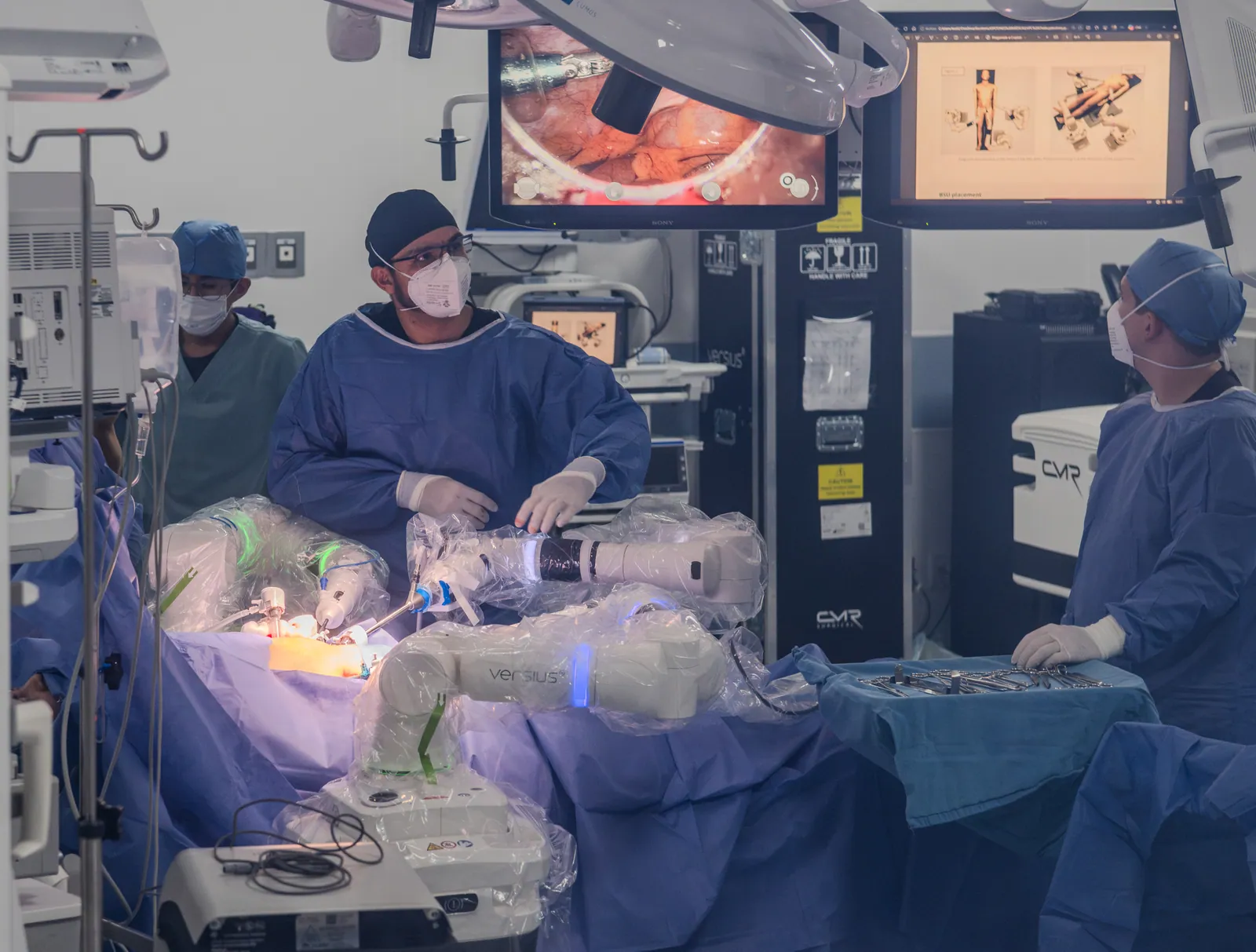
Hospitals and rehabilitation
Most robots in Polish hospitals work where a surgeon needs a third and fourth hand, and a stroke patient needs a first step.
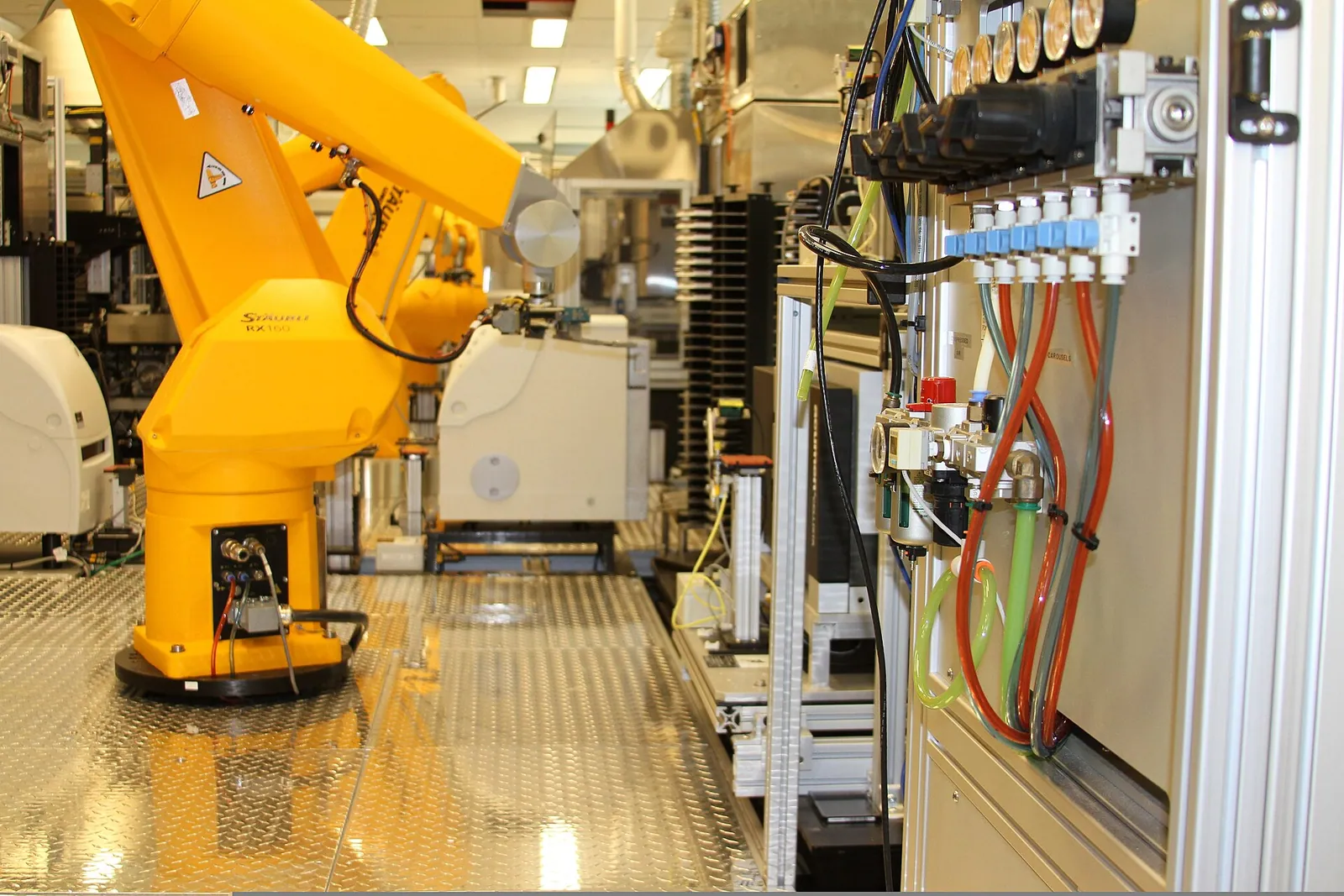
Laboratories
In the lab, repeatability counts: from 5 micrometers (Meca500) to ±0.1 mm (Franka Research 3), with prices starting at about PLN 890 (≈ EUR 205 at NBP rate 4.3716 of 20 October 2026) (SO-101).
Comparison
There is no direct competitor with this set of features, an arm plus a wheeled hospital platform, in our coverage, so below are robots that solve related problems in other environments.
LG CLOi ServeBot is a delivery robot for restaurants and hotels; it transports but does not grasp. It works where carrying a tray between points is enough.
Keenon DinerBot T8 is a popular class of waiter robot; a simpler concept with no arm, good for fixed routes.
Bear Robotics Servi is another delivery robot from the service sector; it shows that in-building transport is a mature segment, but without manipulation.
Mirokaï is a service robot with an expressive, “alive” presence, interesting as an example of how big a role the way a robot communicates with people plays.
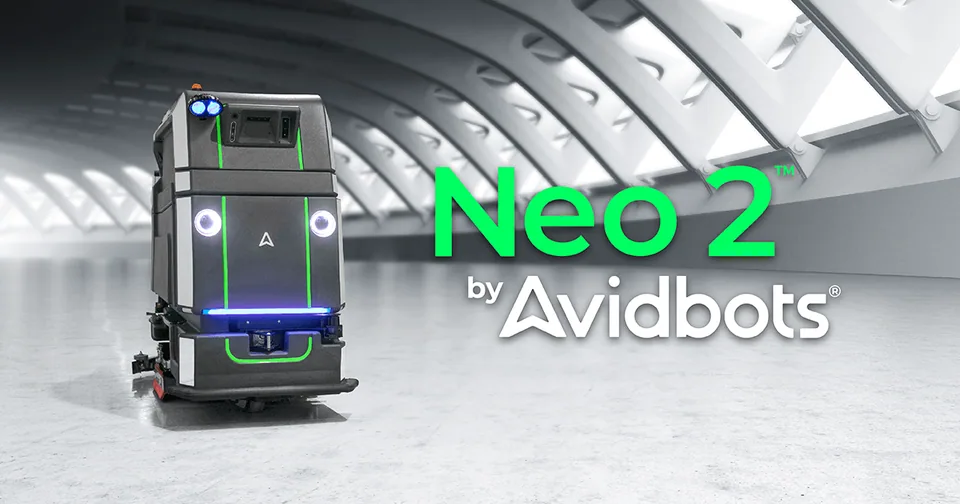
Avidbots Neo 2 is an autonomous cleaning machine; it starts from a different job, but illustrates how mobile platforms are entering public buildings.
Similar models
 on sale
 on sale
 on sale
 on sale
 on sale
Pudu Robotics (Shenzhen Pudu Technology Co., Ltd.)
Pudu CC1
- 1.2 m/sspeed
- 9 hruntime
- 73,680price (PLN)
History
Diligent Robotics was founded in 2017 as a women-led company and has focused on robots for hospitals from the start. Moxi is its product, and version 2.0 is the second generation. The biggest change against Moxi 1.0 is the computer: NVIDIA Thor, which the manufacturer describes as having 10 times the computing power.
The milestone from published sources is the Moxi fleet passing one million completed deliveries in healthcare facilities, reported by the trade outlet The Robot Report. We do not have exact launch dates or earlier versions, so we do not construct a longer timeline.
Sources
Frequently asked questions
Is the Diligent Moxi 2.0 available in Poland?
No. The manufacturer Diligent Robotics (USA) names no Polish shop or official distributor for the Diligent Moxi 2.0; enquiries go through the manufacturer's website (diligentrobots.com). Confirm service in Poland before buying.
Is the Moxi 2.0 a humanoid robot?
No. It is a wheeled mobile manipulator, not a bipedal humanoid.
How many deliveries has the Moxi fleet completed?
Over a million deliveries of supplies, samples and medication in hospital facilities.
How much does the Moxi 2.0 cost?
The unit price is not published; Diligent Robotics offers fleet contracts with hospitals under a Robots-as-a-Service model.
Author, source and licence of the photo are given in the caption. Shop links may become affiliate links in future, details: How we make money · How we check