discontinued
Sarcos Technology and Robotics (now Palladyne AI)
Sarcos Guardian XO
- 113 kgweight
- 90.7 kgpayload
- —price
Price from
HAL, or Hybrid Assistive Limb, is one of the longest-established exoskeletons on the market, sold since 2009 by the Japanese company Cyberdyne, which is listed on the Tokyo stock exchange. The device reads the bioelectric signals of the user's muscles using surface electromyography and assists movement on that basis, which the manufacturer describes as increasing strength by up to ten times.
That sets it apart from exoskeletons controlled purely by motion or force sensors, like some competing rehabilitation systems from Ekso Bionics or ReWalk. By February 2013, about 330 units were being rented at 150 Japanese facilities; HAL operates mainly on a leasing model rather than direct sales, and the manufacturer does not disclose an end-customer price list.
The system has earned global safety certifications for medical applications, and in 2017 a memorandum was signed on supporting people with spinal cord injuries in Saudi Arabia. Cyberdyne also has a German subsidiary (Cyberdyne Care Robotics GmbH) and a US entity, but a presence in Poland is not documented.
A solution for rehabilitation and medical facilities interested in proven, long-established biosignal control technology, not for individual use without clinic support.
no data
Cyberdyne does not state a price for the end customer; HAL operates primarily on a lease in Japan, and the catalog has no retail price. Historically, by February 2013 about 330 units were rented at 150 Japanese facilities, which shows that renting is the standard model there. We do not know the order of magnitude of the fee and do not want to guess; as an estimate, all one can say is that a clinical deployment is the cost of a whole program (device, service and therapist training), not a single purchase. An exoskeleton requires parameters to be fitted to the patient, so the working hours of trained staff are a real budget item. Total cost of ownership is covered in “Humanoid Robot TCO: How to Calculate Total Cost”; its framework (purchase, energy, service, training) translates well to exoskeletons.
No confirmed distributor in Poland
HAL, the Hybrid Assistive Limb, is an exoskeleton that assists movement: sensors on the skin read the bioelectric signals of the muscles (surface electromyography), and the drive supports a movement the user initiated. The manufacturer, the Japanese company Cyberdyne, describes it as amplifying strength by up to ten times. The core use is rehabilitation and medicine: HAL goes to facilities where physiotherapists teach patients to walk again, so its place is in the hospital setting. The second path is physical support in industry: the catalog lists “industry” among the target groups, though medicine remains the core of the offer. In medicine a therapist selects the parameters and watches over the patient; in industry (factories) HAL is listed as physical support for a worker. The difference from many competitors is fundamental: some exoskeletons, like the Ekso Bionics or ReWalk systems, respond to motion and force sensors, while HAL reads the intention to move directly from the muscles. The general mechanism of control and drive is described in “Exoskeletons in Rehabilitation and Industry”. This is a solution for professional use, with a therapist in the loop, not a gadget for an individual user.
Best suited to: rehabilitation and medical facilities that want proven, long-established muscle-signal control technology. HAL has been sold since 2009, holds global safety certifications for medical applications, and has experience from 150 Japanese facilities (as of February 2013). Who it is not for: private individuals without clinic support; the manufacturer works mainly through leasing and does not publish a retail price list. Nor is this an “off the shelf” offer for Polish hospitals: Cyberdyne's presence in Poland is not documented, and the company has a subsidiary in Germany (Cyberdyne Care Robotics GmbH) and an entity in the US. If you head a rehabilitation ward in Poland, start by asking about distribution and reimbursement, then compare HAL with the systems available in Europe, described in the exoskeletons section.
Outside Japan, where HAL operated on lease at 150 facilities (as of February 2013), the record shows the memorandum from Saudi Arabia (2017) and the German subsidiary; these are evidence of an international presence, not a list of hospitals. In Poland, rehabilitation exoskeletons appear in the offers of other manufacturers; see “Exoskeletons in Rehabilitation and Industry” and the overview of companies in “Polish Robotics Companies”. If you represent a facility, ask directly for European references and for who will provide service in Poland.
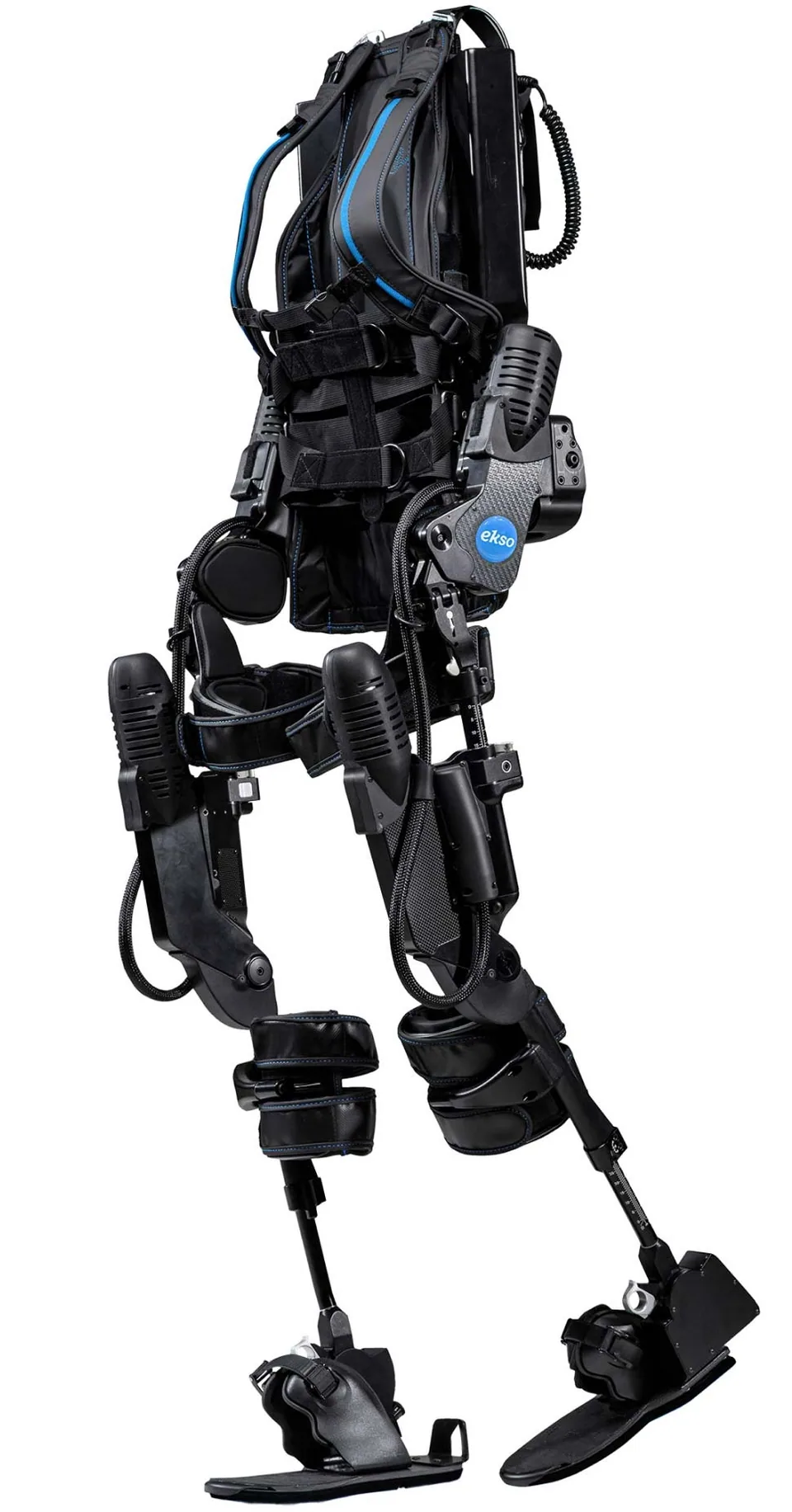
EksoNR is a rehabilitation exoskeleton from Ekso Bionics; choose it when a clinic wants a solution with an ecosystem in Europe and the US and does not care about biosignal control. ReWalk Personal is intended for users with spinal cord injury, including for personal use, so it fits better when independence outside the clinic is the goal. Atalante X is Wandercraft's self-balancing exoskeleton that does not require crutches; according to the catalog it works more than 8 hours a day and has more than 150 customers worldwide, worth considering if you want to avoid supports. LokomatPro represents a different philosophy: a gait training system with more than 1,000 installations and about 70 clinical studies. None of these proposals will replicate HAL's muscle-based control, so the comparison is really about the goal of therapy rather than the technology itself. The choice depends on the patient: equipment is selected differently for a person with a spinal cord injury than for a stroke patient, so ask manufacturers about studies in your group.
Sarcos Technology and Robotics (now Palladyne AI)
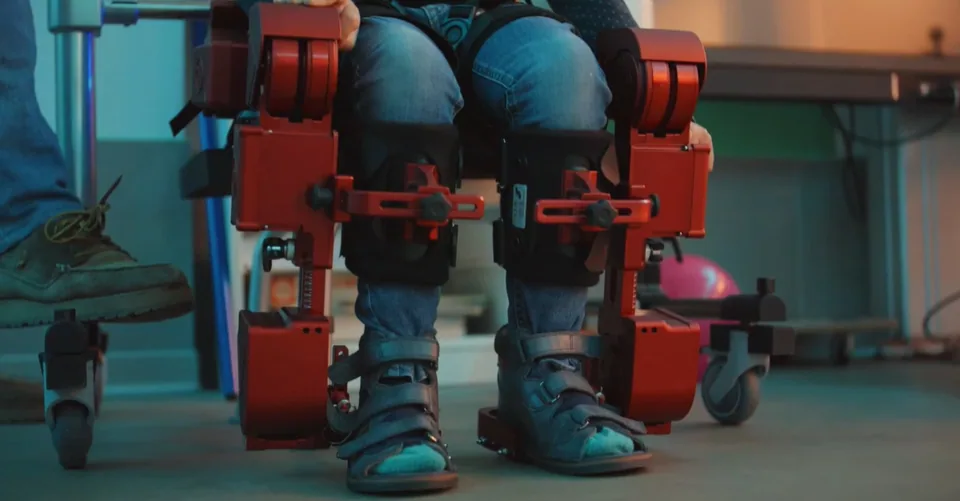
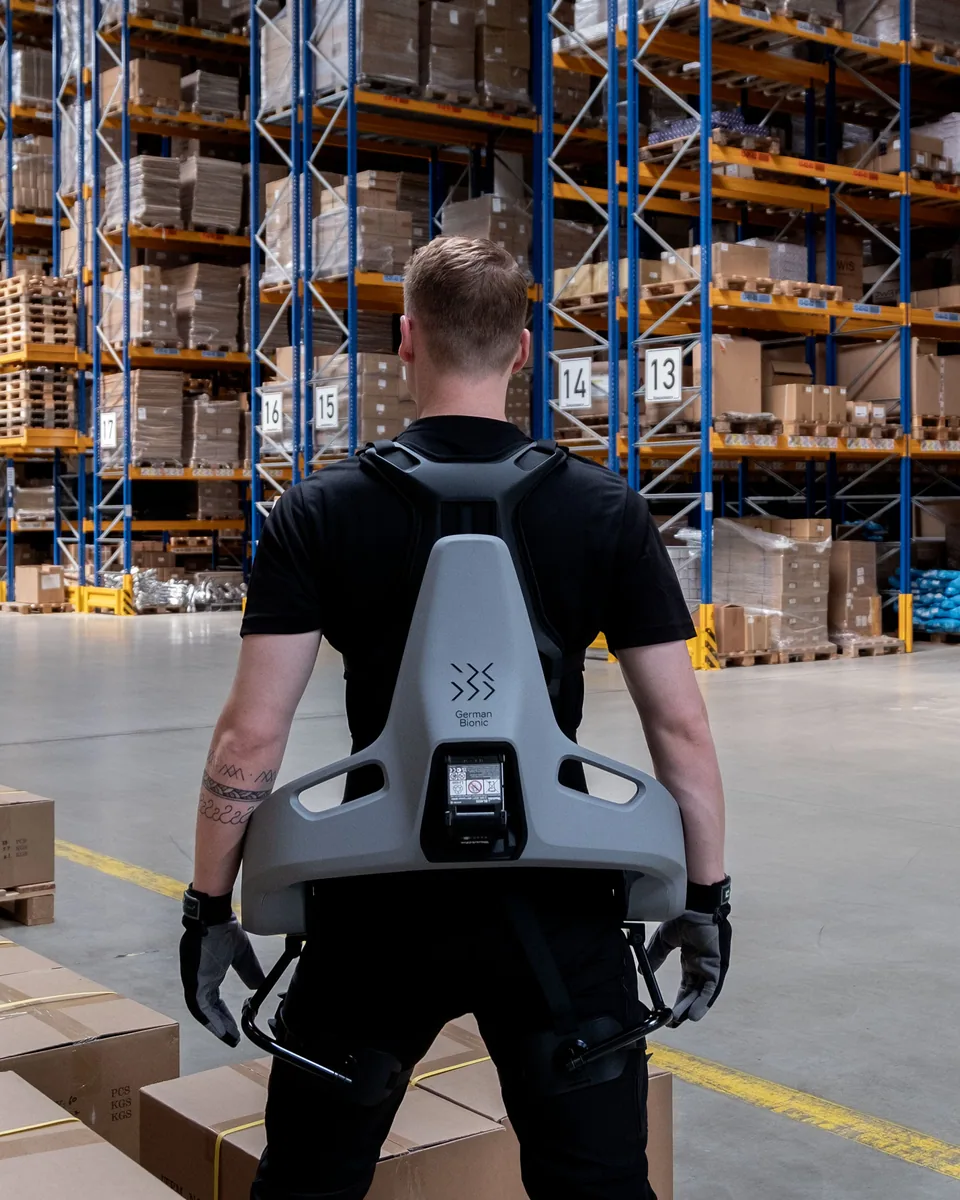
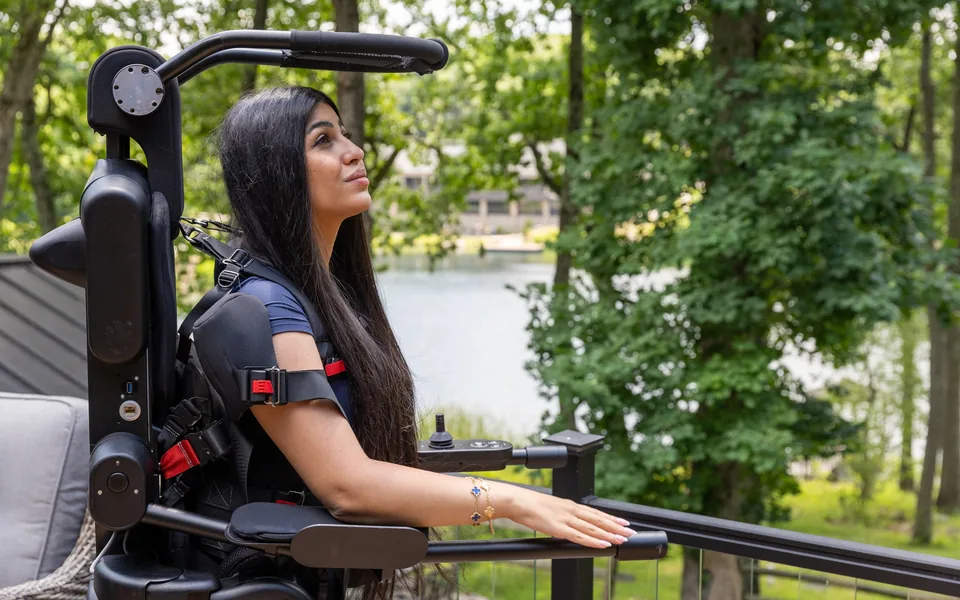
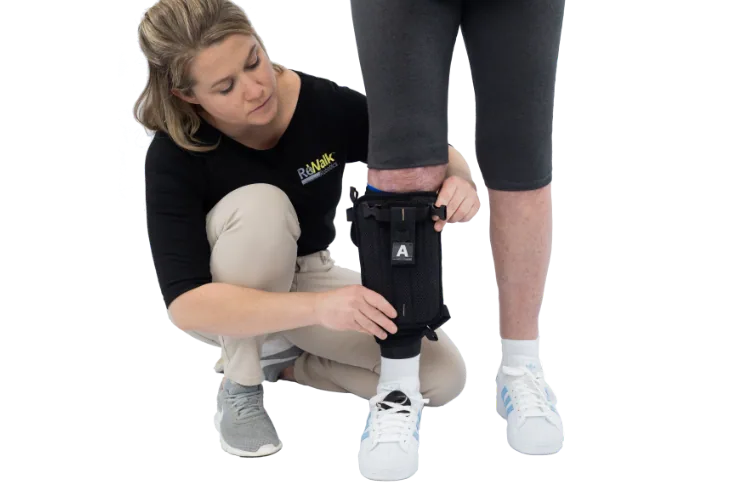
HAL went on sale in January 2009, which makes it one of the longest-established exoskeletons on the market. The manufacturer, Cyberdyne Inc., was founded in 2004 in Tsukuba and is listed on the Tokyo stock exchange. By February 2013, about 330 units were rented at 150 Japanese facilities. The system earned global safety certifications for medical applications, and in 2017 a memorandum was signed on supporting people with spinal cord injuries in Saudi Arabia. The company is also building its international base: the subsidiary Cyberdyne Care Robotics GmbH in Germany and an entity in the US. We do not have a full list of the device's generations, so we do not guess version numbers.
Model unveiled
Sales start
No. The manufacturer Cyberdyne Inc. (Japan) names no Polish shop or official distributor for the HAL (Hybrid Assistive Limb); enquiries go through the manufacturer's website (cyberdyne.jp). Confirm service in Poland before buying.
It reads the bioelectric signals of the user's muscles using surface electromyography and assists movement on that basis, increasing strength by up to ten times according to the manufacturer.
It operates mainly on a leasing model in Japan; the manufacturer does not state a retail price for the end customer.
Cyberdyne has a subsidiary in Germany and an entity in the US, and in 2017 a memorandum was signed on supporting people with spinal cord injuries in Saudi Arabia.
Author, source and licence of the photo are given in the caption. Shop links may become affiliate links in future, details: How we make money · How we check