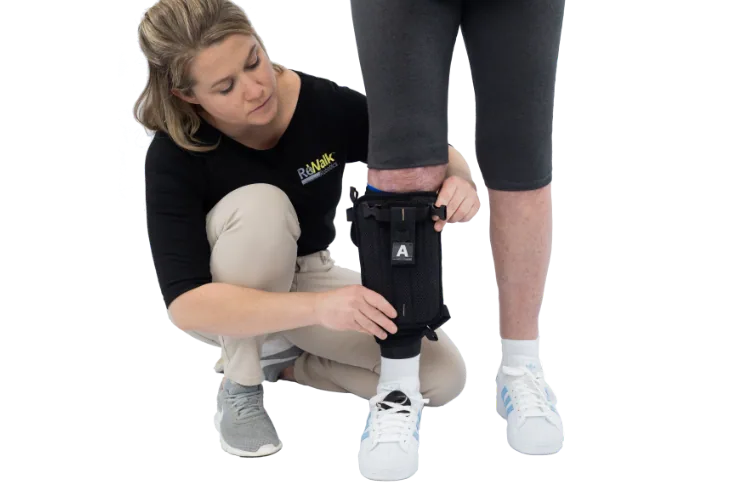
on sale
Price from
The ReWalk Personal, also known as the ReWalk 7, is a rigid lower-limb exoskeleton from Lifeward designed for everyday use by people with spinal cord injury. The manufacturer promotes the latest generation with the slogan "smarter, smoother, more powerful", which suggests improvements over earlier versions, although specific technical data (weight, degrees of freedom, walking speed) is not given.
Historically, the original ReWalk (still under the name ReWalk Robotics) was one of the first powered exoskeletons cleared by the FDA for use by paralyzed people, which gives the model a long clinical track record, unlike newer competitors such as the Cyberdyne HAL.
Unlike the soft ReStore Exo-Suit from the same company, intended for hospital therapy after a stroke, the ReWalk Personal is a device for independent, everyday movement outside a medical facility. The manufacturer does not publish a price list, but the company says that US health insurers, including Aetna and Medicare Advantage plans, are expanding reimbursement.
Its strengths are the long clinical history and its status as one of the pioneers of the category; its weaknesses are the lack of an open price and technical specification. Availability in Poland is not confirmed. The product is aimed at people with paralysis of the lower limbs seeking independent mobility, not at purely rehabilitative use in a clinic.
no data
The price of the ReWalk Personal is not public: we found no price list on the company's website. We do know that, according to Lifeward, US health insurers (including Aetna and Medicare Advantage plans) are expanding the scope of reimbursement. That is a US system, however, and for a Polish patient it doesn't automatically translate into funding. As a rough estimate, as a class of expense this is medical equipment counted in many tens of thousands of zloty or more; treat that as orientation, not an offer. On top of the device itself come usage training, service and follow-up visits. A sensible route in Poland is to talk with a rehabilitation center about funding options from programs for people with disabilities; their scope has to be checked against current rules.
No confirmed distributor in Poland
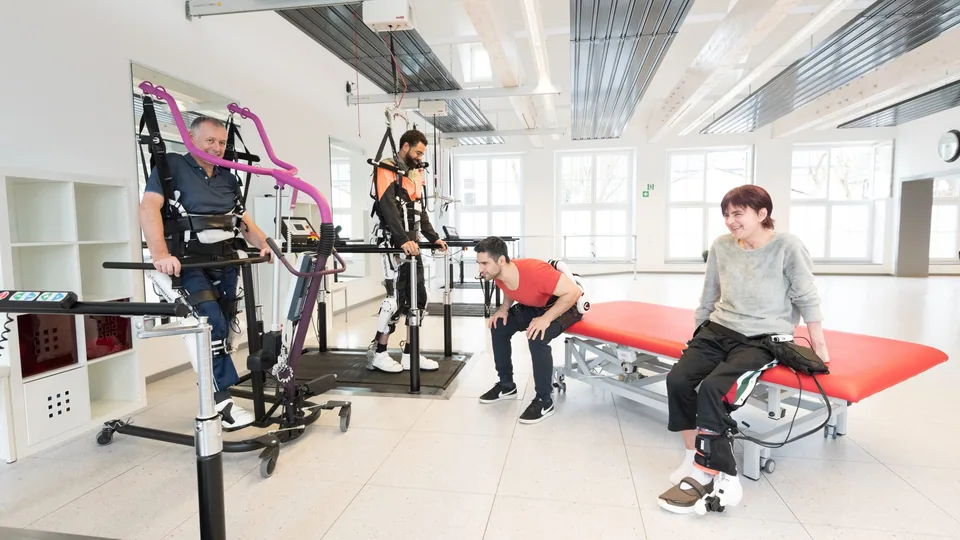
The ReWalk Personal is the seventh generation of Lifeward's exoskeleton (also called the ReWalk 7). The rigid structure wraps around the legs and hips, and the user controls it with a smartwatch on the wrist running the MyReWalk app, which collects gait parameters and sends them to the cloud. It is a device for everyday mobility, not for the therapy room: the manufacturer addresses it to people with paralysis of the lower limbs who want to move around independently outside a medical facility. We found no specific technical data, such as weight, degrees of freedom or walking speed, so we don't give any. Uses beyond personal mobility? The manufacturer proposes none. In a rehabilitation clinic the ReWalk can serve as a training tool (hospitals), but that is not its main role; for post-stroke therapy Lifeward has a separate, soft ReStore Exo-Suit. You can read more about the difference between a rehabilitation and an everyday-use exoskeleton in “Exoskeletons in Rehabilitation and Industry”.
A good fit: people with spinal cord injury who have completed training, have the appropriate medical qualification and want to walk at home and outdoors. Who it doesn't suit: patients seeking therapy after a stroke (a soft exoskeleton in a clinic fits better there), companies looking for support for workers lifting heavy loads, and anyone counting on a list price, which Lifeward doesn't give. Availability in Poland is not confirmed. The previous generation, the ReWalk Personal 6.0, is named among the systems present on the Polish market; the seventh generation has no confirmed distributor here today. Consider a consultation with a rehabilitation physician, and a look at the solutions in exoskeletons.
This much we know: the product sells in the US, where insurers are expanding reimbursement; there are no confirmed deployments in Poland for the seventh generation. According to our sources, about 30 robotic rehabilitation centers operate in Poland, and the older ReWalk Personal 6.0 is named among the systems present on the market. More in the text “Exoskeletons in Rehabilitation and Industry”.
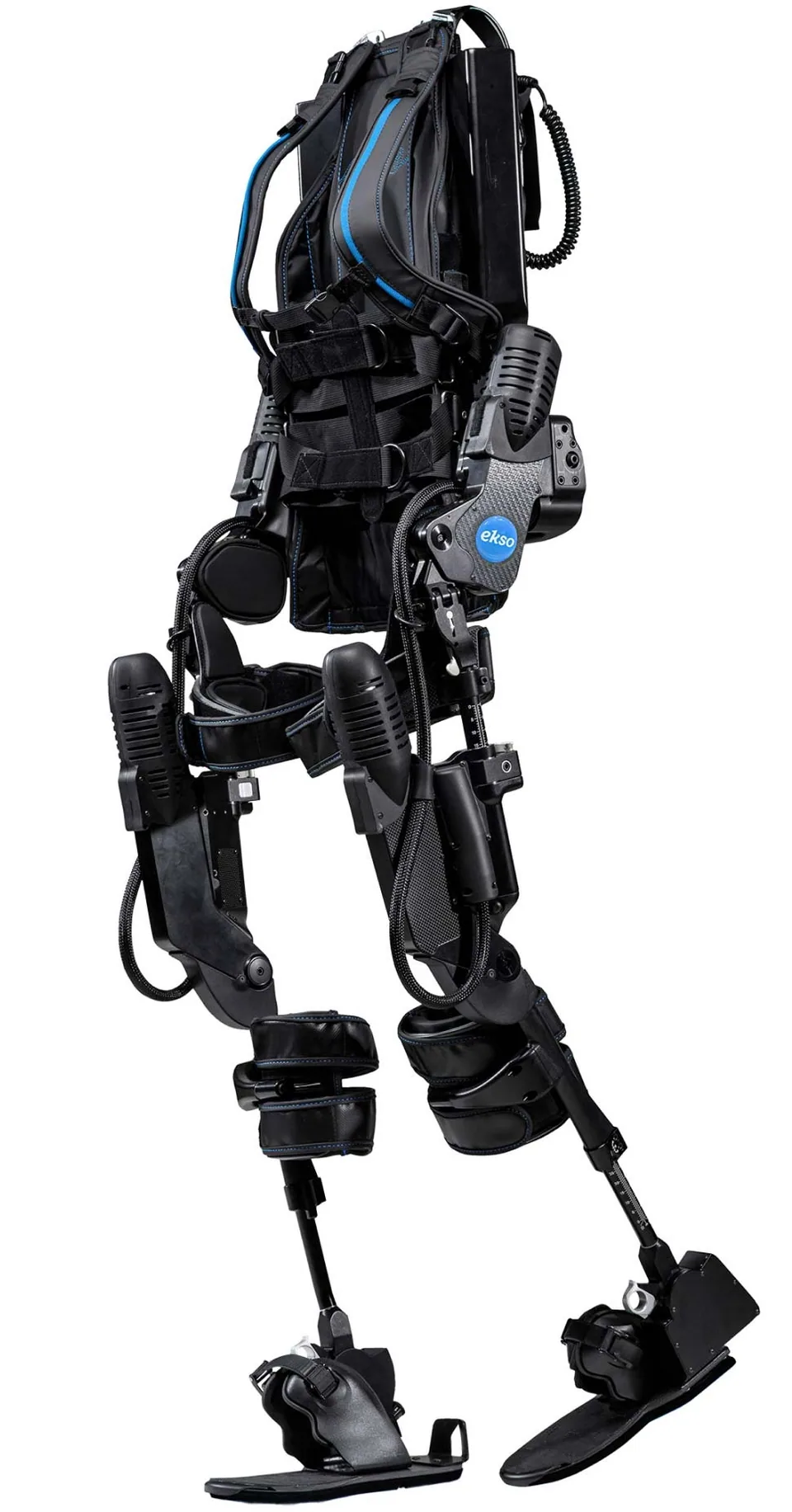
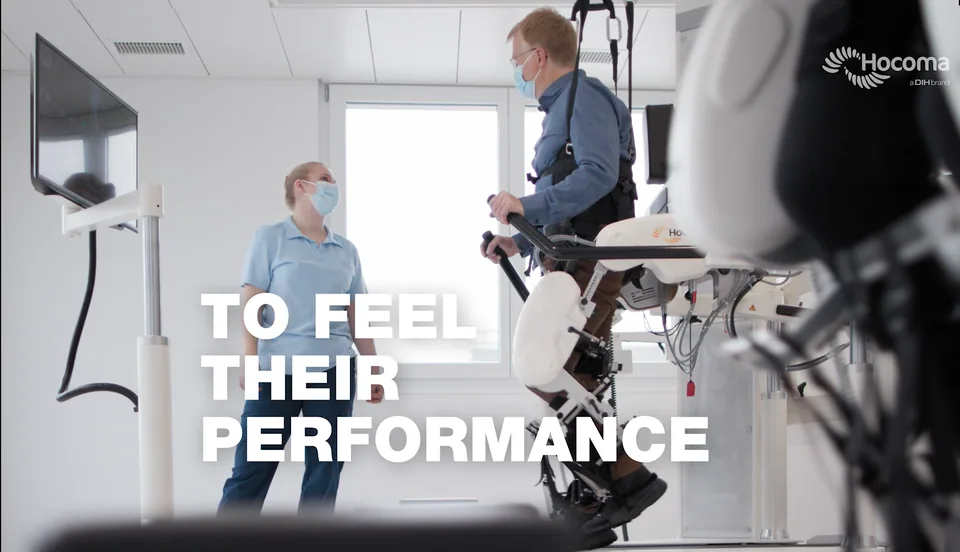
The alternatives depend on the goal. The Ekso Indego Personal is a modular design for use outside the clinic, so it is the closest competitor in the "personal" segment. The EksoNR is a clinical system: it suits centers, not the home. The Eve and the Atalante X are a proposal from France; check which patient groups they are cleared for. The HAL is a Japanese solution available in therapy at selected Polish centers. Each of these devices requires medical qualification, so start the comparison with the question of medical indications, not price.
Sarcos Technology and Robotics (now Palladyne AI)
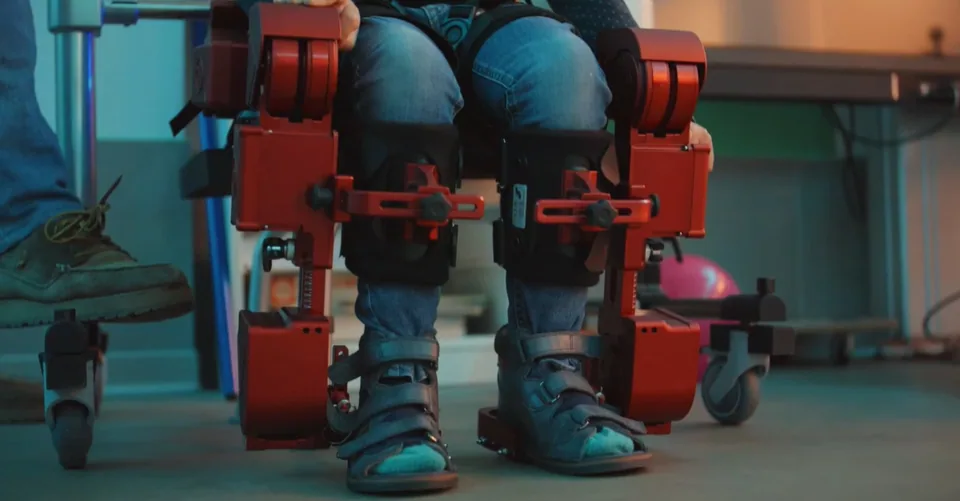
The original ReWalk, still as a ReWalk Robotics product, was one of the first powered exoskeletons cleared by the FDA for use by paralyzed people, which gives the model a long clinical history. The company changed its name to Lifeward. The newest generation, the ReWalk Personal (ReWalk 7), was introduced in March 2025, and US sales began in April 2025. The manufacturer promotes it with the slogan "smarter, smoother, more powerful", which suggests improvements over the ReWalk 6, but gives no figures. Company profile: Lifeward.
Model unveiled
Sales start
No. The manufacturer Lifeward (USA) names no Polish shop or official distributor for the ReWalk Personal (ReWalk 7); enquiries go through the manufacturer's website (golifeward.com). Confirm service in Poland before buying.
For people with spinal cord injury who want to move around independently in daily life outside a medical facility.
The manufacturer says some US insurers, including Aetna and Medicare Advantage plans, are expanding coverage of costs, but the device's price is not publicly stated.
The ReWalk Personal is a rigid exoskeleton for everyday, independent walking, while the ReStore is a soft exoskeleton for gait rehabilitation after a stroke in a clinical setting.
Author, source and licence of the photo are given in the caption. Shop links may become affiliate links in future, details: How we make money · How we check