on sale
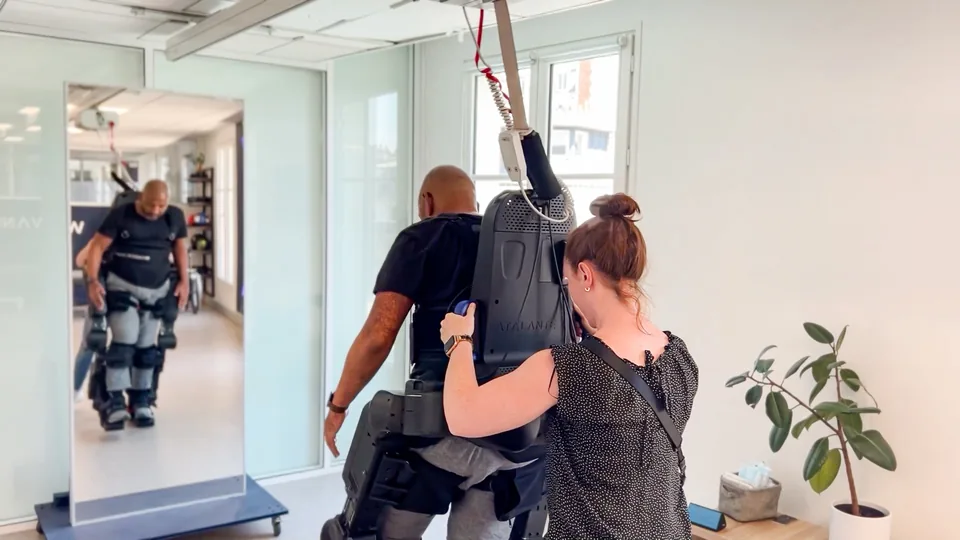
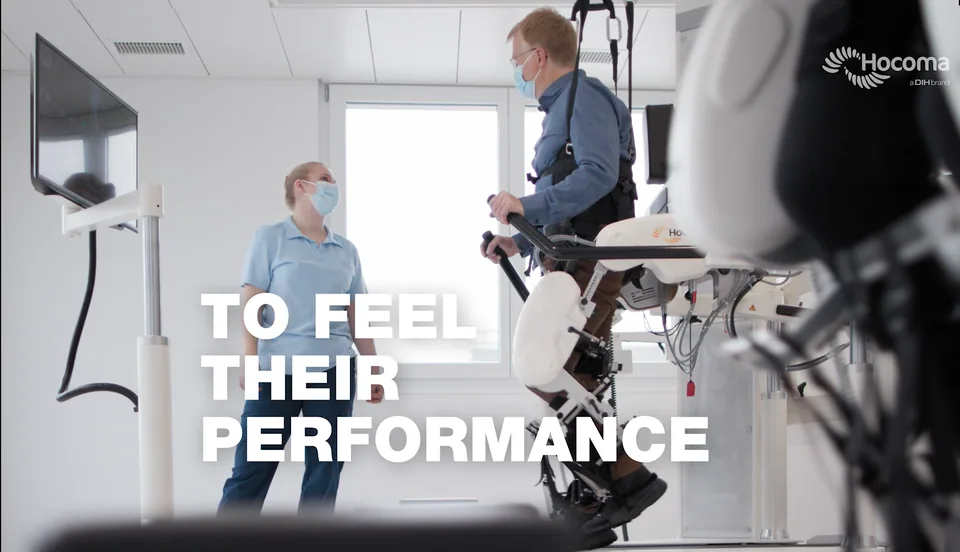
Eve is Wandercraft's exoskeleton for personal use, designed for everyday walking outside a clinical setting, a different direction from the flagship Atalante X, which remains rehabilitation equipment for clinics.
According to a press release dated September 17, 2026, Eve is already commercially available in the US (a sales status, not a pre-order), making it one of the first products in its segment to carry Wandercraft's self-balancing technology from rehabilitation centers into the hands of individual users.
Basic parameters are known: a load capacity of up to 100 kg, a speed of up to 0.25 m/s and a battery life of up to 4 hours (New Atlas). Weight, height and degrees of freedom are still missing, as are the price and any information on availability in Poland.
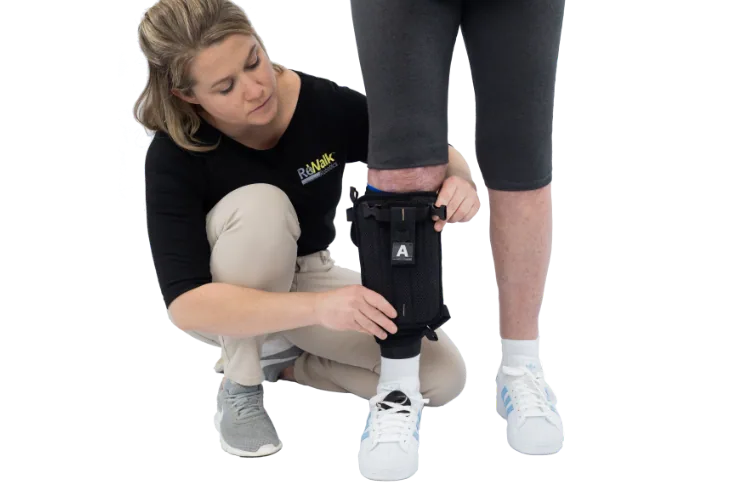
In this segment of personal walking exoskeletons it competes indirectly with solutions such as the ReWalk Personal 6.0, although a direct comparison of full specifications is not yet possible given Eve's missing data. The product is aimed at people with limited mobility who want to use an exoskeleton outside a medical facility, not at clinics or hospitals, for which Wandercraft offers Atalante X.
Data checked: · Sources: 3
Data from manufacturer datasheets and product pages; median over the models of this category in the database.
no data
There is no price for Eve: the manufacturer publishes no price list, and the device is issued by prescription after a clinical assessment, so costs and reimbursement have not been disclosed. We will not give figures we do not know. As a rough estimate, and only as an order of magnitude, personal exoskeletons of this class typically cost tens of thousands of US dollars; that is a guide, not an offer. Home-use costs should include the clinical assessment, training for the user and a caregiver, service, and charging (4 hours of battery life means planning your day around it). In Poland, a realistic route to funding could be support programs for people with disabilities; check the specific options with a local center, as we have no confirmed rules here.
No confirmed distributor in Poland
Eve answers the question: what if an exoskeleton left the clinic? Wandercraft built it for personal use, for walking outside a medical facility in everyday life. The device is meant to let a person with limited mobility stand up, walk across a room and go out for a walk. The known parameters: a load capacity of up to 100 kg (that is, the maximum user weight), a speed of up to 0.25 m/s and a battery life of up to 4 hours, according to New Atlas. A speed of 0.25 m/s is a calm, careful pace, so this is about everyday mobility, not sprinting. The use case in our catalog is mobility in daily life. The model is issued by prescription only after a clinical assessment; it is not a gadget to buy off the shelf. The self-balancing technology known from Atalante X moves here from rehabilitation rooms into the hands of individual users. It is indirectly competing with ReWalk Personal and Ekso Indego Personal. For a fuller picture of the topic see “Exoskeletons in Rehabilitation and Industry”, and for a list of devices see exoskeletons. The everyday setting Eve is meant for is the home and the street (homes).
Eve is for people with limited mobility who want to use an exoskeleton outside a medical facility, and who have passed a clinical assessment confirming that it makes sense. An important detail: not everyone qualifies, because the device is issued by prescription after such an assessment. It is not for clinics looking for therapeutic equipment for many patients; that is what Atalante X is for. Nor is it for anyone counting on a purchase in Poland: the manufacturer gives neither availability, nor price, nor a local distributor, and the start of sales was announced for the US. We do not know the device's weight or degrees of freedom; a complete specification for an informed decision is missing. For a Polish user, the realistic path is to talk to a rehabilitation center and follow the manufacturer's announcements.
Eve has been on the market only since September 2026, so we have no confirmed deployments beyond the fact that the September 17, 2026 press release confirms the start of sales in the US. The category does include devices with a longer track record: ReWalk Personal (ReWalk 7) for everyday mobility and the home Indego, reimbursed by Medicare. You will find the overview in exoskeletons.
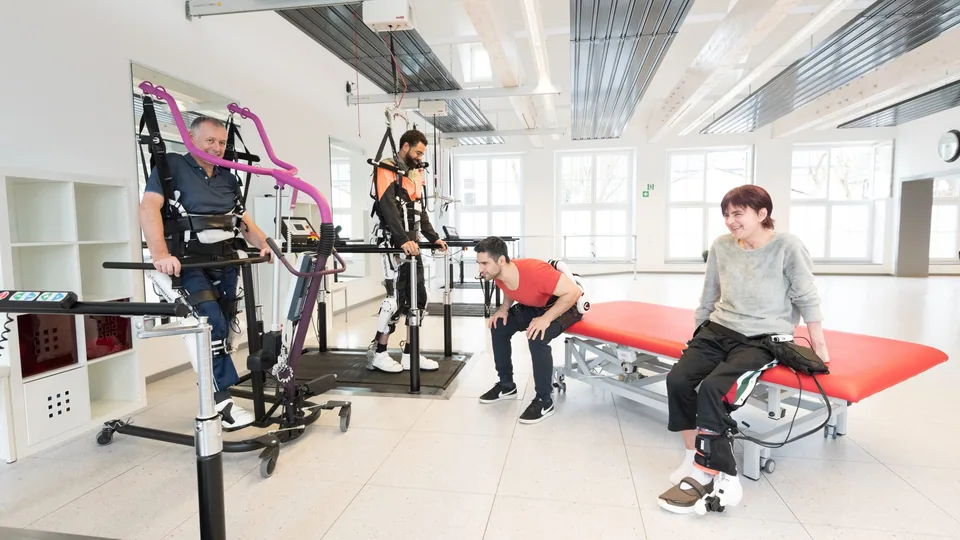
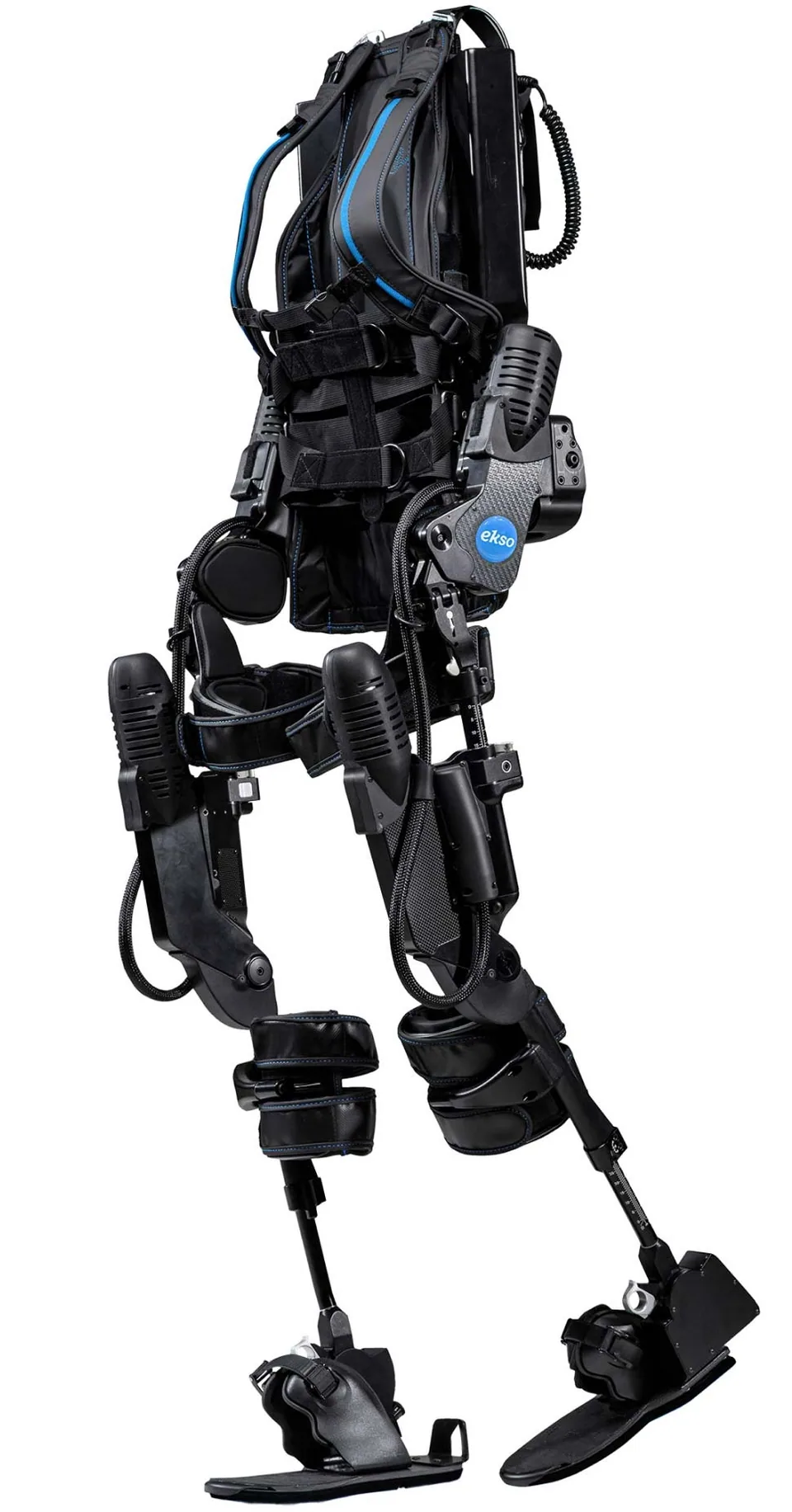
The two closest solutions for personal use are ReWalk Personal, the ReWalk 7, a model introduced in 2025 for everyday mobility of people with lower-limb paralysis, and Ekso Indego Personal, a home exoskeleton for people with paraplegia that has been reimbursed by Medicare in the US since 2024 and weighs 14 kg. Neither has confirmed availability in Poland. If what you want is gait training in a clinic rather than home equipment, consider Atalante X or EksoNR; those models are for facilities. When choosing, compare the reimbursement path and service first, and only then the parameters. None of these models has a Polish price, so it is worth basing the decision on a conversation with your treating physician and physiotherapist rather than on a table of parameters.
Sarcos Technology and Robotics (now Palladyne AI)
Eve was announced for summer 2026. Wandercraft, a Paris company with an established position in self-balancing exoskeletons (Wandercraft), first showed it as a pre-order product. According to a press release dated September 17, 2026, Eve is already commercially available in the US; this is the start of sales, not a pre-order. For the company it is a change of direction: the flagship Atalante X is rehabilitation equipment for clinics, while Eve carries the same philosophy into the hands of individual users. The model is very young, and independent tests and reviews are still lacking.
Model unveiled
Sales start
Eve is already commercially available: Wandercraft's press release of September 17, 2026 confirms the start of sales in the US, so this is no longer a pre-order stage.
Eve is a model for personal use outside the clinic, while Atalante X remains rehabilitation equipment for medical facilities.
The price has not been given. What is known is the load capacity (up to 100 kg), speed (up to 0.25 m/s) and battery life (up to 4 hours, per New Atlas); weight, height and degrees of freedom remain unknown.
Author, source and licence of the photo are given in the caption. Shop links may become affiliate links in future, details: How we make money · How we check