on sale
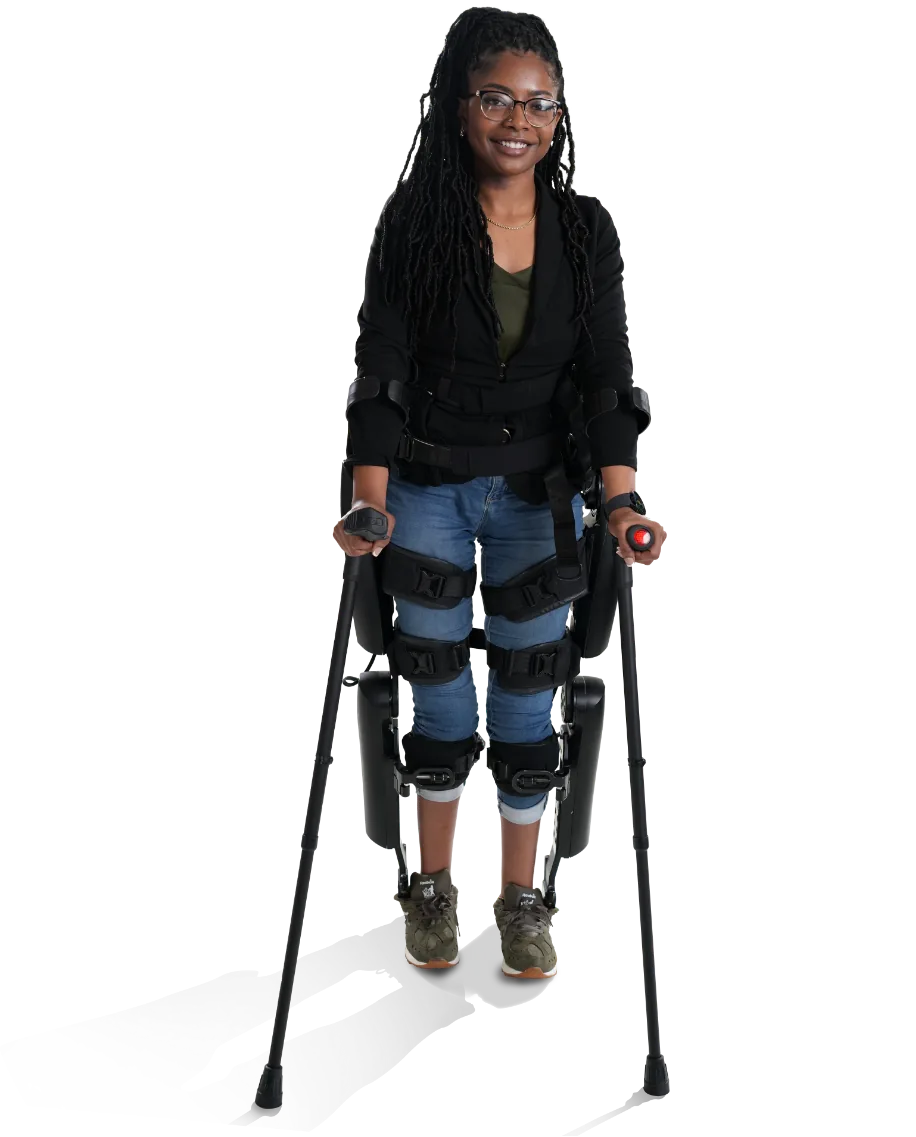
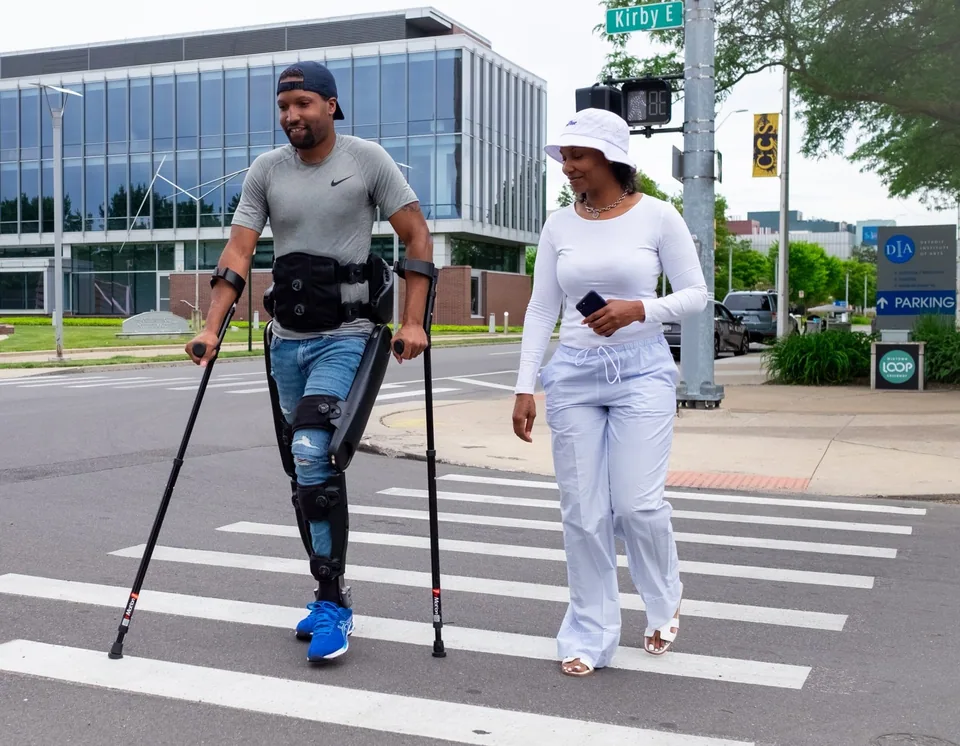
The ReStore Exo-Suit is a soft, textile exoskeleton from the US company Lifeward (formerly ReWalk Robotics), designed for gait rehabilitation after a stroke. Unlike rigid, metal exoskeleton frames, the ReStore uses flexible textile components driven electrically, which makes it lighter and less restrictive of the patient's natural gait pattern.
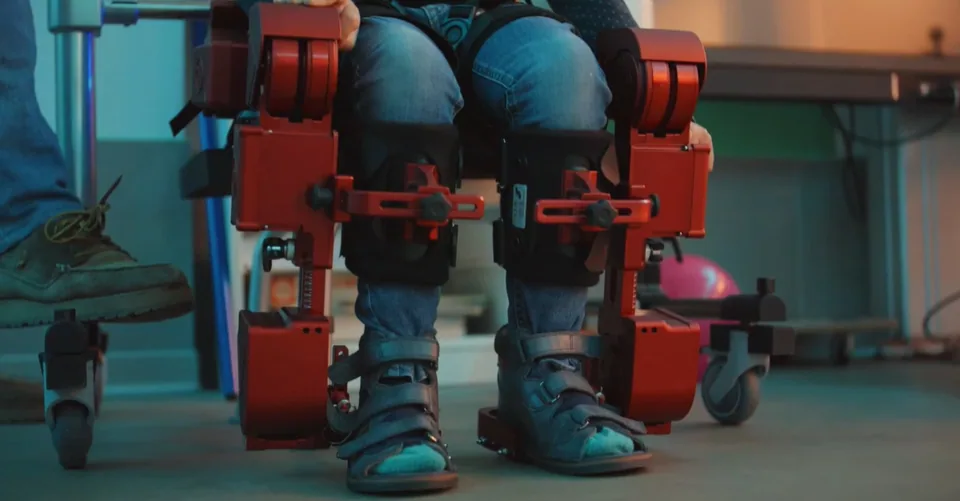
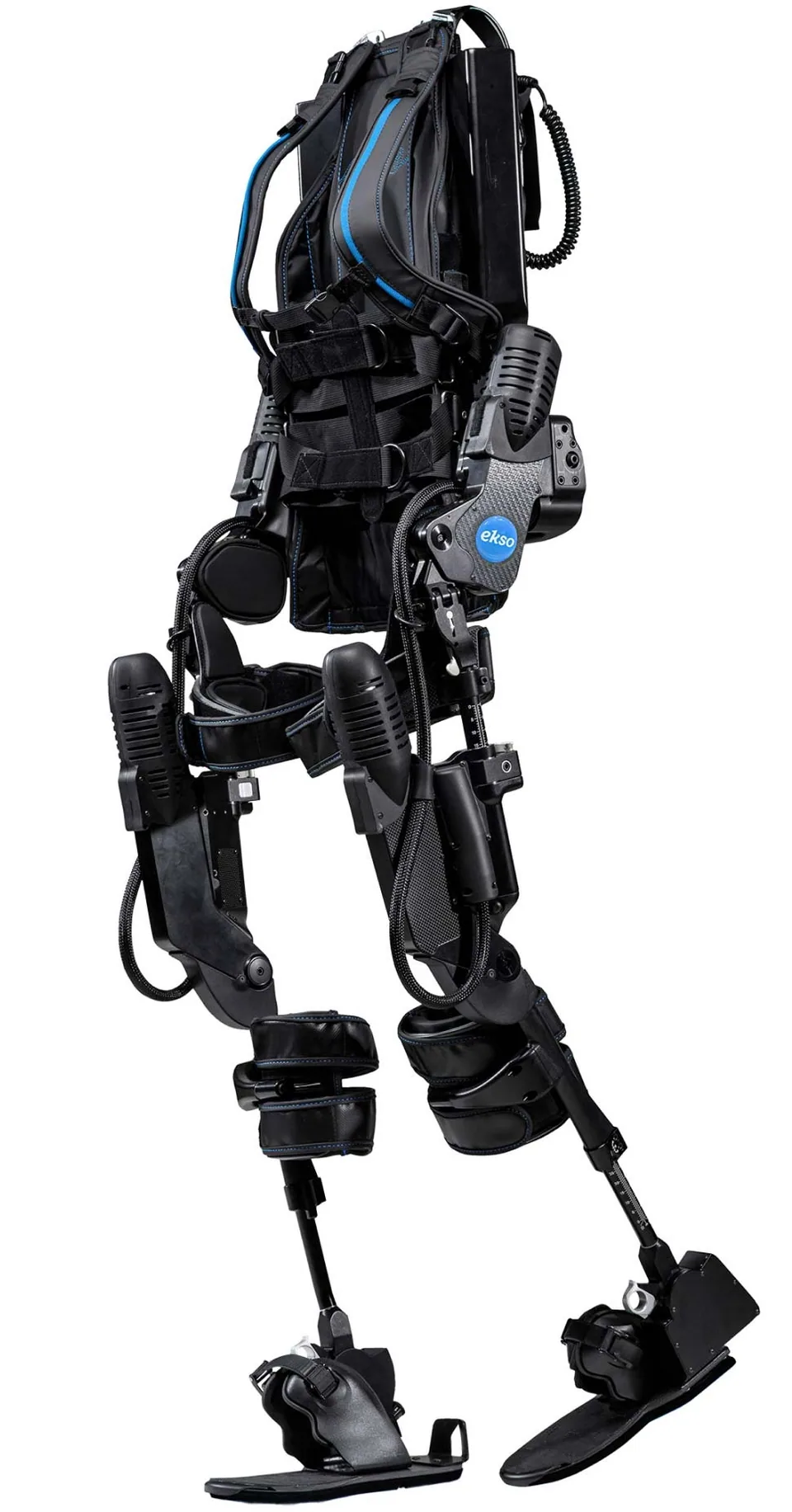
In hospital rehabilitation it competes mainly with systems such as Ekso Bionics, and within Lifeward's own portfolio with the company's rigid ReWalk Personal, which is intended for a different group of patients (spinal cord injury, personal rather than clinical use).
The ReStore is part of Lifeward's broader portfolio, which also includes AlterG anti-gravity treadmills and FES systems for cycle training (MYOLYN). The model's strength is a soft, lighter design that eases gait therapy in clinical settings; its weakness is a complete lack of publicly available technical and price data, which makes it hard to judge against the competition.
Availability in Poland has not been confirmed by the manufacturer. The device is aimed at clinics and rehabilitation centers treating stroke patients, not at individual purchase.
Data checked: · Sources: 4
Data from manufacturer datasheets and product pages; median over the models of this category in the database.
no data
The price of the ReStore is not publicly known: the manufacturer doesn't publish it, and the device is sold to clinics on request. We won't guess a figure, because in this class of medical equipment the spread can be large. As a rough estimate (our assessment, not manufacturer data), expect an outlay at the level of clinical equipment, not a toy, plus therapist training, service and possibly gait-analysis software. Running costs are mainly staff time: a therapy session requires a trained physiotherapist. Ask the distributor about a lease or leasing offer if the clinic doesn't want to tie up capital.
No confirmed distributor in Poland
The ReStore Exo-Suit is a soft exoskeleton from Lifeward: a light, powered textile garment worn around the hips and calves. There is no metal cage around the legs: elastic elements support the movement at the moment the patient pushes off and shifts weight, while sensors in the shoe insoles analyze the gait step by step. The main use is gait therapy after a stroke in a clinical setting, the world of the hospital. The manufacturer does not target the device at home use; it is equipment for facilities where a qualified therapist works. The soft design has one practical advantage: it is light (5 kg) and restricts the natural gait pattern less than rigid exoskeletons, which we cover in “Exoskeletons in Rehabilitation and Industry”. Hard data for a full assessment is missing: the manufacturer doesn't publish the number of degrees of freedom, battery runtime or adjustment range in easily accessible sources, so a clinic has to request the datasheet directly when choosing (how to read one is covered in “How to Read a Robot Datasheet”). There are no uses outside medicine, and it isn't worth looking for any: this is a therapeutic robot, not a tool for a factory or warehouse.
A good fit: clinics, neurology wards and rehabilitation centers that run gait therapy for stroke patients and want to add a light robotic solution to their offering. Who it doesn't suit: private individuals, since the ReStore is sold to facilities and not for individual purchase. Nor is it a solution for patients with spinal cord injury who are looking for independent everyday mobility; that segment is served by the rigid ReWalk Personal from the same company. An important caveat for a Polish hospital: availability in Poland has not been confirmed by the manufacturer, so before you start planning a budget, ask about a distributor, service and staff training. It is also worth setting the ReStore against the full map of solutions in the exoskeletons category.
We know that the device has FDA clearance and is sold to clinics in the US, but the names of facilities have not been verified. If you want to see what robotic rehabilitation looks like in Poland, look at the text on exoskeletons: Polish centers mainly run Ekso, Indego and ReWalk systems today, and you'll find a map of these solutions in the exoskeletons category.
If the ReStore doesn't fit or isn't available, there are several sensible routes in the category. The EksoNR is a rigid clinical exoskeleton, well known in Polish rehabilitation centers; choose it when you need full leg drive. The Ekso Indego Personal is a modular design from the same manufacturer, better when use outside the clinic matters too. The LokomatPro is a solution from a different class: a stationary training system that is useful where a clinic has the space and the budget for a large apparatus. The Atalante X is worth checking if you care about an exoskeleton for walking without crutches. The final choice depends on whether you need soft support (the ReStore) or full support.
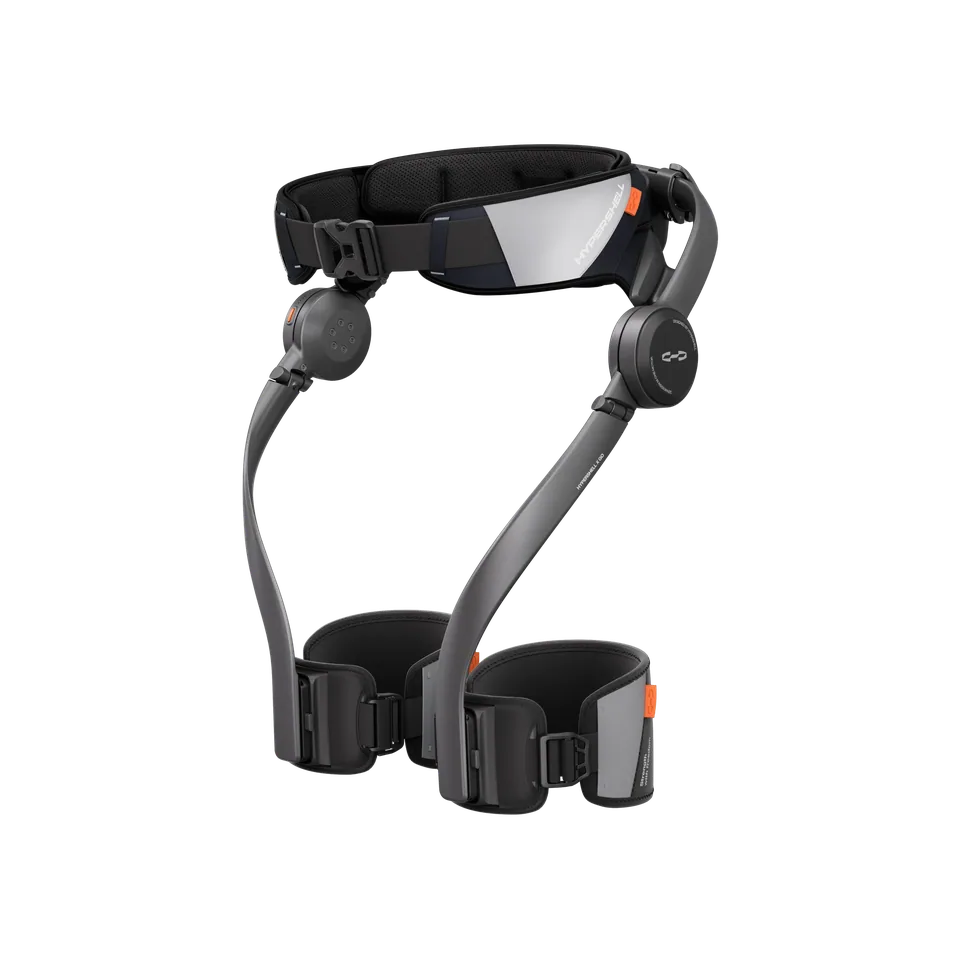
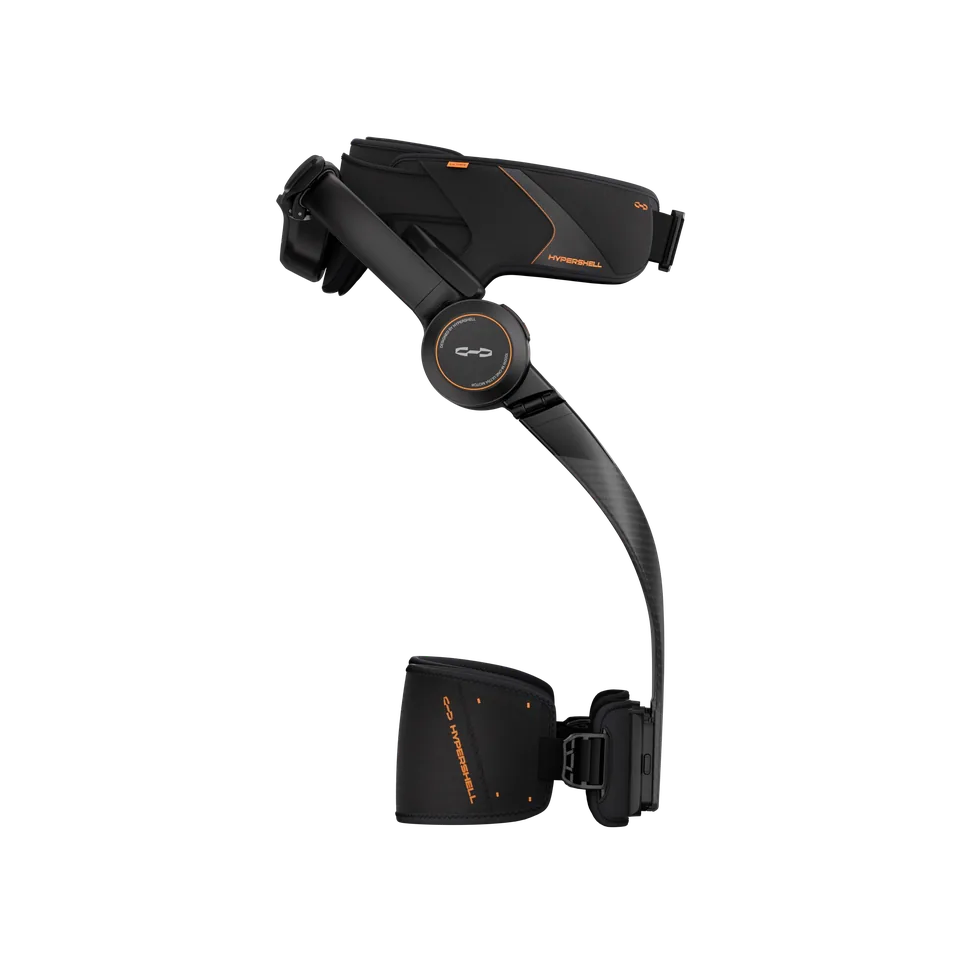
The ReStore Exo-Suit was introduced in June 2019, when the US FDA cleared the device (document K190337); according to the company's announcement, it is the first soft robotic exoskeleton with such clearance for stroke rehabilitation. Sales began the same month. The company, formerly ReWalk Robotics, changed its name to Lifeward and today keeps the rigid ReWalk and the soft ReStore under one roof: two different approaches to the same problem, getting back to walking. There are no documented later generations of the ReStore, so we don't invent a "version 2". Company profile: Lifeward.
Model unveiled
Sales start
No. The manufacturer Lifeward (USA) names no Polish shop or official distributor for the ReStore Exo-Suit; enquiries go through the manufacturer's website (golifeward.com). Confirm service in Poland before buying.
It is a soft, textile exoskeleton that supports gait rehabilitation in patients after a stroke.
The ReStore is a soft textile design for clinical post-stroke therapy, while the ReWalk Personal is a rigid exoskeleton for everyday personal use by people with spinal cord injury.
The manufacturer does not publish the device's price; it is sold to clinical facilities, not to private individuals.
Author, source and licence of the photo are given in the caption. Shop links may become affiliate links in future, details: How we make money · How we check