on sale
Price from
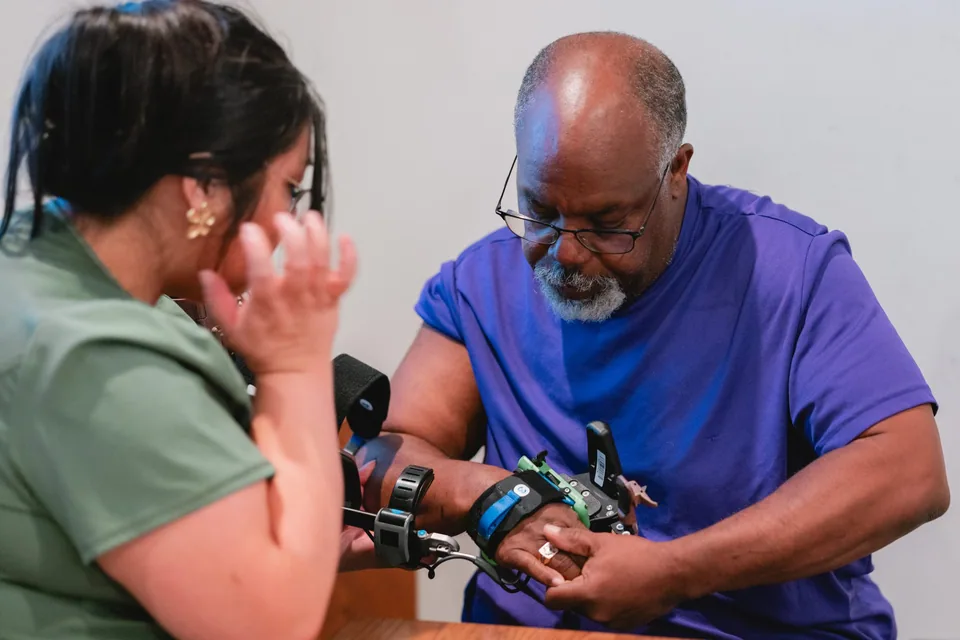
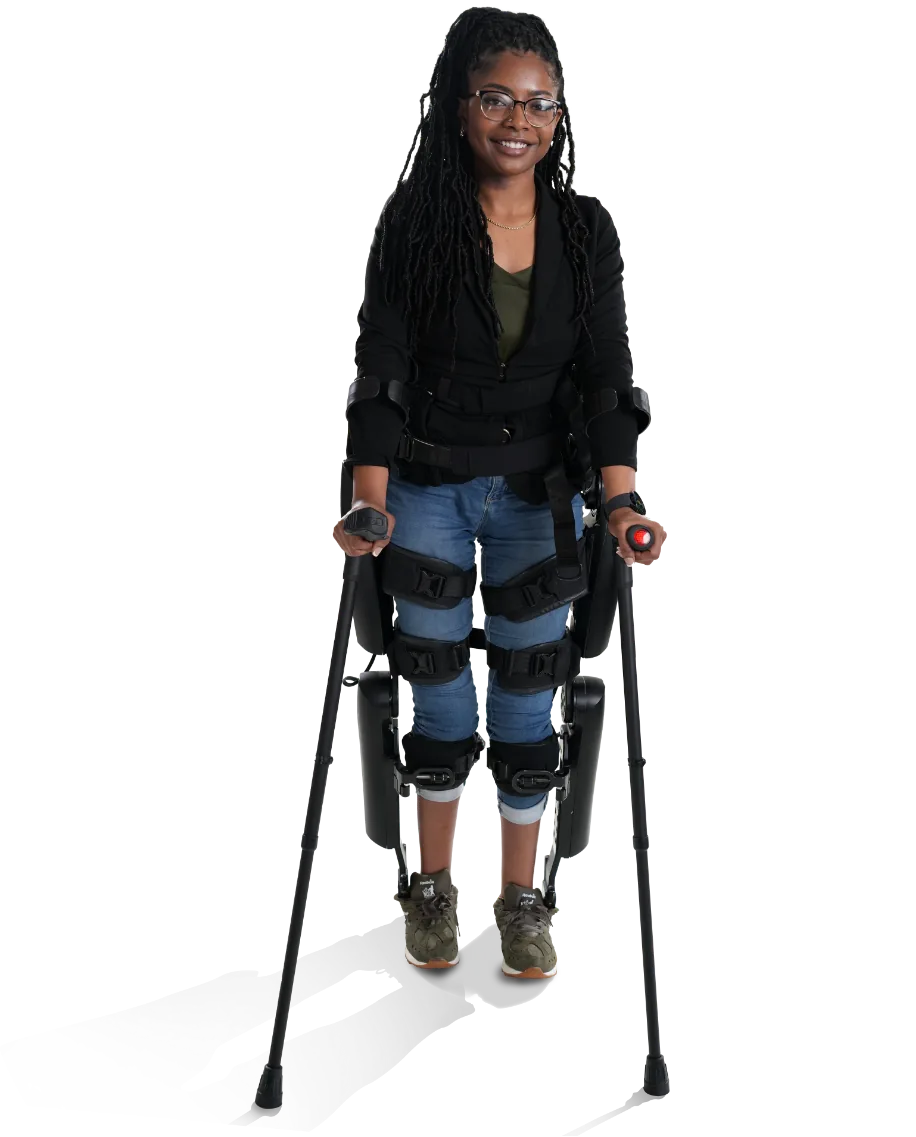
Indego Personal is an Ekso Bionics model designed for everyday use at home by people with lower-limb paralysis - unlike rehabilitation exoskeletons used only in clinics. It is electrically driven, but the manufacturer states neither the height, the weight of the device nor the number of degrees of freedom, so the available technical data is very limited.
The model's biggest asset is its market standing: the Indego line came to Ekso Bionics in 2022 through an acquisition from Parker Hannifin, and in April 2024 the US Medicare program began reimbursing Indego Personal - a rare achievement among home exoskeletons that suggests clinical maturity.
Ekso Bionics is a publicly traded company (NASDAQ: EKSO) founded in 2005 in San Rafael, California, split into a medical segment (Ekso Health) and an industrial one (Ekso Works). Against competitors such as the US-made ReWalk, Indego stands out for its modular, segmented construction, but the manufacturer's materials lack an explicit list price - the cost is set individually, most likely with the involvement of an insurer or distributor.
There is no mention of availability in Poland or Europe; the product is sold mainly in the US market under Medicare reimbursement. For an individual Polish buyer this means, in practice, importing and talking directly to the manufacturer. The model is recommended only for people with paraplegia looking for equipment to walk independently at home, not for rehabilitation facilities.
Data from manufacturer datasheets and product pages; median over the models of this category in the database.
no data
We found no list price: the manufacturer does not publish one, and the cost is set individually. What we do know is that Medicare reimbursement for Indego Personal began in April 2024 - information that concerns the United States only. For a Polish patient it translates into no amount whatsoever.
As a rough estimate, since the sources lack figures: personal exoskeletons of this class are medical equipment priced in the hundreds of thousands of zloty, which is why in Poland renting or purchase by a foundation or a facility is more realistic than an individual purchase. On top of the cost of the device come training for the user and caregiver, servicing and batteries. Before comparing with other models, see how to calculate total cost in “Humanoid Robot TCO: How to Calculate Total Cost”.
No confirmed distributor in Poland
Ekso Indego Personal is a lightweight exoskeleton for people with paraplegia, designed for use at home and in the immediate neighborhood rather than only in a clinical room. The manufacturer lists everyday home use by people with lower-limb paralysis as the application, which sets this model apart from stationary exoskeletons operated by a therapist exoskeletons.
Specifically: the device weighs 14 kg, is electrically driven, has two degrees of freedom (DOF) in the description we have on file, and the manufacturer gives battery life as about 4 hours. The device lets the user stand and walk outside a clinical room. For many people what matters is less the distance than what standing up gives: a change of perspective, movement, loading of the bones. Health effects are described in the scientific literature (including a review in the journal "Robotics"), but specific outcomes depend on the type of injury and on rehabilitation.
This model has no industrial or warehouse applications - it is medical equipment, not a work tool. Exoskeletons that relieve a worker when lifting are covered in “Exoskeletons in Rehabilitation and Industry” and by the model Sarcos Guardian XO. For hospital rehabilitation there are systems such as EksoNR or LokomatPro.
Yes: for an adult with paraplegia who wants to practice walking and standing at home, after prior training with a therapist. The manufacturer intends the device precisely for private users, as opposed to exoskeletons used only in clinics. Also yes for centers that want to hand the patient the equipment for continued use after inpatient therapy ends.
No: for people looking for support in physical work or in sport - that is not this class of device. No for those who need a quick purchase in Poland: the manufacturer names no distribution in Poland or Europe, and Ekso Bionics sells mainly in the United States. No without the decision of a physician and a physiotherapist - patient selection, qualification and training are part of safety, not a formality. Finally: not for anyone counting on reimbursement from Poland's National Health Fund (NFZ), because we know of no confirmed reimbursement pathway in Poland; the support we know of concerns the US Medicare program.
We have also found no public data on the number of users worldwide - all we know is that the equipment is sold mainly in the United States and that Medicare has covered it since April 2024.
What the category looks like: in Europe, rehabilitation exoskeletons are found mostly in clinical centers. The Polish centers that use such technologies, and the scope of their work, are described in “Exoskeletons in Rehabilitation and Industry”. Models intended for the home, besides Indego, include ReWalk Personal.
The closest counterpart for people with paralysis is ReWalk Personal - also a personal model, intended for use outside the clinic, so it is compared with Indego within the same category of needs. A second route is Eve, that is Wandercraft's Eve: a design that keeps its own balance and needs no crutches, but works more in facilities than at home.
For rehabilitation centers the natural choice is EksoNR from the same manufacturer - the clinical version, designed for use under a therapist's supervision. Anyone who needs stationary gait training on a treadmill with body-weight support can consider LokomatPro. Keep in mind, though, that this is a completely different class: the apparatus stays in the treatment room and will not leave the building with the patient. The final choice is always agreed with the medical team. It is also worth setting the model beside the exoskeleton HAL - a Japanese design with a completely different philosophy, responding to the bioelectric signals of the muscles, intended mainly for centers. Each of these devices requires medical qualification, so compare them together with the treating physician.
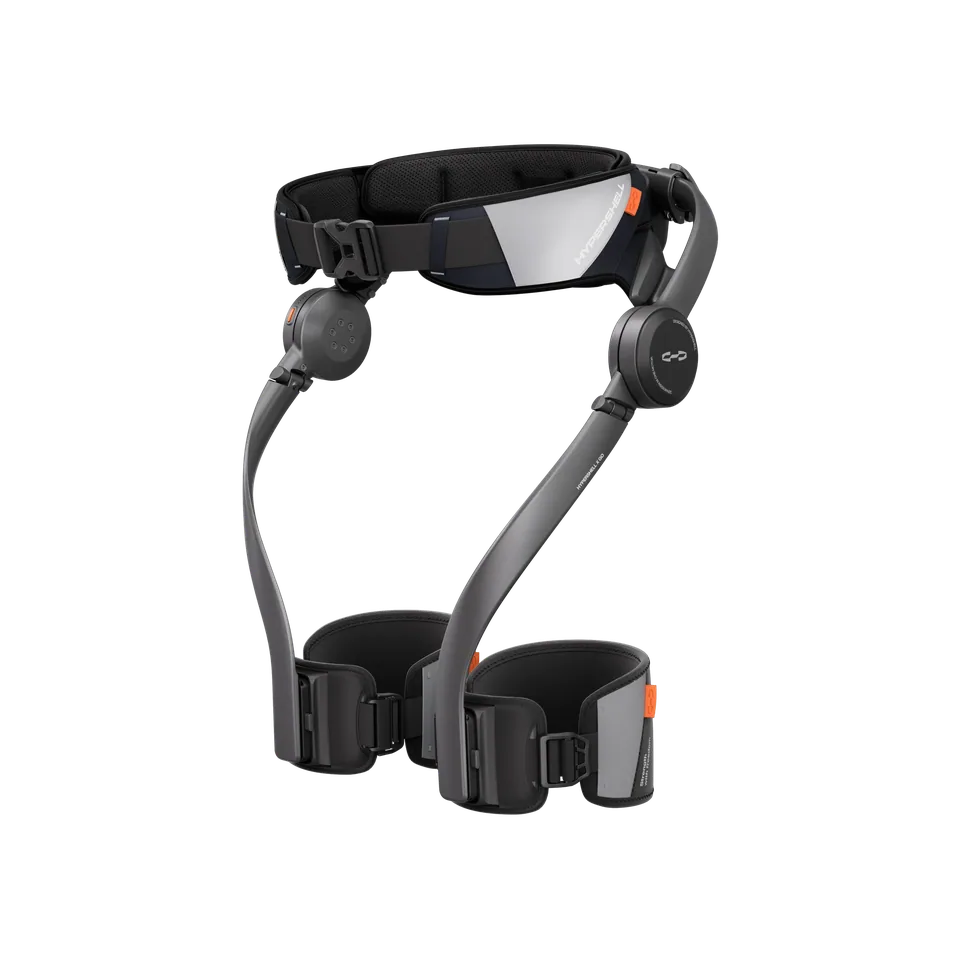
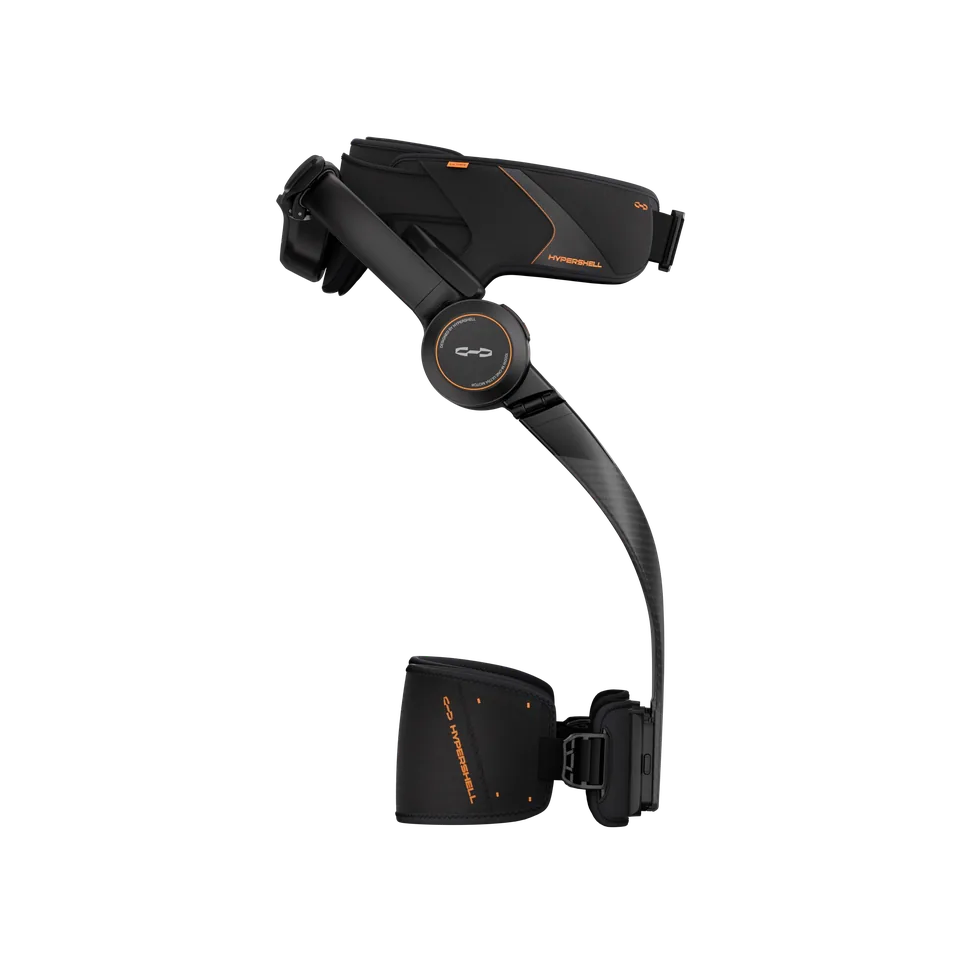
Sarcos Technology and Robotics (now Palladyne AI)
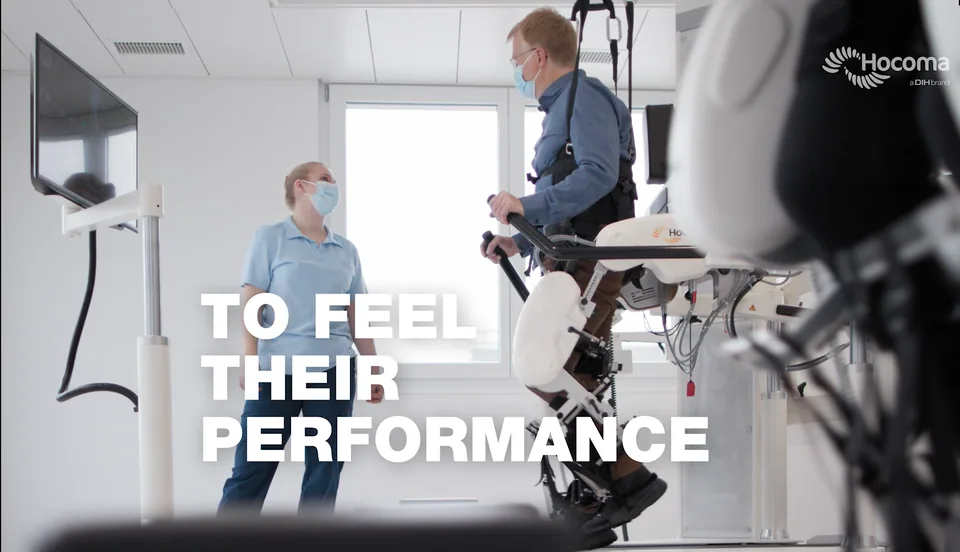
Ekso Bionics was founded in 2005 in San Rafael, California, and is listed on the NASDAQ exchange under the symbol EKSO. The company took over the Indego line from Parker Hannifin in 2022 - which gave it, alongside the clinical EksoNR, equipment for personal use. The Personal version itself gained Medicare reimbursement in April 2024, an important moment for private users in the US, because it opened the way to reimbursement of the purchase cost. We have no exact launch date or earlier generations of this model on file, so we do not build a timeline out of it. You will find the newer clinical exoskeleton from the same manufacturer under EksoNR, and the company profile at Ekso Bionics.
The manufacturer names no distribution in Poland or Europe; Ekso Bionics sells mainly in the US market.
There is no official list price - the cost is set individually, and in the US it has been partly reimbursed by Medicare since April 2024.
For people with lower-limb paralysis (paraplegia) for everyday, independent use at home, as opposed to exoskeletons used only in clinics.
Author, source and licence of the photo are given in the caption. Shop links may become affiliate links in future, details: How we make money · How we check