on sale
Data from manufacturer datasheets and product pages; median over the models of this category in the database.
COBOTTA is the smallest cobot from Japan's DENSO Robotics, which grew out of the automotive line automation of the DENSO group. The arm weighs just 4 kg, has 6 axes with torque and speed sensors on each, a payload of 0.5 kg and a reach of 342.5 mm, and the controller is built into the arm, so there is no separate control cabinet.
Programming is done through the visual “COBOTTA World” app on a tablet, which lowers the barrier for users with no industrial robotics experience. The price is not published and is available only on request from distributors, and availability in Poland has not been confirmed.
In the ultra-compact cobot segment, COBOTTA competes with the likes of the Universal Robots UR3e: it offers less payload and reach than the UR3e, but wins on light weight and compactness, which makes it easier to integrate into a small workbench space.
Its strengths are DENSO's decades-long heritage of automotive automation reliability and its simple deployment; its weakness is a very low payload, which limits use to light pick-and-place tasks and test-station automation. It suits laboratories, demonstration stands and education, and is a poorer fit for tasks that need greater gripping force.
no data
The COBOTTA price is not published; it is available on request from distributors only. We can, however, offer some reference points: the larger COBOTTA PRO 900 costs about PLN 124,000 (≈ EUR 28,410 at NBP rate 4.3641 of 21 October 2026), the UR3e about PLN 135,700 (≈ EUR 31,090), and the educational myCobot 280 about PLN 2,500 (≈ EUR 575). As a rough estimate, the ultra-compact COBOTTA sits somewhere between a cheap educational robot and a full industrial cobot; that is an indicative assessment, not an offer. On top of the arm's price come a gripper, bench tooling, possibly safeguarding and integration; training is light thanks to the tablet app. Service requires contact with the distributor, whose presence in Poland has not been confirmed. Poland's robotization tax relief (ulga na robotyzację), explained in “Poland's Robotization Tax Relief”, lets companies deduct part of the cost of acquiring and deploying a cobot. We cover return-on-investment calculations in “Humanoid Robot TCO: How to Calculate Total Cost”; the logic is similar for cobots.
No confirmed distributor in Poland
The DENSO COBOTTA is the smallest cobot from Japan's DENSO Robotics, a company that grew out of the automotive line automation of the DENSO group: an arm about the size of a coffee mug that weighs 4 kg and has six axes and a reach of 342.5 mm. Its payload is 0.5 kg, so it will not carry anything heavy, but it carries small things very repeatably. The controller is built into the arm, with no separate cabinet, and programming happens in the visual “COBOTTA World” app on a tablet. That matters: someone with no industrial robotics experience can put together a simple sequence within an hour. The listed applications are two: pick-and-place and bench-top station automation. In practice that means placing samples into test tubes in the laboratory, feeding small parts during electronics assembly in the factory, trade-show demos, and classes at a university or schools. Six axes with torque and speed sensors on each let the robot feel resistance, an essential element for working alongside people without a cage, as described in the standards covered in “Robot Safety Standards”. What a cobot is and how it differs from a classic industrial robot is explained in “What Is a Cobot and How Does It Differ from an Industrial Robot”.
A good fit: laboratories, demonstration stands, education and light assembly, where the bench is small and the task is light and repetitive. Simple deployment and DENSO's decades of automotive reliability are its strong points. Who it does not suit: anyone who needs strength. A 0.5 kg payload and a 342.5 mm reach limit it to light tasks, so palletizing or CNC machine tending are out. If you are buying a cobot for the first time, read “How to Buy a Cobot Step by Step” and choose only after analyzing the task; for the wider market, see cobots.
We also have no documented references from abroad, and do not know any customer names. We do know what COBOTTA is meant for: laboratories, demonstration stands and education. In the Polish market, look for light-class cobots primarily among products with Polish distributors; see “Universal Robots UR5e, UR10e and UR20 Compared” and “Doosan Robotics: Cobots from the Korean Maker in Poland”. When asking for a quote, it is worth obtaining references in writing.
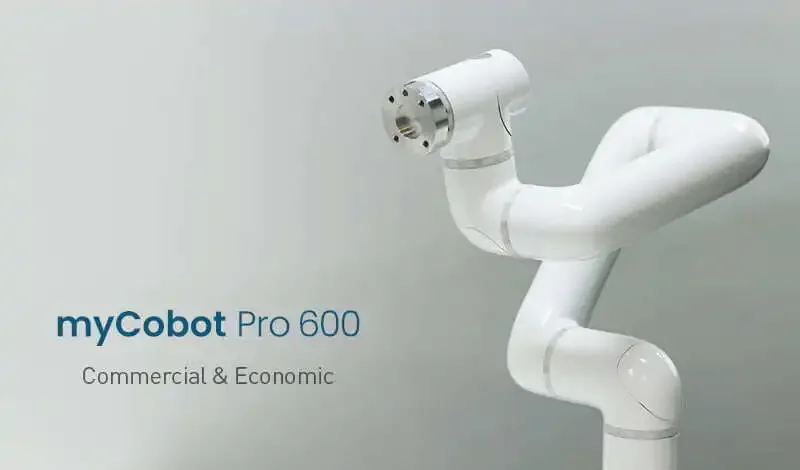
The myCobot 280 is a far cheaper educational cobot, at about PLN 2,500 (≈ EUR 575), so it is good for learning and prototypes; choose it when you want to learn, not produce. The DENSO COBOTTA PRO 900 is the bigger sibling from the same family with a 6 kg payload, at about PLN 124,038 (≈ EUR 28,420), for tasks where 0.5 kg is not enough. The UR3e is the direct Universal Robots rival: a 3 kg payload and a price of about PLN 135,700 (≈ EUR 31,090); it wins on strength and ecosystem, and loses on weight and compactness. The Dobot Nova 2 is another option in the light cobot segment. The Techman TM5-900 stands out with a built-in camera if the task requires vision. The key criterion is payload including the gripper: the real load is always lower than the catalog figure.
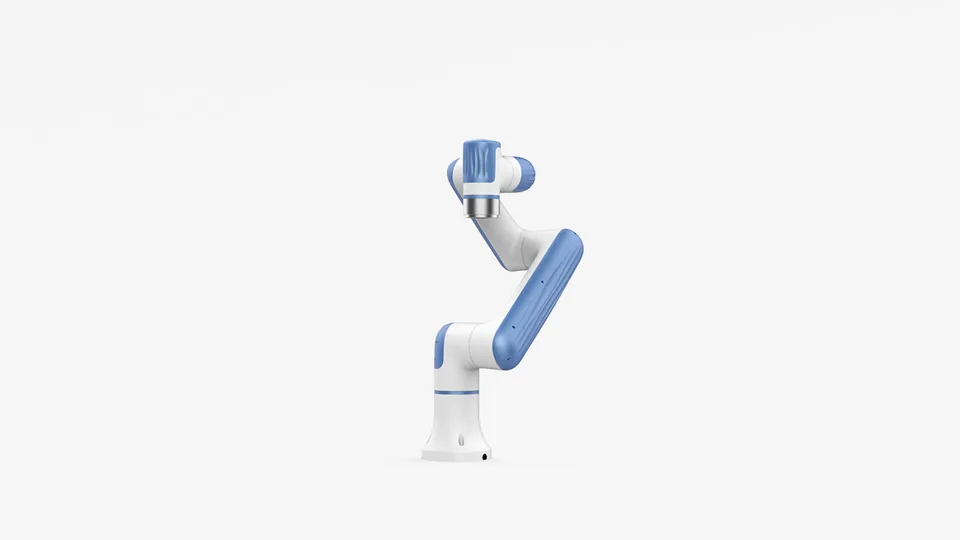
Dobot (Shenzhen Yuejiang Technology)
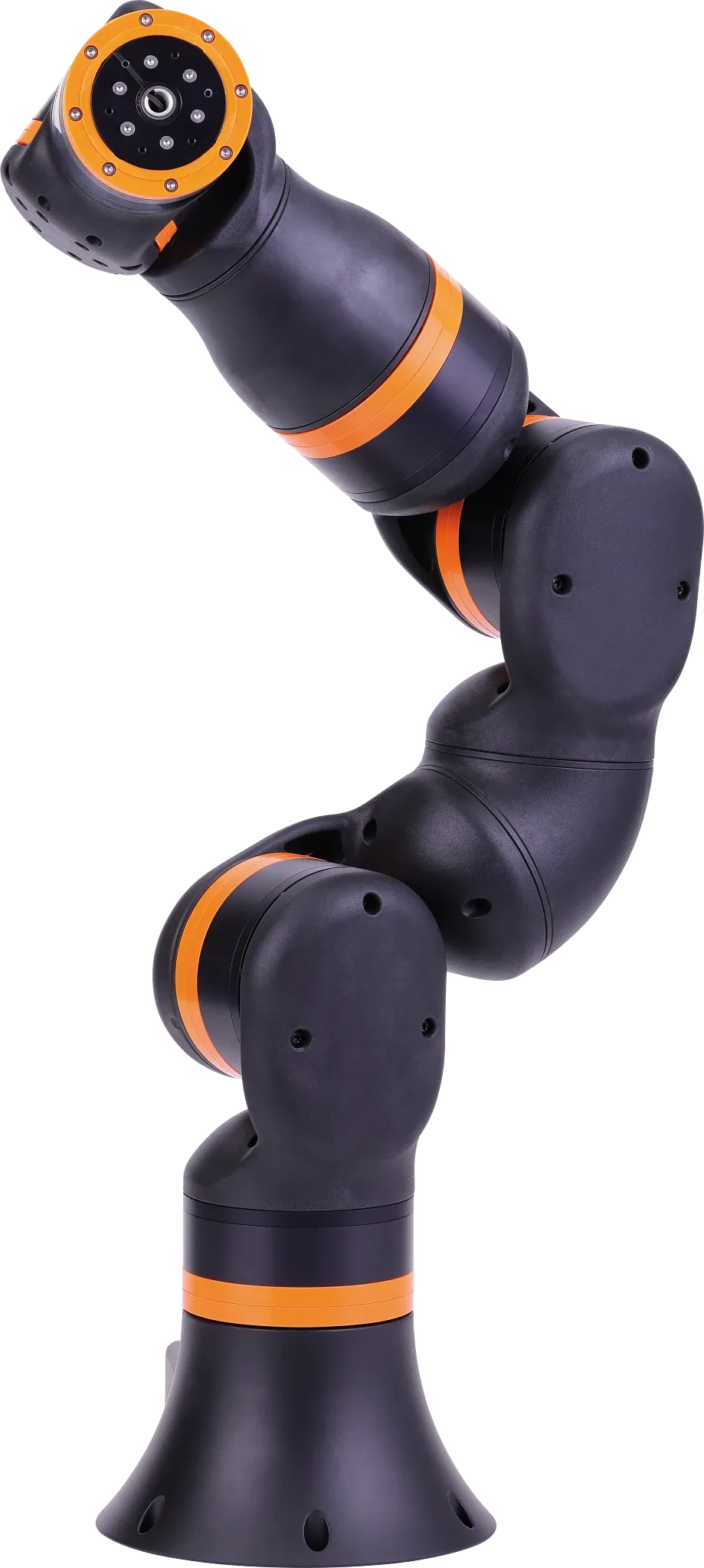
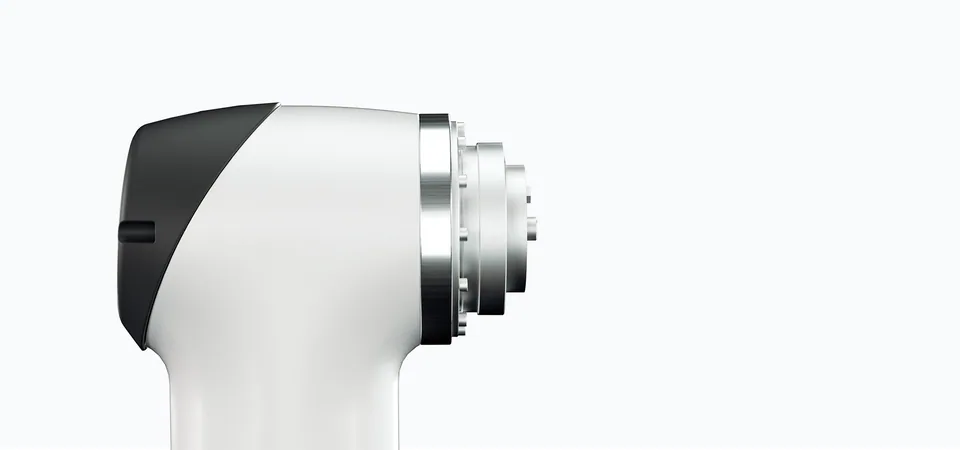
DENSO Robotics grew out of the automotive line automation of the DENSO group and has decades of experience with industrial robots. COBOTTA is its smallest cobot and the first in the family, later joined by the more powerful COBOTTA PRO series (including the DENSO COBOTTA PRO 900). We have no launch date for COBOTTA or information on later generations, so we give no year. Nor do we have data on the founding of DENSO Robotics as a separate company or on its financing. Rather than guess, we refer you to the manufacturer and to the series comparison in cobots.
No. The manufacturer DENSO Robotics (Japan) names no Polish shop or official distributor for the DENSO COBOTTA; enquiries go through the manufacturer's website (densorobotics.com). Confirm service in Poland before buying.
0.5 kg, with a reach of 342.5 mm and an arm weighing just 4 kg.
With the visual “COBOTTA World” app, operated from a tablet.
The price is not published; it is available only on request from distributors.
Shop links may become affiliate links in future, details: How we make money · How we check